I had been to Maharashtra’s Kaas Plateau – our very own “Valley of Flowers” (should have been instead “Plateau of Flowers”) more times than I can count, starting back in 2014, when it was just our group, a handful of fellow clueless wanderers like me and an entire plateau of wildflowers (including those elusive rare insectivorous plants) that hadn’t yet discovered they were Instagram material. Fast forward to 2024–2026 and Kaas had well and truly gone viral: swollen crowds, parking banished four kilometres away like an unruly toddler sent to the naughty corner and barricades erected purely to protect the flora from humans who never quite mastered the ancient art of “look, don’t trample or roll on them.” Turns out human greed is a remarkably efficient weedkiller – not for the flowers, but for anyone’s peace of mind.
Well, when I saw a photograph of the Valley of Flowers – the original, in Uttarakhand (just for info, there is one more in Yumthang)- I was hooked. Surely, the Himalayan version would be a different beast altogether from the Deccan beauties I already knew. Of course, “different beast” also meant more official leaves, a bigger budget and a weather window that had to cooperate. I had booked my YHAI (Youth Hostels Association of India) package for 2025, paid up and then, two weeks before departure, read about multiple landslides in the region. Sensible over stubborn, I cancelled, took the credit shell instead and used it for a Dalhousie Snow trek (A trek done minus snow) at the end of December 2025.
Then 2026 arrived and decided to test me properly, apparently having read a very detailed job description titled “How to Personally Inconvenience This Woman.” A year I sincerely hope wraps up before it succeeds in making me certifiably unhinged.
2026 opened with one unpleasant surprise after another, delivered like punches directly on face, as if 2026 had subscribed to a “ruin her month” newsletter. Work issues piled up, I resigned in defence of my apparently non-existent pride and found myself serving a four-month notice period ending 9th August 2026, plenty of time to reflect on the decision and precisely zero time to un-resign. Strangely, I wasn’t worried about being jobless (a red flag, in hindsight, for my own sanity) I was far more preoccupied with planning the gap between jobs, which is a very on-brand crisis to have. And then it hit me: it was August and the Valley of Flowers was still unfinished business, patiently waiting for me to stop adulting long enough to show up. I messaged my “MMA” friend Aditi and my aunt Geeta. Both said yes before I would even finished the sentence. Tickets booked, YHAI trip registered and paid, everything falling into place with suspicious ease, right up until my employer asked me to stay, which I agreed to since employed-and-travelling beats unemployed-and-anxious any day. Leave got approved. The trip was on. Before we could join the trip, we were asked to fill the online link https://registrationandtouristcare.uk.gov.in/ and get the PDF, this was pre-requisite for Badrinath visit.
We boarded the Tejas AK Express, leaving Mumbai Central at 5:10 PM on Friday, 7th August, three of us converging from three different corners of the city: me from office (woefully Worli), my aunt from Thane, Aditi from Malad. I skipped the onboard meal option; whether it’s Tejas, Duronto or Rajdhani, train food quality has been on a steady decline for years and the “extra” servers who show up hoping for tips don’t help the experience (saved Rs. 400 on ticket though). My aunt’s homemade dinner saved us instead.
The train was scheduled to reach Nizamuddin Railway Station by 10 AM. We weighed our options, everything from the waiting room at Delhi Junction to whatever Nizamuddin station had to offer and the sheer, dedicated unhygienic pathetic-ness of both establishments gave me actual chills, the non-Himalayan kind. Salvation arrived in the form of Metrostay Pods near NDLS Ajmeri Gate, discovered mid-panic while hunting for a day room, a surprisingly pleasant capsule-hotel setup connected directly to the metro, buzzing with families and solo foreign travelers who seemed blissfully unaware (maybe) of Indian Railways’ waiting room aesthetic. We took the all-female dorm: cozy, secure lockers under the beds, bath/washrooms (separate for ladies) just outside. And here’s a plot twist nobody saw coming – introverted, allergic-to-small-talk (i.e. me) actually struck up a conversation with a Mexican and a Congolese lady sharing the dorm, quizzing them about their travels like a one-woman tourism board. Naturally, I also could not resist dispensing unsolicited travel tips for solo women traveler, a topic on which I apparently have an inexhaustible supply of gyaan and zero off-switch. Suitably socialized and lecture delivered, we freshened up, hired an auto for half a day (₹1,800) and set off to see Delhi in whatever hours we had left. We laid out our preference first i.e. start with first stop for Lunch at a good restaurant (since, we skipped breakfast in the morning)
Lunch stop: Lazeez Affaire. This was recommended by driver. The dahi kebab was genuinely good enough to redeem the outing, the fish dish, however, seemed to have taken personal offense at being ordered, leaving a distinctly off aftertaste that lingered on our palates like an uninvited guest. It also left a dent in the wallet proportional to absolutely none of this quality, which is the culinary equivalent of adding insult to injury. And, we were surprised, except for us and 1 more Indian Family, rest all were foreign tourist.
Akshardham Temple was our first real stop (I had mentally mixed it up with the Lotus Temple (wanted to visit this for its architecture) until we arrived, an easy mistake when you’re running on train-sleep. Autos aren’t allowed anywhere near the gate, so we walked the last 800 metres, surrendered every electronic device at the cloak room and went in with nothing but our eyes. No photography allowed, but the architecture is genuinely worth the phone-withdrawal symptoms (though not comparable and falls short to the ancient Belurs & the Halebidus).
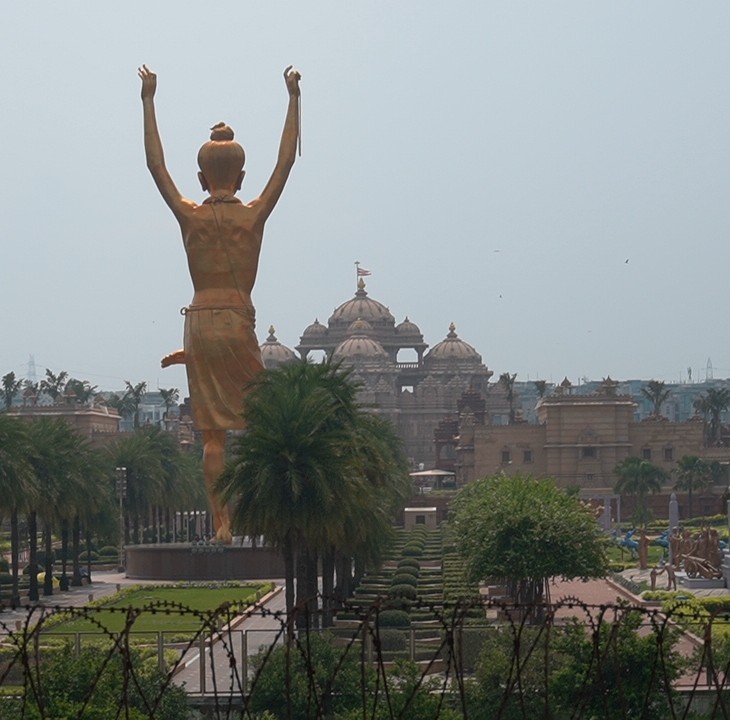
Built by the Bochasanwasi Akshar Purushottam Swaminarayan Sanstha (BAPS), it opened in November 2005 and was constructed in under five years by thousands of volunteers and craftsmen. It is built entirely from pink sandstone and Italian marble, without any structural steel, following traditional Vastu Shastra and Pancharatra Shastra principles. It made into the Guinness World Records as the world’s largest Hindu temple. The central shrine houses a gold-leafed murti of Bhagwan Swaminarayan and the complex includes exhibition halls, gardens and a large stepped water tank (the Narayan Sarovar). The strict no-phones-no-cameras policy you ran into is a longstanding security rule.
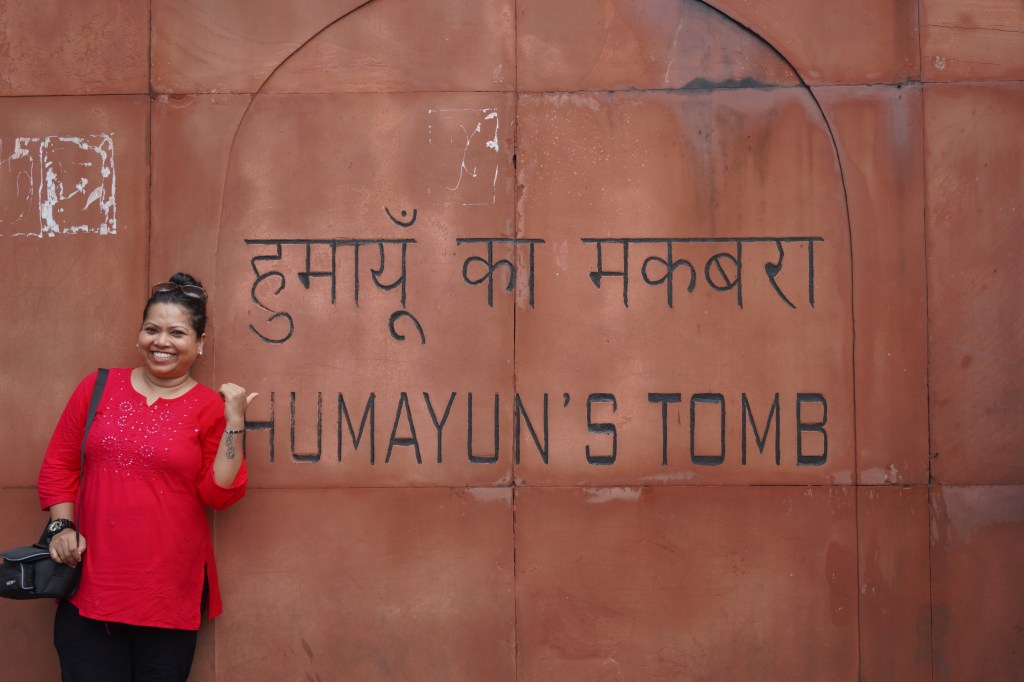
Next was Humayun’s Tomb, my first visit here, years back, wasn’t for sightseeing at all, but for our friend Parvez’s wedding in Delhi, an occasion that also doubled as the grand, long-overdue IRL (in real life) reunion of Parvez, Vijay, Sunny, Vaibhav and me – five of us, who had actually graduated from online Orkut scraps and communities into actual human beings, standing in the same time zone, mildly stunned that we all had functioning legs and weren’t just profile pictures after all. Apart from wedding, we had half a day free, which was used up for this place. My second visit here in this trip, cut short by rain that dampened both our clothes and our sightseeing enthusiasm. This one’s a heavyweight in Mughal architecture, commissioned in 1565 AD by Empress Bega Begum (Humayun’s widow) about nine years after his death and completed around 1572.
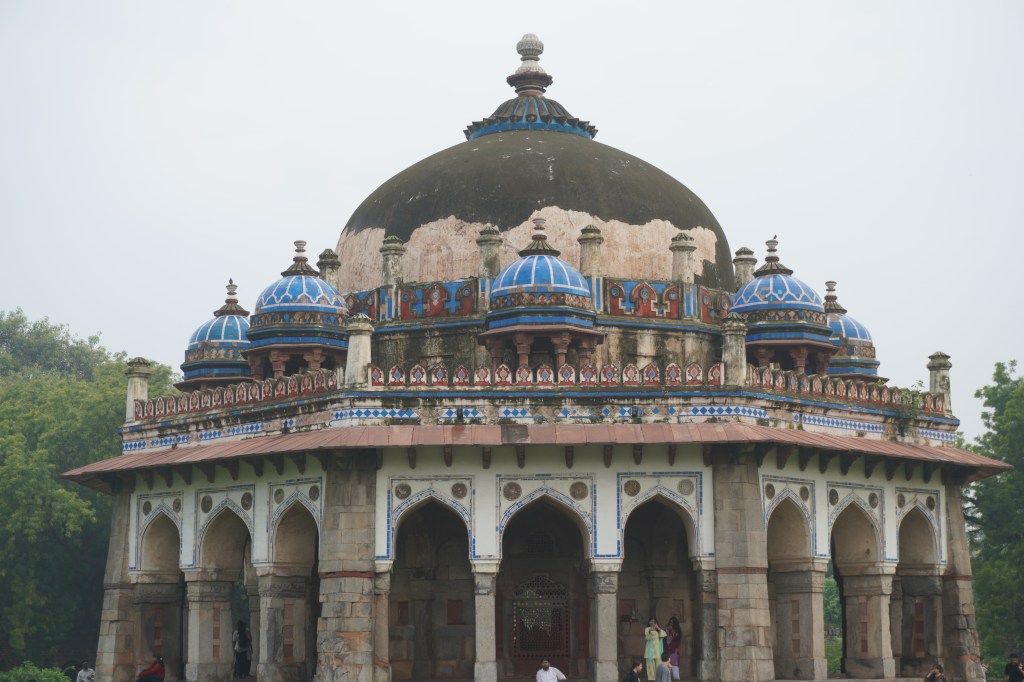
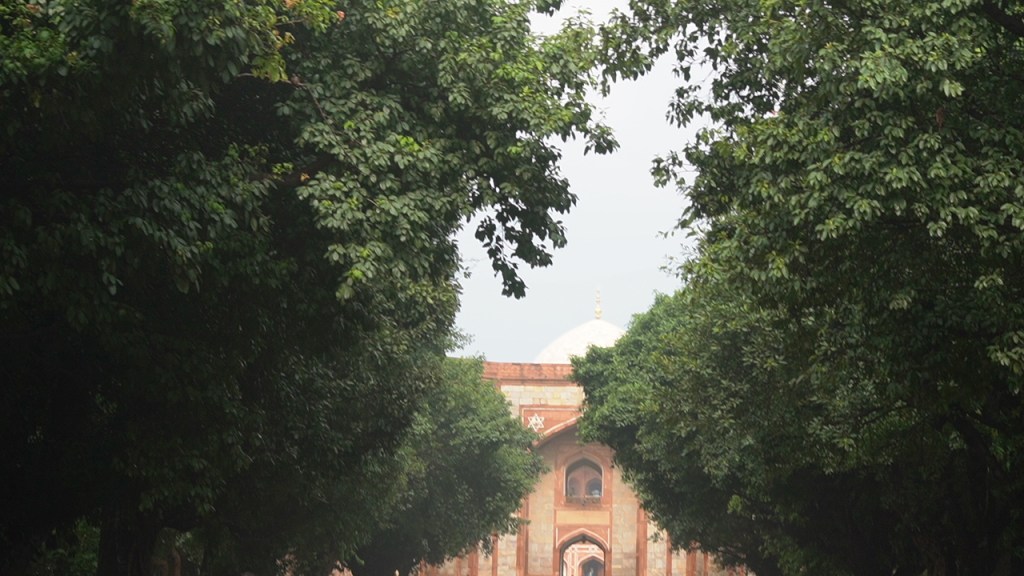
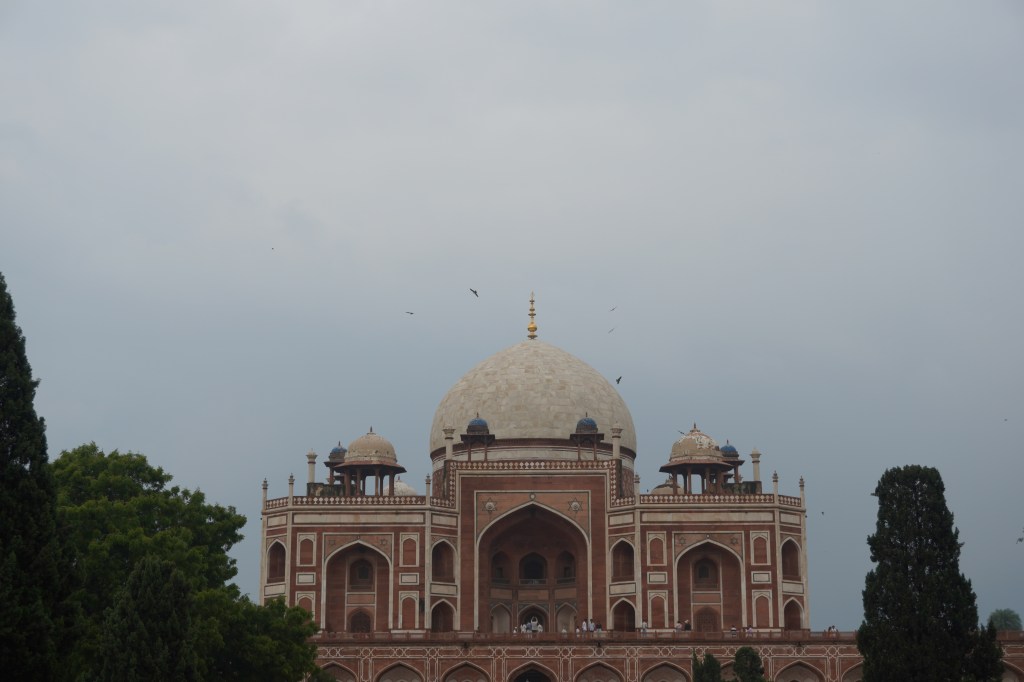
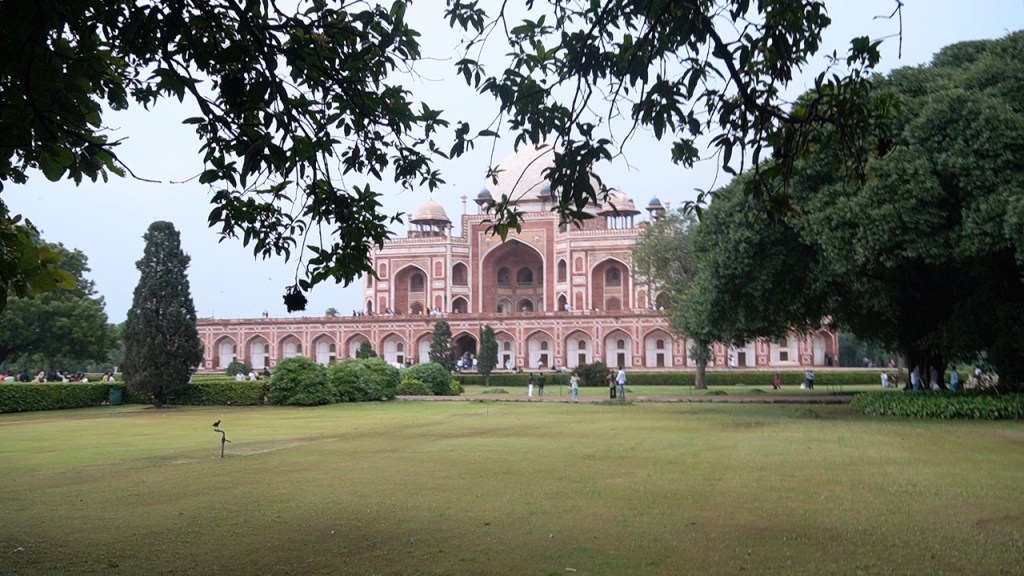
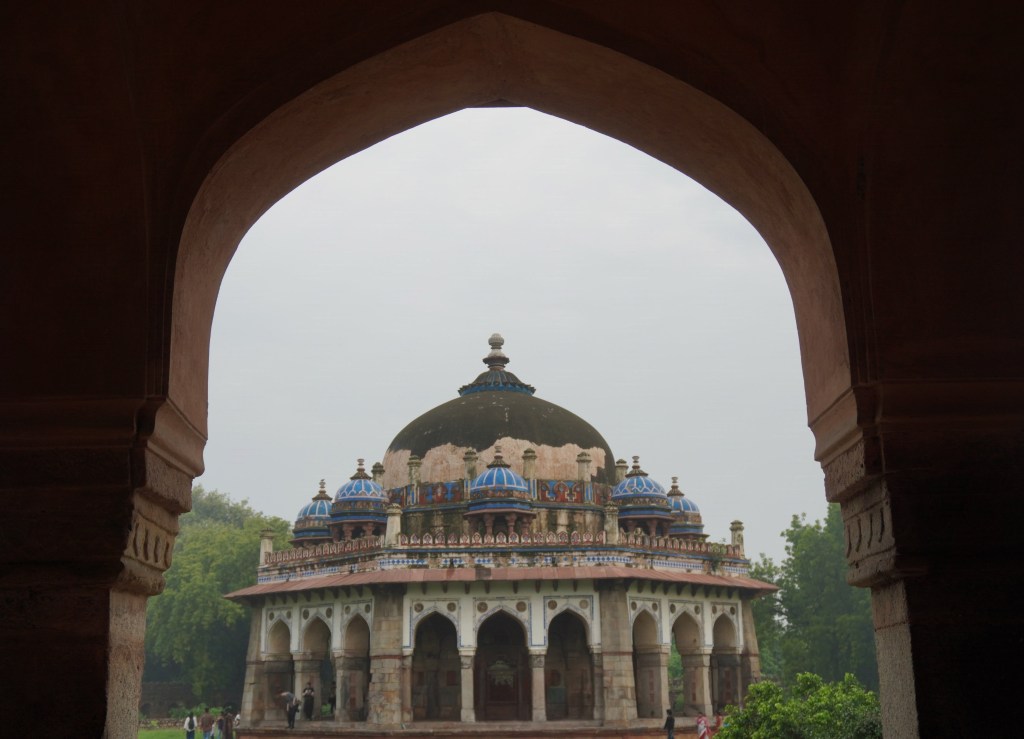
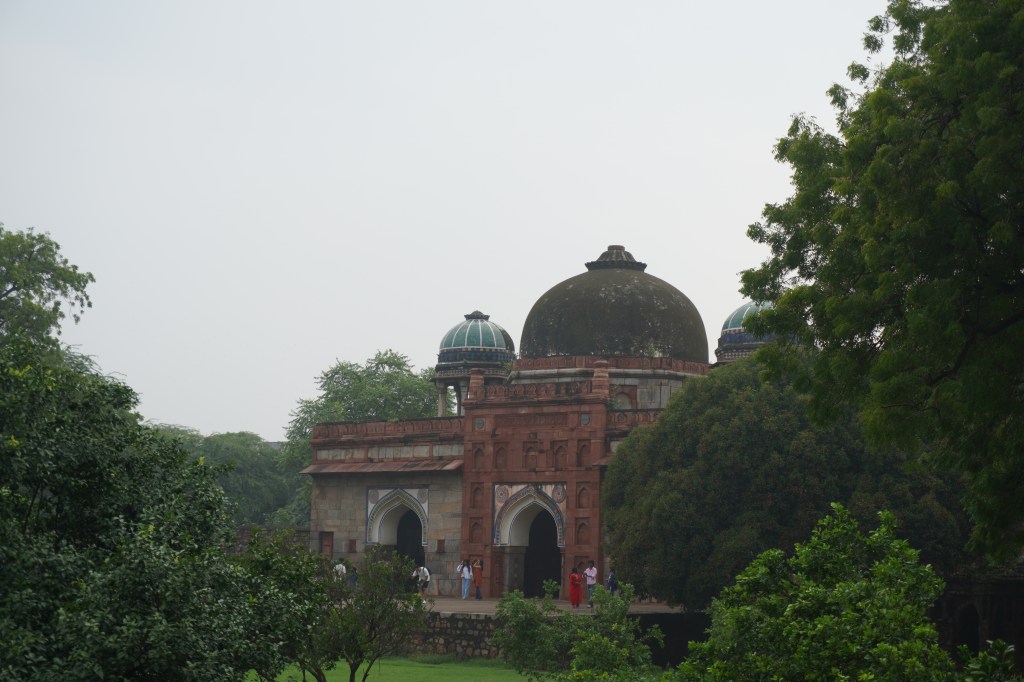
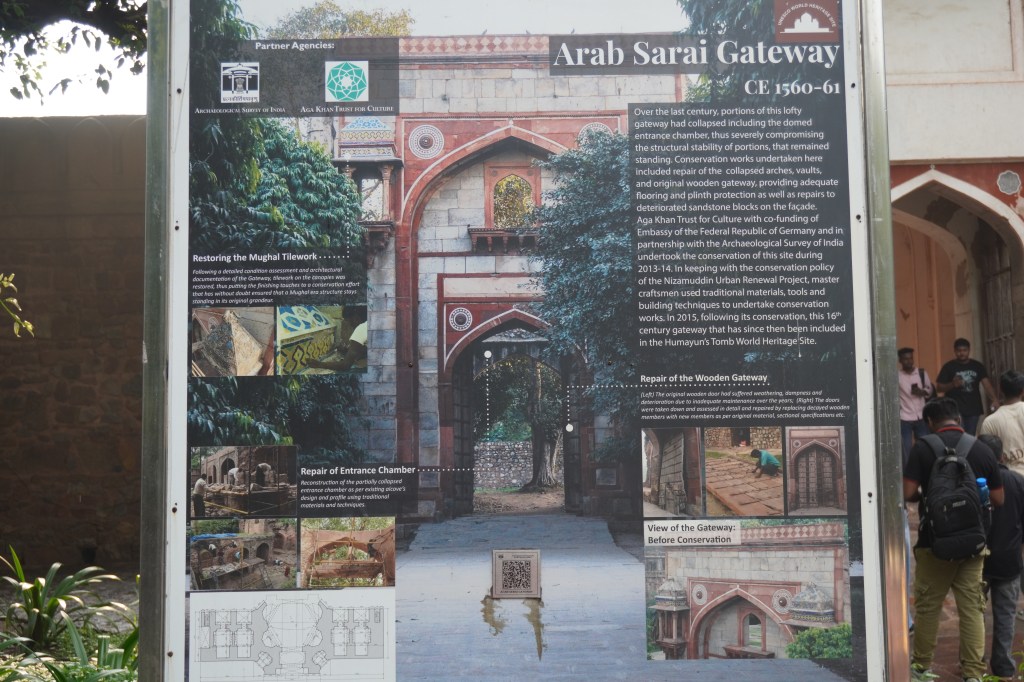
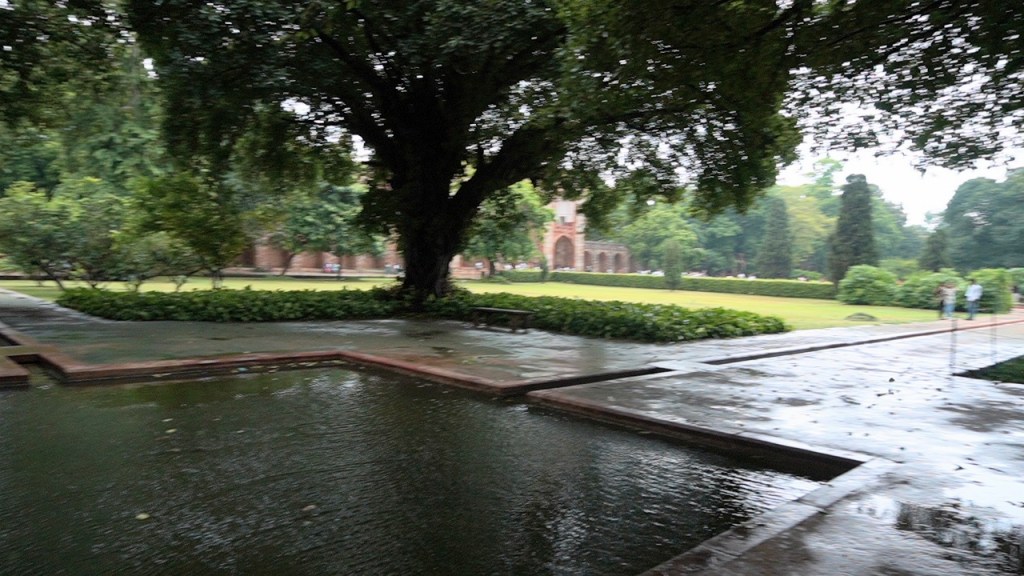
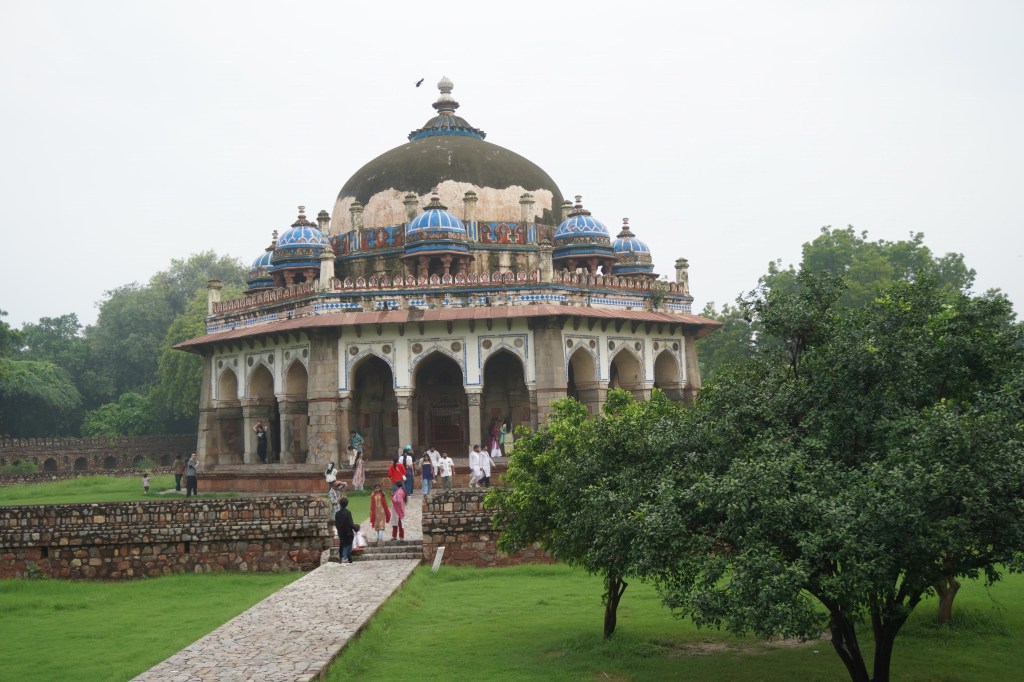
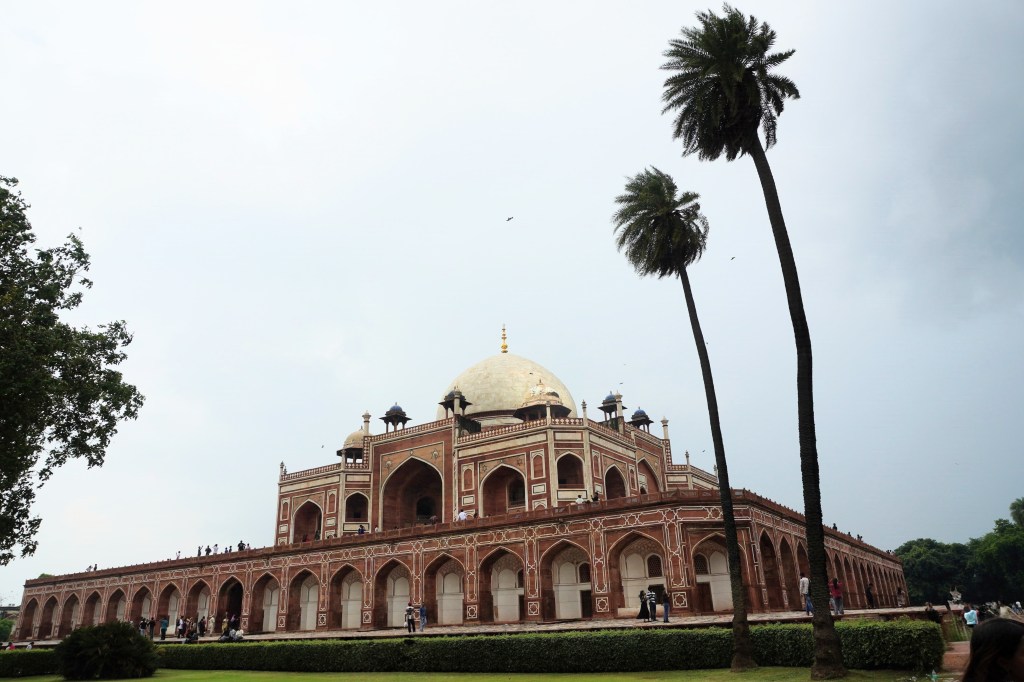
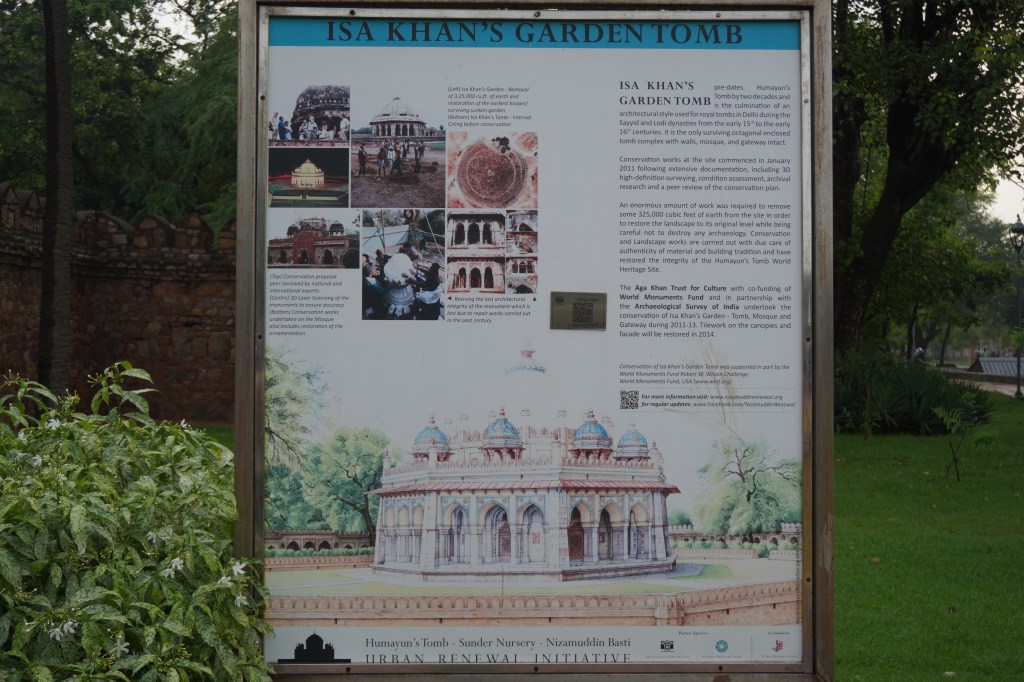
It’s considered the first grand garden-tomb in the Indian subcontinent and the direct architectural precursor to the Taj Mahal, built roughly 80 years later. Designed by Persian architects Mirak Mirza Ghiyas and his son, it sits within a classic Charbagh (four-quadrant Persian garden) layout.
It was declared an UNESCO World Heritage Site in 1993 and later underwent a major restoration. We could barely give it 30-45 minutes before moving on.
Red Fort was a bust – closed to visitors while all of Delhi Police prepared for the Independence Day parade rehearsals. Having been here three times already, I had been playing tour guide in my head the whole ride over, ready to unveil this grand structure to Aditi and my aunt like my own personal real estate listing.
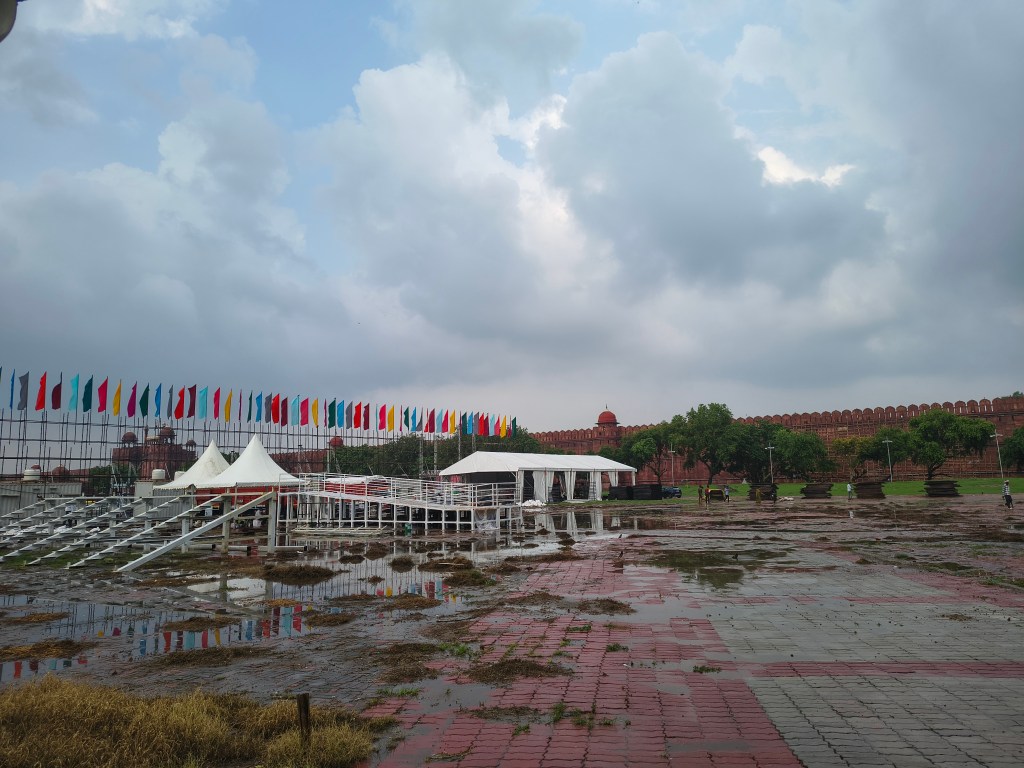
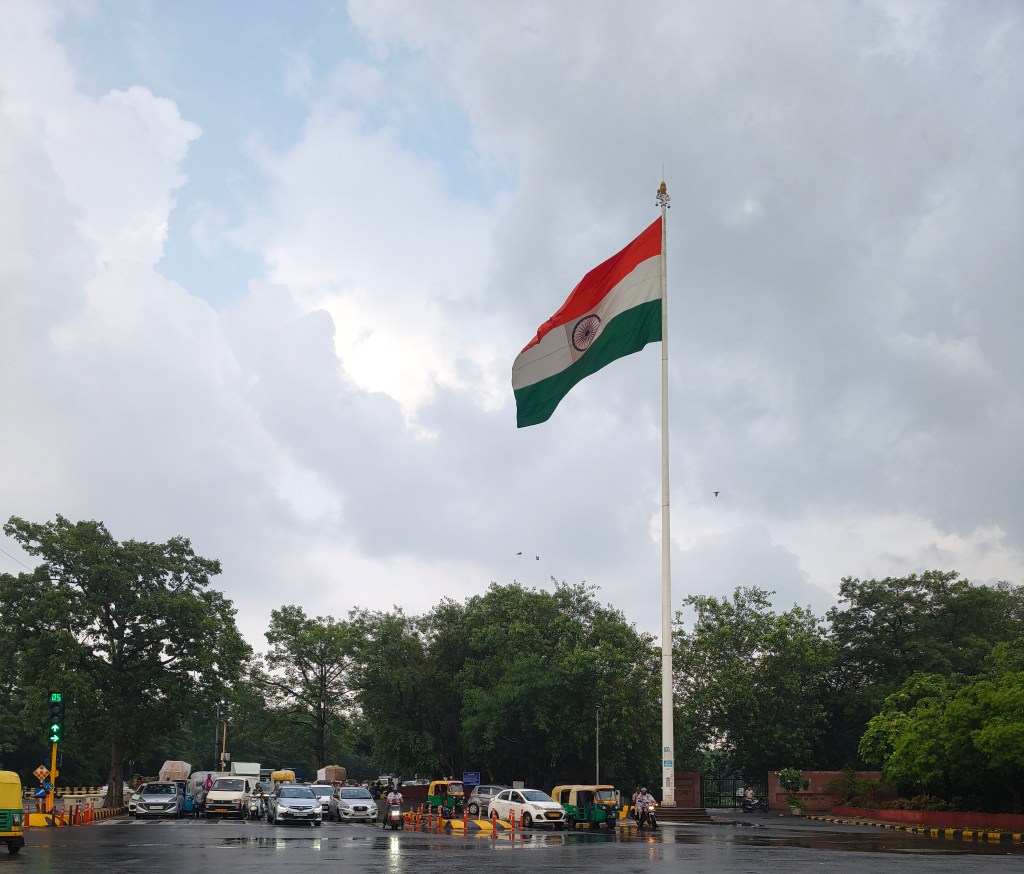
Unfortunately, the Red Fort had other plans and my grand reveal fizzled into us gazing wistfully at very tall, very locked gates. Don’t ever plan for Red Fort in initial 2 weeks of August.
We settled for admiring India Gate from the outside. Designed by Sir Edwin Lutyens, this 42-metre war memorial was completed in 1931 and originally commemorated over 70,000 Indian soldiers of the British Indian Army who died in World War I and the Third Anglo-Afghan War, their names are inscribed on the arch itself. In 1972, the Amar Jawan Jyoti (an eternal flame honoring the unknown soldiers) was added beneath the arch after the 1971 India-Pakistan war; in 2019, it was merged with the flame at the newer National War Memorial nearby.
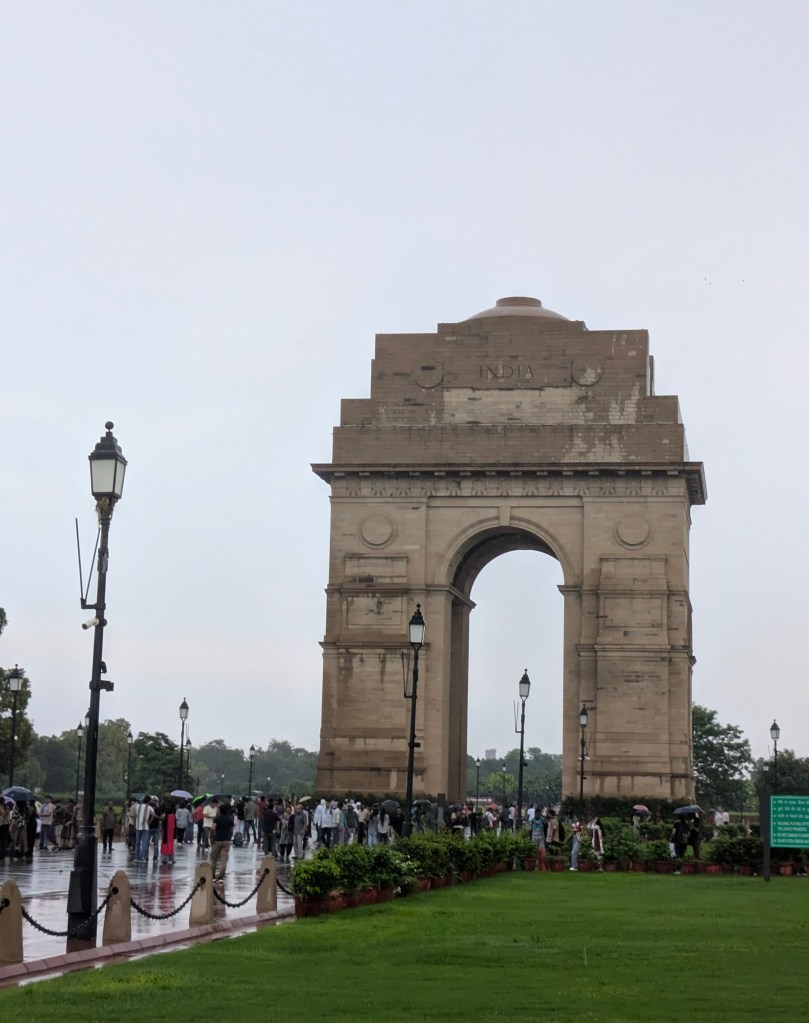
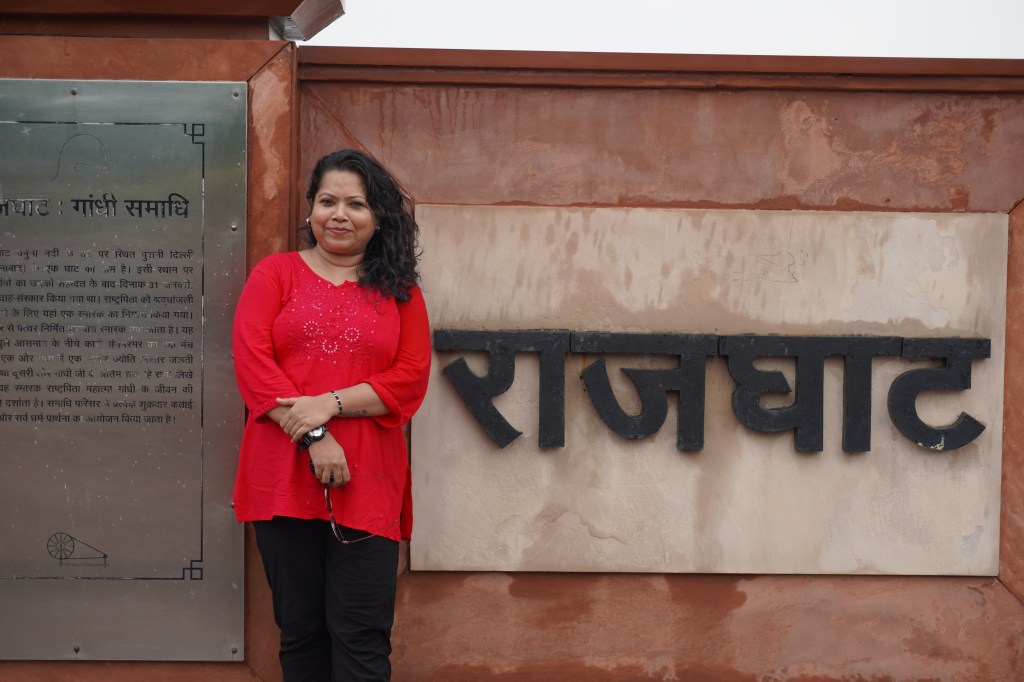
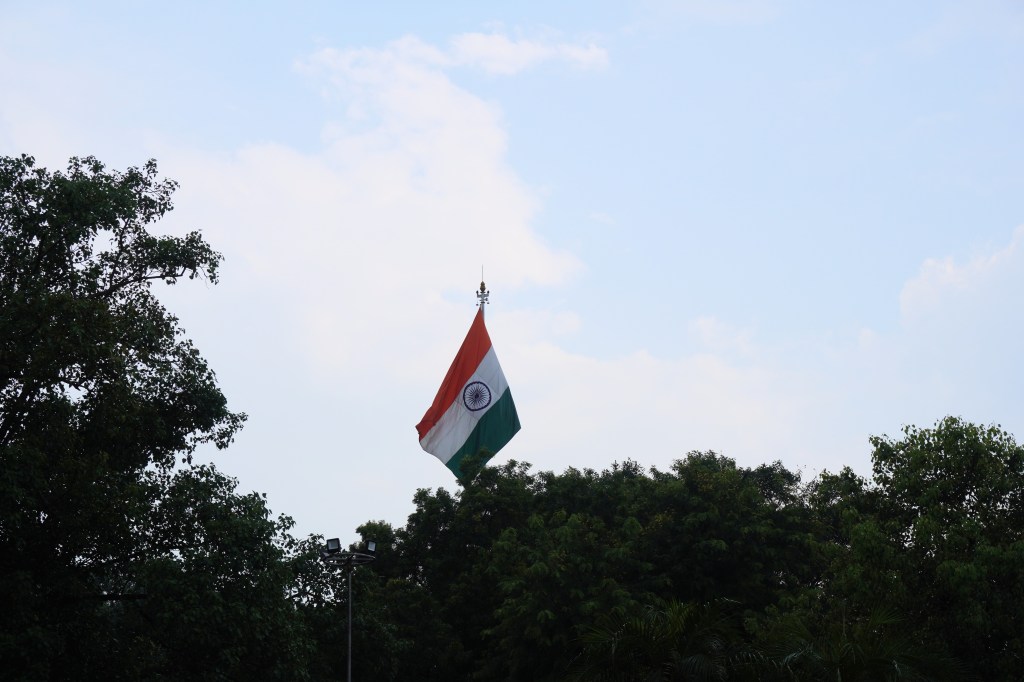
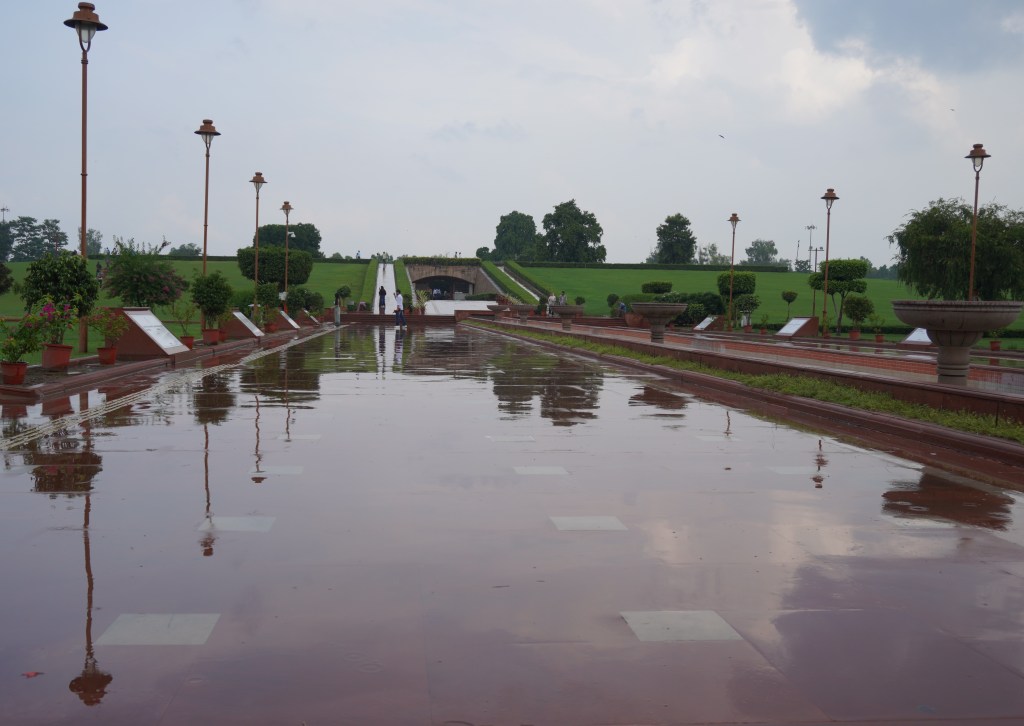
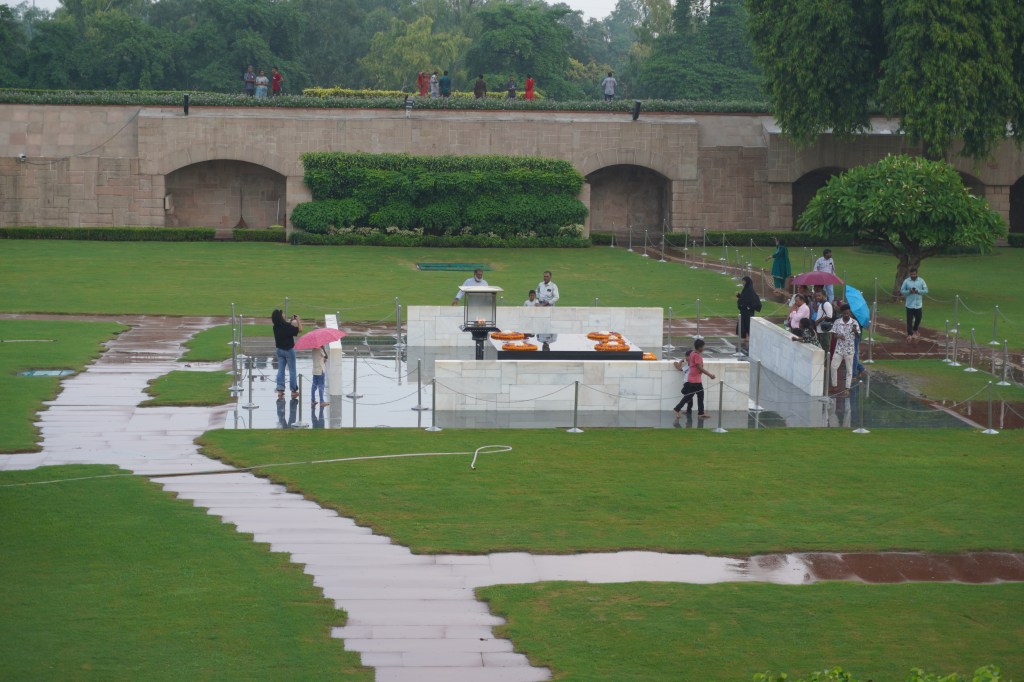
It sits at the eastern end of Rajpath, facing the presidential residence. To make up for the bust Red fort, Auro driver took us to the Rajghat, the cremation site of Mahatma Gandhi, marked by a simple black marble platform inscribed with his last words, “Hey Ram” (“Oh God”). He was cremated here on 31 January 1948, a day after his assassination. An eternal flame burns nearby and the site is deliberately understated, landscaped lawns rather than monumental architecture. Several other Indian leaders (including Jawaharlal Nehru and Indira Gandhi) have memorials in the same broader complex along the Yamuna.
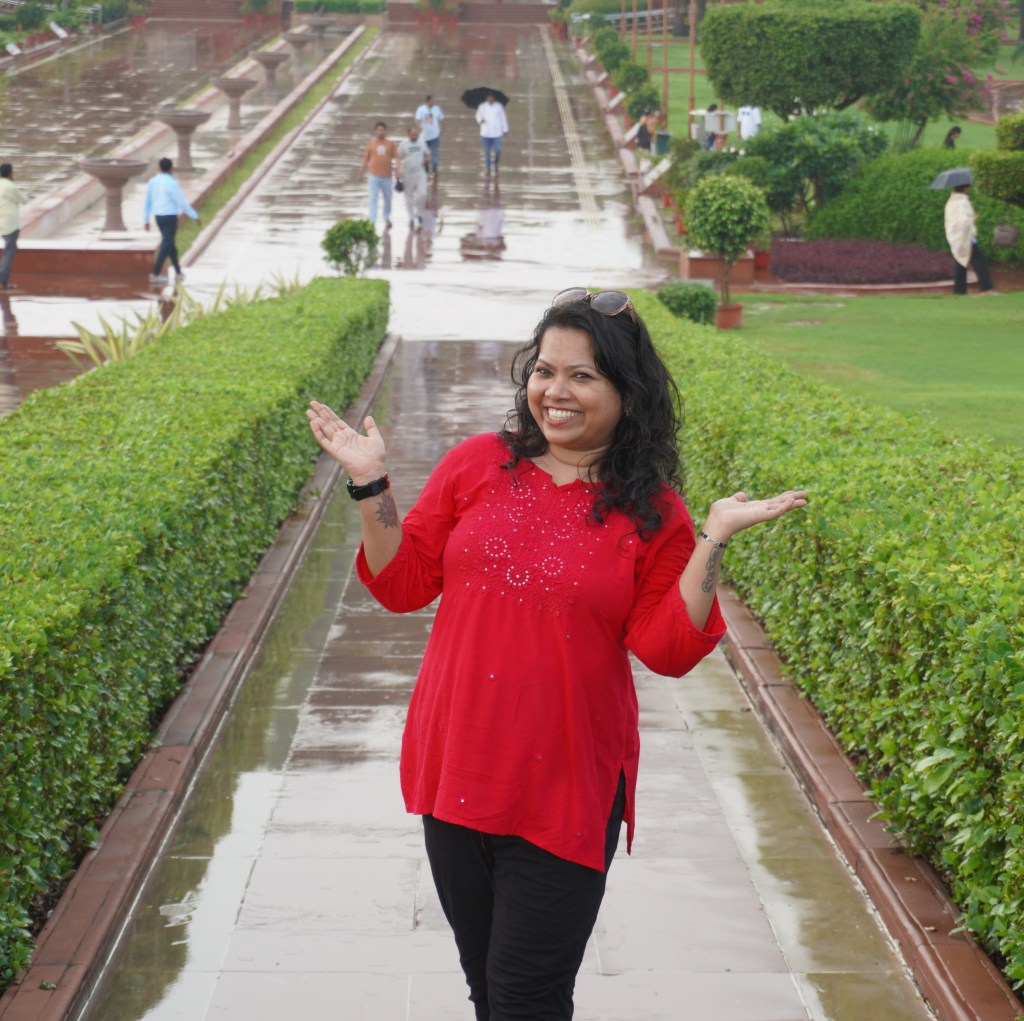
We headed back, thoroughly rain-soaked, to dry off at the pod and grab dinner at the Metrostay café. Thankfully, Pod also had laundry service for Rs. 30/- per piece, which we were happy to use for our drenched clothes.
A quick word on Delhi’s railway stations: for the capital city of a Country proudly calling itself an emerging superpower, Nizamuddin and Old Delhi Junction really committed to the underwhelming bit. The toilets charge you (Rs. 20/-) for the privilege of entry and then generously let you keep the filth for free – truly a pay-per-view experience nobody asked for. The waiting rooms exist in a state best described as “questionable” and the platforms have been thoughtfully repurposed into open-air dormitories for travellers who, quite reasonably, stopped expecting anything better from the system a long time ago. Add to this an unmanaged, anxious mob heading to Haridwar (some festival, apparently, though the crowd’s energy suggested a limited-edition iPhone drop), with railway police present in numbers best described as “decorative”, there purely for ambiance, it seems, not actual crowd control. Nothing says “inner peace” like a stampede politely waiting to happen. I did find myself wondering, in between making space to get our luggage to the platform, whether anyone in charge had considered that this exact crowd surge happens every single year, around the same festival, with the same predictable chaos and yet here we were, once again, reinventing the wheel of disorganization from scratch (Did they stop teaching basic civic sense / manners / queue discipline in school now-a-days?).
We caught the Mussoorie Express at 22:25, reaching Haridwar by 5:50 AM, right on time, coolie hired for ₹200, luggage rescued from the general stampede of an emptying train. At Haridwar, we learned the road to Rishikesh was closed and the alternative – a taxi that should take 30 minutes, was now a 3–4 hour ordeal costing ₹2,000–3,000. We took the sensible route: a general train ticket, another round of luggage-hauling back to the Platform and travelled straight into Rishikesh by 9 AM.
Here’s my one real gripe with YHAI on this trip: the road closure had clearly been known to the basecamp for a while, groups report in daily, presumably not just to recite weather updates into the void, yet nobody thought to pass this rather crucial piece of information along. Communication, it seems, was optional this time. Only after calling the base camp leader, did we came to know about this predicament. In my last six YHAI treks, I had never run into this kind of communication gap, so naturally I assumed telepathy wasn’t part of the itinerary. I remember once, when my train was 12 hours late (instead of morning 11, it reached at 12 midnight) reaching Pathankot, camp leader Mr. Gulzar (Dalhousie Trek) followed up relentlessly and even arranged a car at midnight just so I could reach safely, the kind of effort that spoils you into believing this is the standard. A simple heads-up about the road closure here in the group would have let us stay on the platform and head straight to Rishikesh, sparing us the joyous, entirely avoidable sport of hauling luggage up and down for no reason whatsoever. This one small oversight, unfortunately, set the tone for a trip that would go on to test my otherwise unwavering loyalty to the organisation: one poorly communicated pothole at a time.
At the Rishikesh basecamp, hungry and desperate for a washroom after our overnight adventures, we waited 10–15 minutes before someone finally clocked in that we looked hungry like bear and were offered to have breakfast, which did wonders for my aunt’s mood. Rooms allotted, we slept off the exhaustion until 4 PM, waking briefly for lunch.
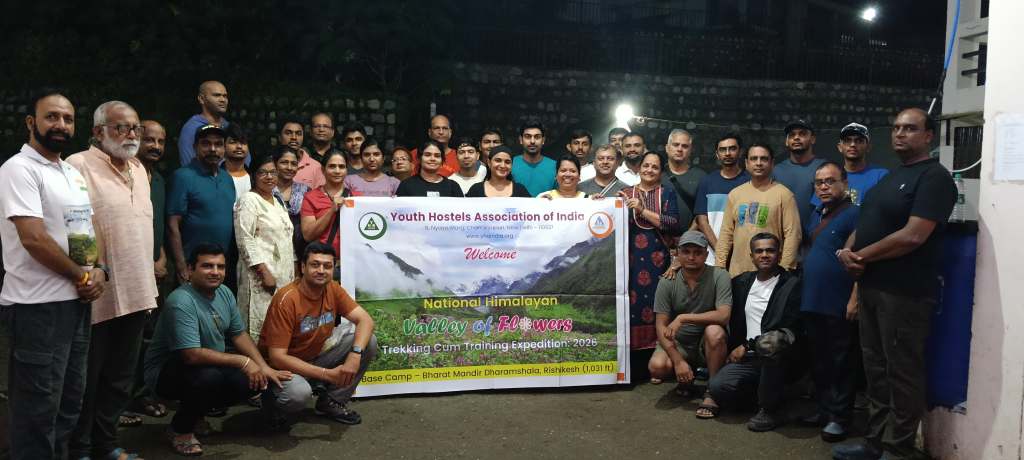
The 5 PM briefing ran a full hour: route details, dos and don’ts, introductions and the election of a Group Leader (Bhavesh, a Valley of Flowers veteran), Assistant Leader (Karan) and Environment Leader – a role that fell to me. This was my second stint as Environment Leader, after a considerably more demanding turn on the Saurkundi Pass trek where I had spent the trip policing plastic, collecting them all the way during trek and dumping at each camps and then reprimanding litterbugs tent by tent. This time, thankfully, it was a breeze.
The Grand Group: Sixteen trekkers from Gujarat (50% population – Bhavesh, Kinjal, Karan, Kalpesh, a doctor, an engineer and more), Shriya, Archana +2 from Bangalore, Senior couple from Kerala, Deepak & Hritik from Gwalior, 2 from Pune and our trio + 3 (Pradosh Family – Aditya, Mr. & Mrs. Pradosh) from Mumbai, 1 more gentleman, total 33.
Post-briefing, we walked to Triveni Ghat, crowded, with men bathing openly and the throng growing thicker by the minute, as if the entire town had agreed to show up at once purely to test our patience. The three of us kept a diplomatic distance, which meant fewer photos. My humble suggestion to the universe: perhaps separate the women’s crowd from the men’s, so we can enjoy our spiritual dip without feeling like extras in someone else’s bathing scene.
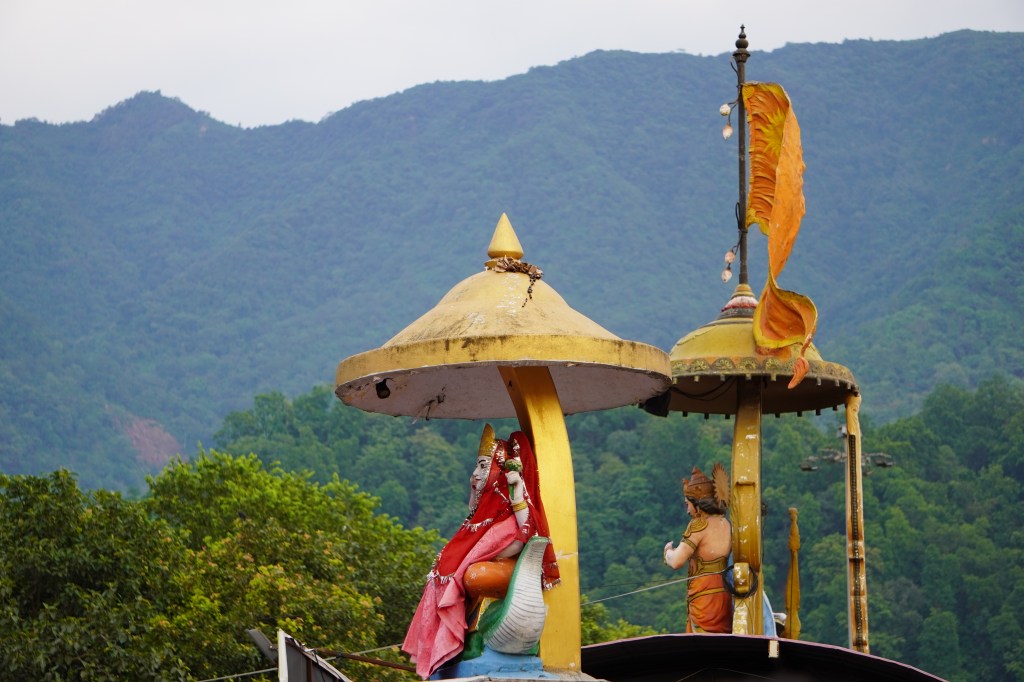
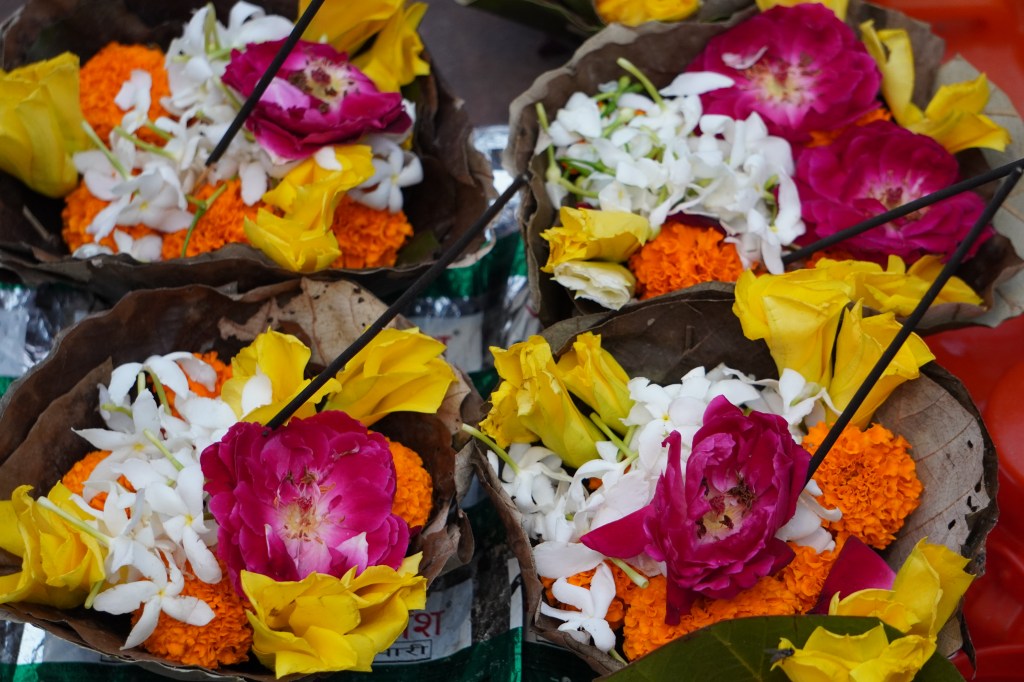
But then again, crowd management wasn’t exactly this trip’s strong suit, the reigning philosophy seemed to be “let it swell, let it trickle and if nothing goes wrong, congratulations, another day survived by sheer luck.” It’s only when something actually goes wrong that the system miraculously remembers it has a pulse and springs into half-hearted action. Back at camp for dinner, we handed over our extra luggage ahead of a 5 AM departure the next day, for Joshimath, presumably scheduled early enough so as to reach as early as possible
We were up at 4 AM, morning ablutions done, packed lunches collected and bags deposited — much to the visible dismay of the camp leader, though a helpful staffer named Azad smoothed things over. Then came a small circus at boarding: several participants had already claimed seats with their bags, leaving others stranded. I flagged this to the camp leader, who asked passengers to give up front-row seats to ladies and anyone prone to motion sickness. We got lucky.
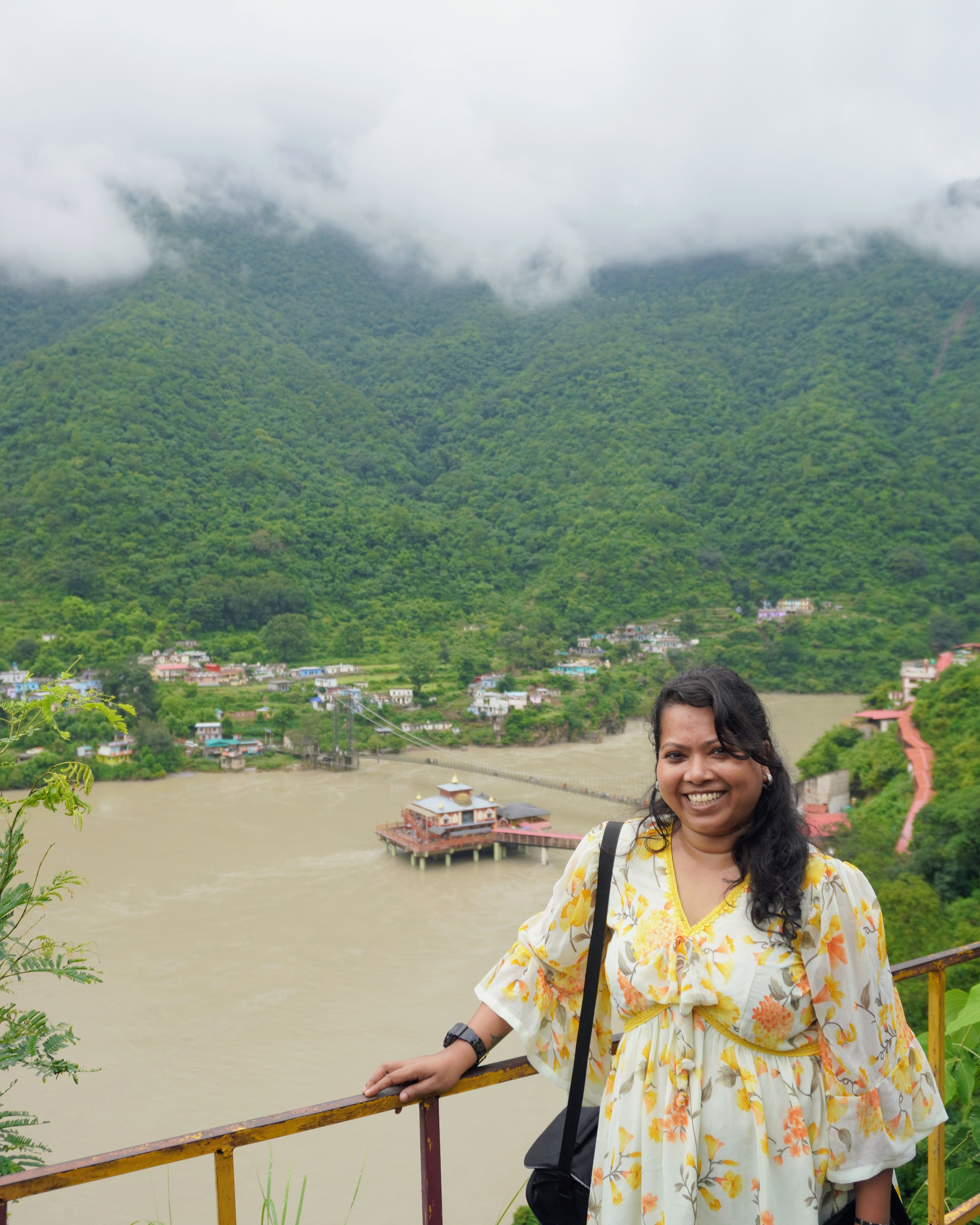
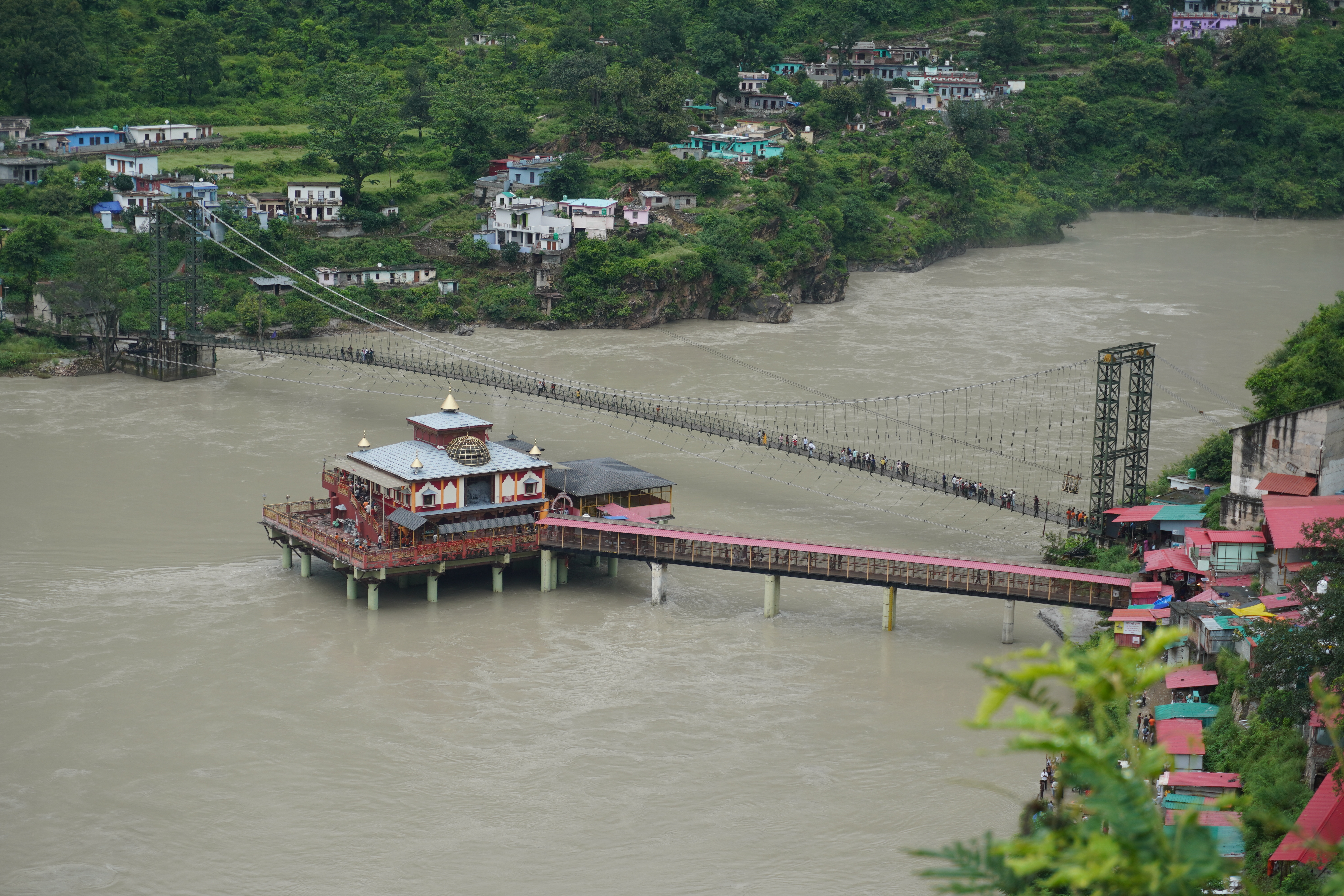
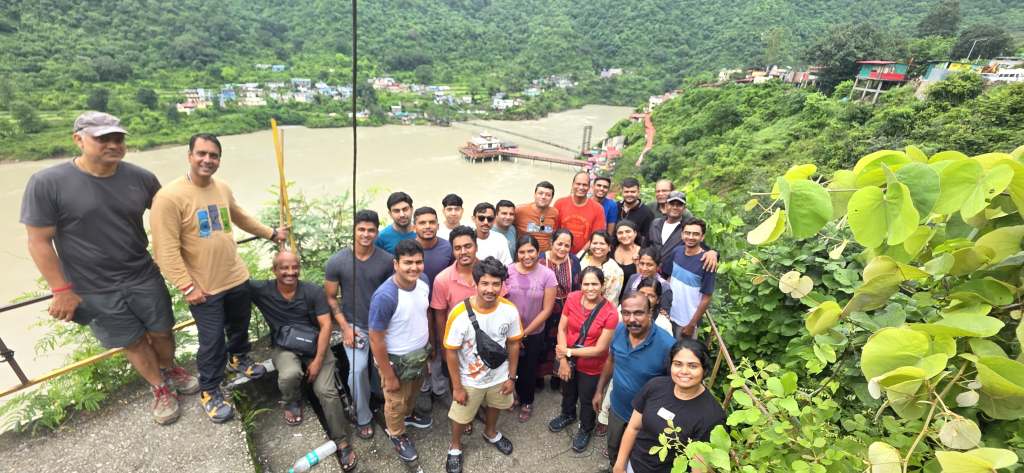
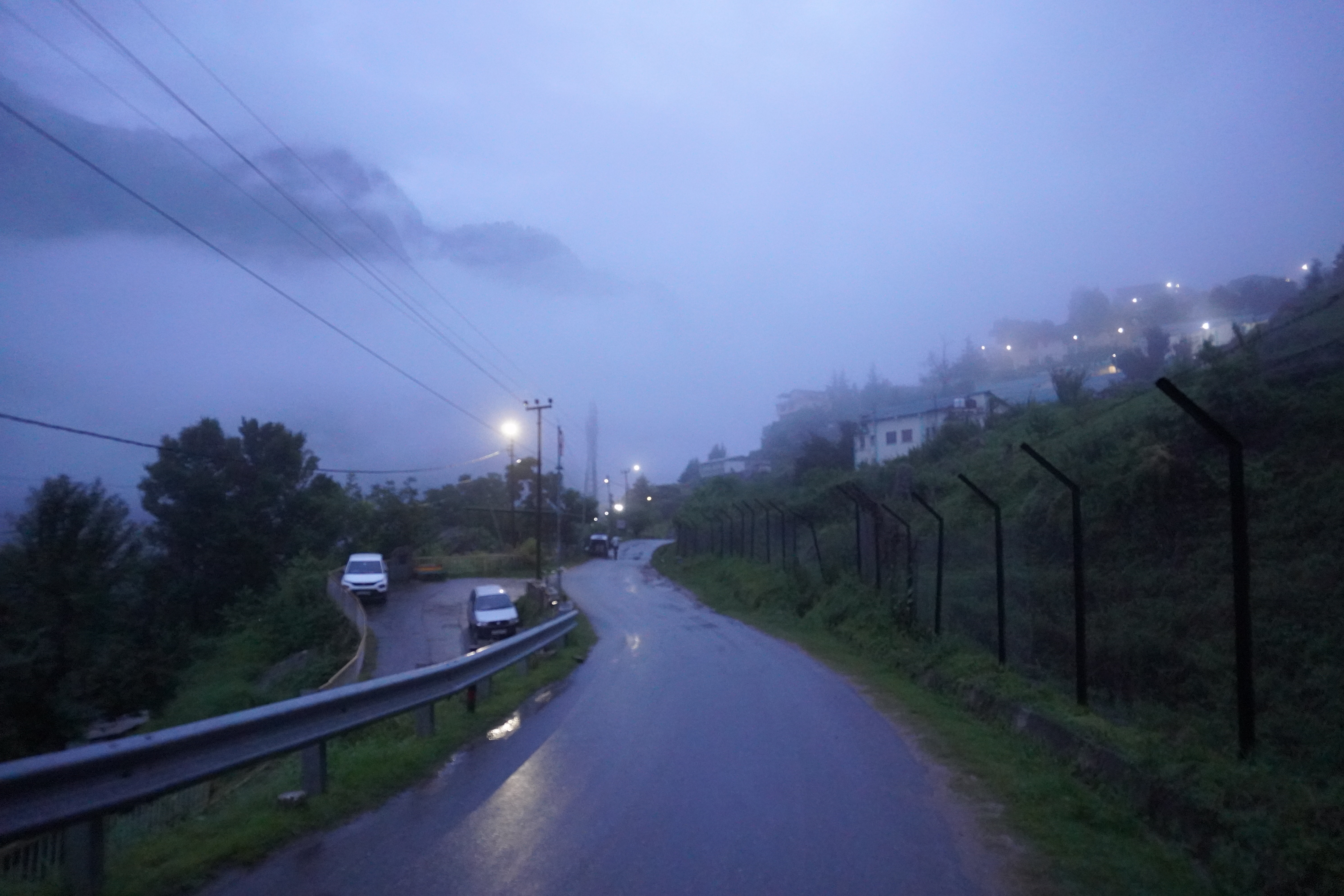
With proper breakfast, lunch and brief photo -ops stops at Dharadevi Temple along the way, we reached Joshimath by 4 PM. The camp was a multi-level affair, ground floor, minus-one, minus-two and we landed in minus two, teaming up with two Bangalore girls, Shriya and Archana, who would stay with our little five-person unit for every camp thereafter.
After the customary briefing (heavy emphasis on water conservation), we headed out in persistent rain to see the Narsingh Temple, dedicated to Lord Narasimha – Vishnu’s half-lion, half-human avatar – this is one of the Sapt Badri temples, believed to have been established by the 8th-century philosopher Adi Shankaracharya, who installed the idol made of Shaligram stone.
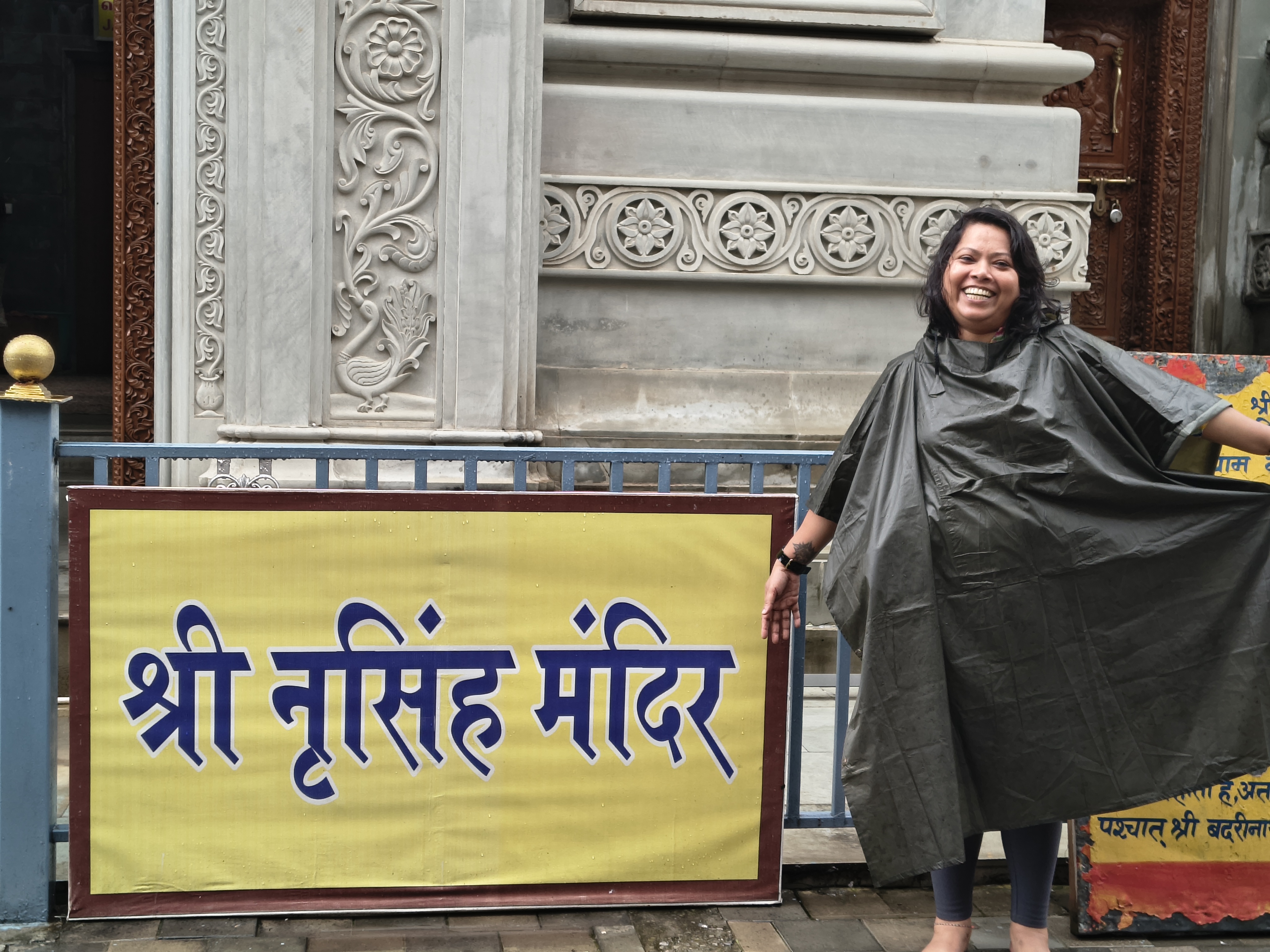
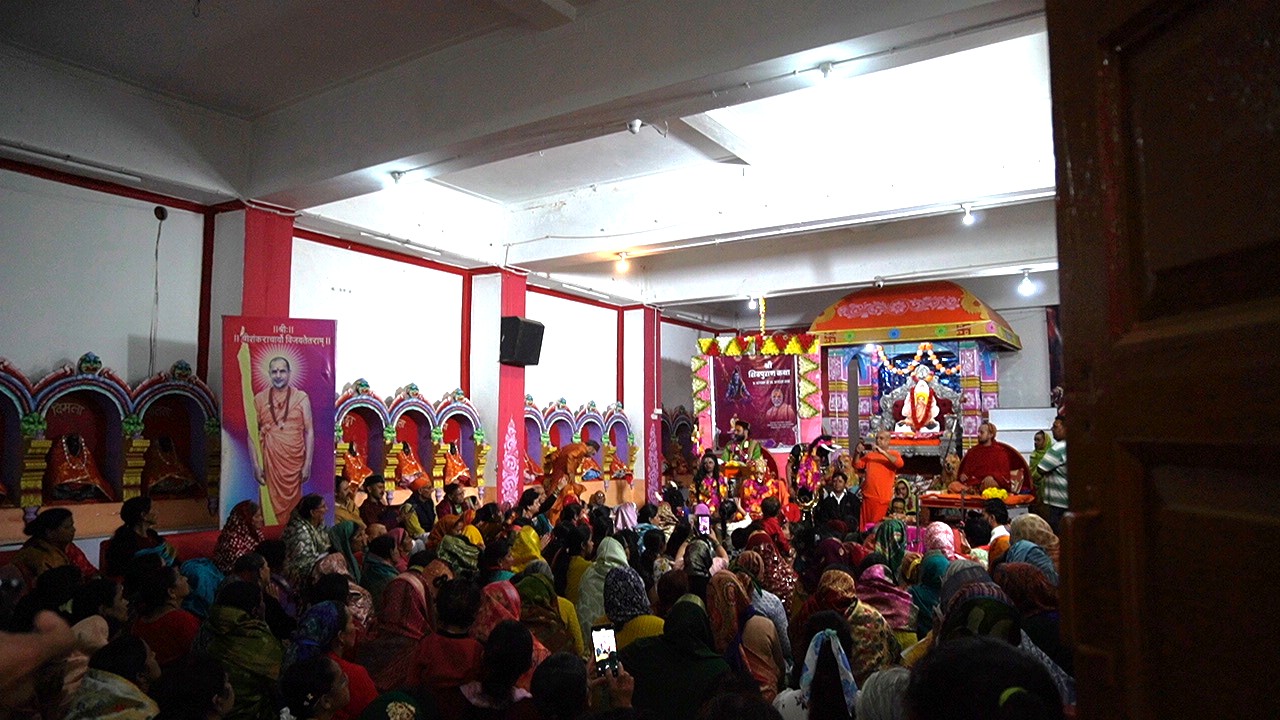
Every winter, when Badrinath temple closes, its deity is symbolically brought here – Shankaracharya Math, also called Jyotirmath, is a cardinal monastery Adi Shankaracharya founded in the 8th century, located right near this temple. This is one of the four cardinal mathas (monastic centers) Adi Shankaracharya established across India in the 8th century to consolidate and revive Hindu philosophy, the other three being in Sringeri, Dwarka and Puri. Jyotirmath is the seat for the Himalayan/northern region and remains an active center of Advaita Vedanta teaching to this day, keeping guard over the Atharvaveda under its charge – heads of the matha, in fact, still carry the title “Shankaracharya” as a mark of that unbroken lineage. We walked around the temple while a bhajan session was in full swing and made our way to the Totakacharya Cave, the meditation cave of Totakacharya, Adi Shankaracharya’s disciple and the very first Shankaracharya to head Jyotirmath, said to have been a rather unremarkable student everyone underestimated until he wasn’t. Nearby is the cave where Adi Shankaracharya himself is believed to have attained enlightenment and composed his famous commentaries, the Shankar Bhashya. Climbing further, we reached the Kalpavriksh – the ancient wish-fulfilling mulberry tree, pegged at anywhere from 1,200 to 2,500 years old depending on which local legend you trust, with a small Shiva shrine (Jyotireshwar Mahadev) tucked at its base. It is treated with the same reverence as the temple itself and is considered one of the oldest living trees in the region, the same tree, according to legend, under which Adi Shankaracharya sat in meditation.
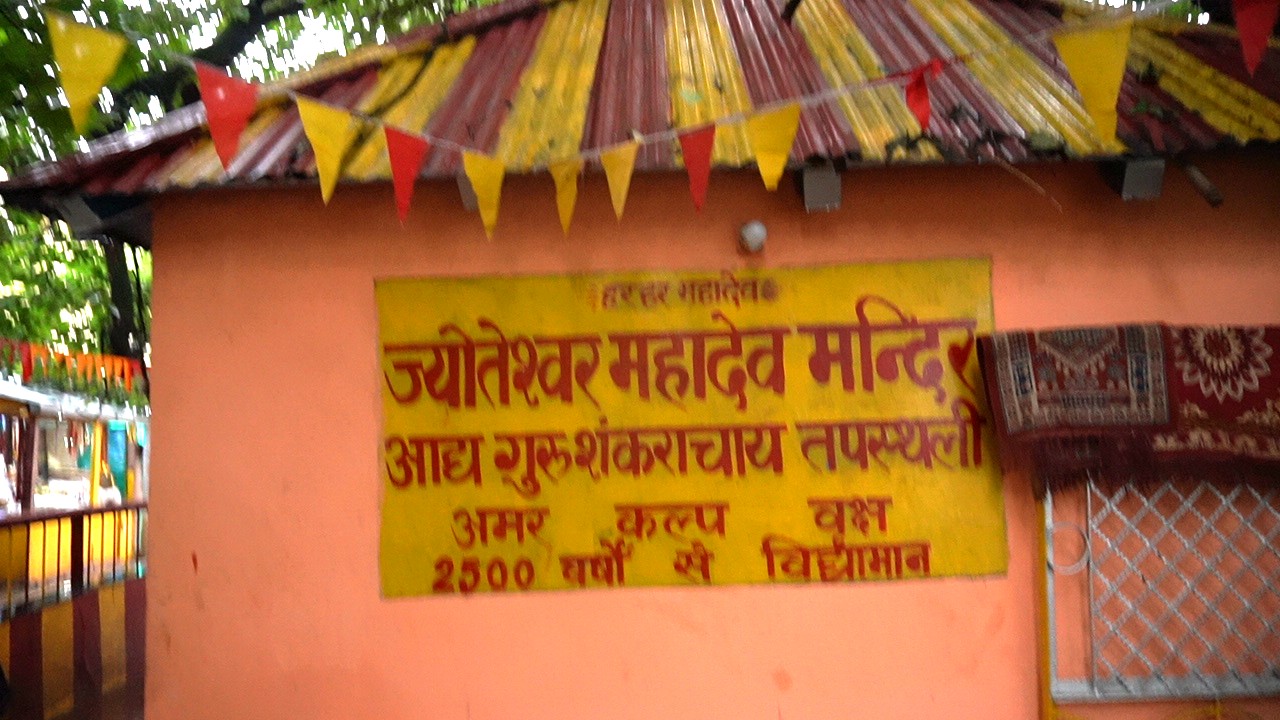
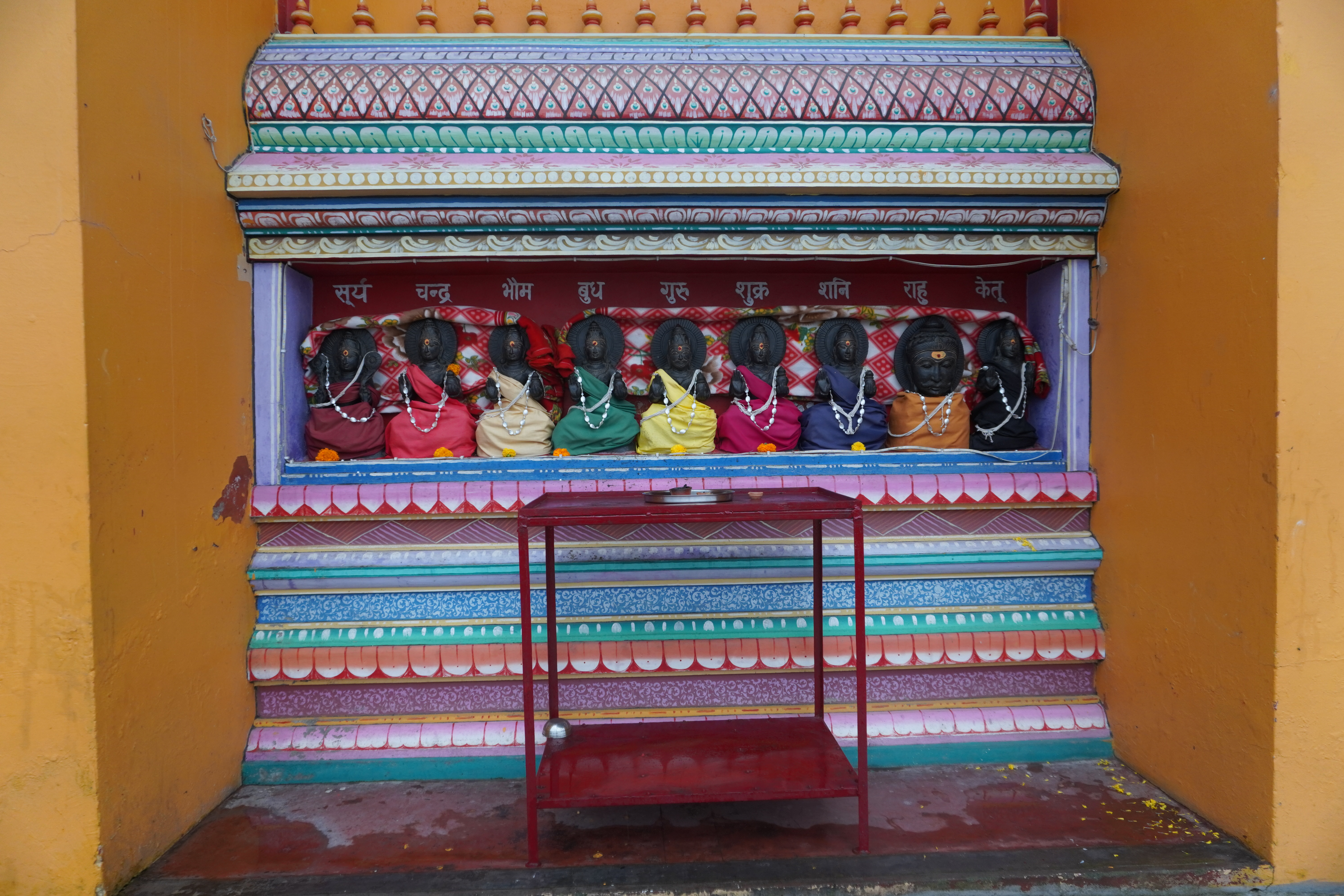
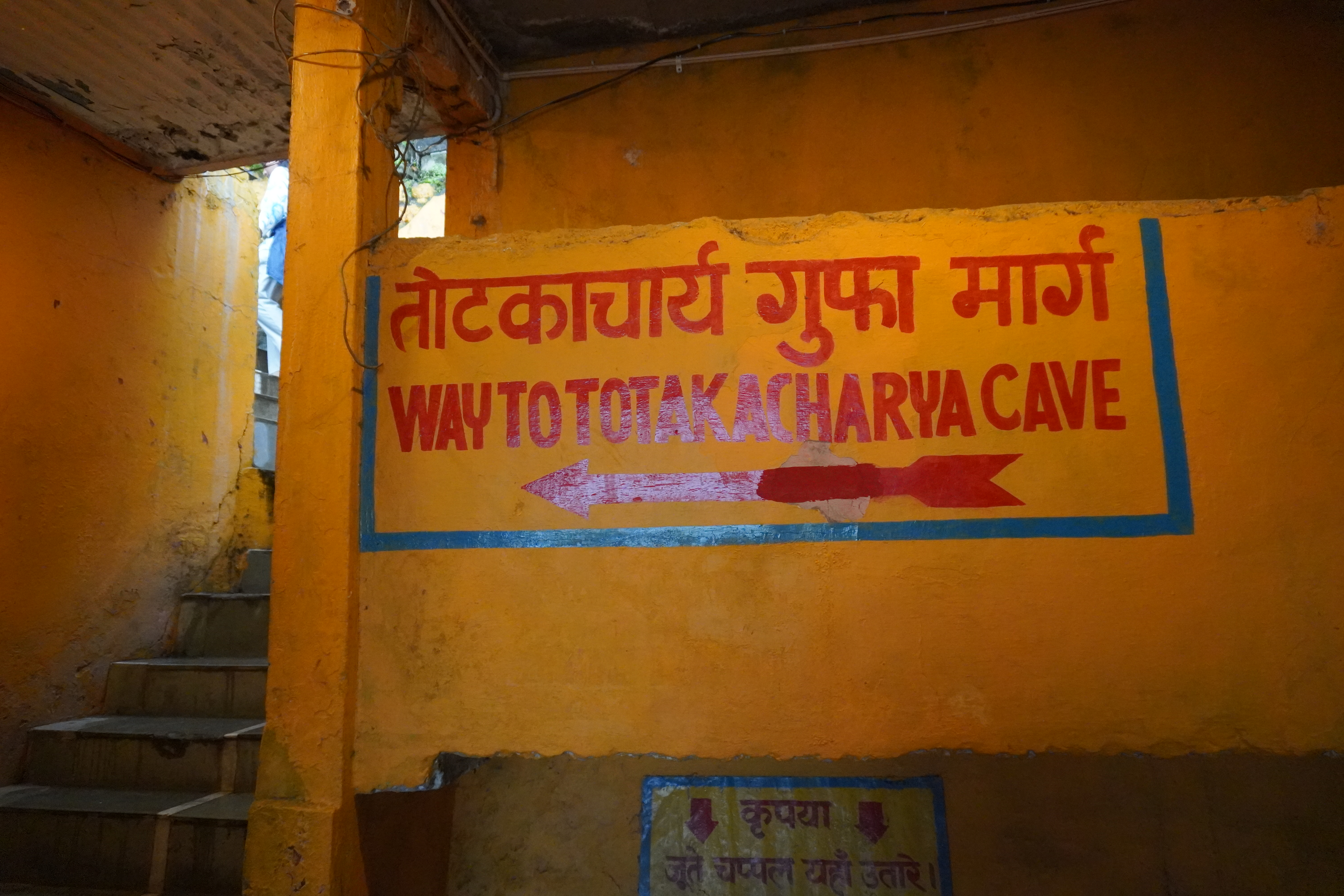
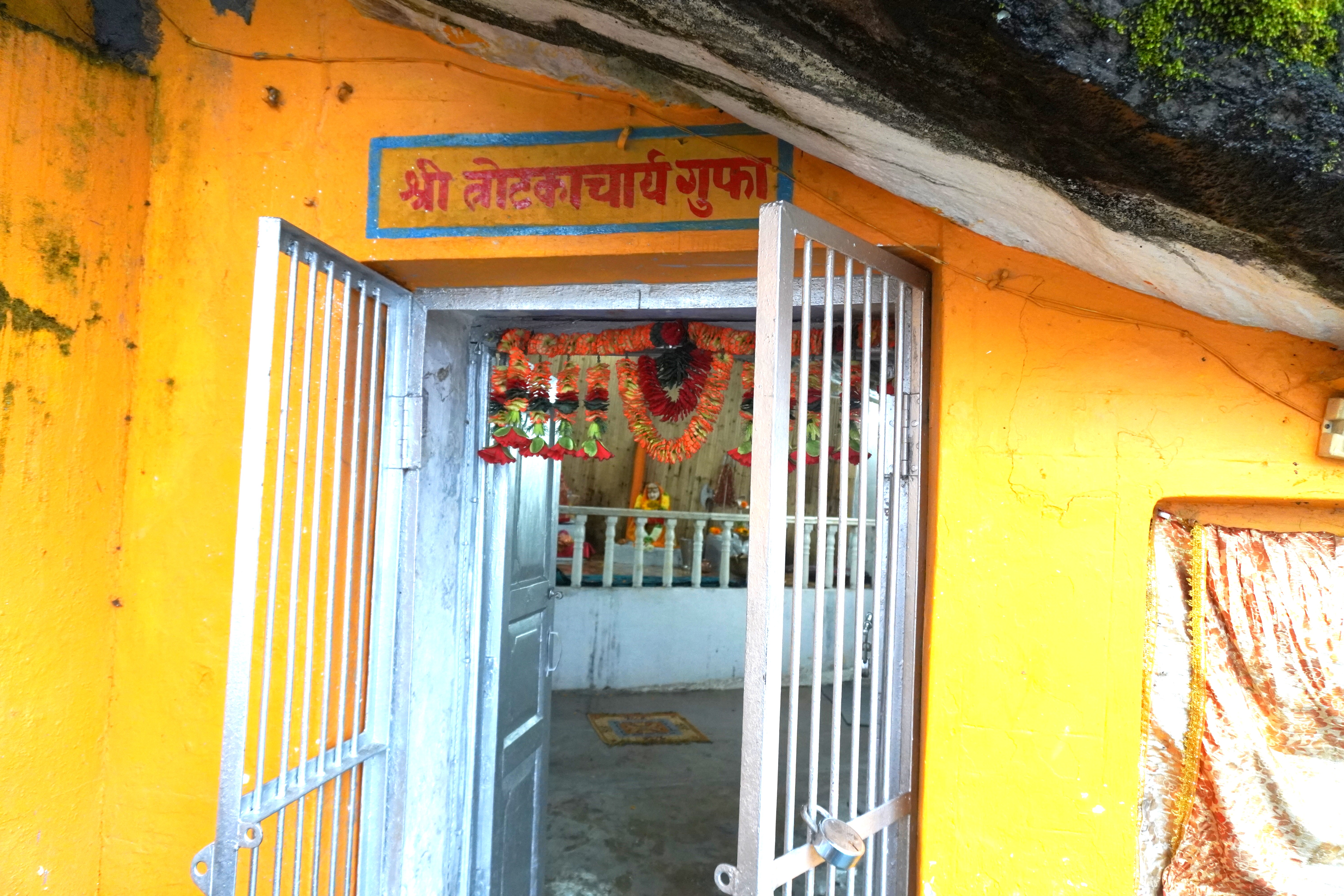
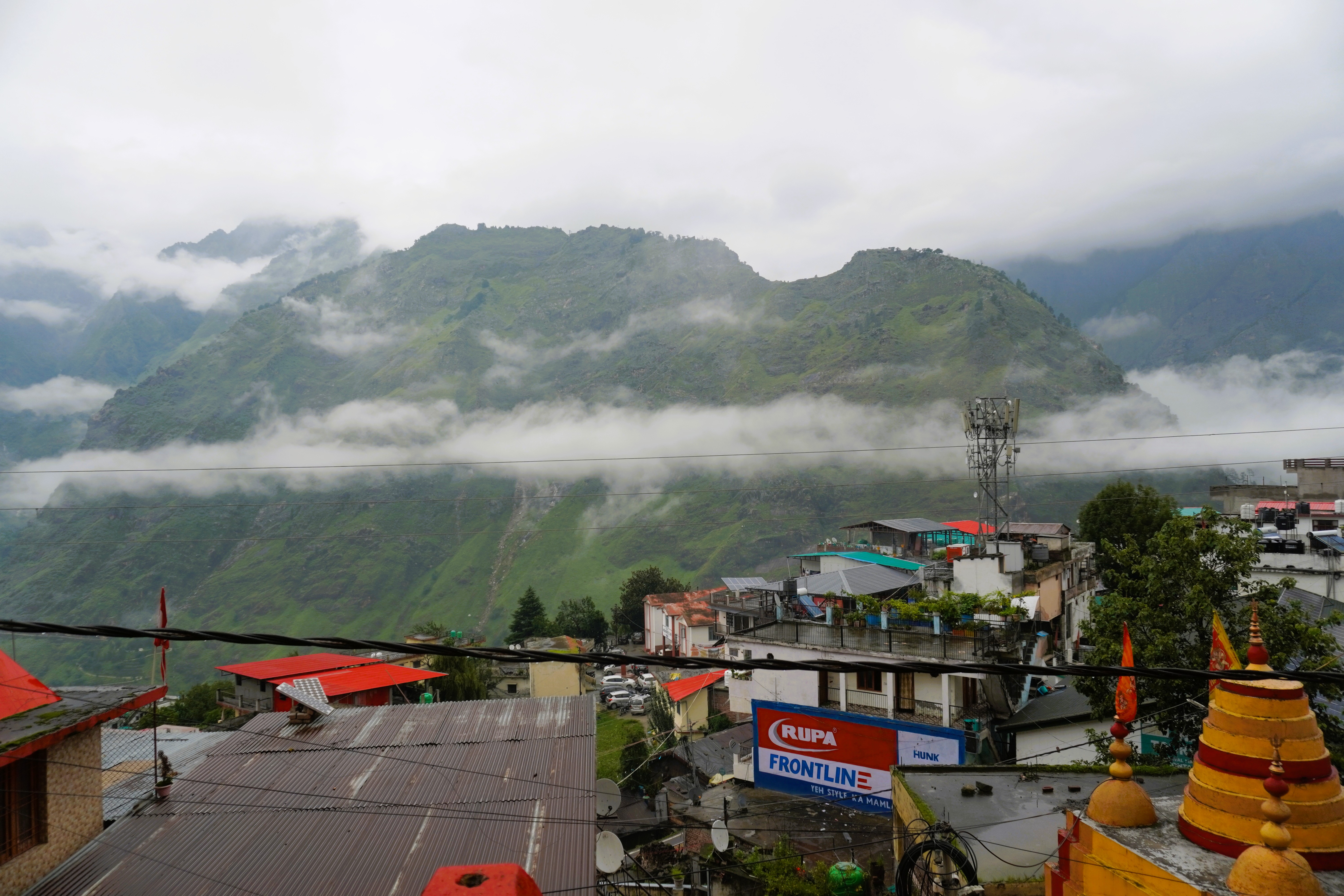
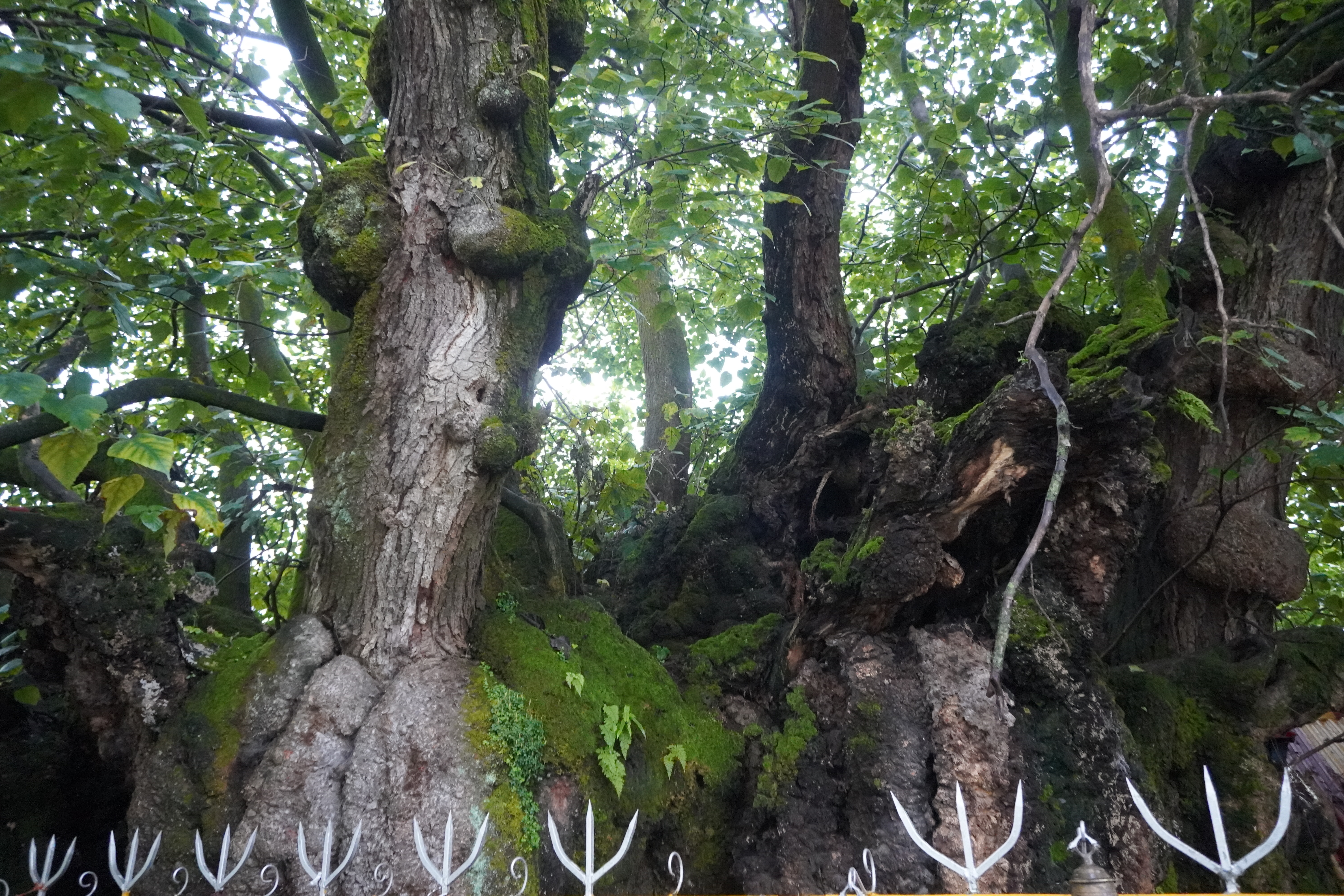
Here I was, standing before a literal, certified, thousand-year-veteran wish-granting tree, armed with every ounce of concentration I could summon, ready to manifest millions or Rupees to rain down upon me and my mind, with its usual impeccable random timing, went completely and utterly blank. Instead of drafting my financial liberation, I found myself wondering what this tree might have silently witnessed over the centuries, regimes rising and crumbling, battles fought and lost, empires reduced to footnotes, a genuinely profound line of thought for someone who had shown up with the sole intention of asking for cash. It was only after walking away that the missing millions came roaring back into memory and I mourned, dramatically and entirely too late, yet another golden opportunity squandered by my own spectacularly unhelpful brain. Somewhere in the drizzle, slowly regaining my senses from the tree-related existential crisis, I realized, I had left home without factoring in the cold or proper trekking shoes, a genuinely rookie mistake for someone on their seventh Himalayan trek, but in my defense, job chaos has a way of evicting “footwear” (& Jacket) from your packing list entirely. A shop cheerfully offered waterproof shoes for ₹12,000, a price at which my feet decided they would rather just be cold and poor. I declined, exited with both dignity and wallet intact and left Aditi behind, who emerged triumphant with two tops she had fallen in love with. Further down the road, salvation appeared in the form of plain rubber boots, I had same ones but with woollen-lined ones which I had sworn by on past snow treks, but going for this at a very democratic price of ₹400 seemed okay. All three of us bought a pair. Dinner, sleep and up again at 4:30 AM, because apparently the mountain doesn’t care about your shoe crisis.
Govindghat to Ghangaria: The Trek Finally Starts
After a short bus ride to Govindghat, we took a 10-minute jeep (₹800) along the motorable stretch to Pulna, technically trekable, but not recommended unless you enjoy extra kilometres for sport. At Pulna, porters swarmed in offering to carry excess luggage on horses or as headloads (“pithus”) up to Ghangaria, the base for both the Valley of Flowers and Hemkund Sahib treks, roughly 9 km away. Bags went for about ₹500 each.
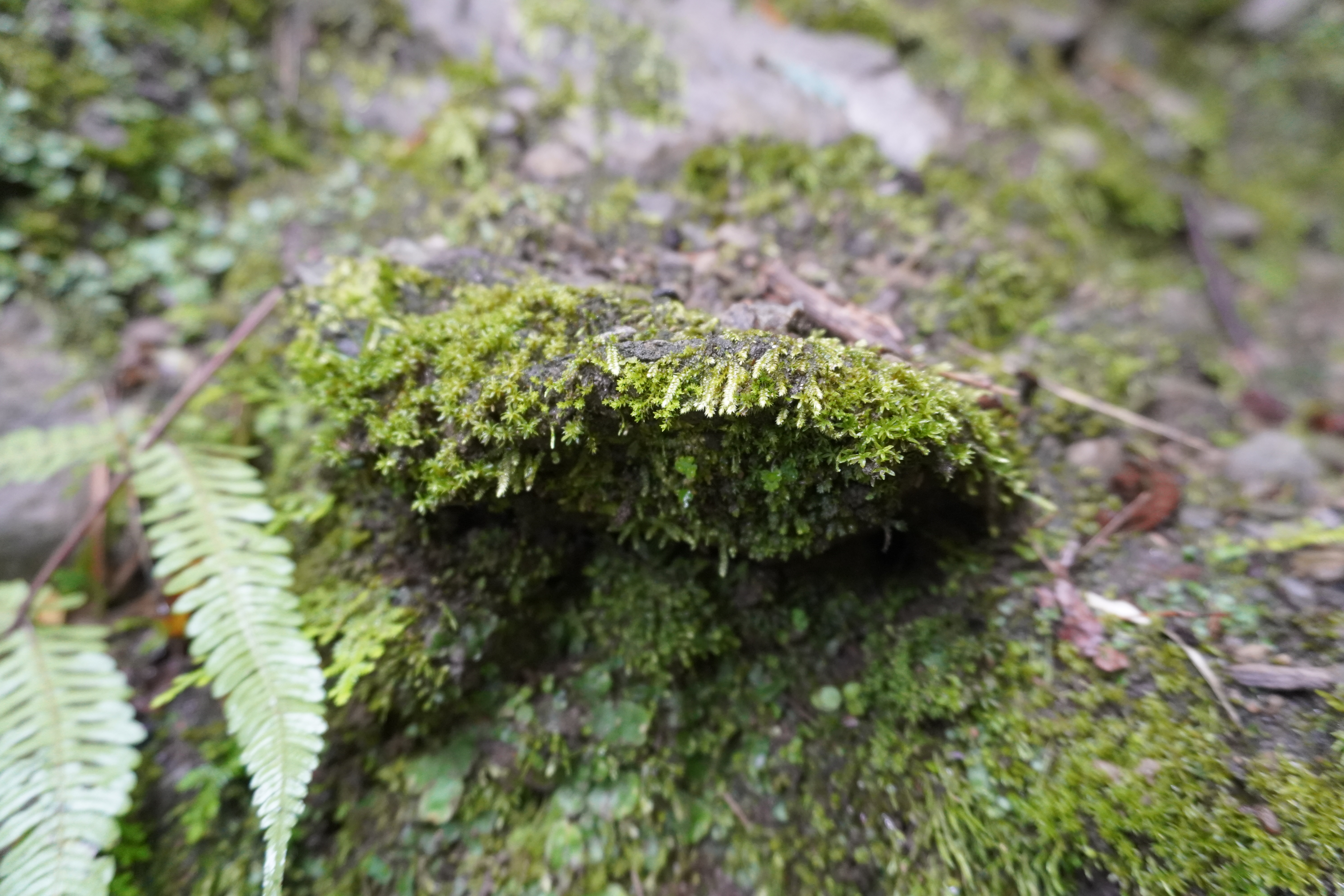
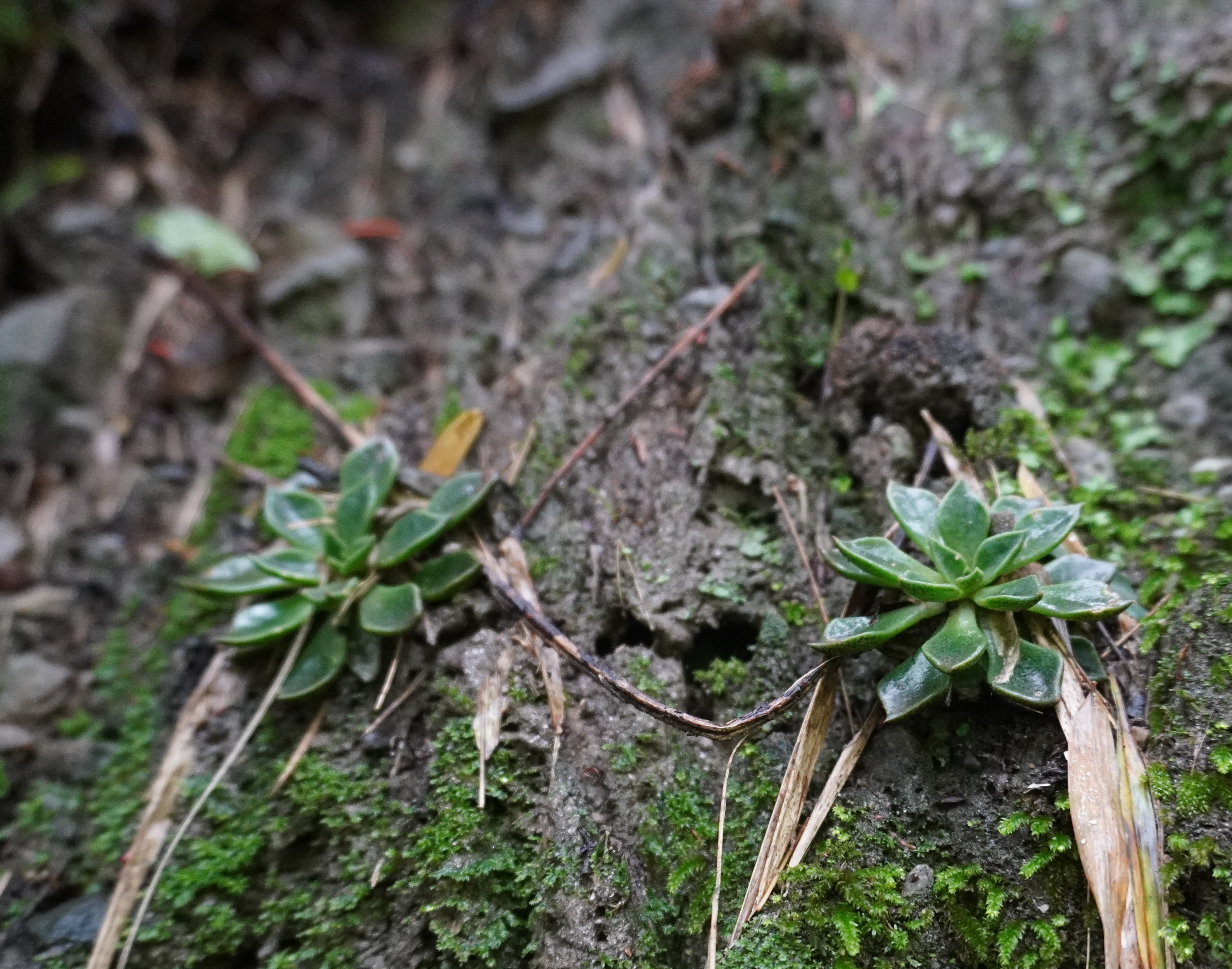
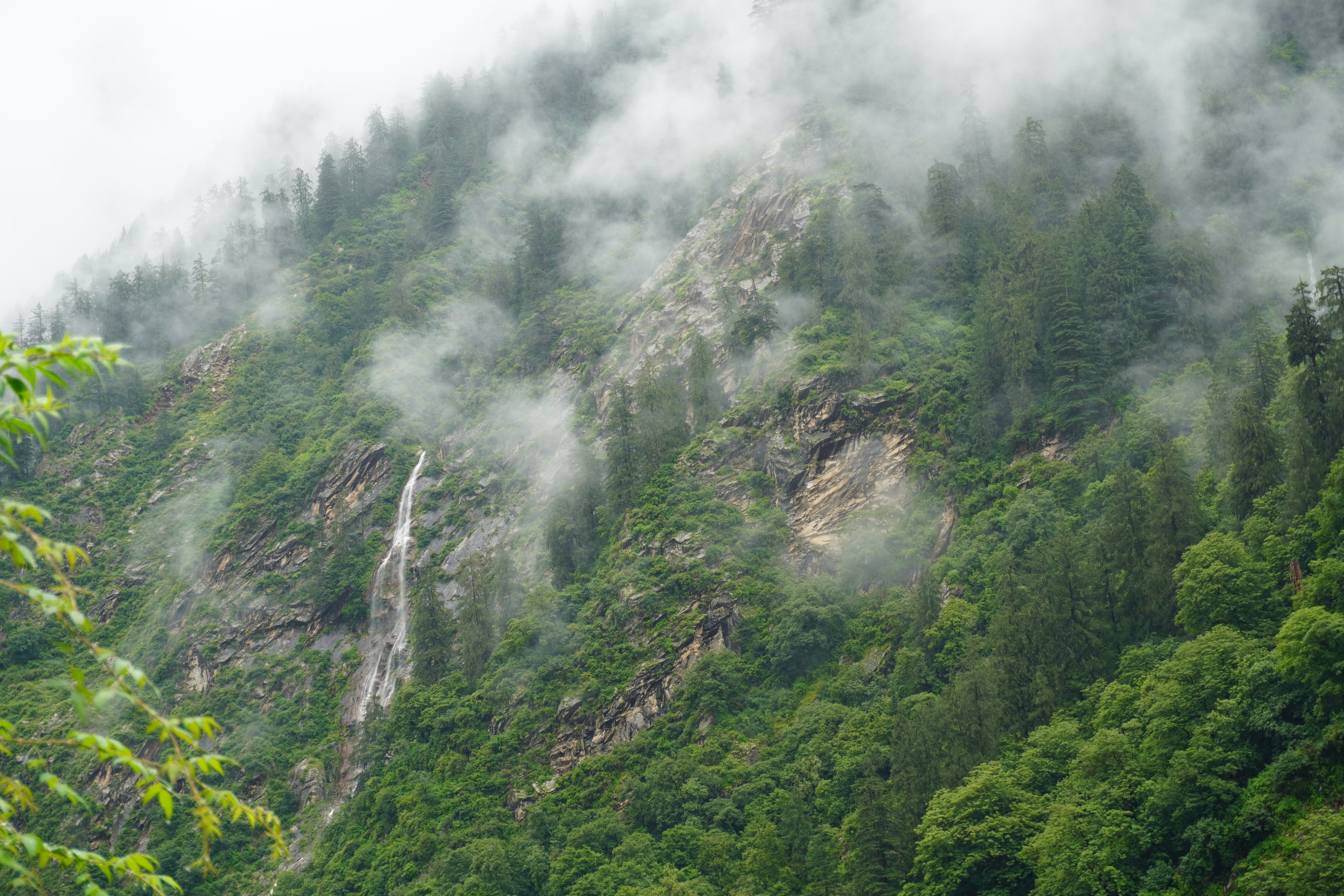
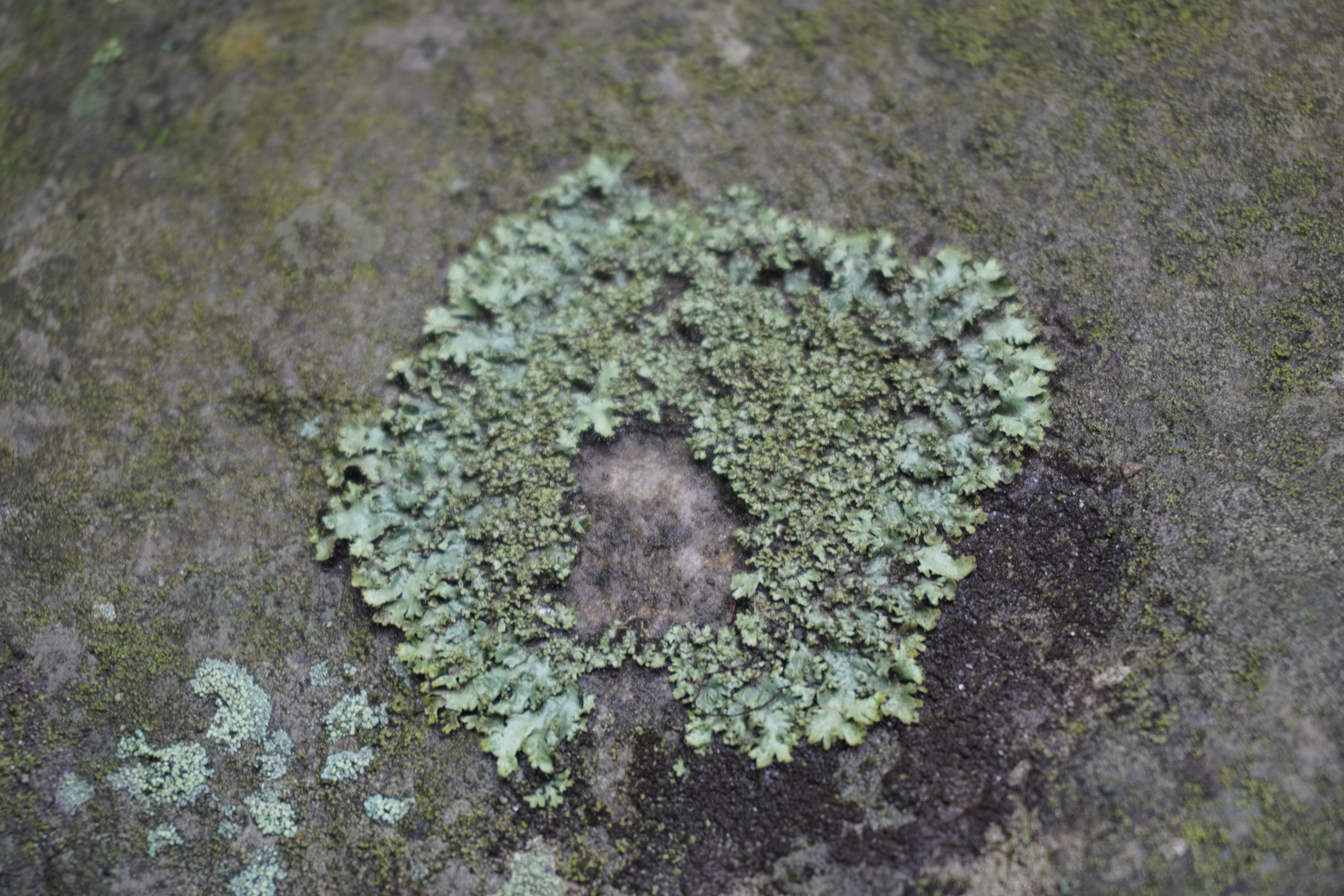
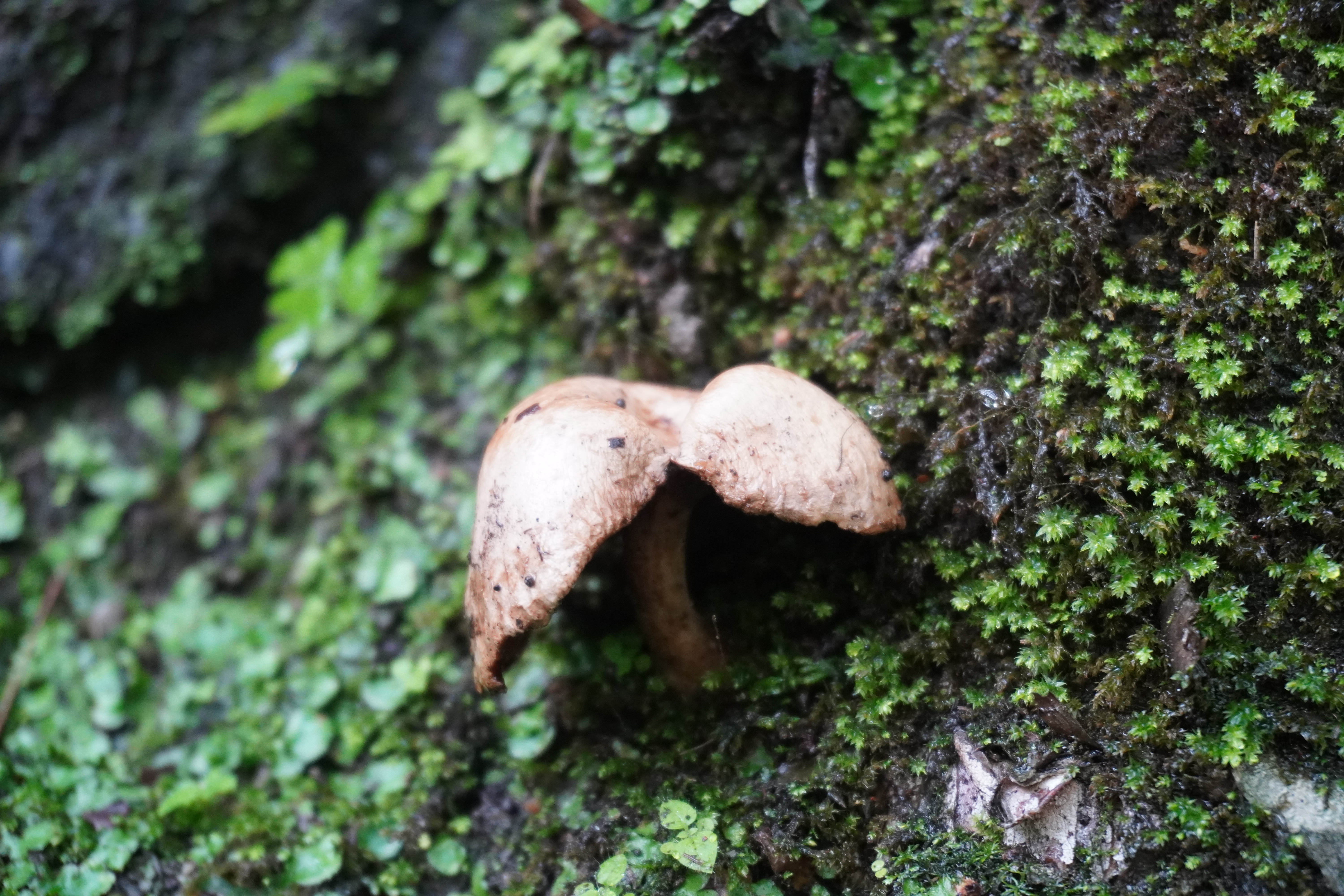
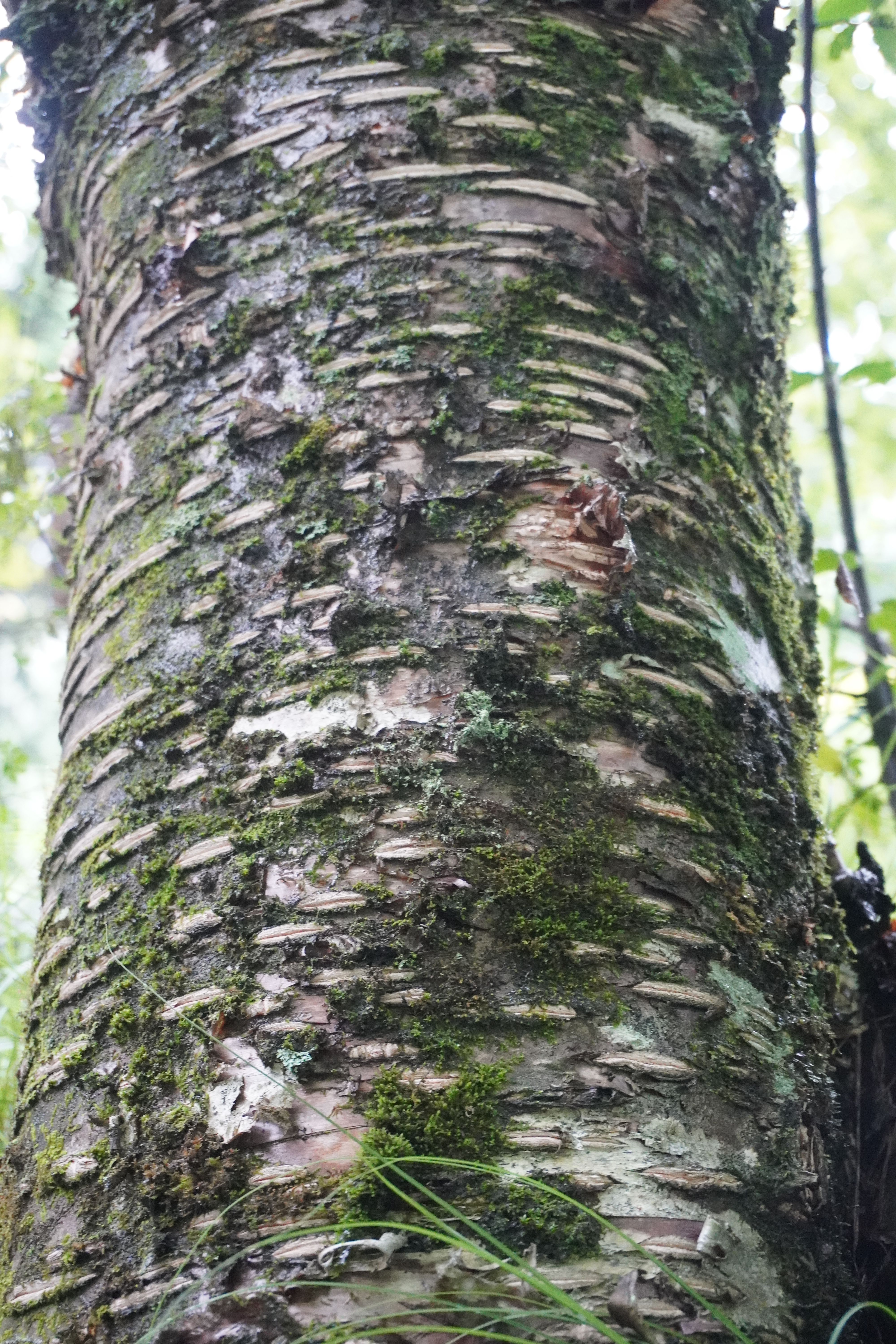
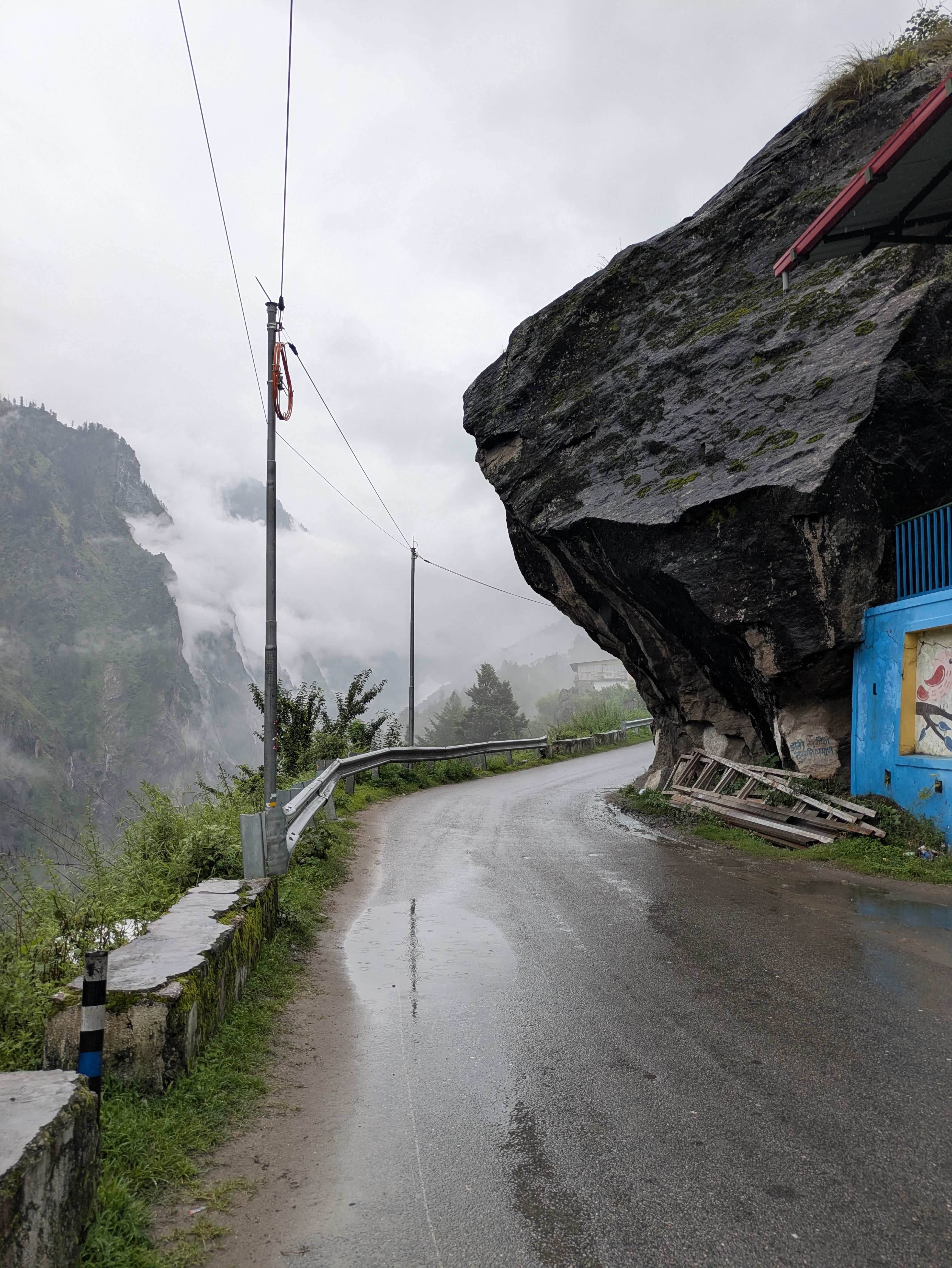
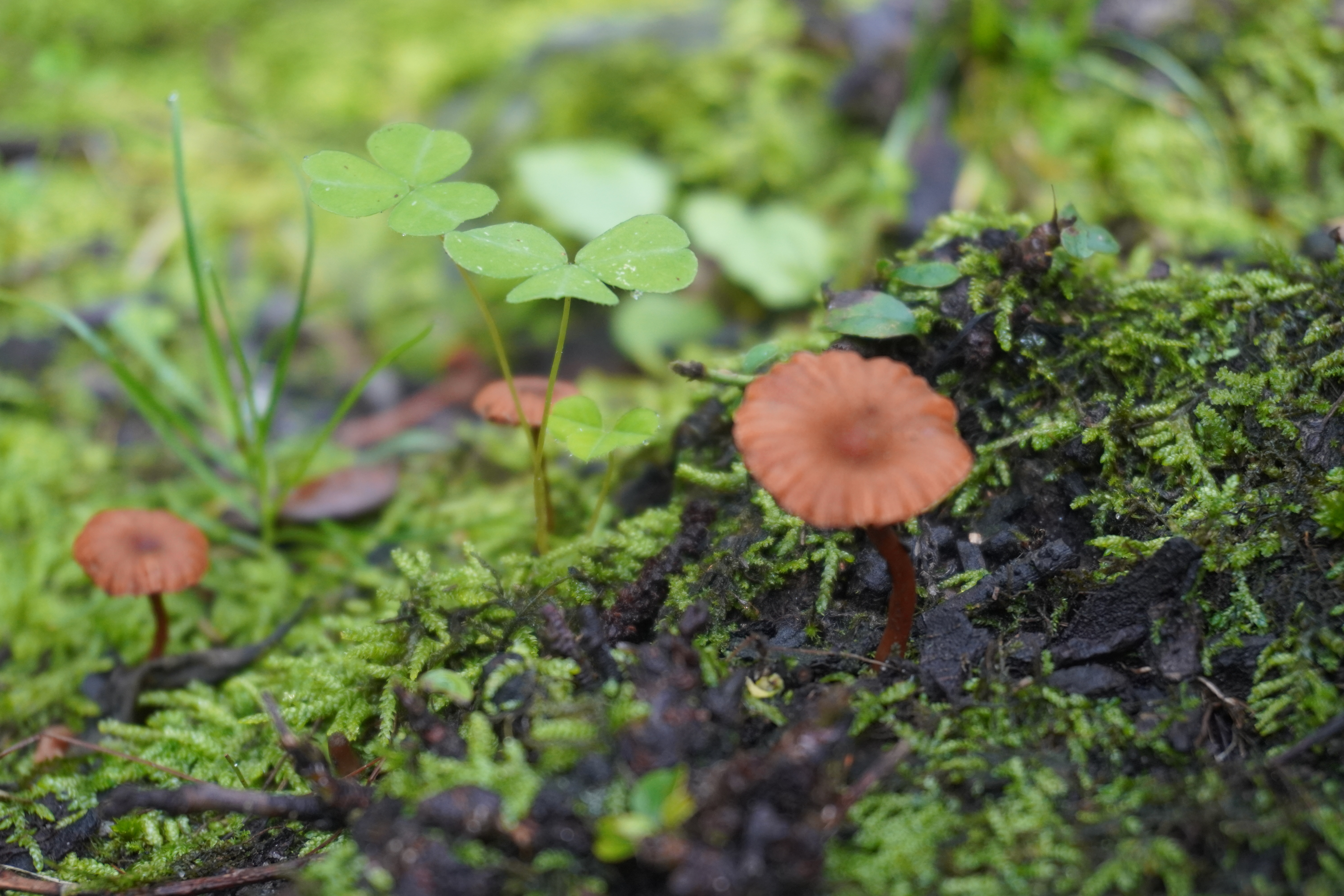
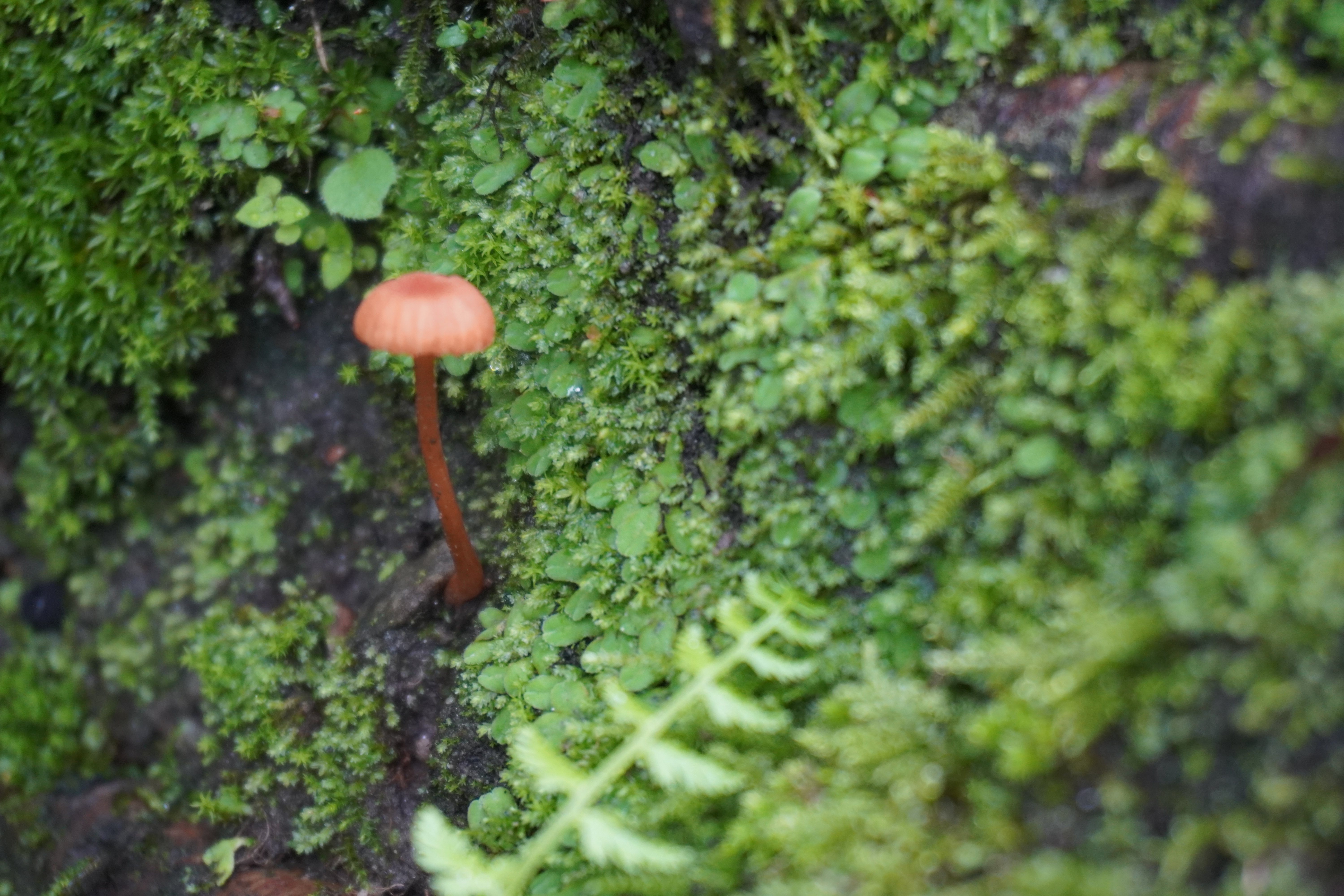
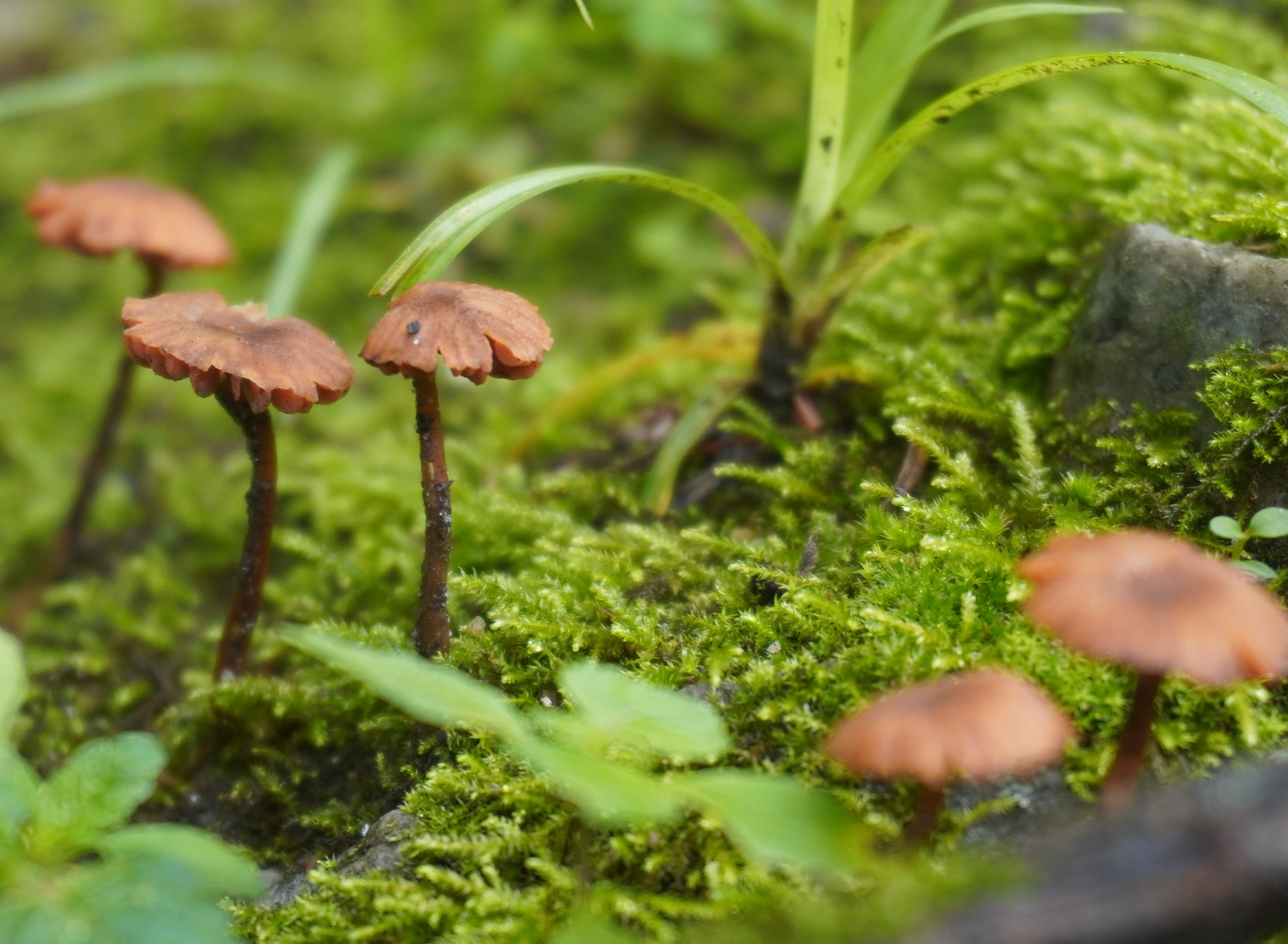
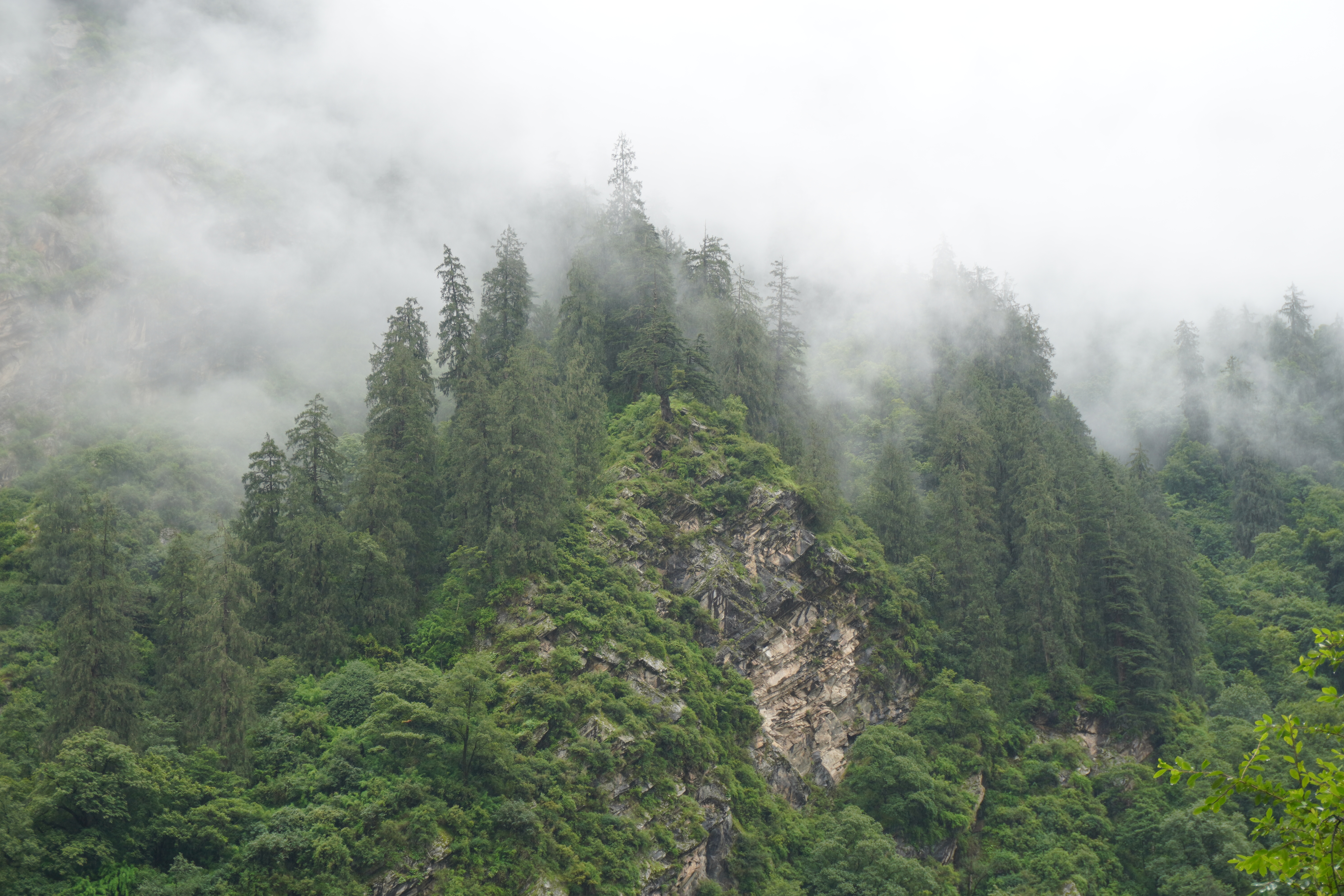
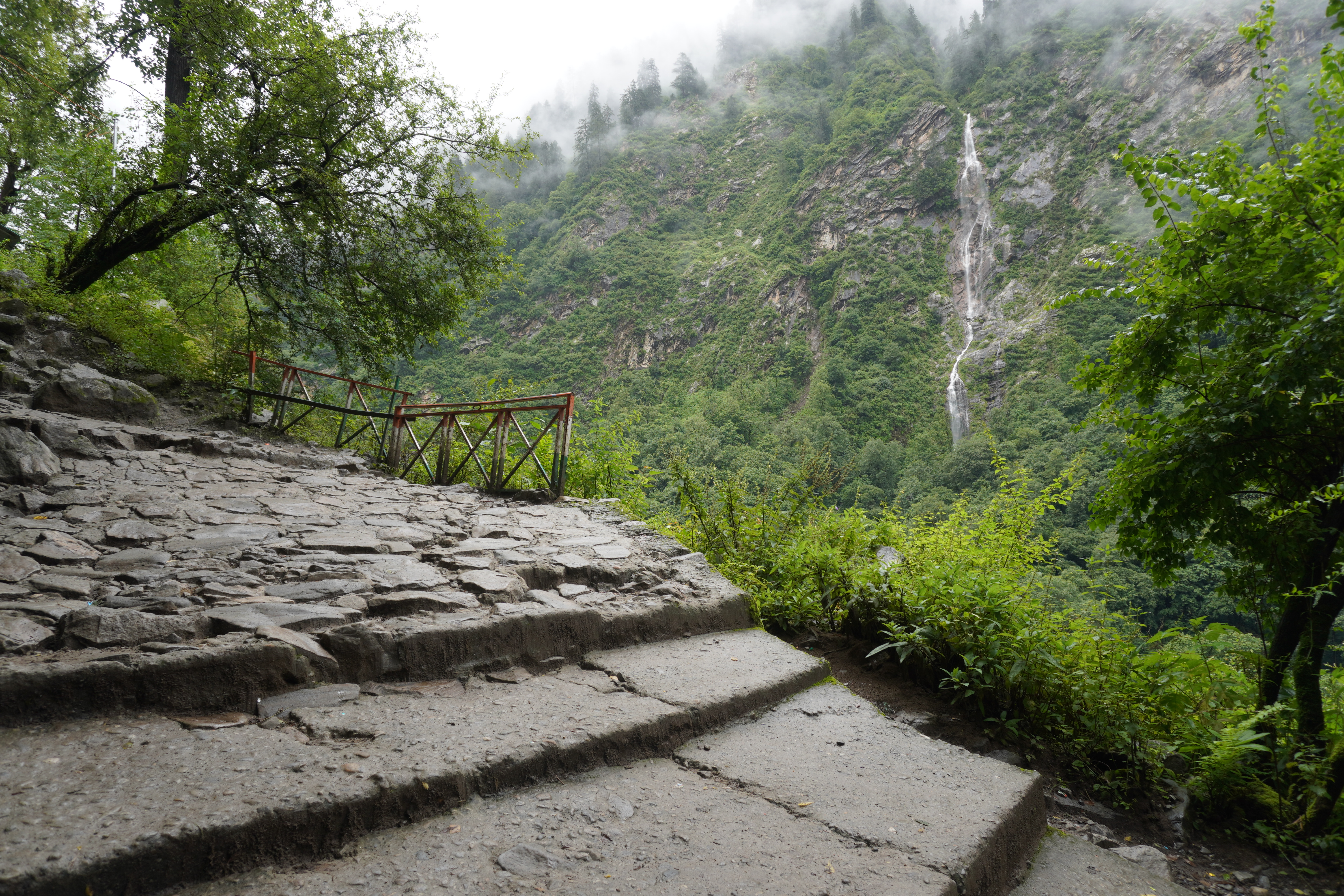
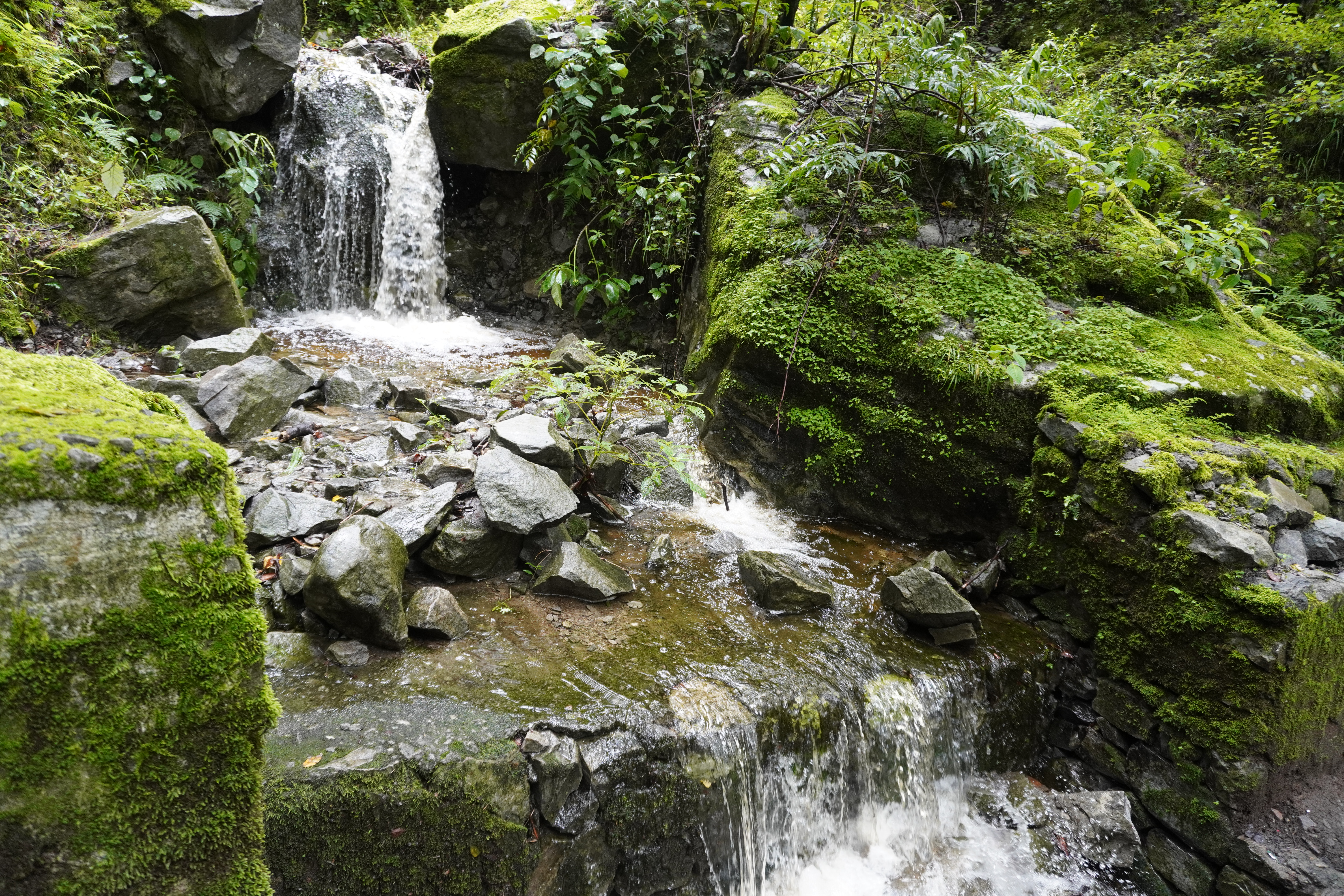
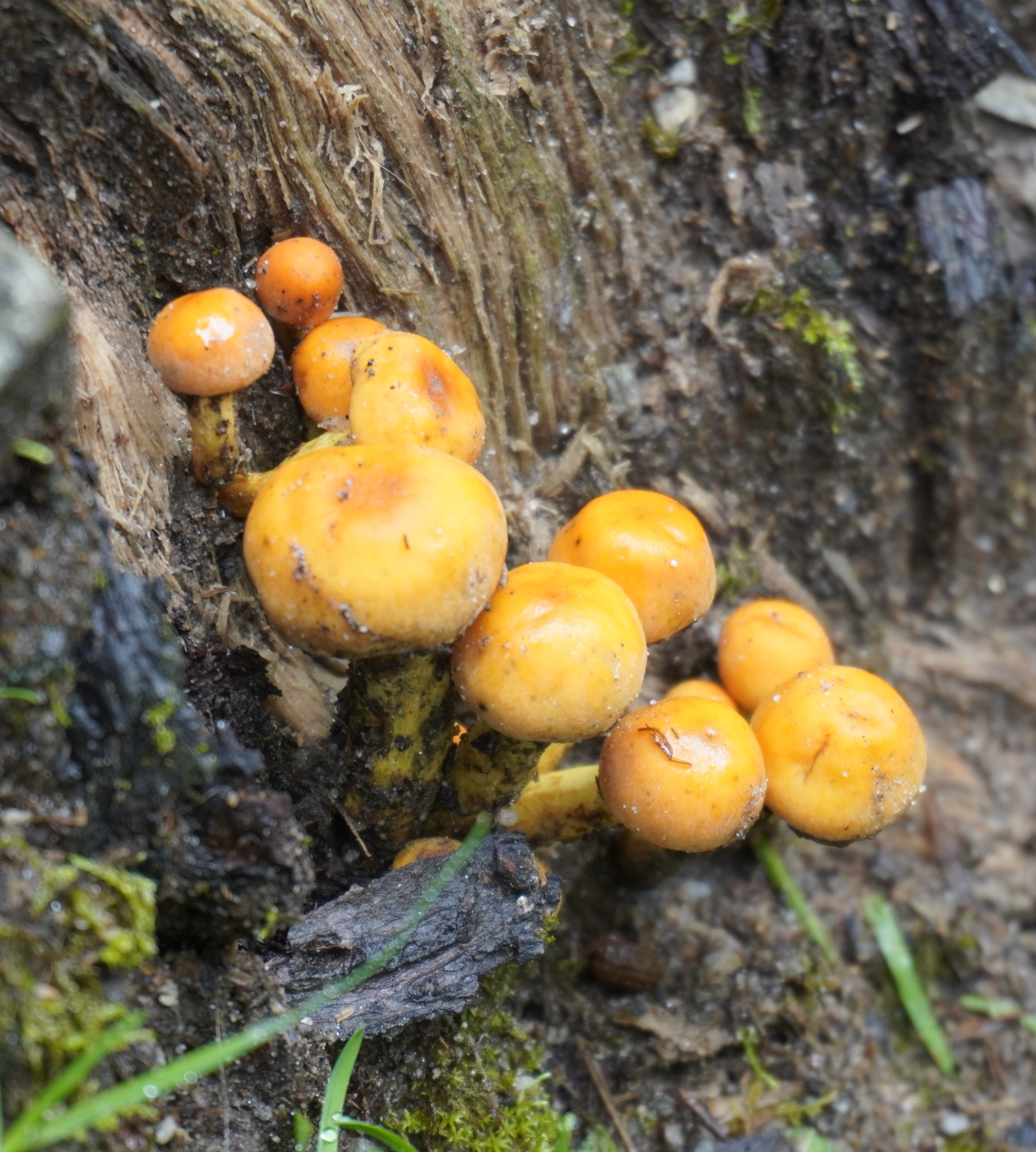
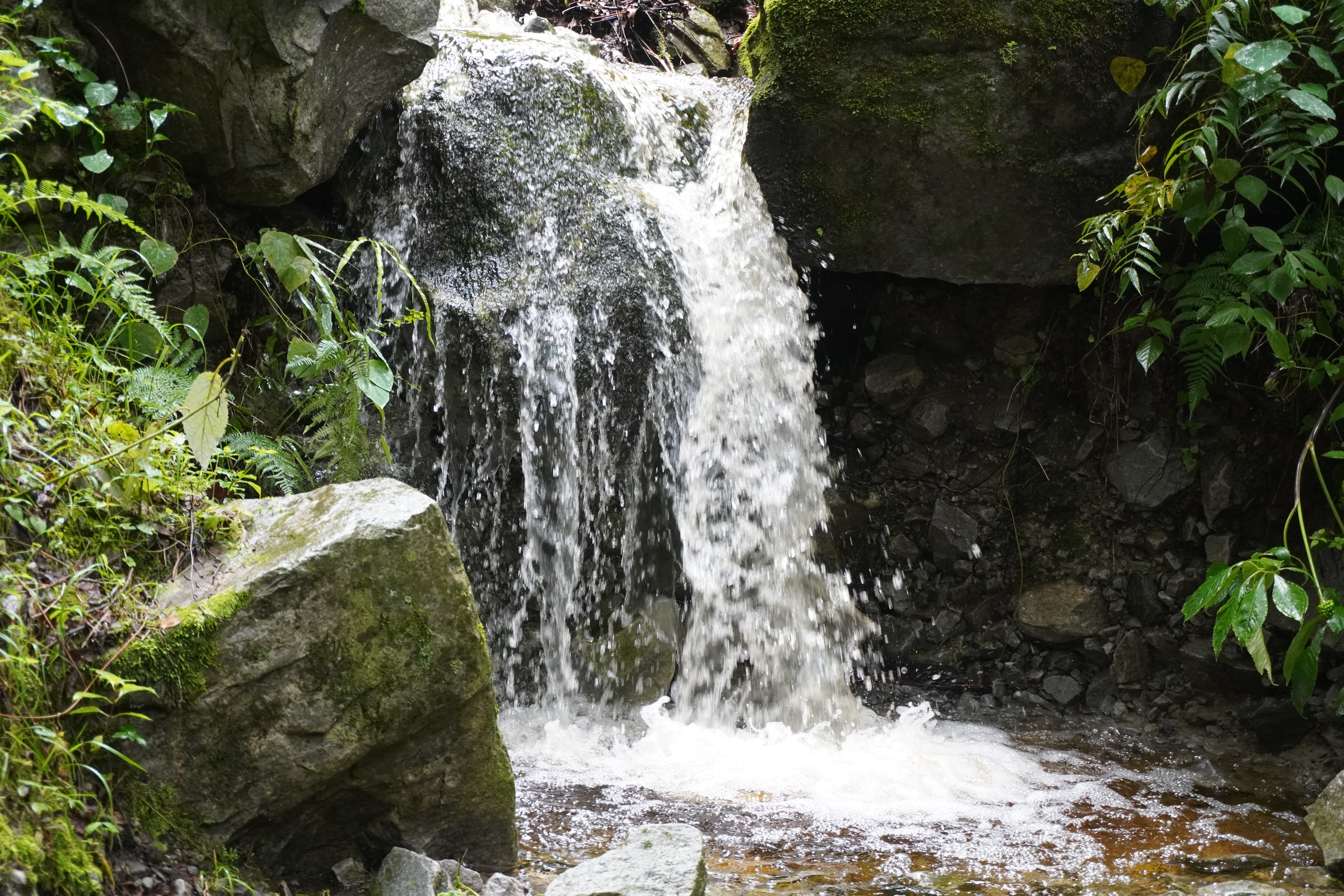
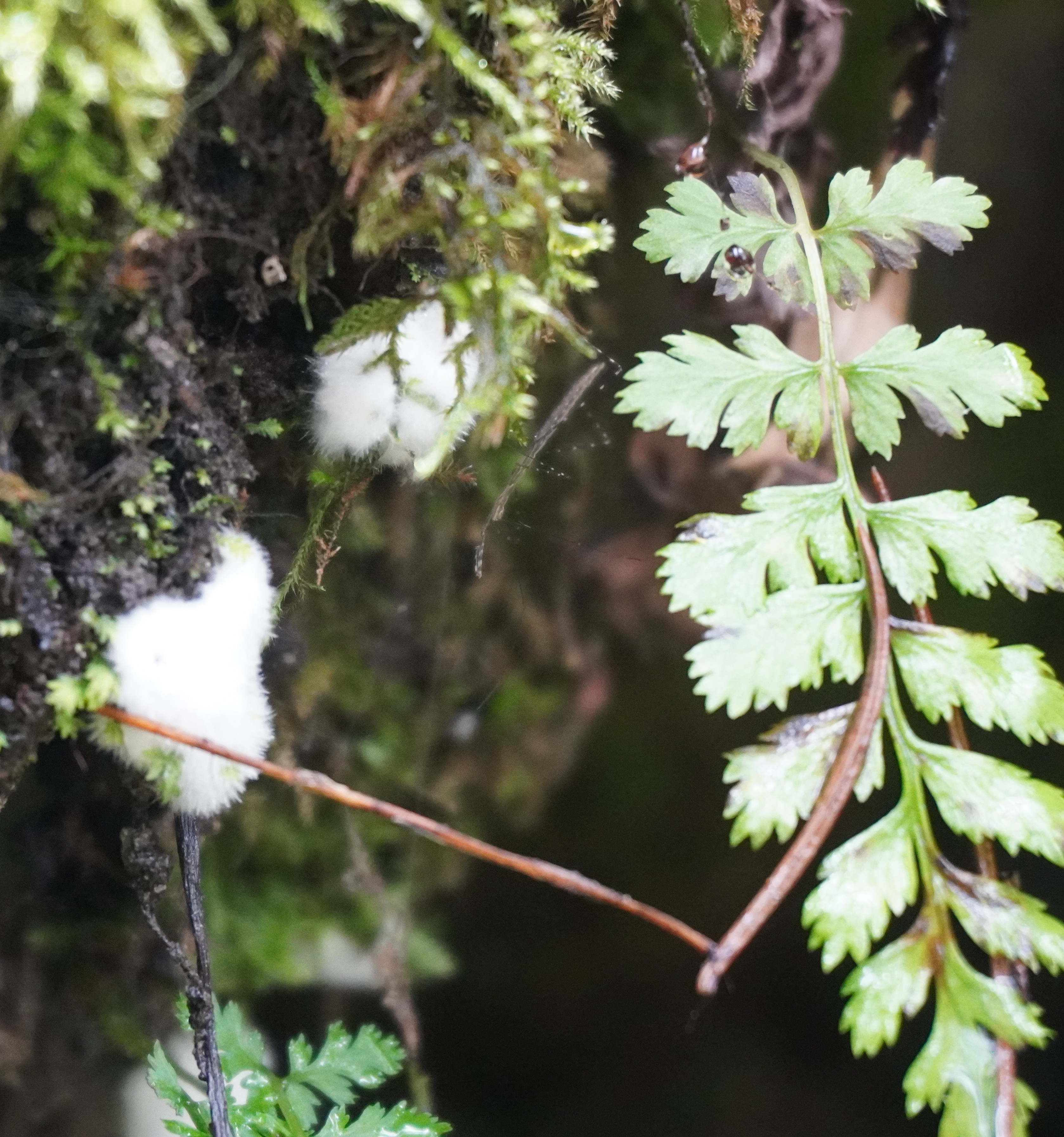
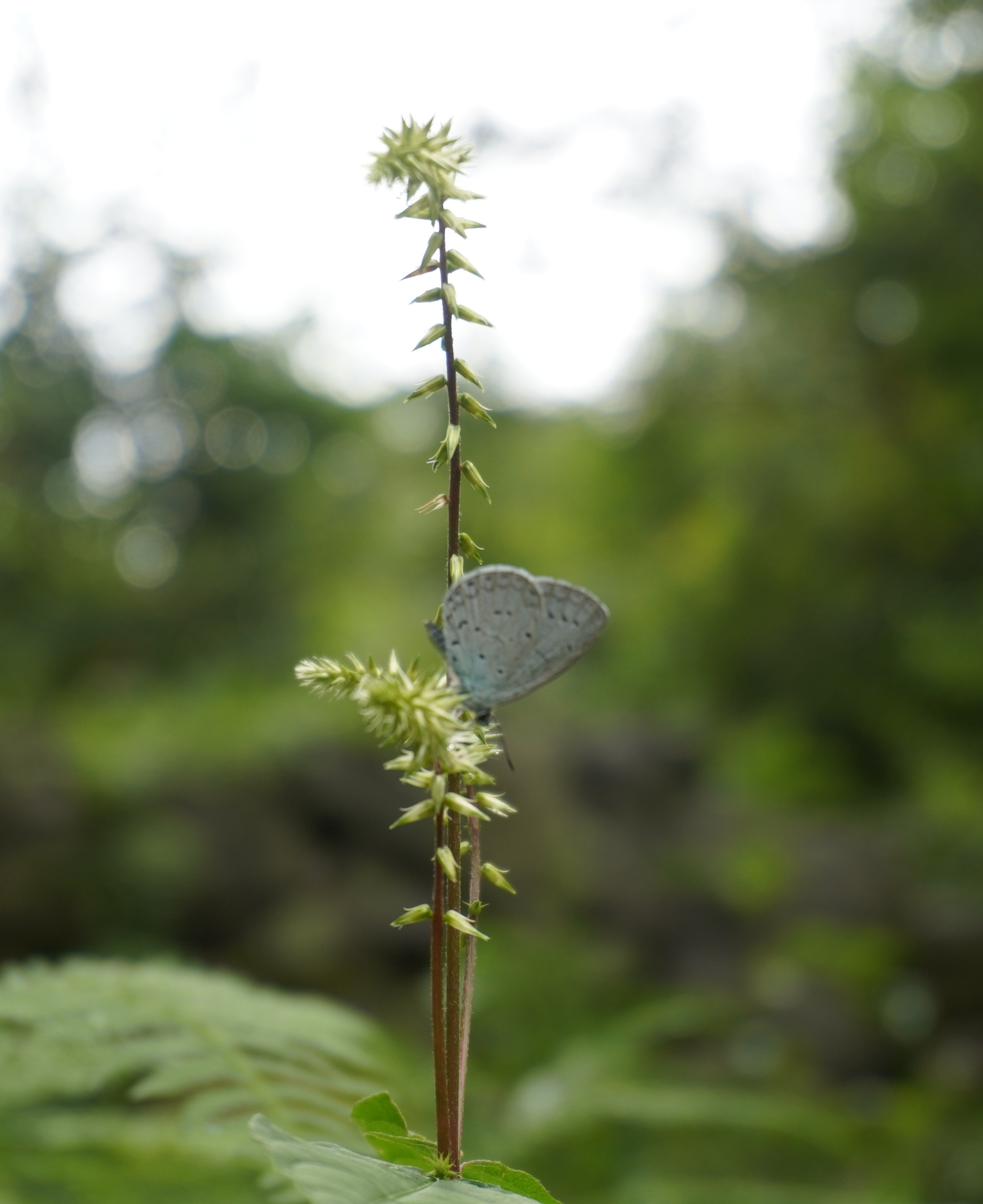
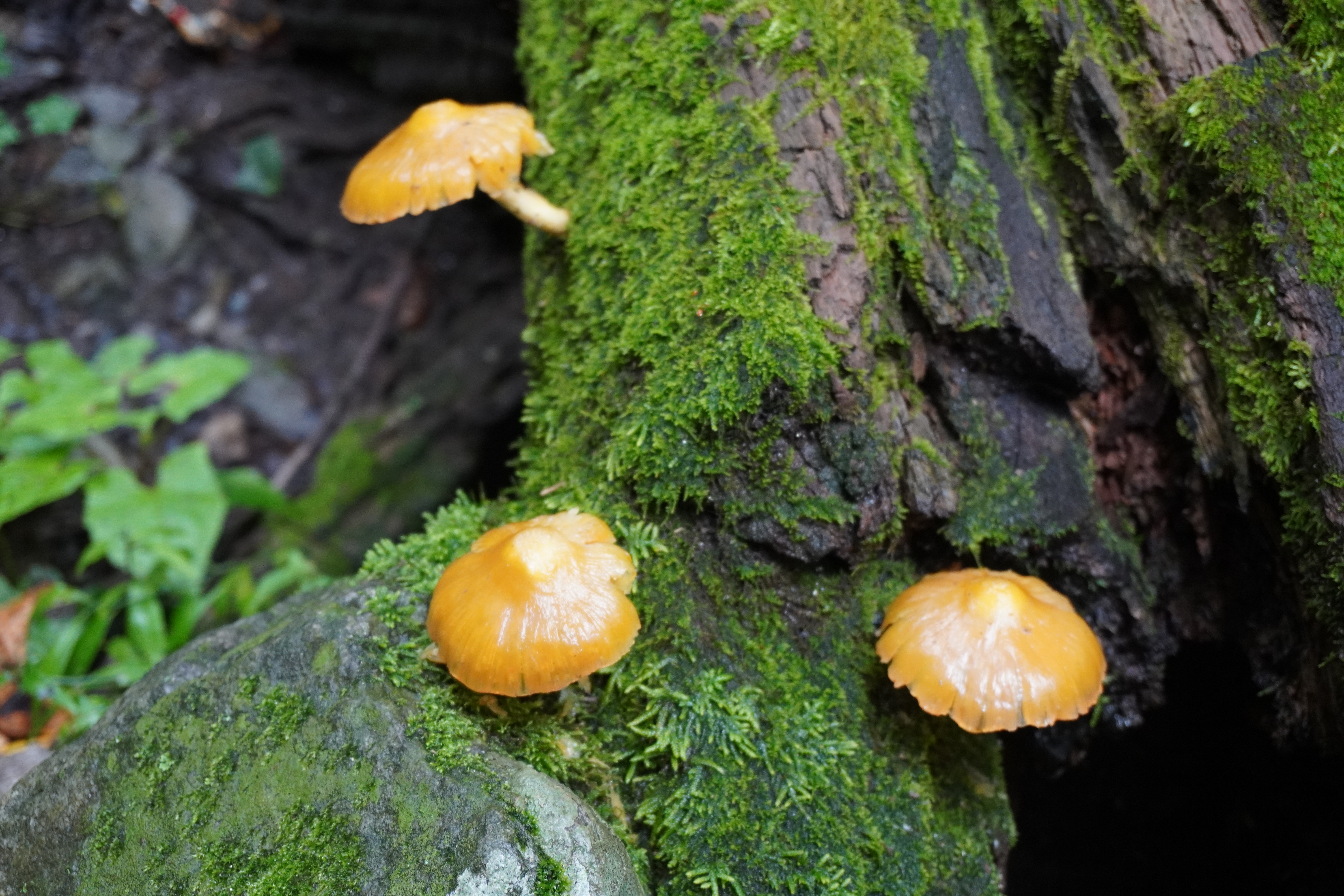
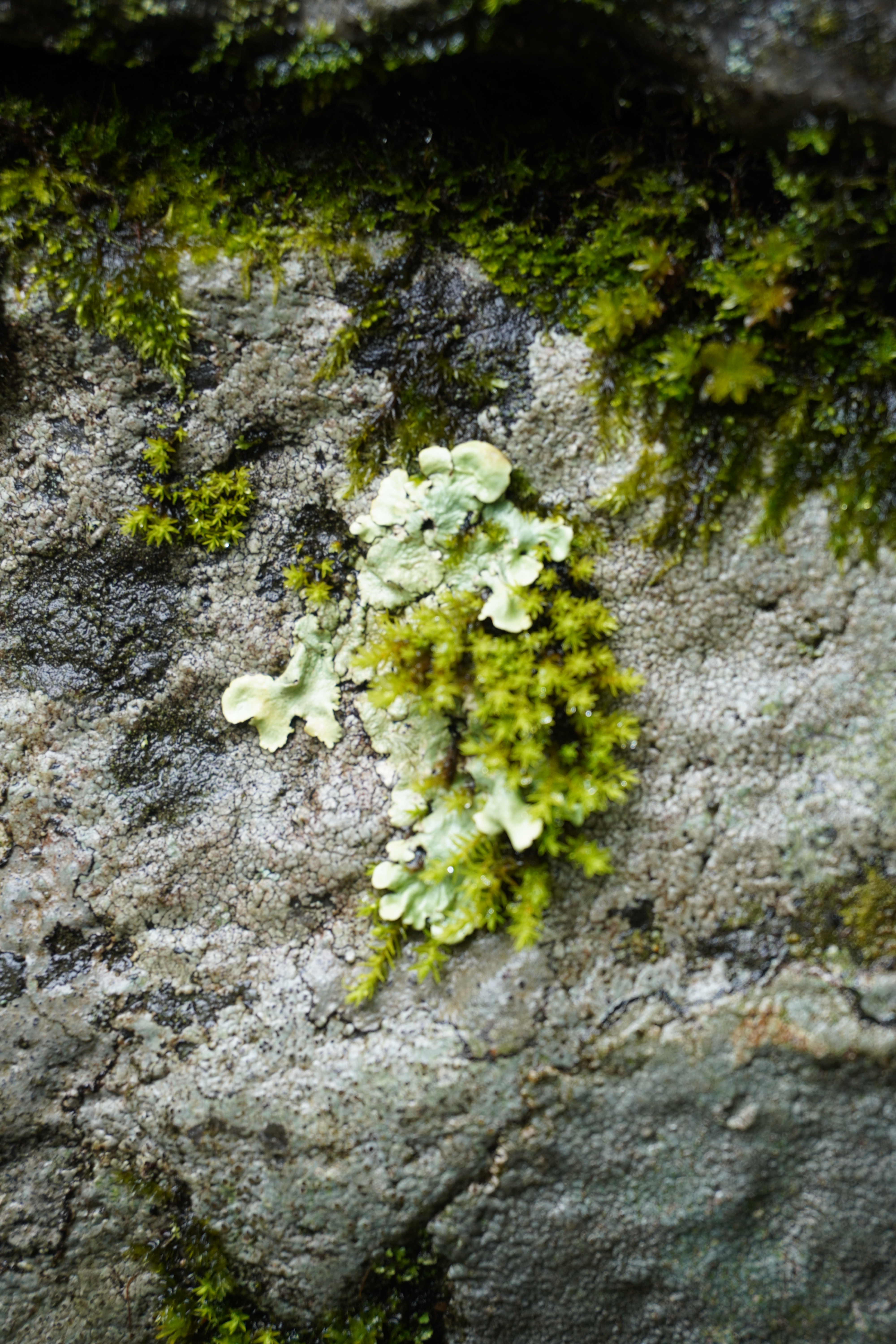
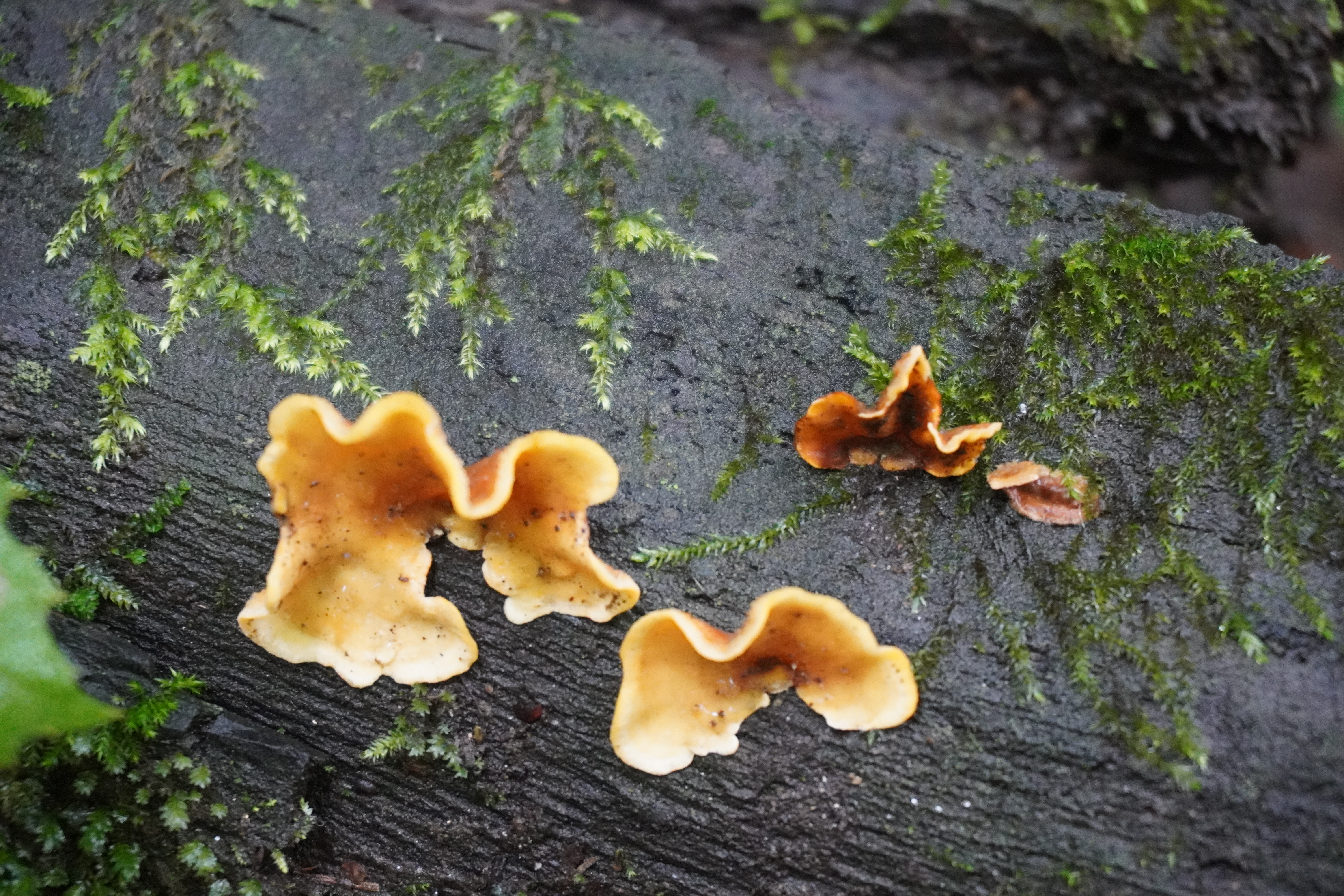
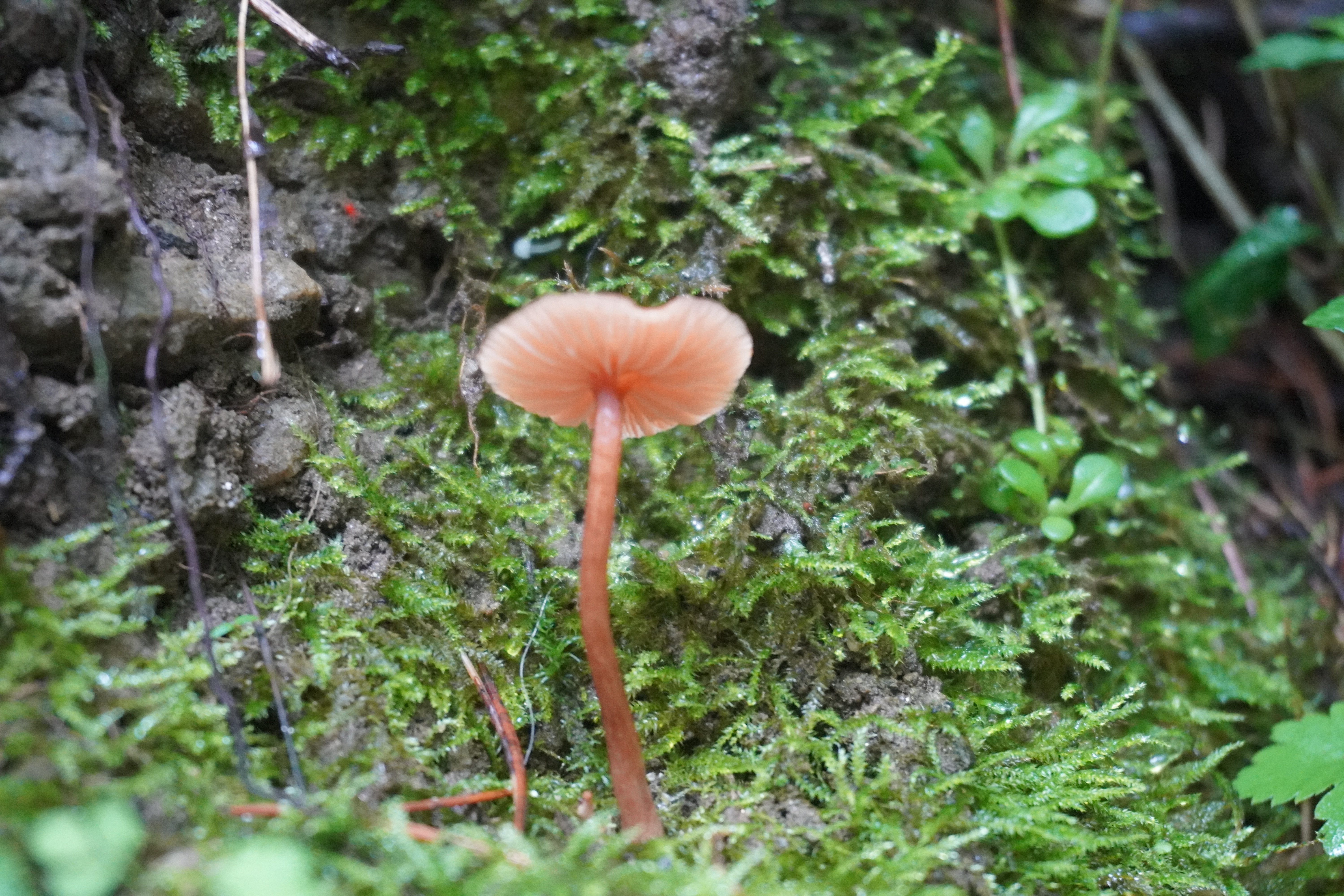
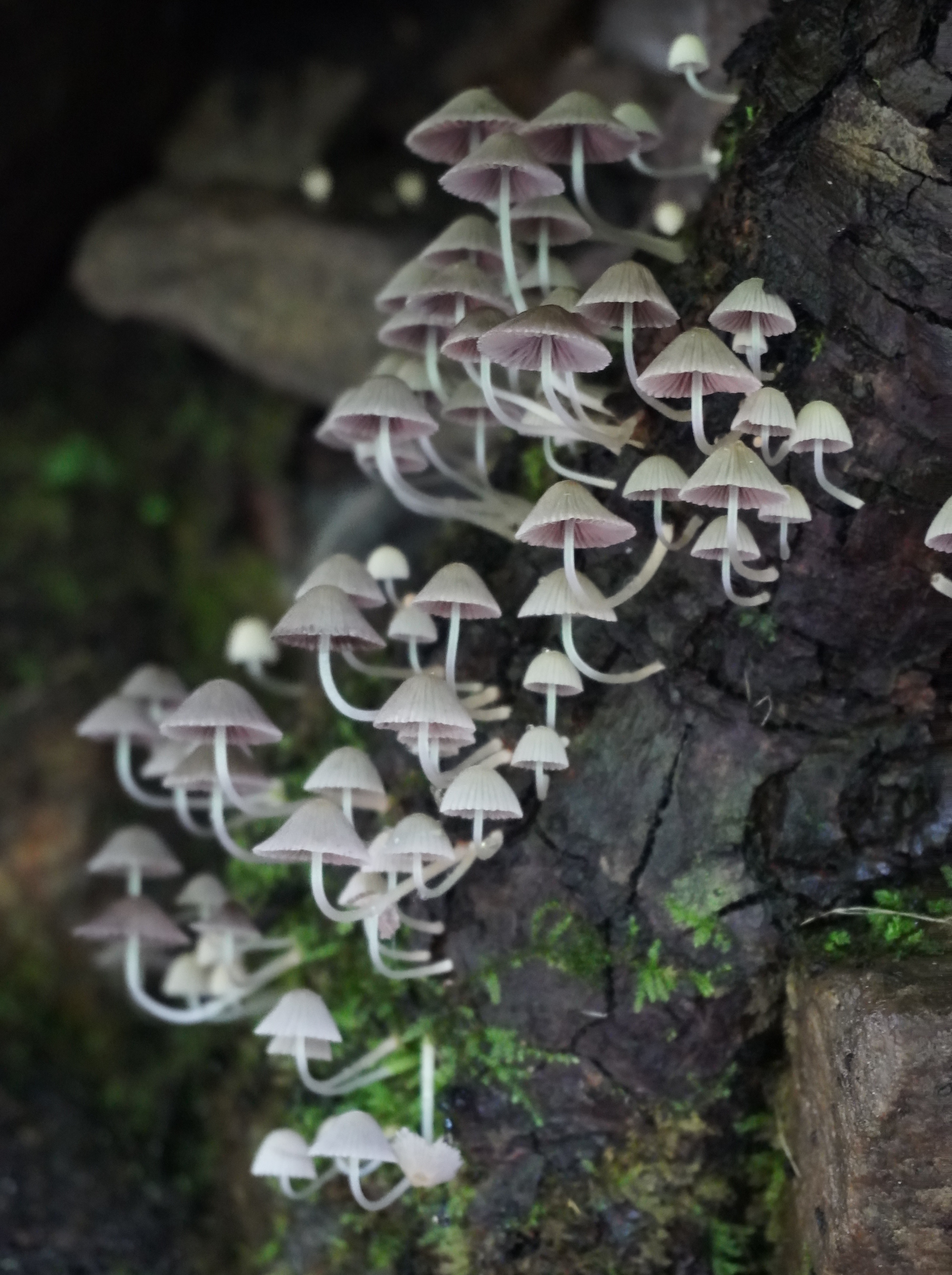
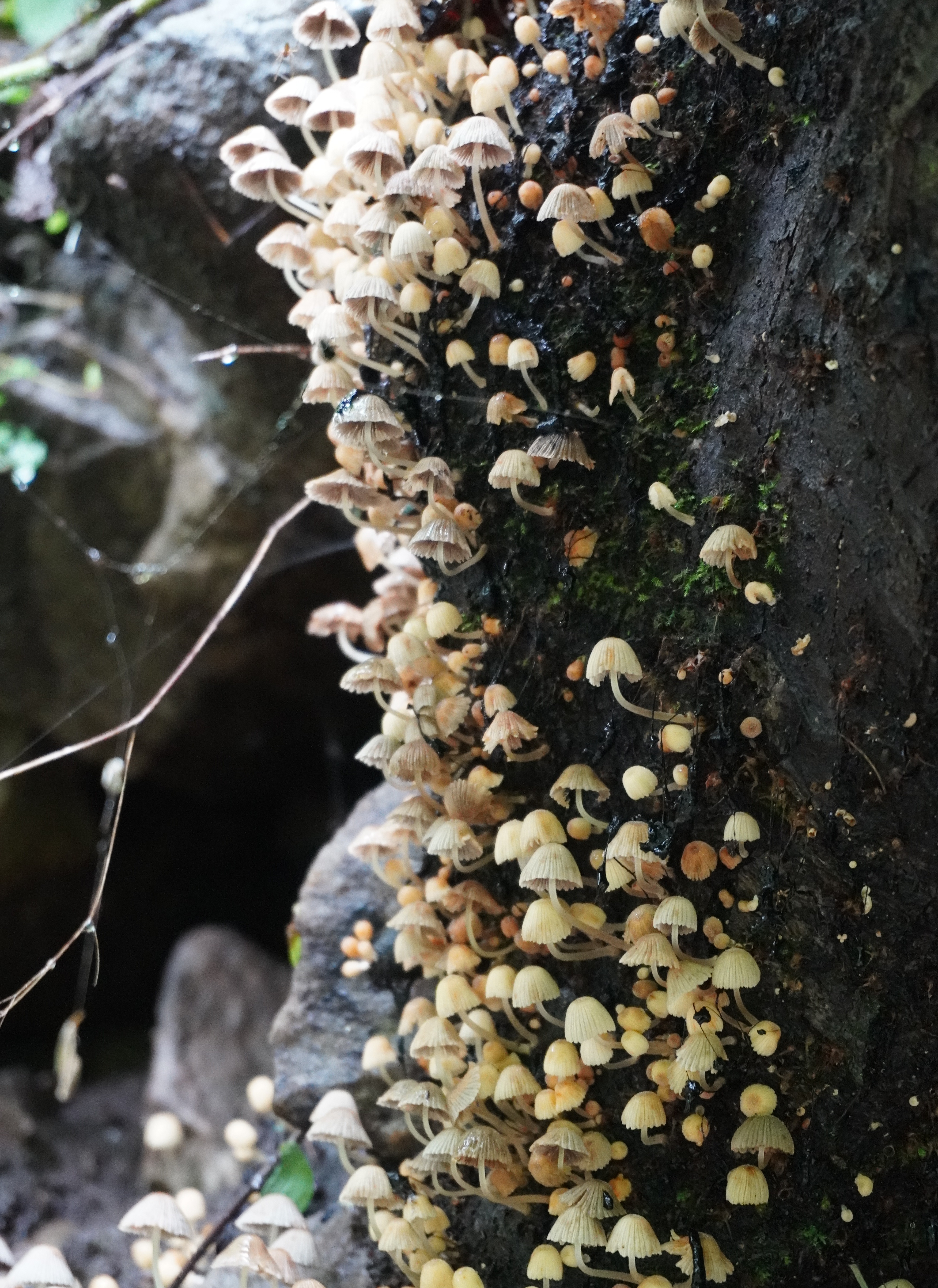
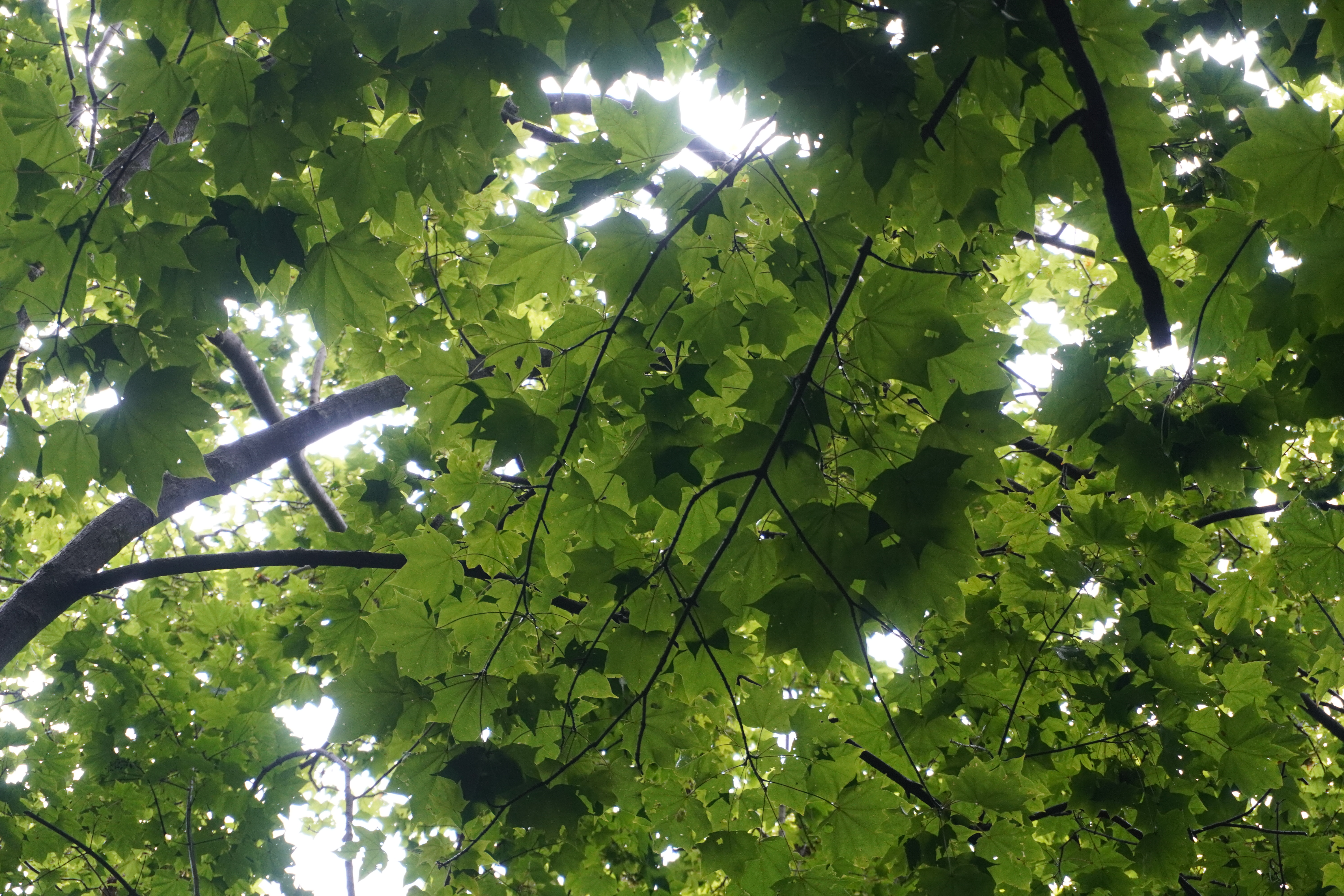
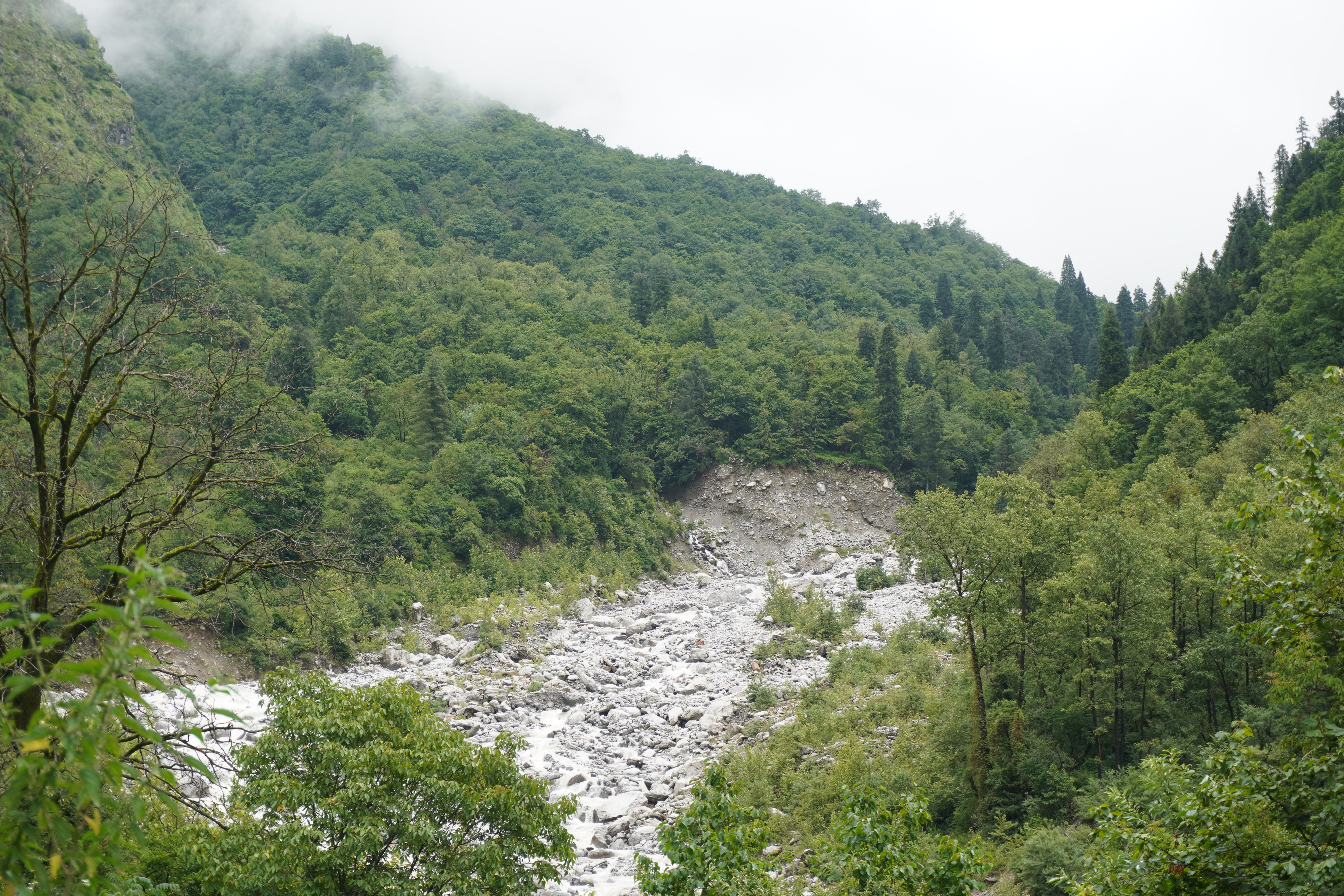
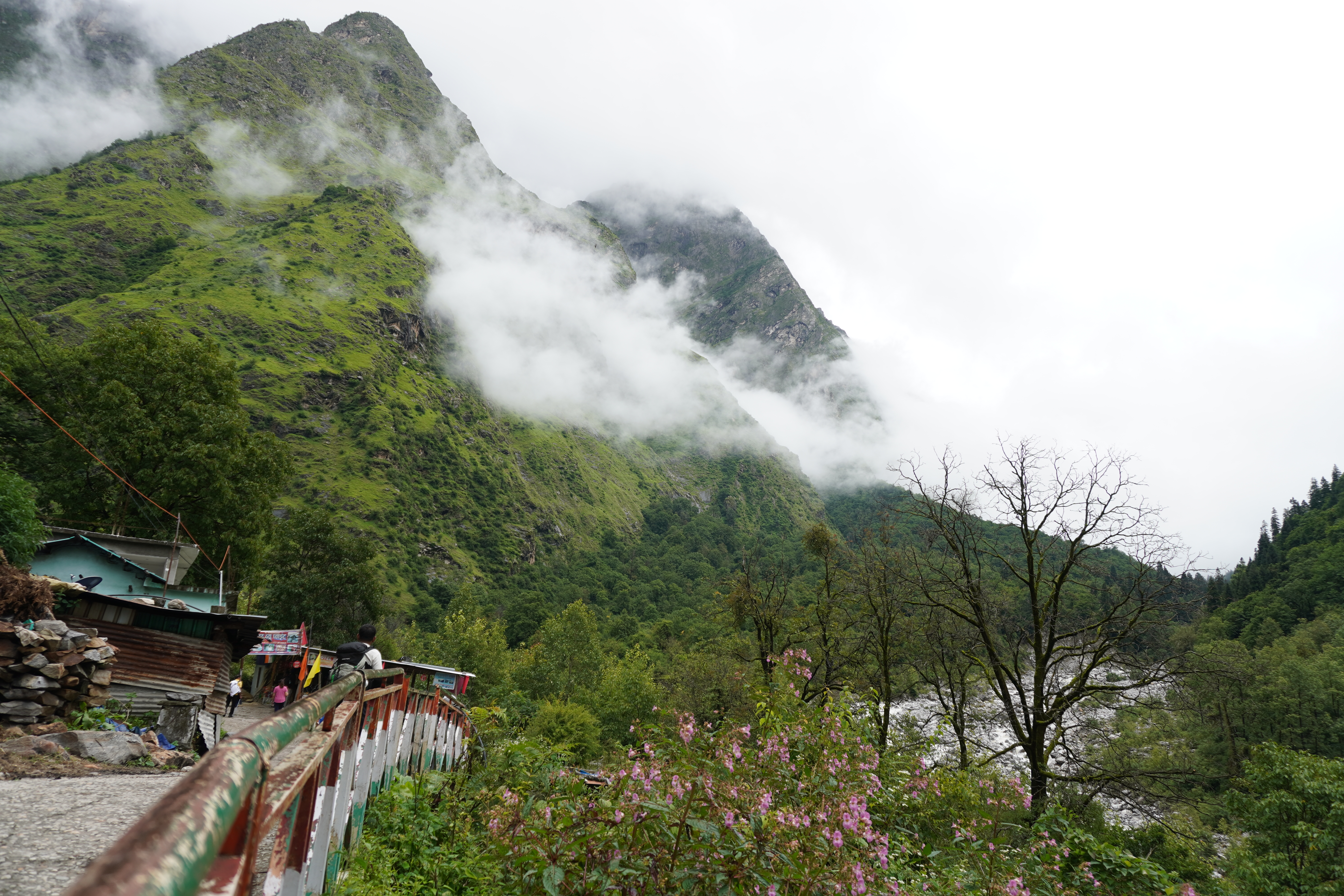
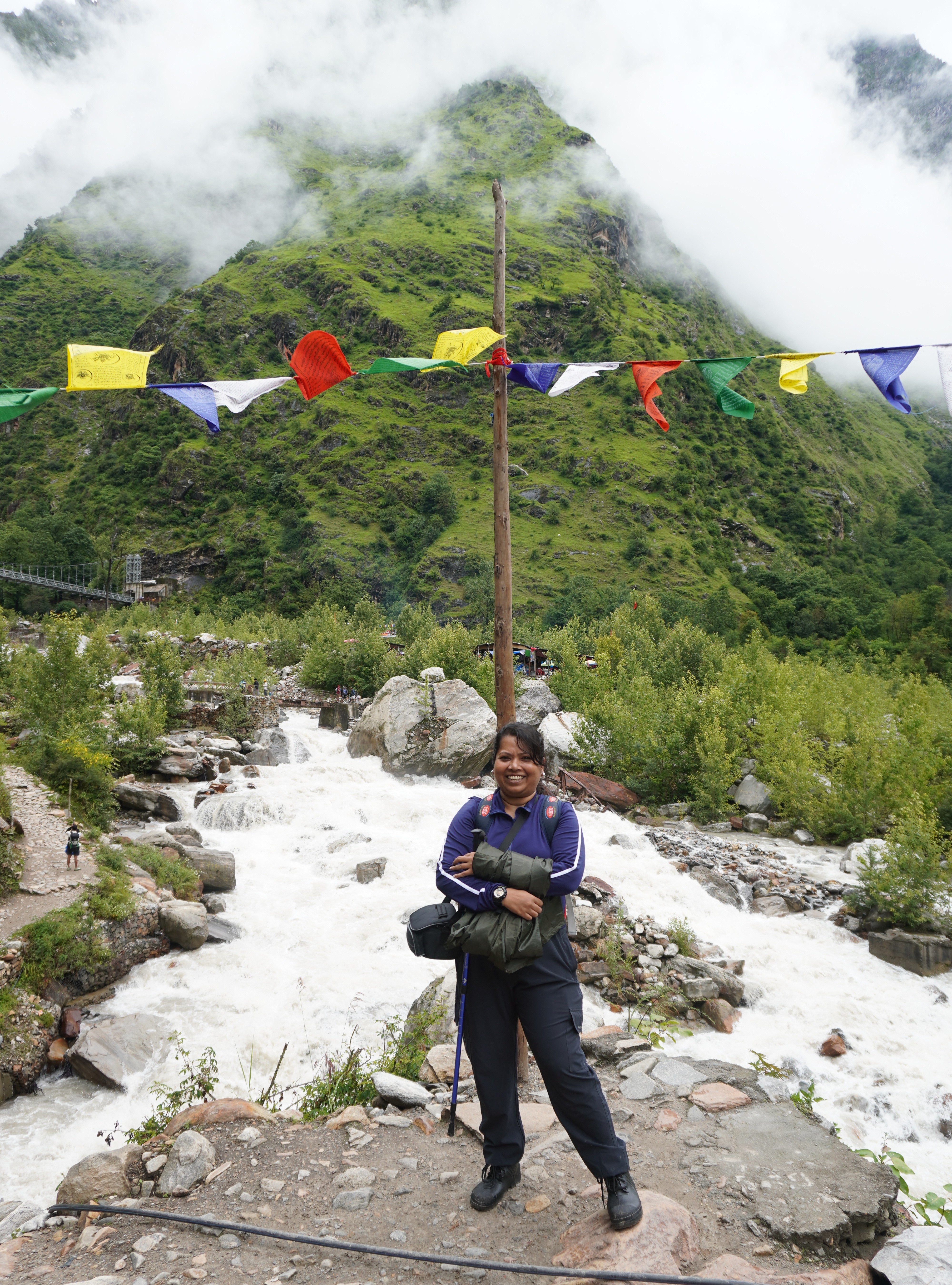
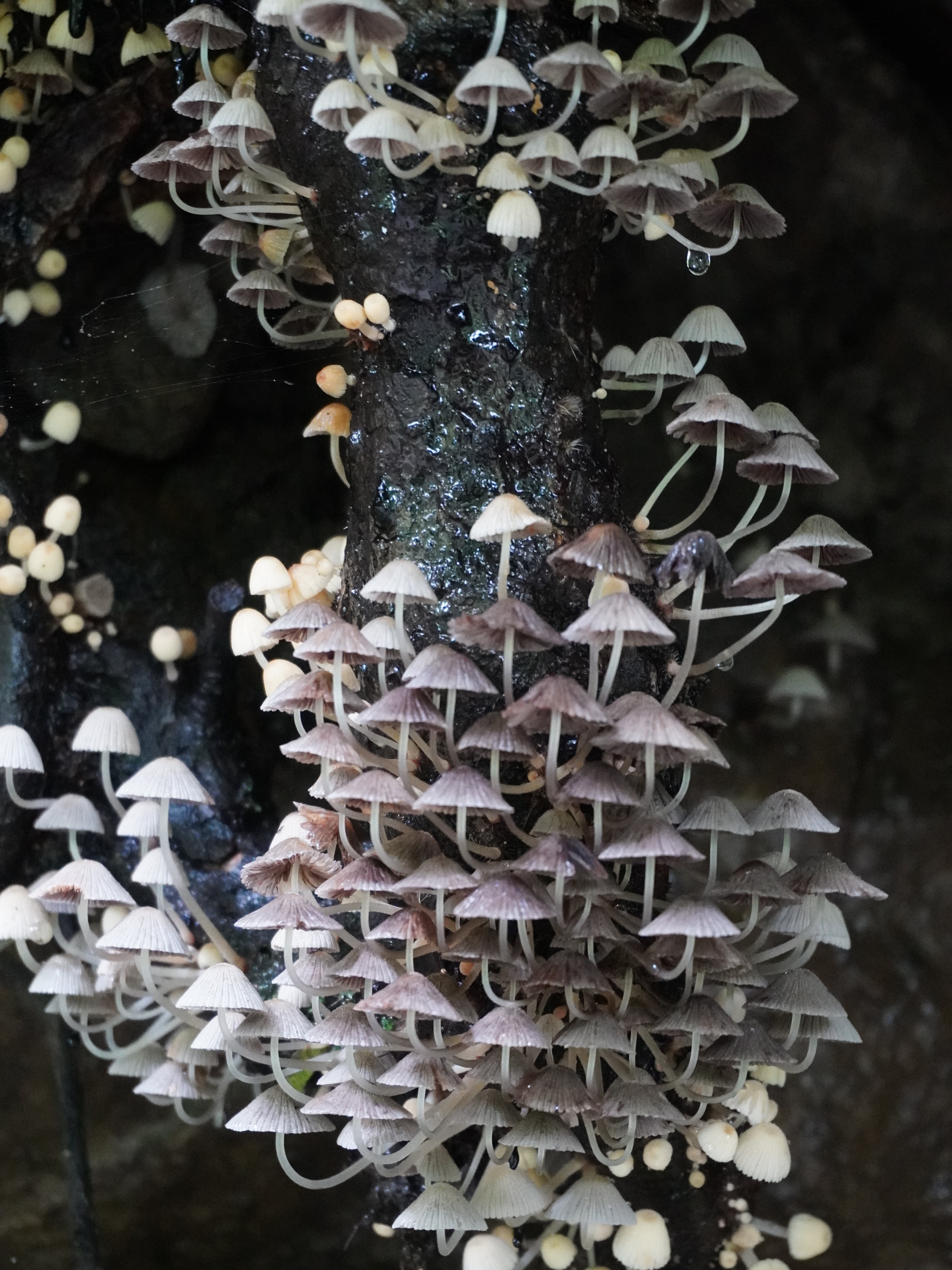
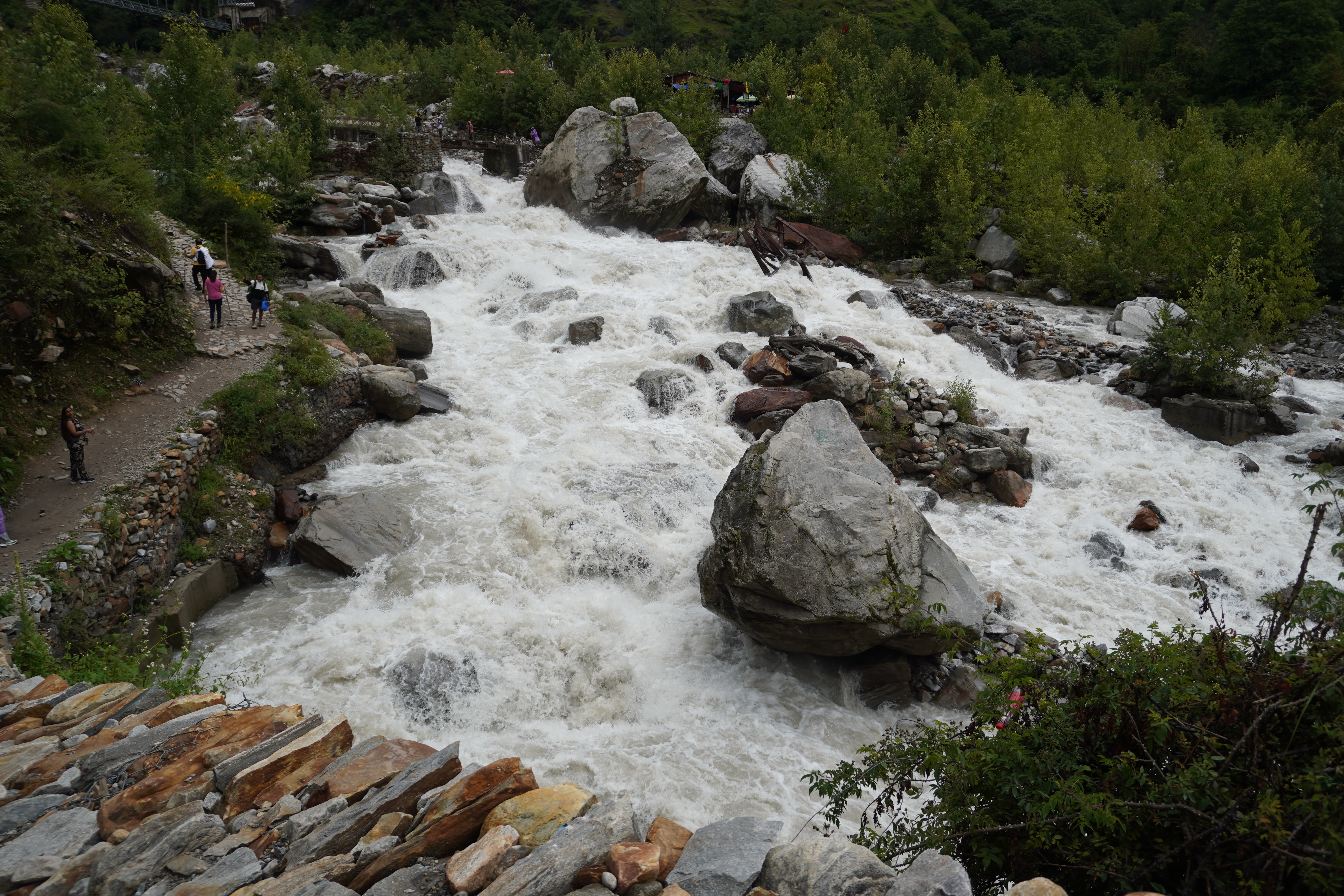
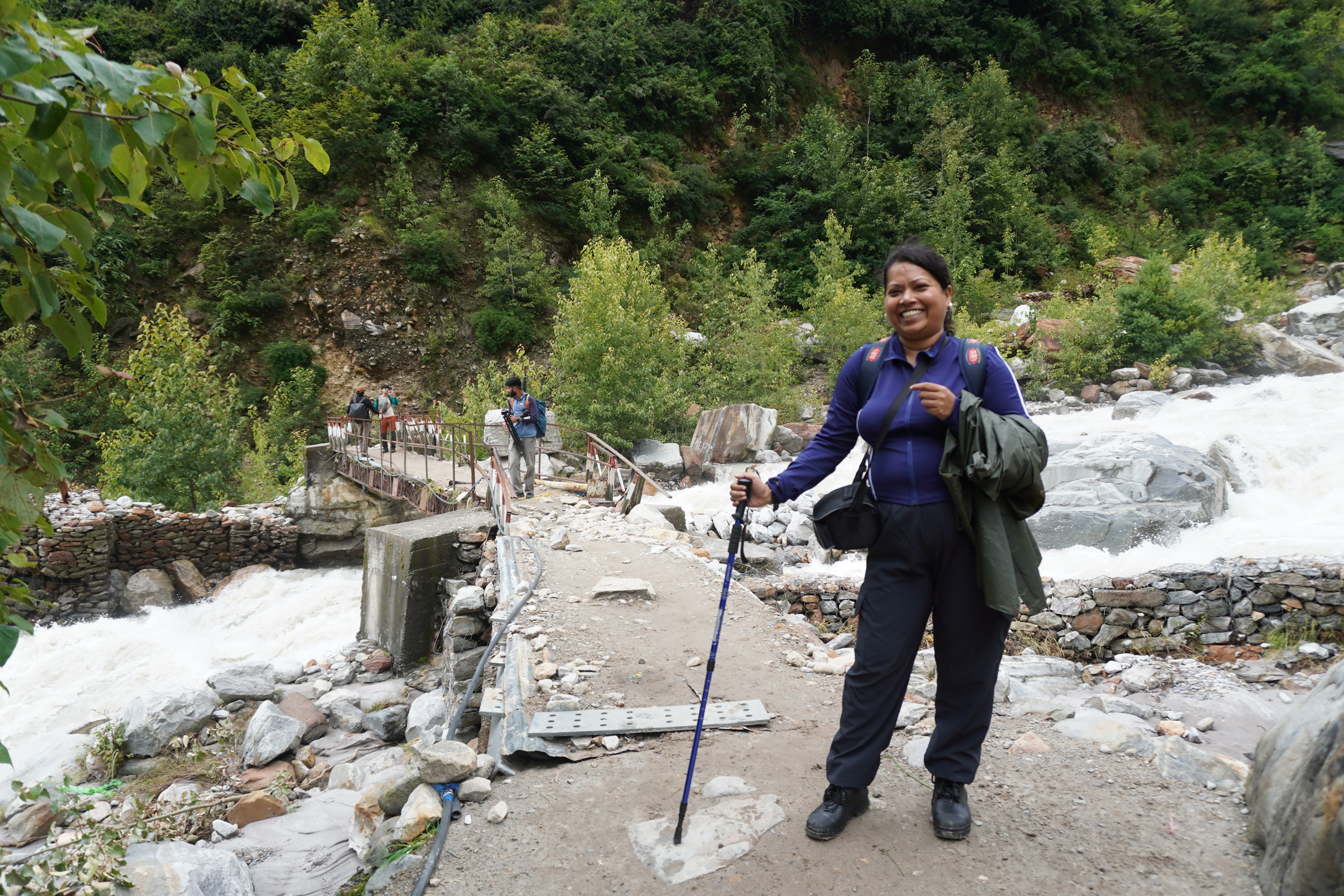
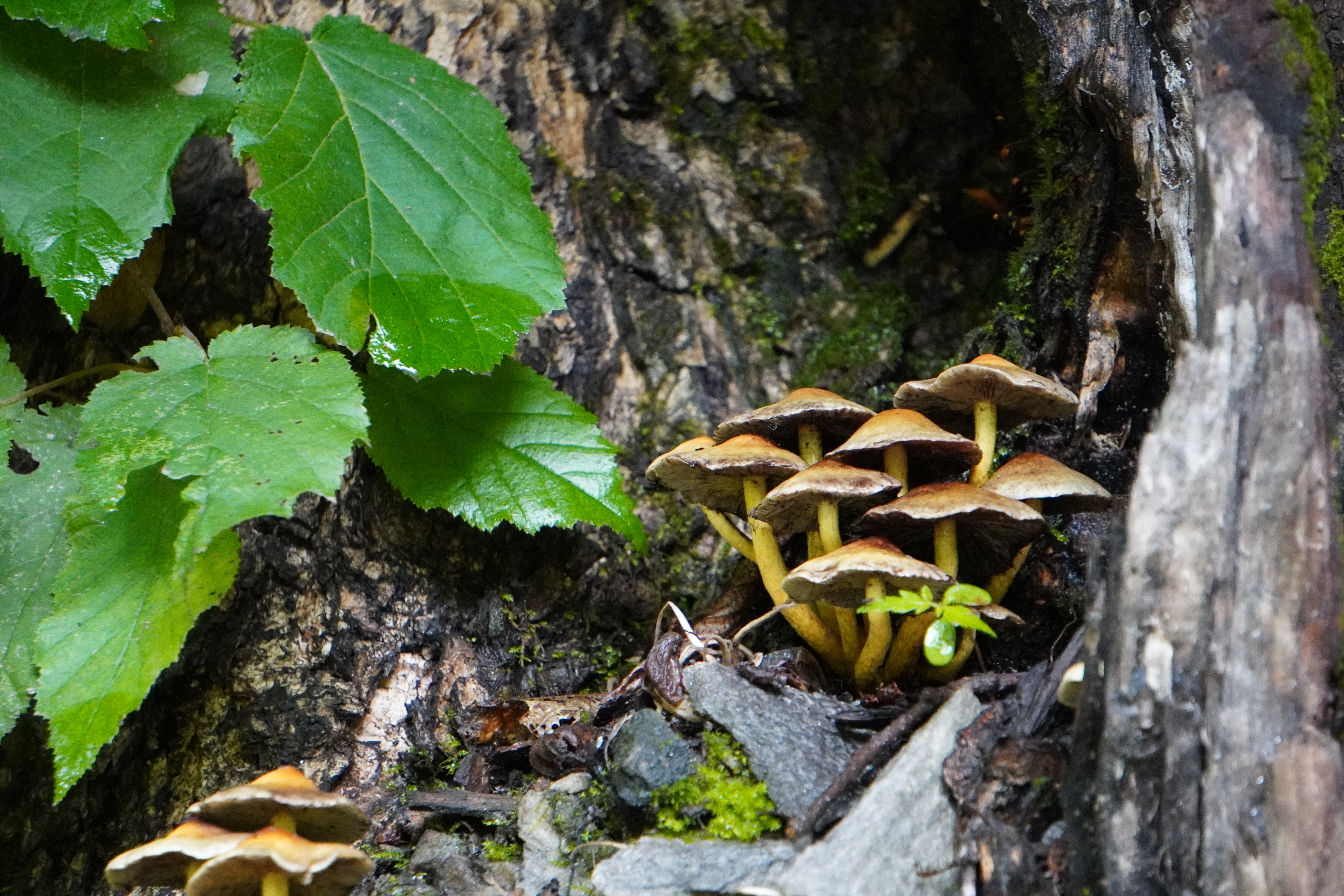
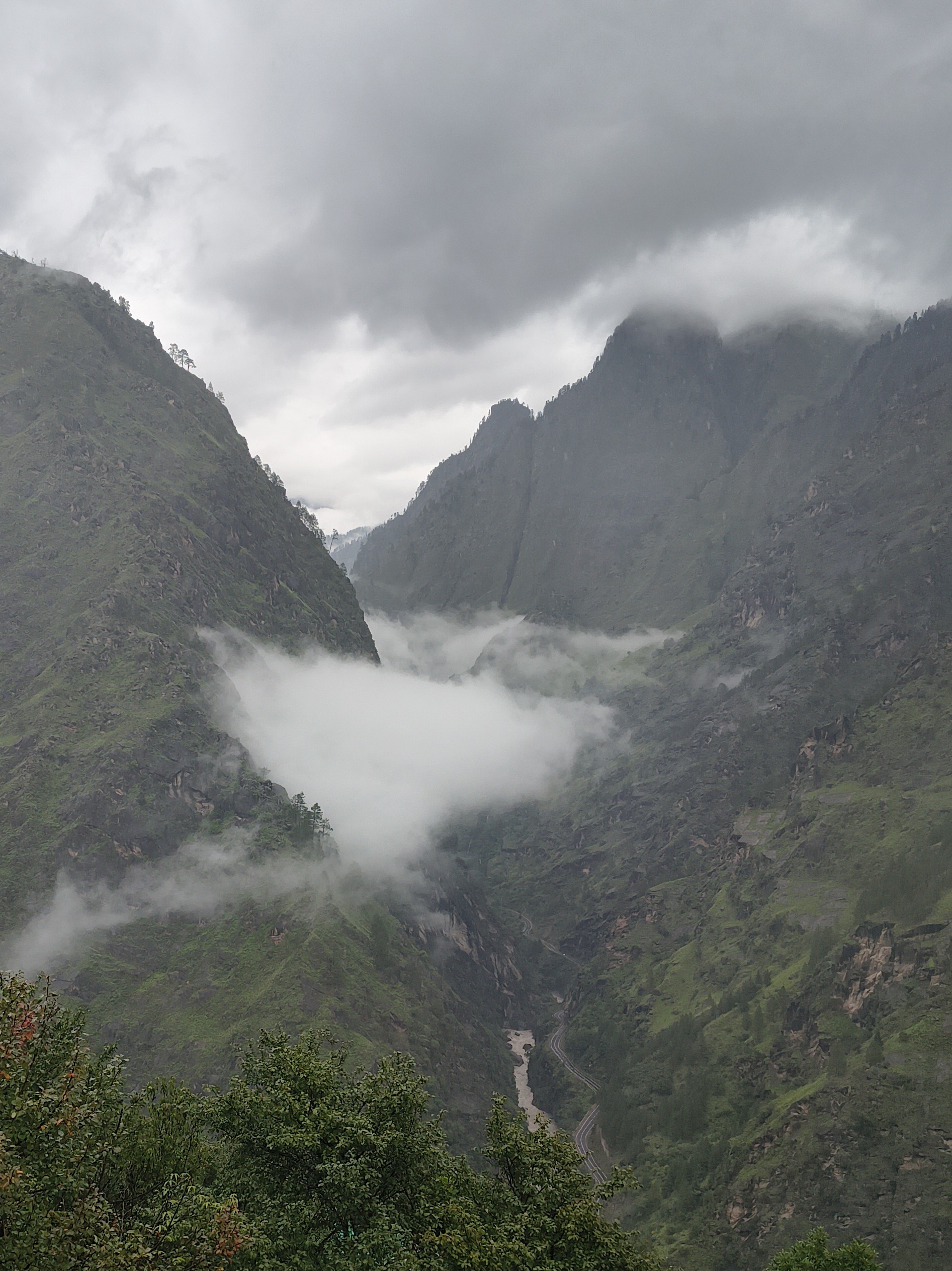
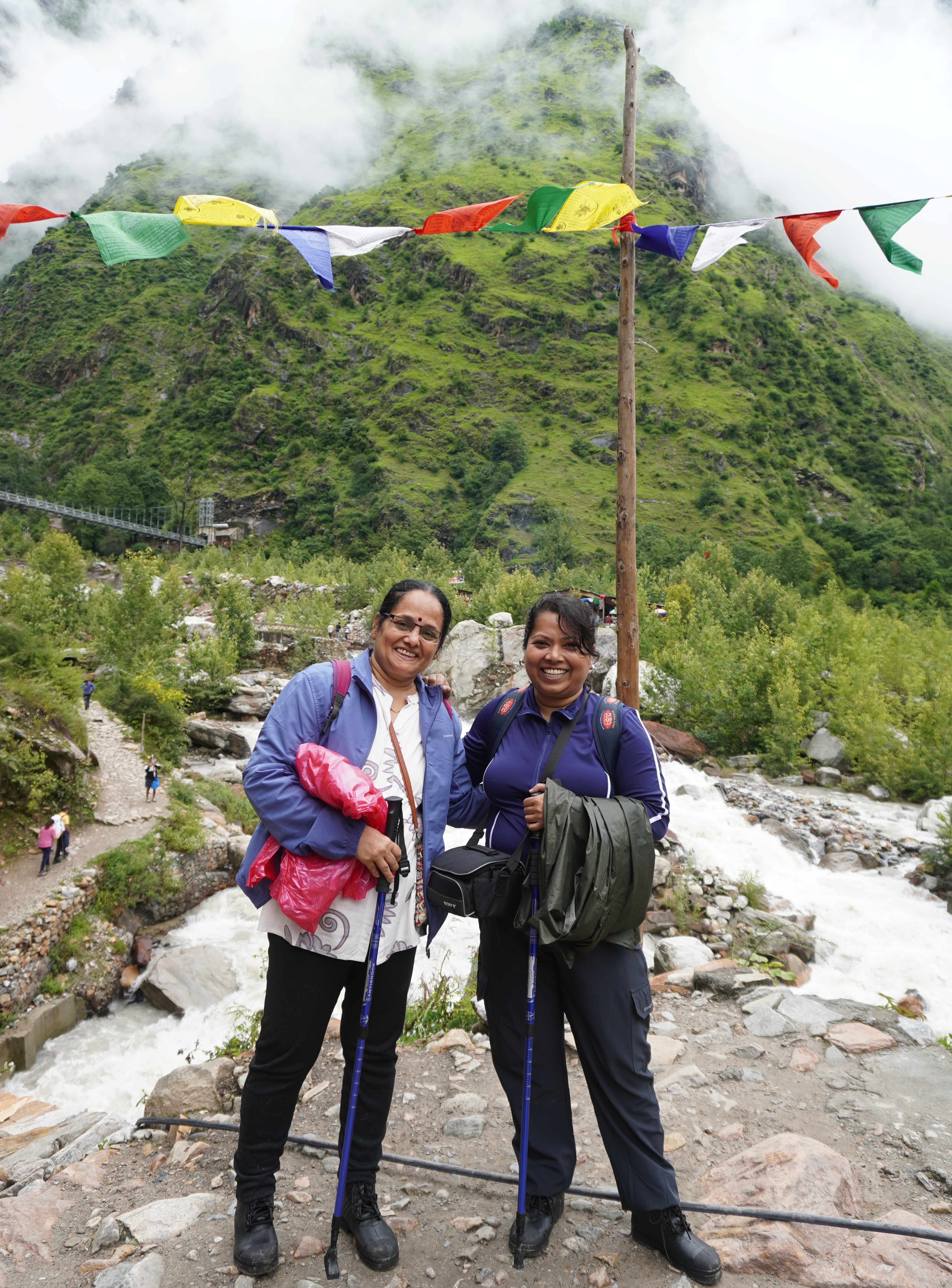
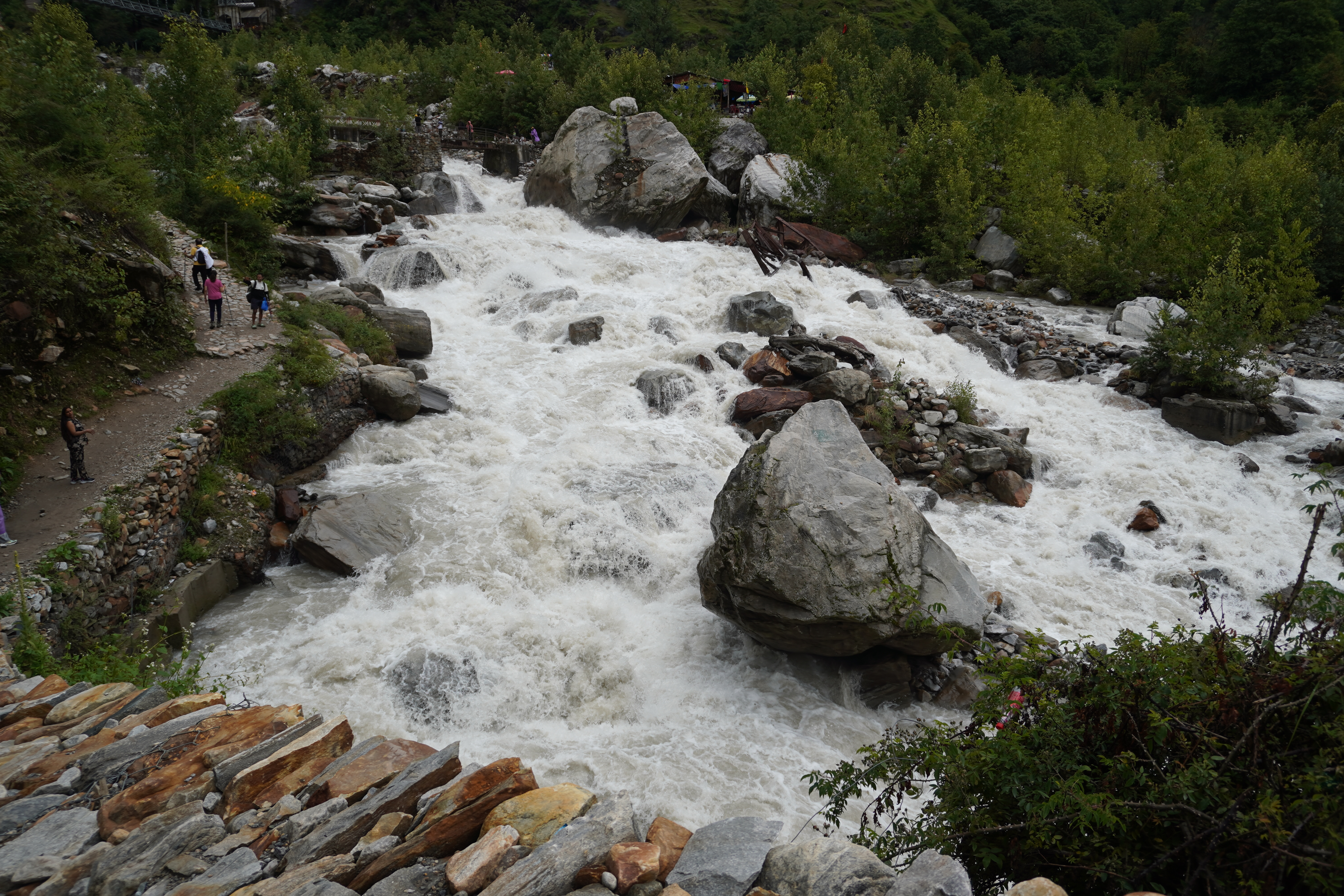
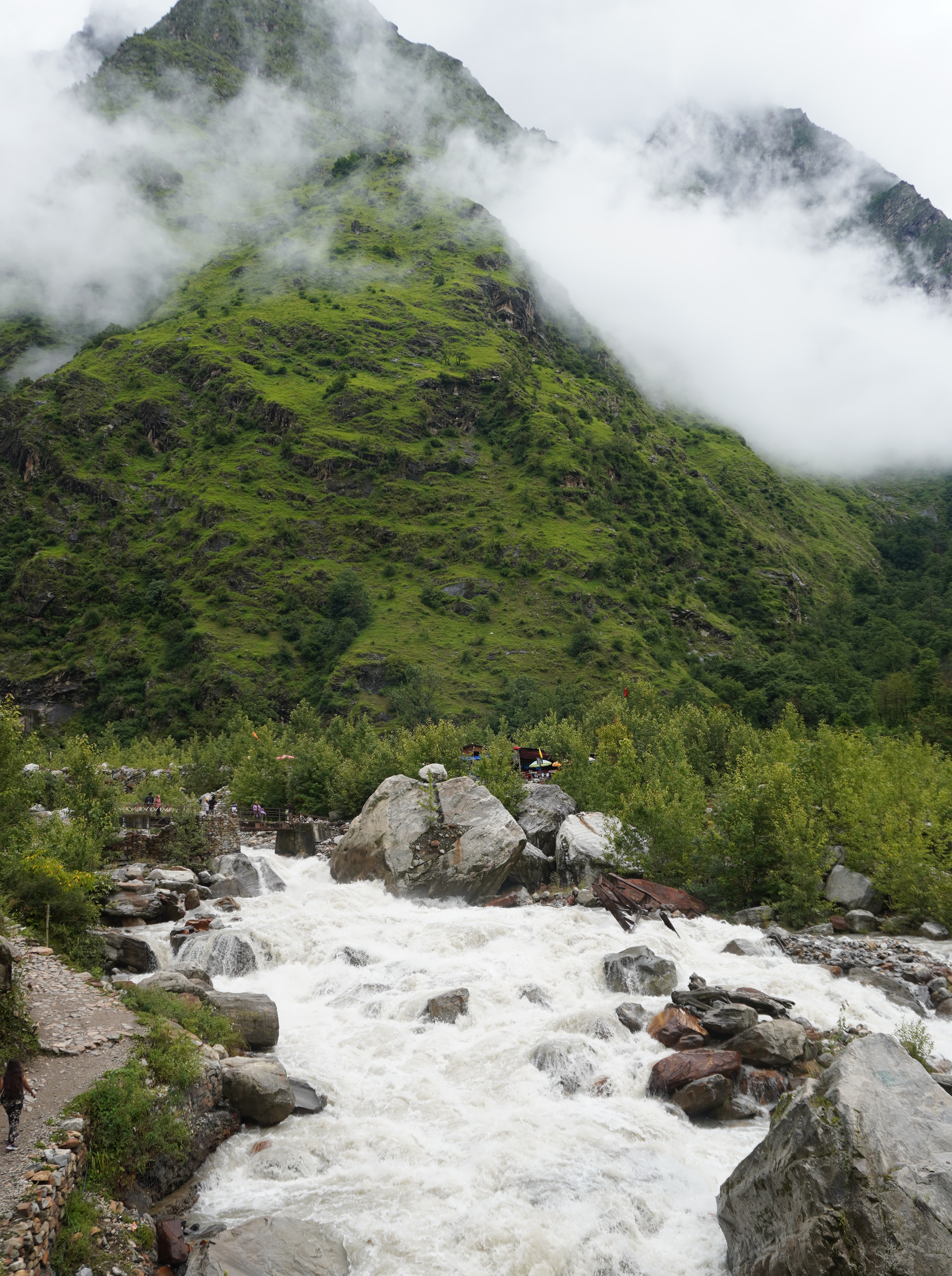
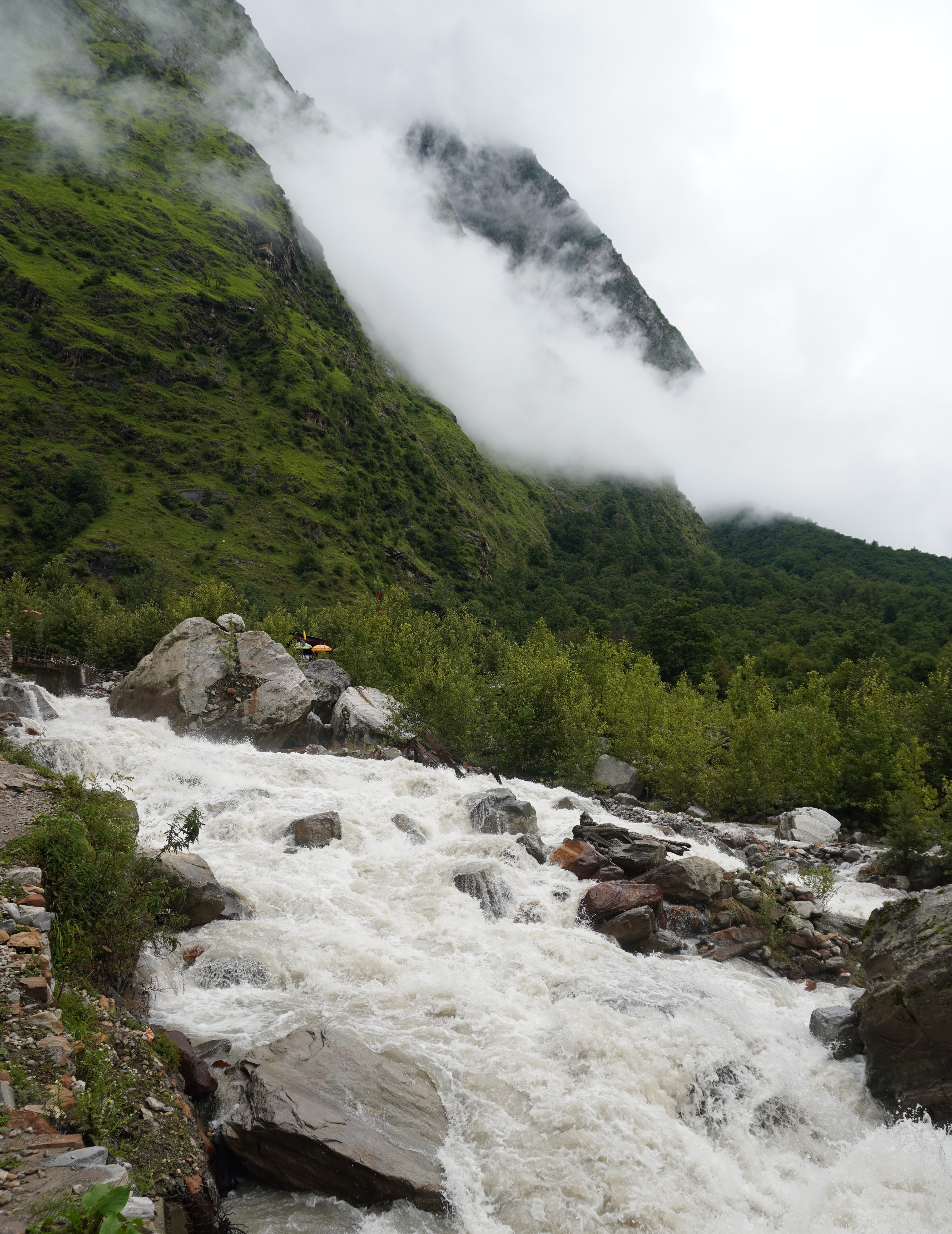
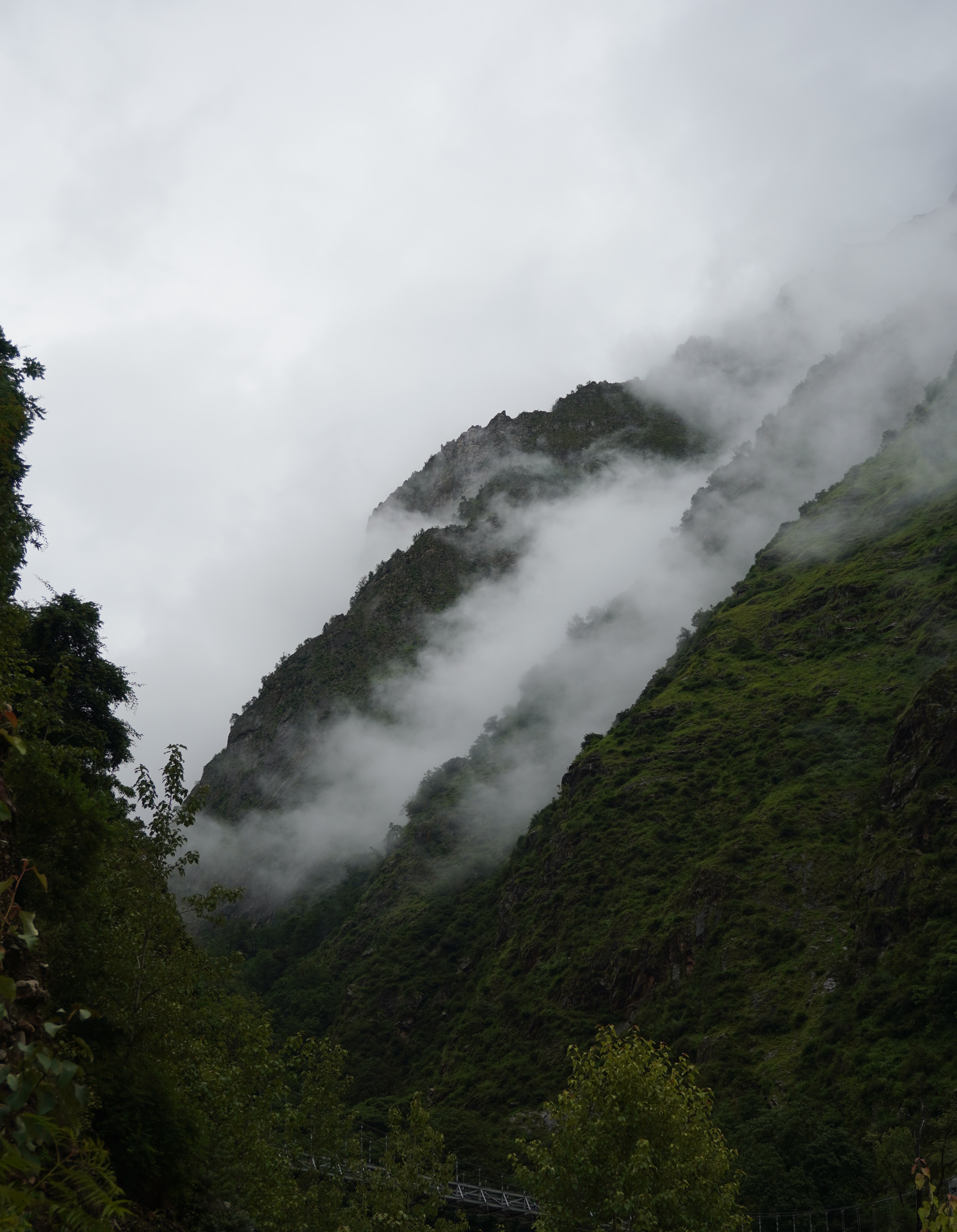
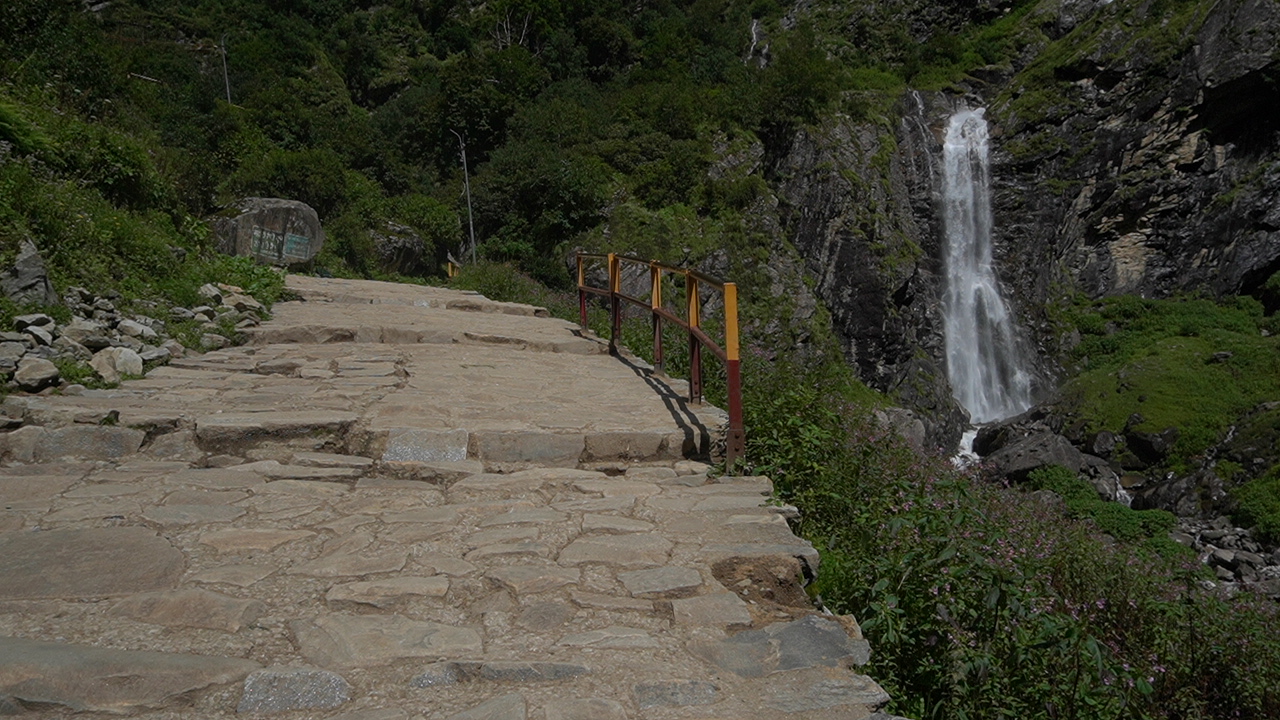
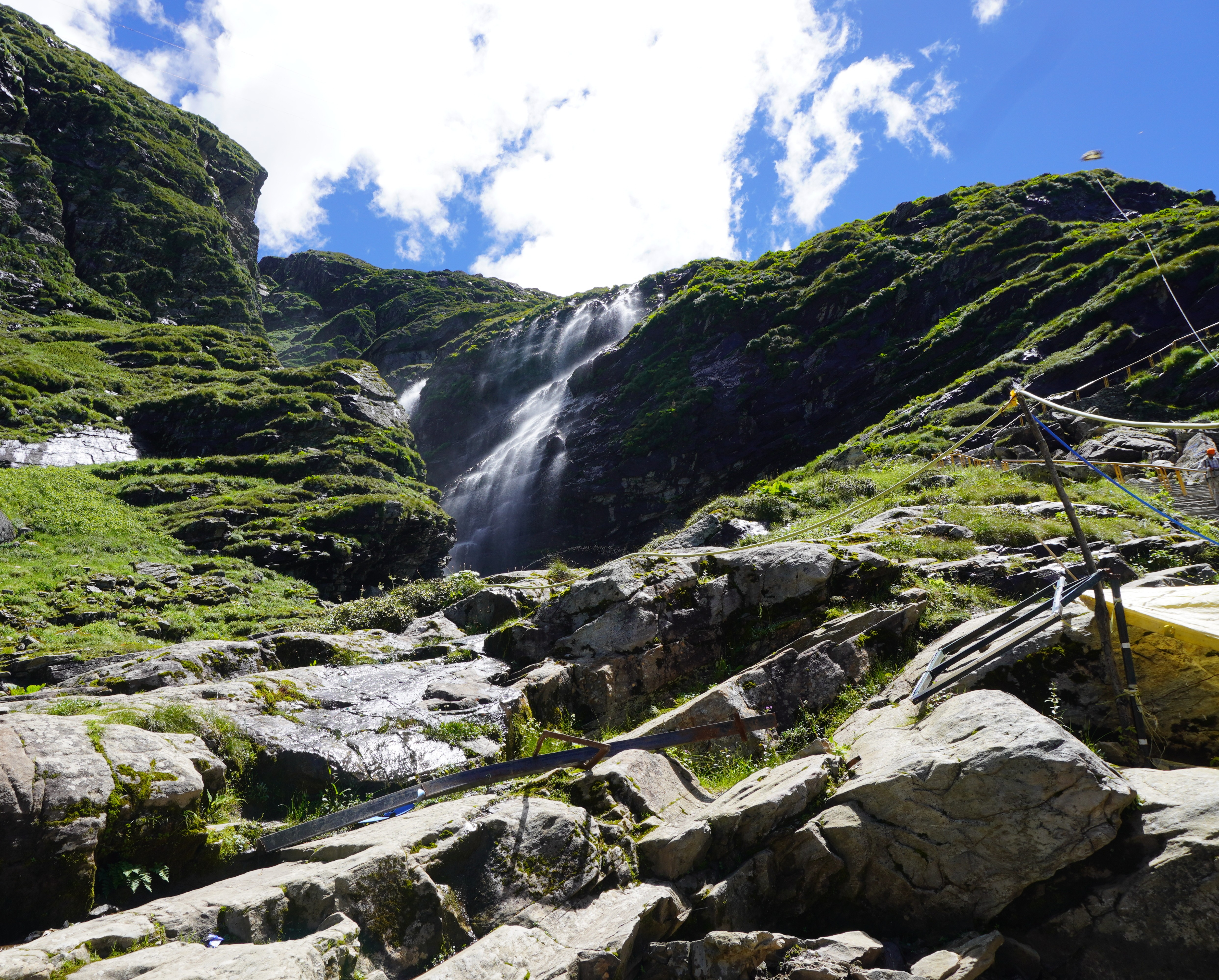
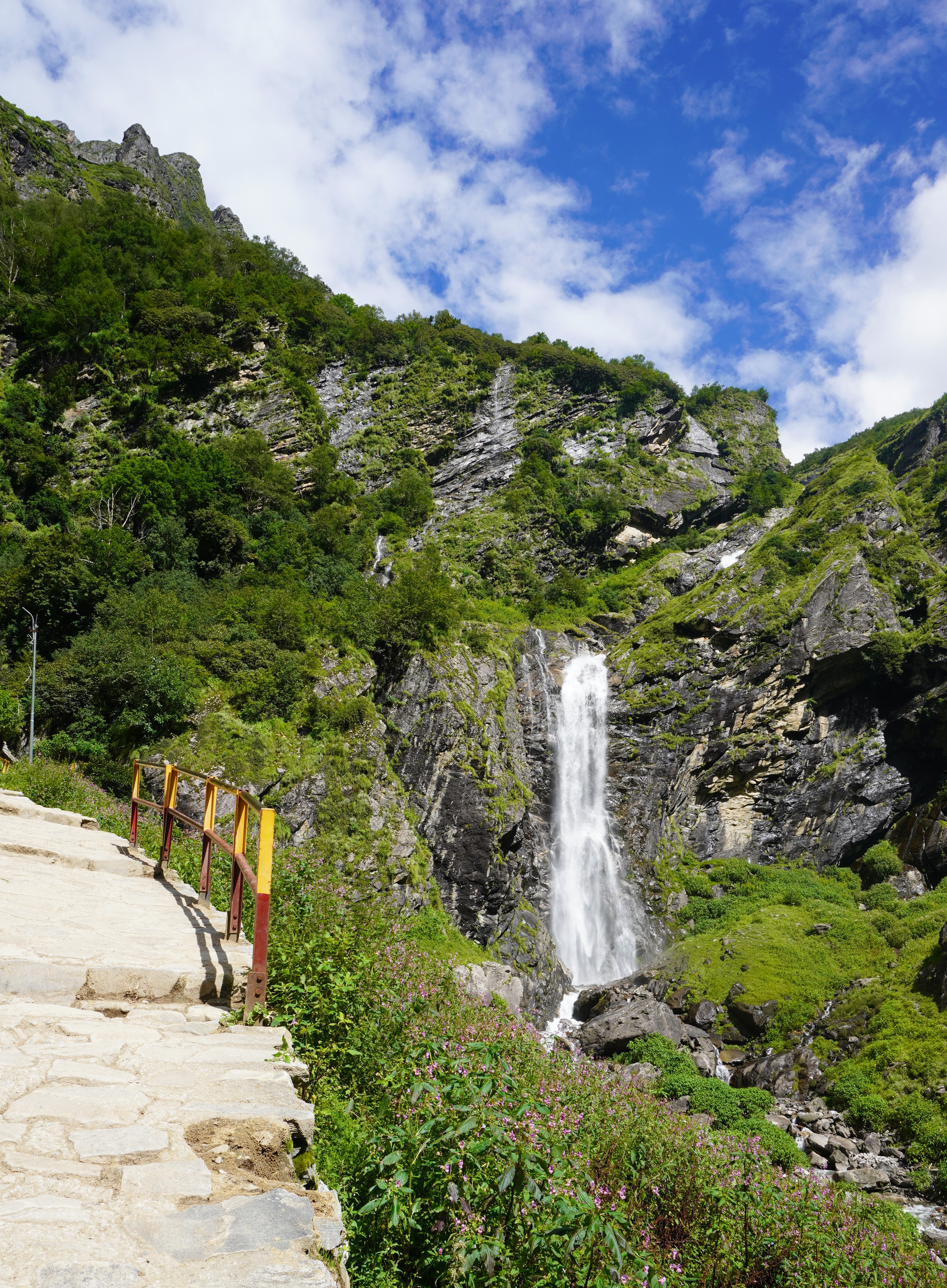
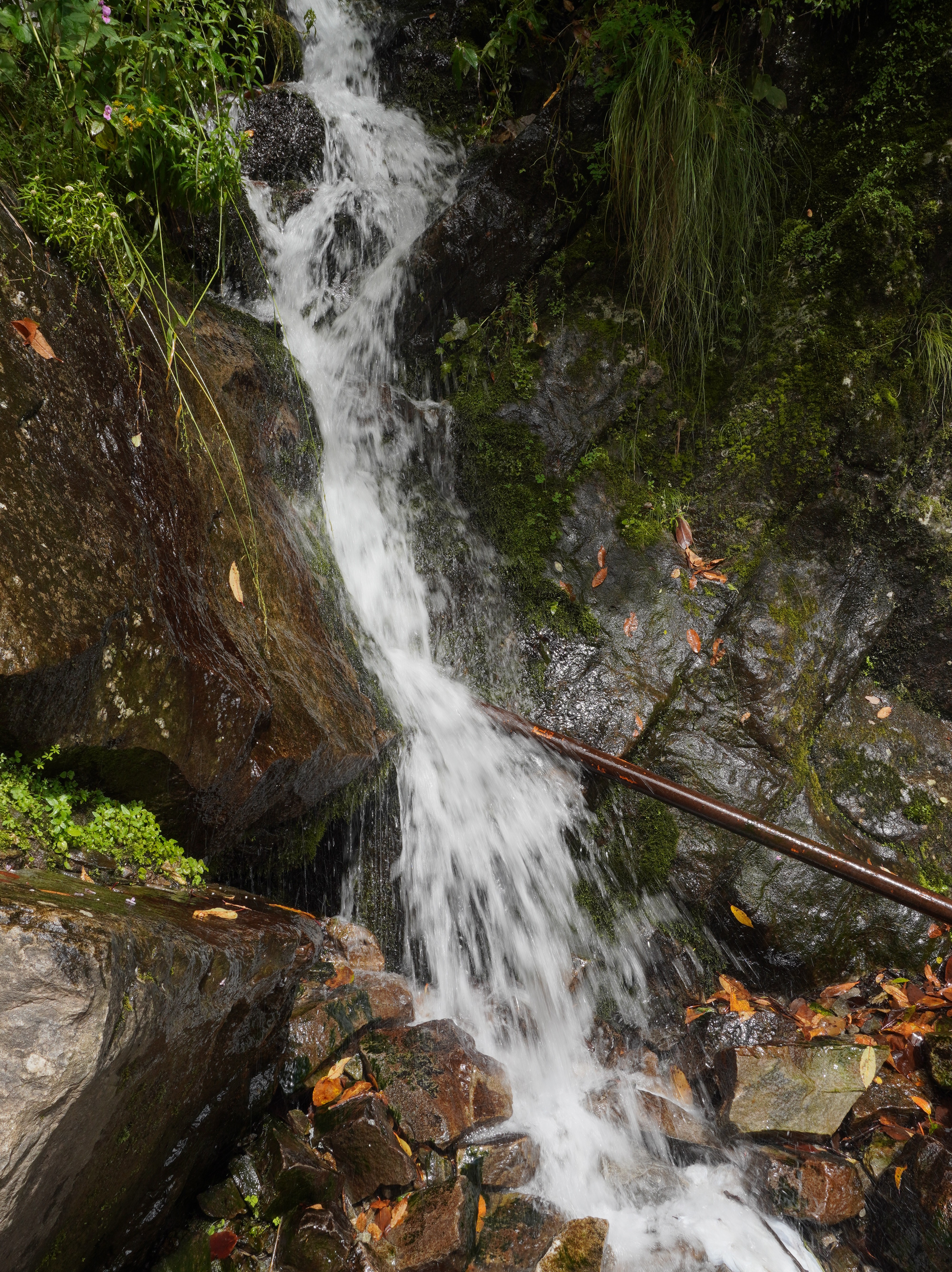
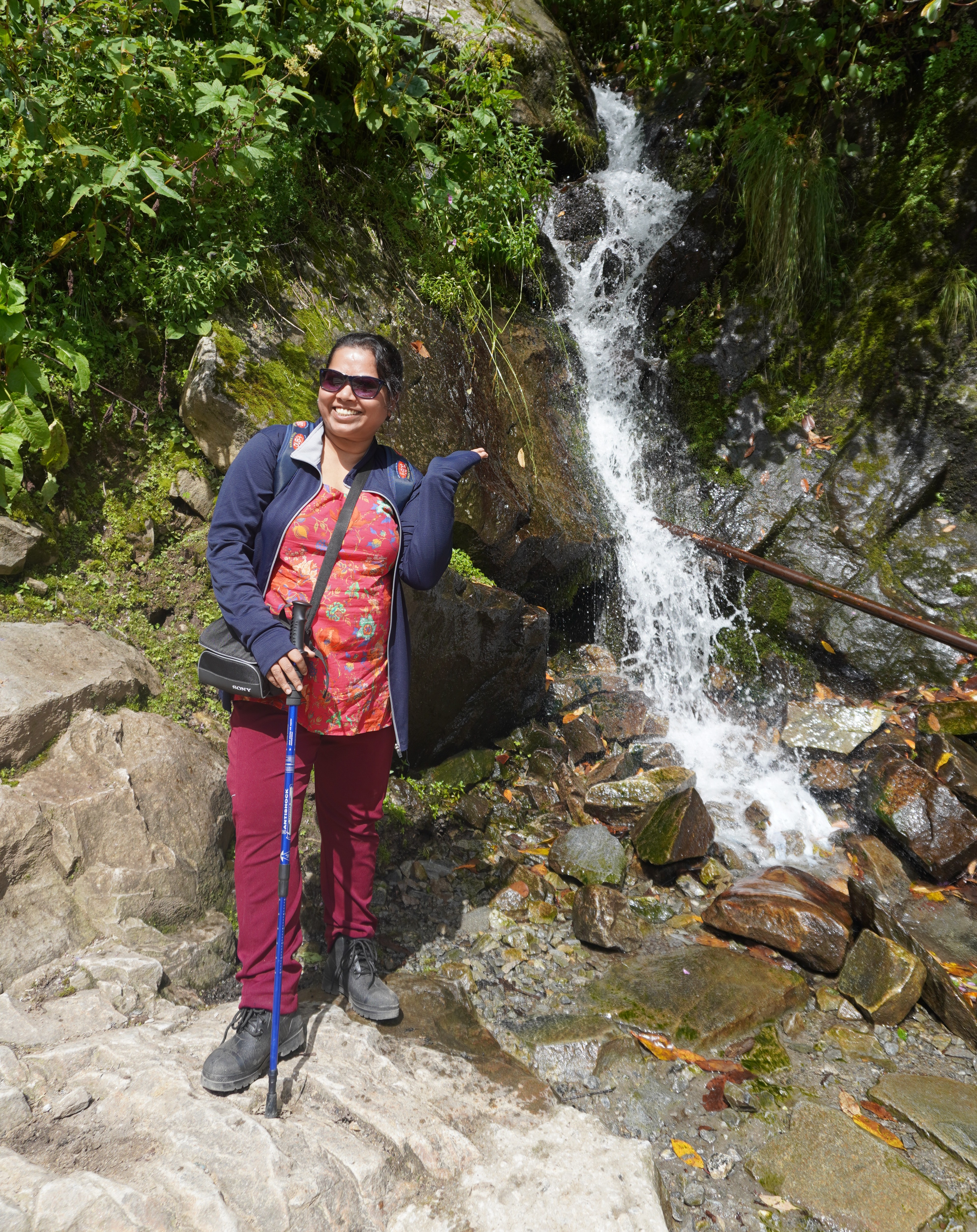
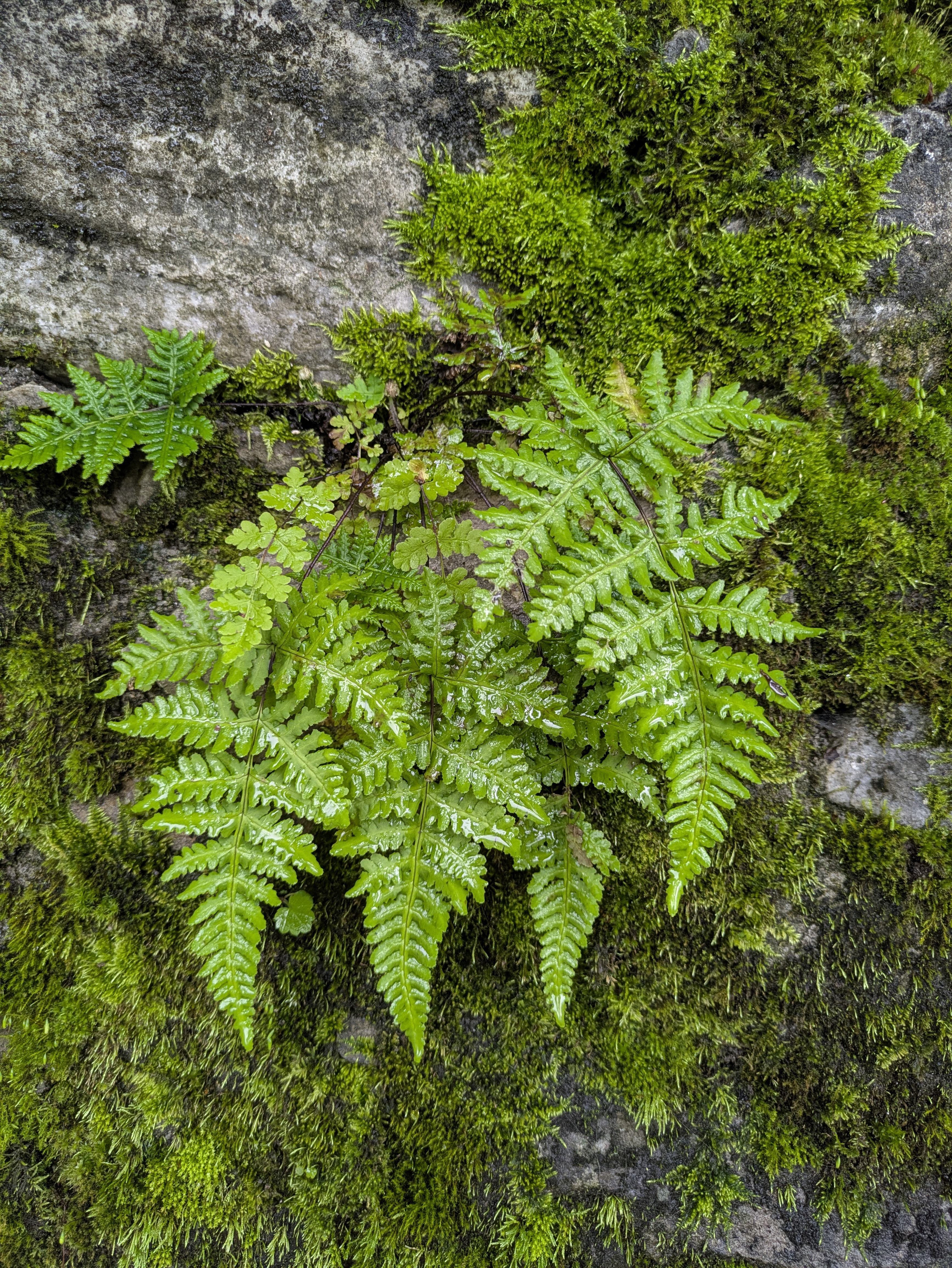
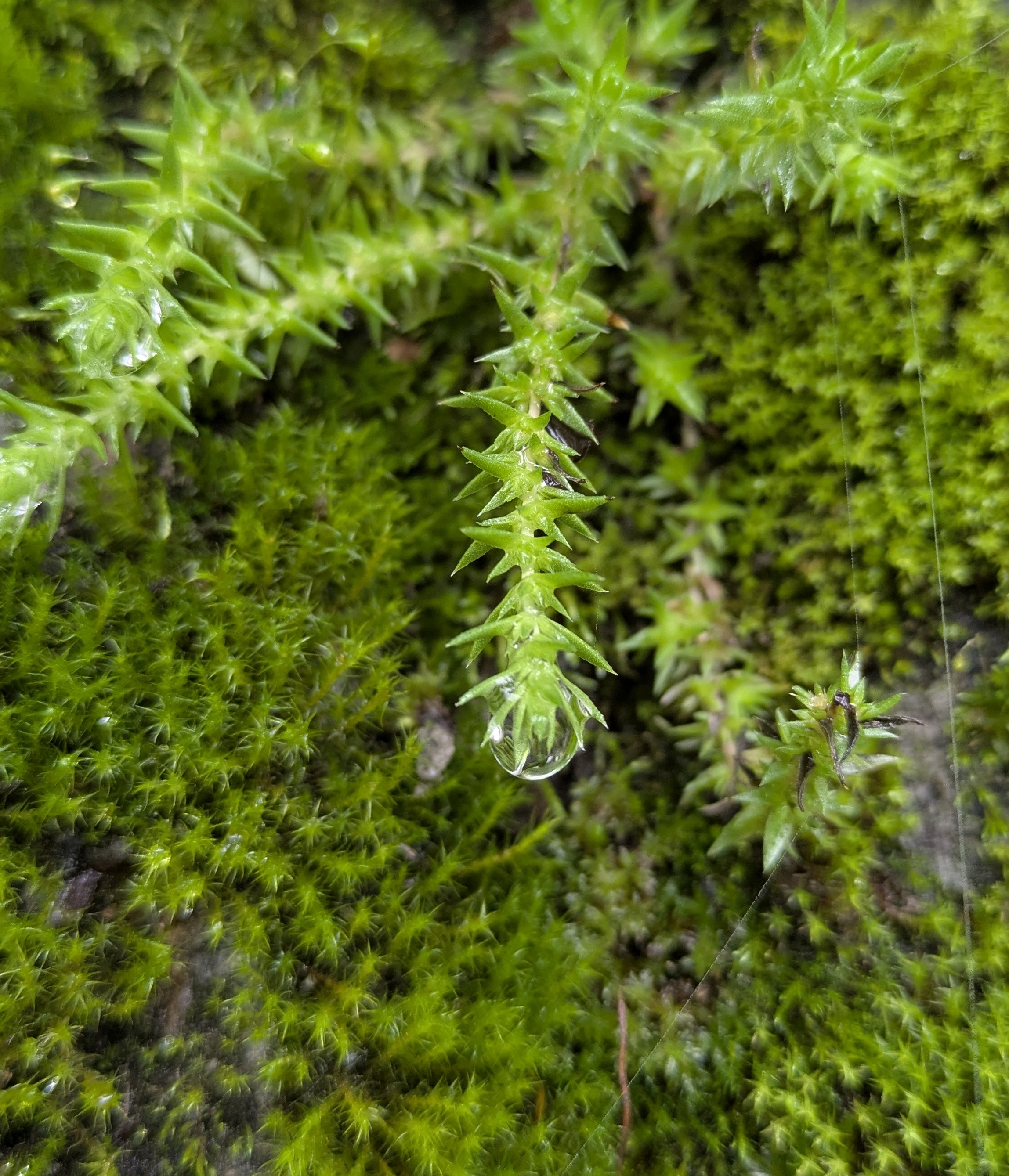
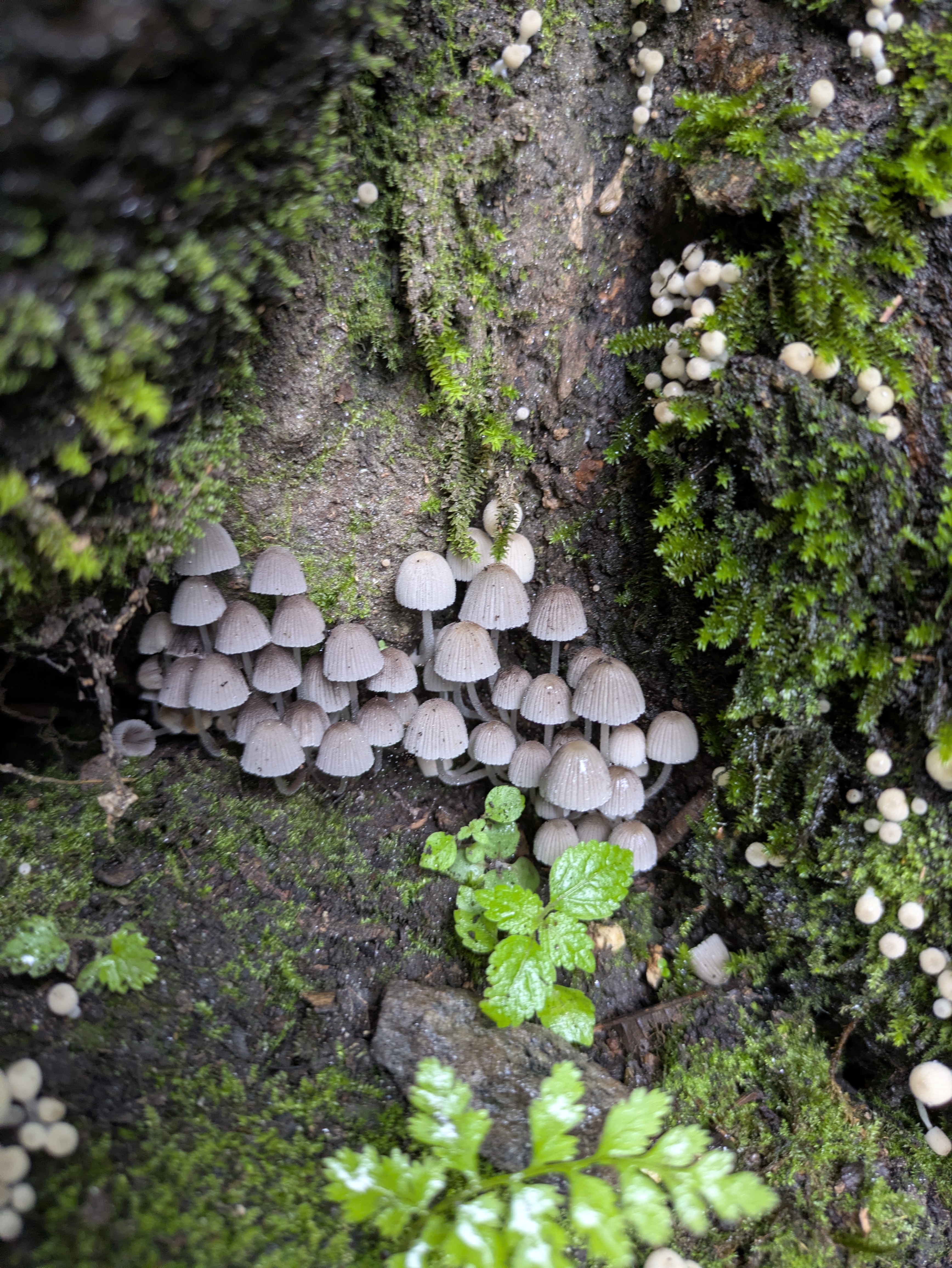
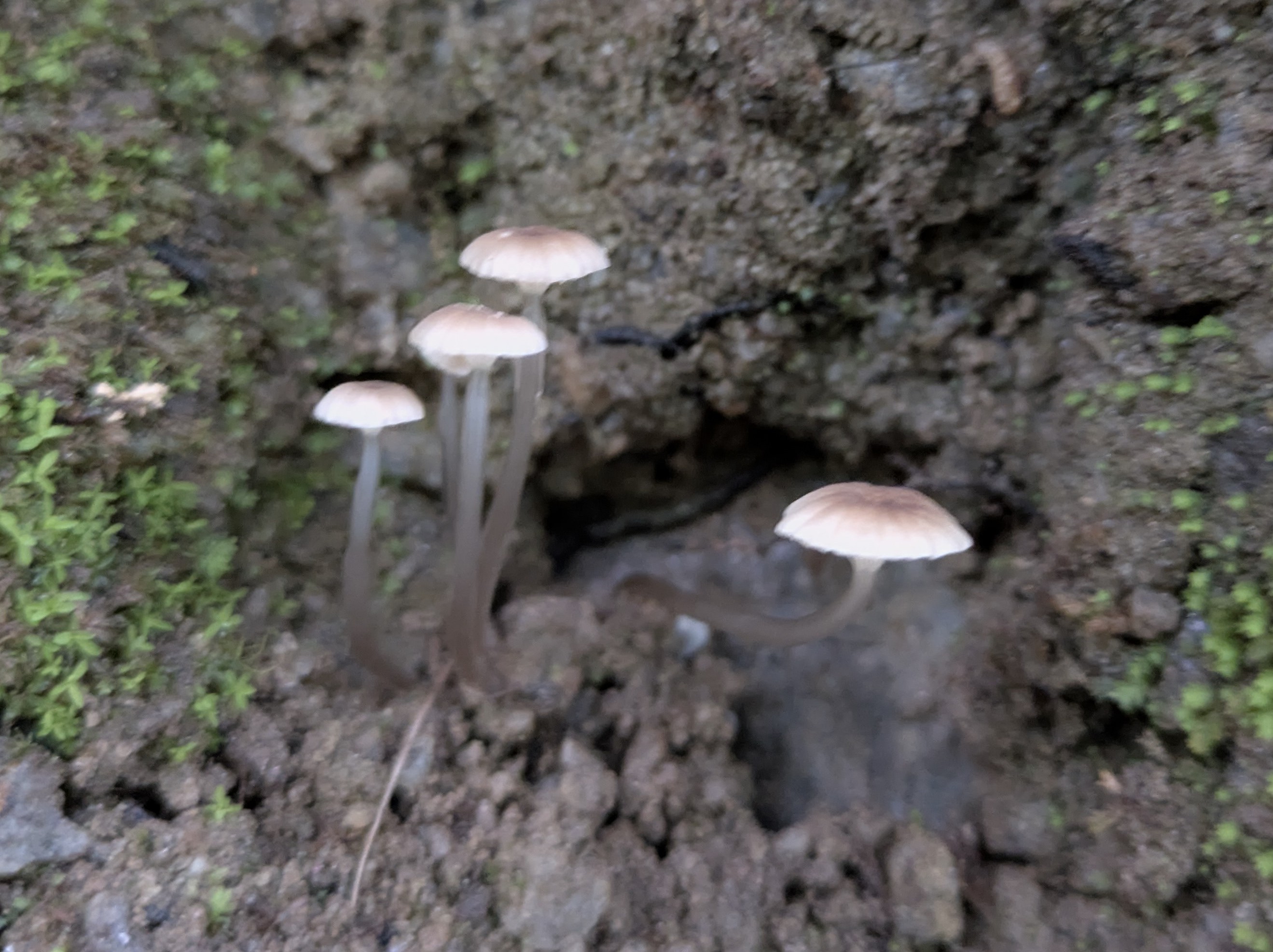
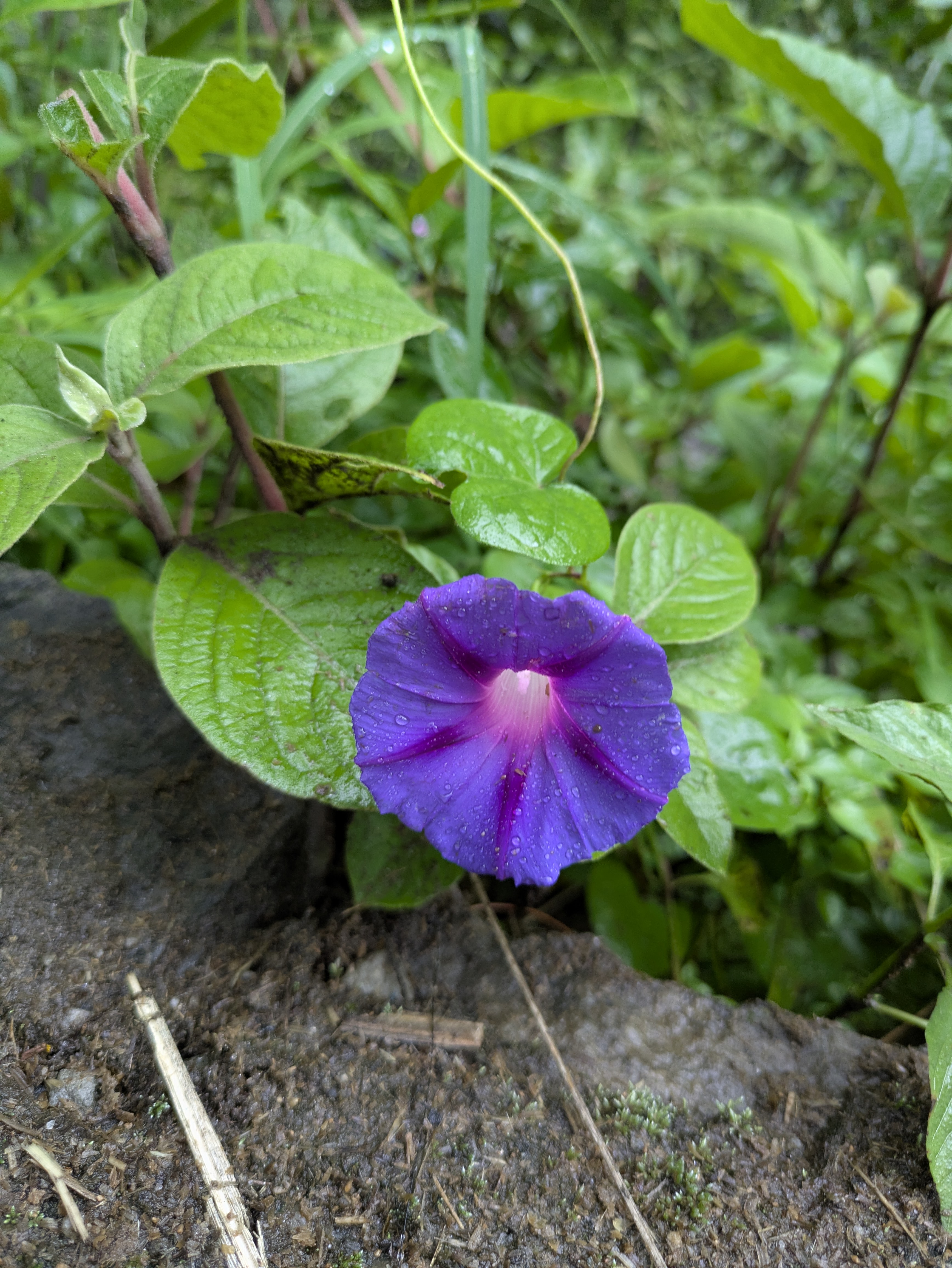
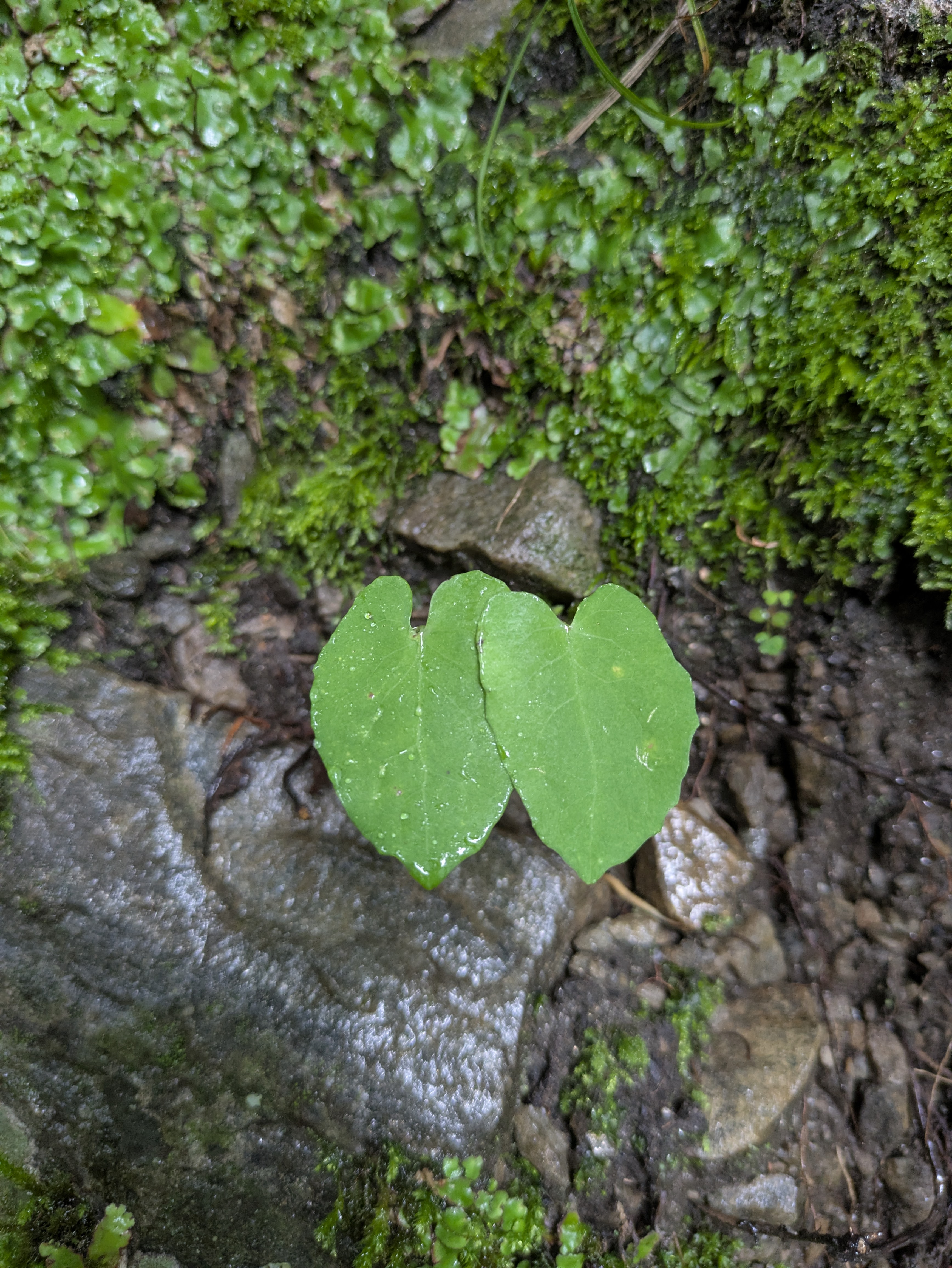
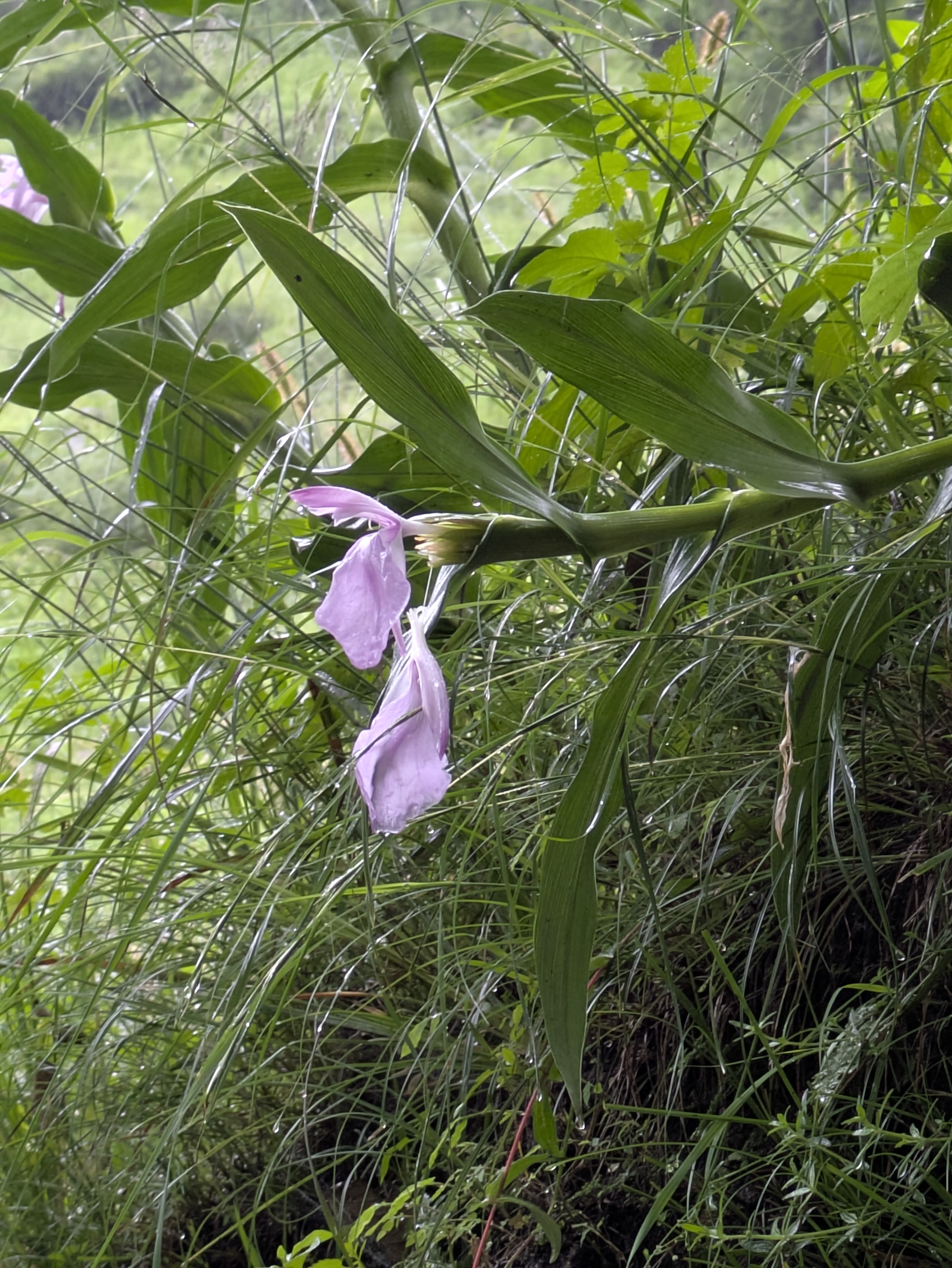
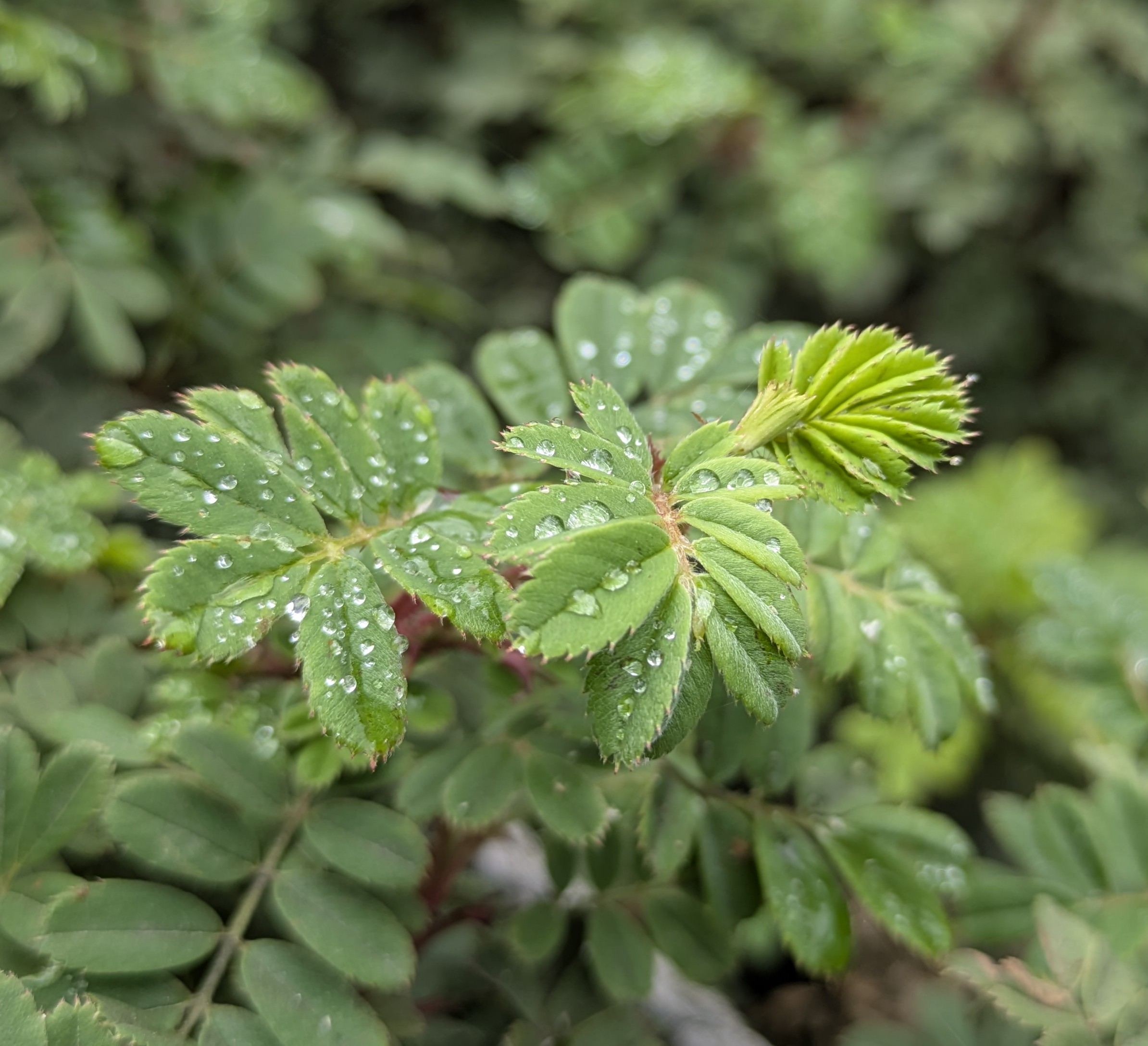
We set off from Pulna at 8 AM on a gradual, zigzagging climb, dodging horses, pithus and the particular stench that comes with sharing a trail with pack animals. The views, though, more than compensated, waterfalls cascading across the valley and more microflora than I could photograph: algae, mushrooms, wildflowers tucked into every damp corner.
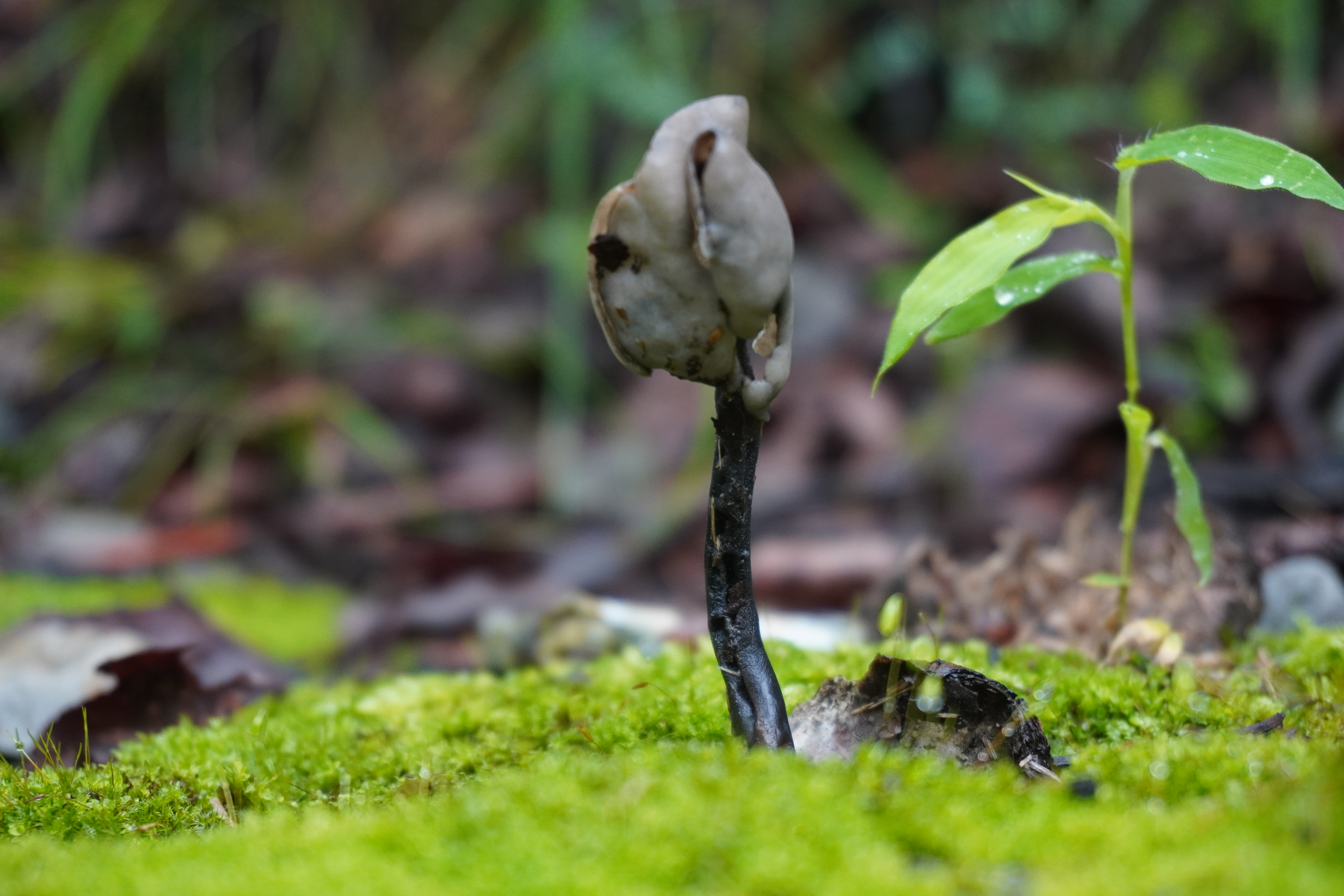
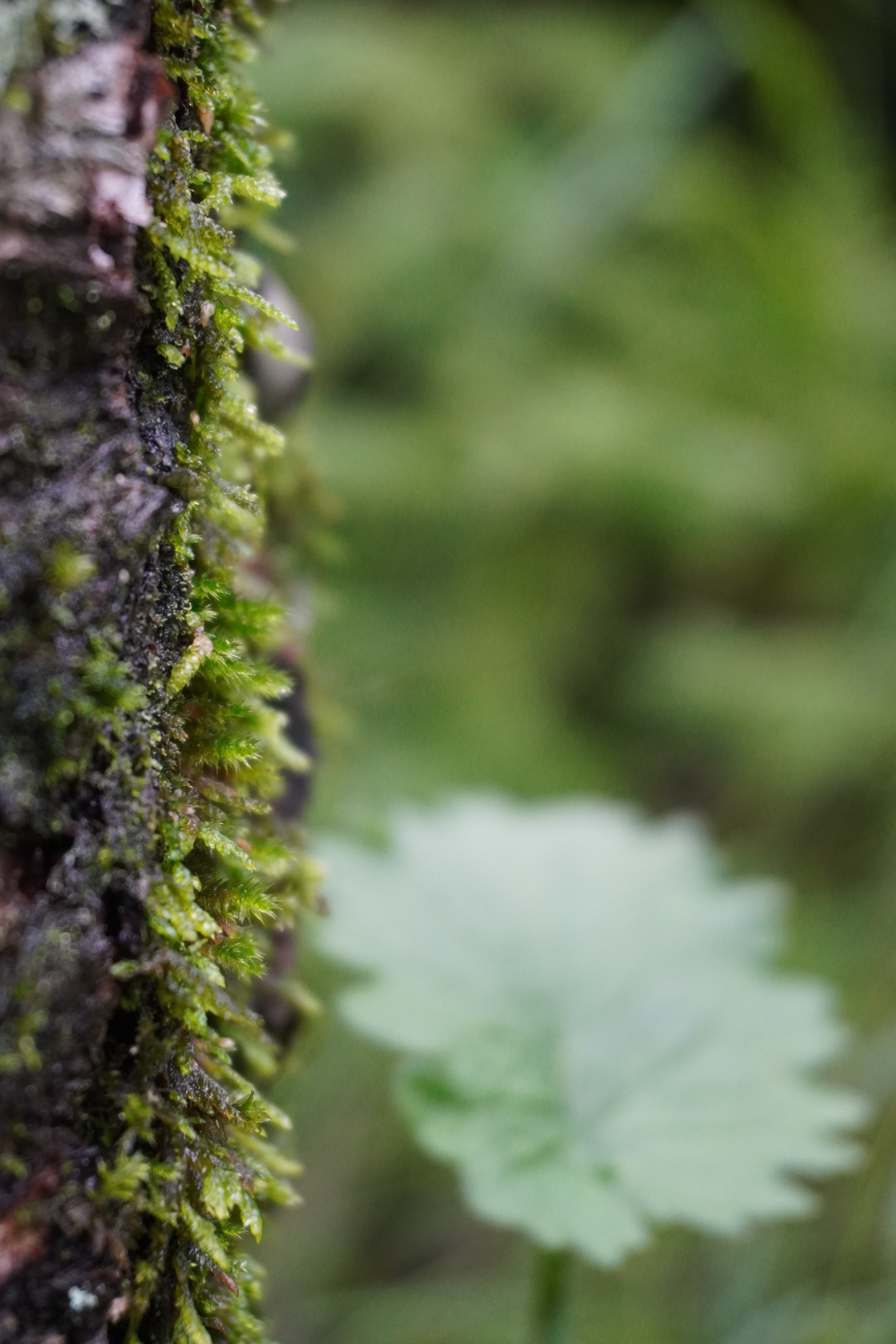
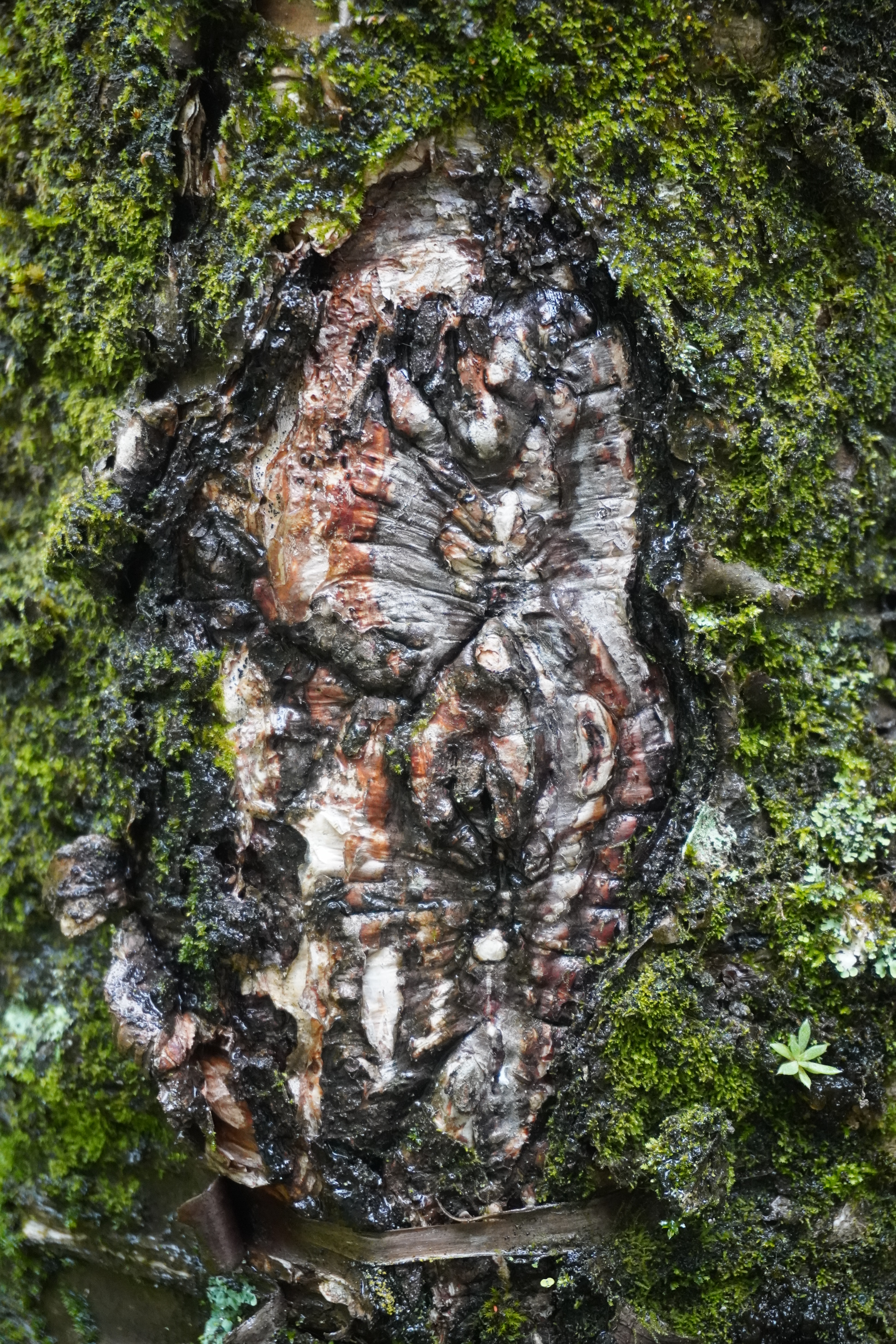
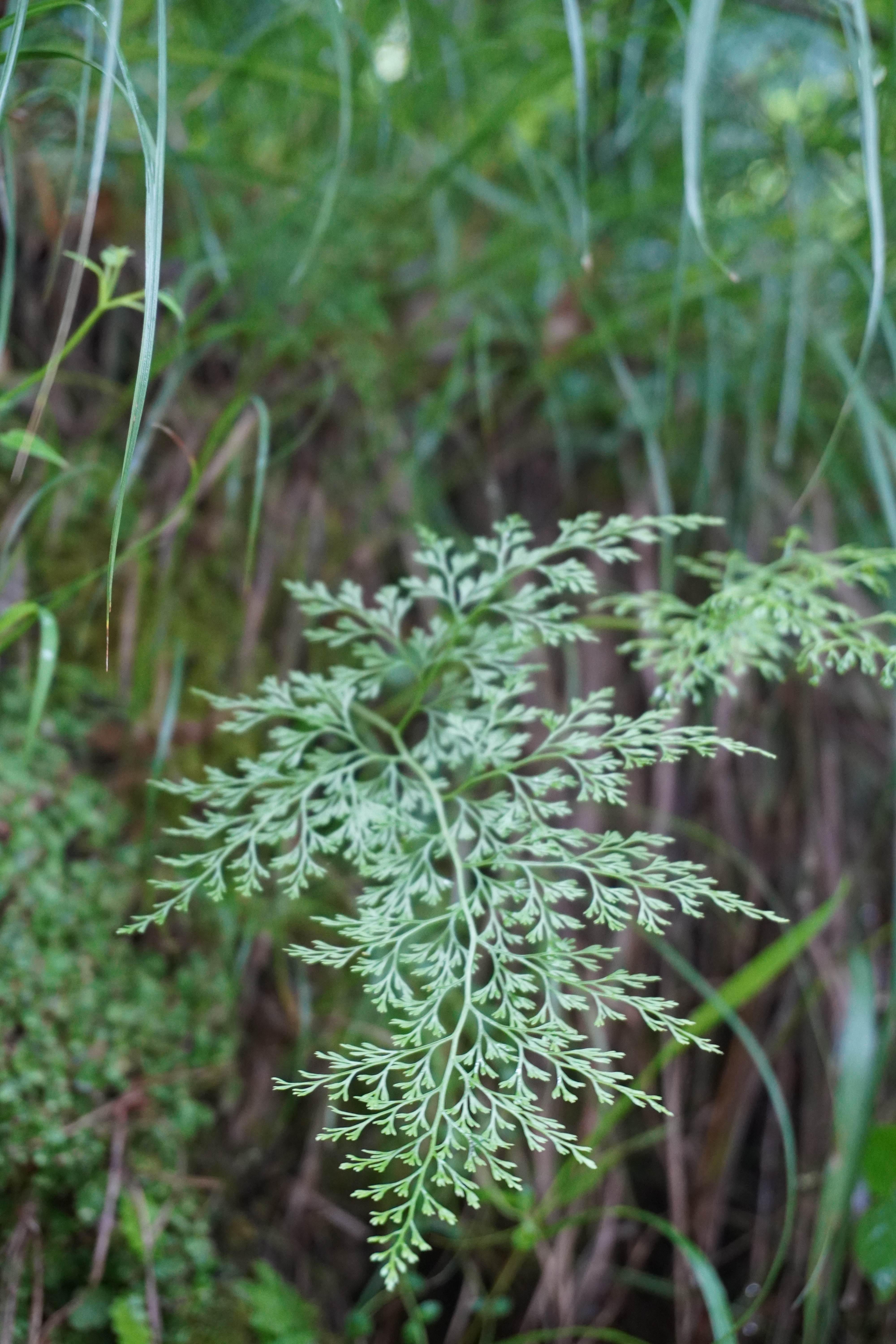
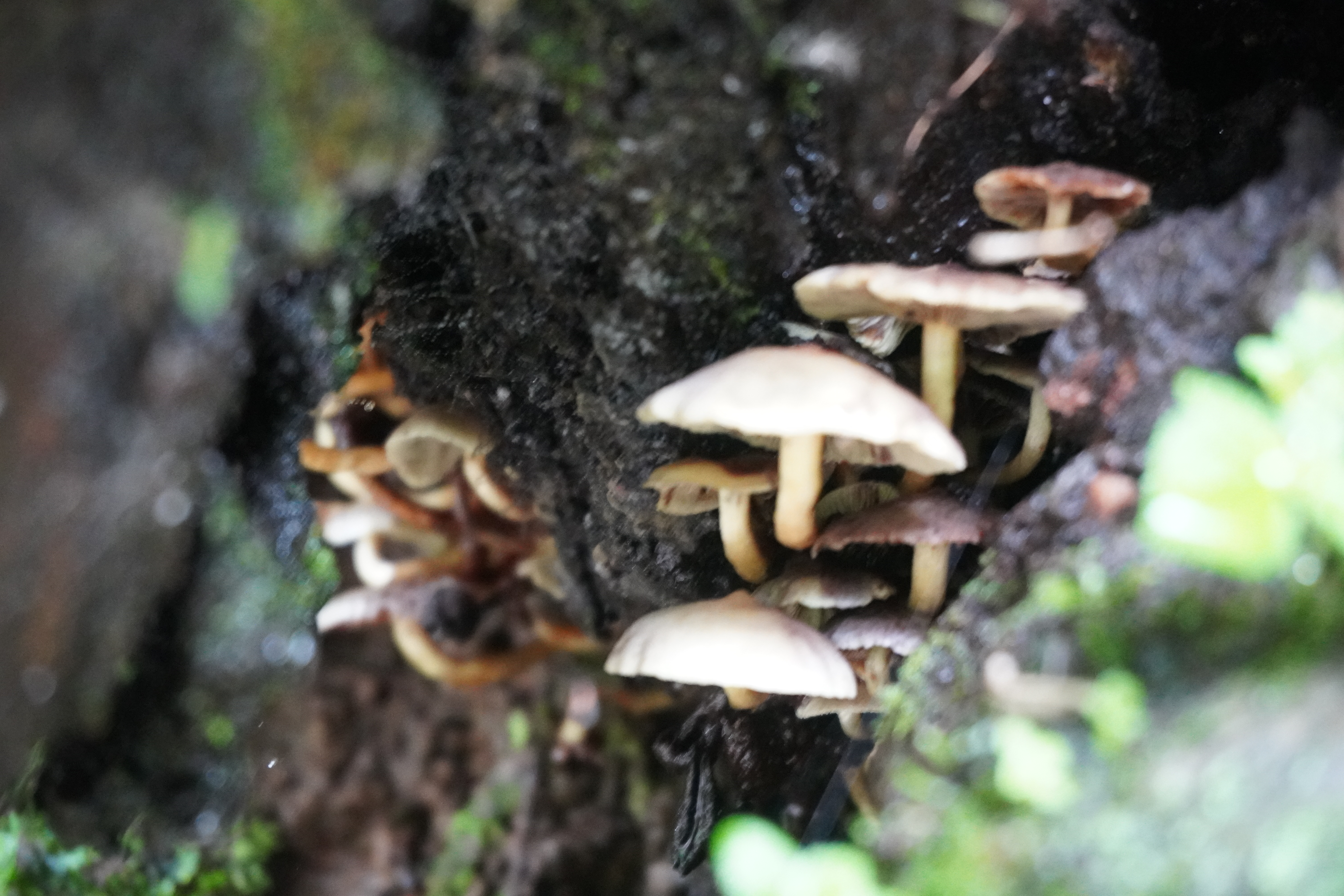
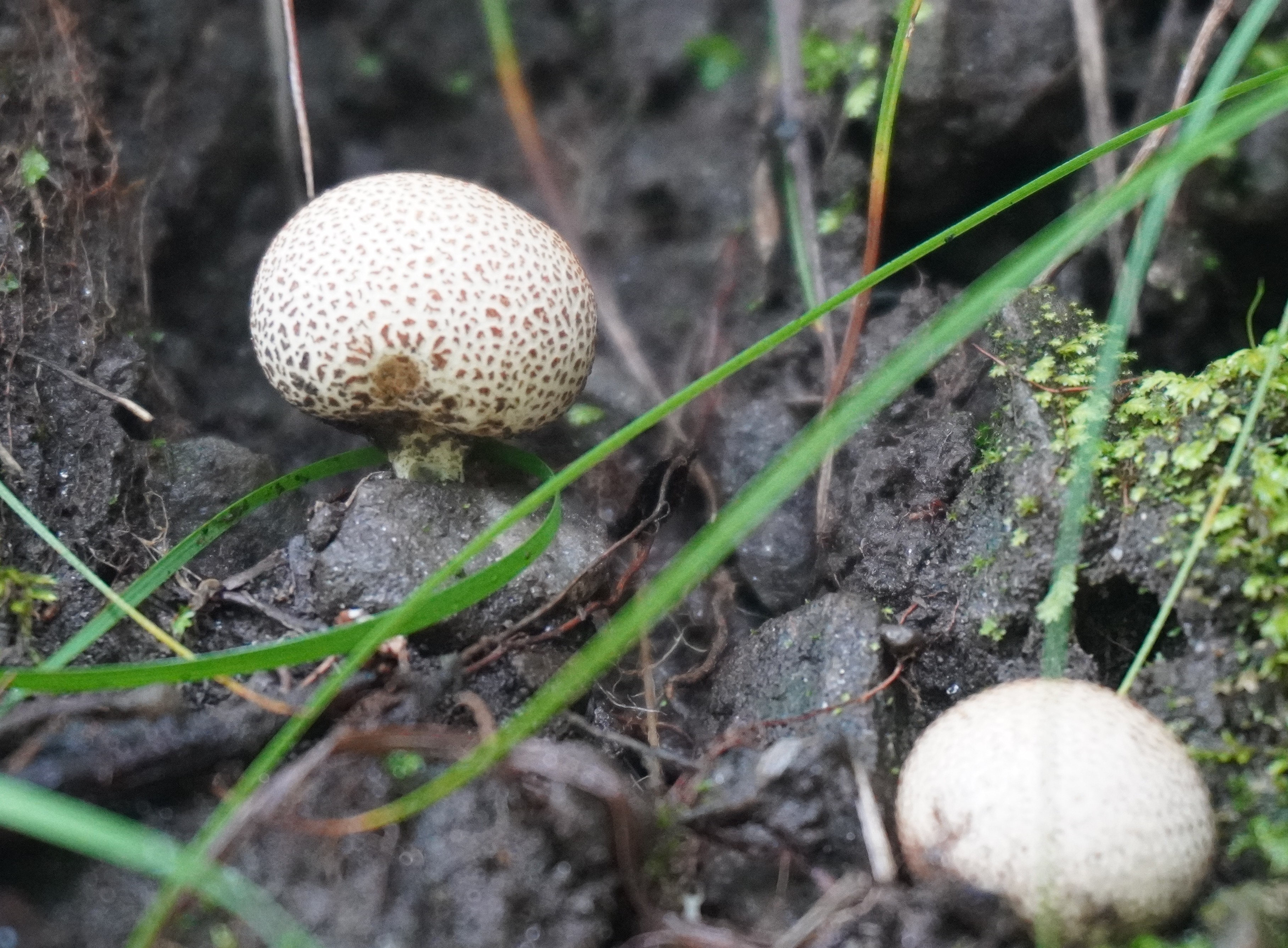
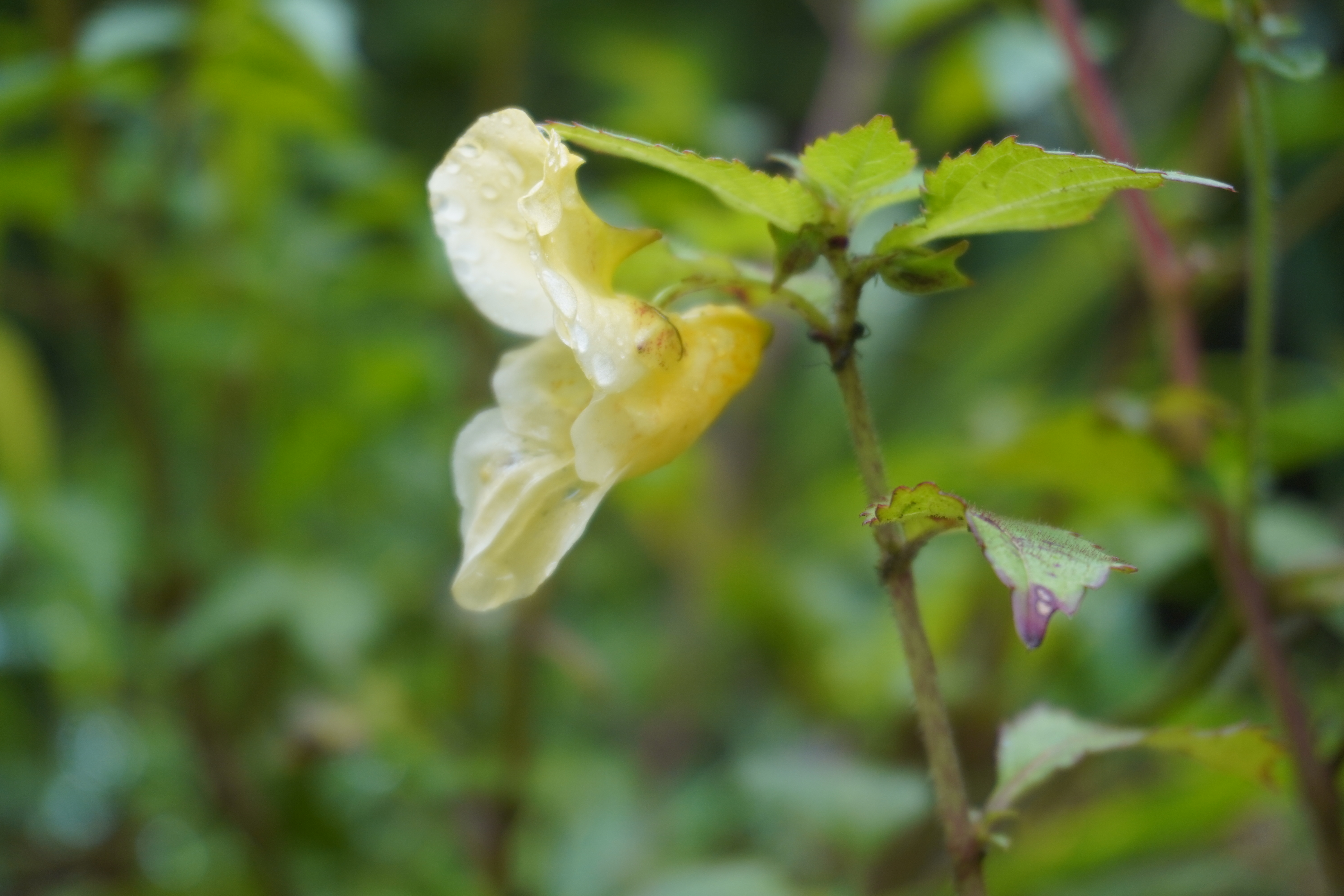
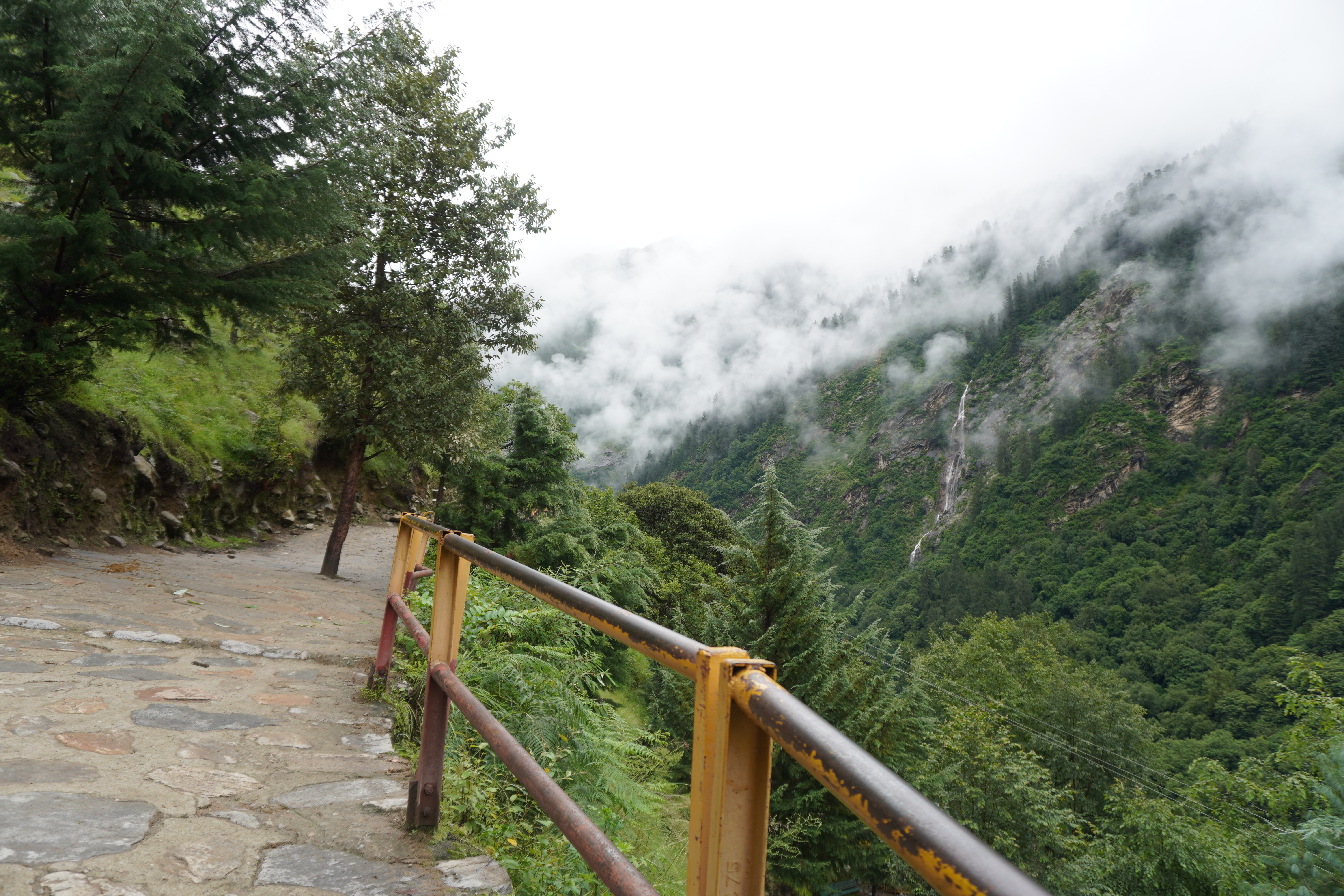
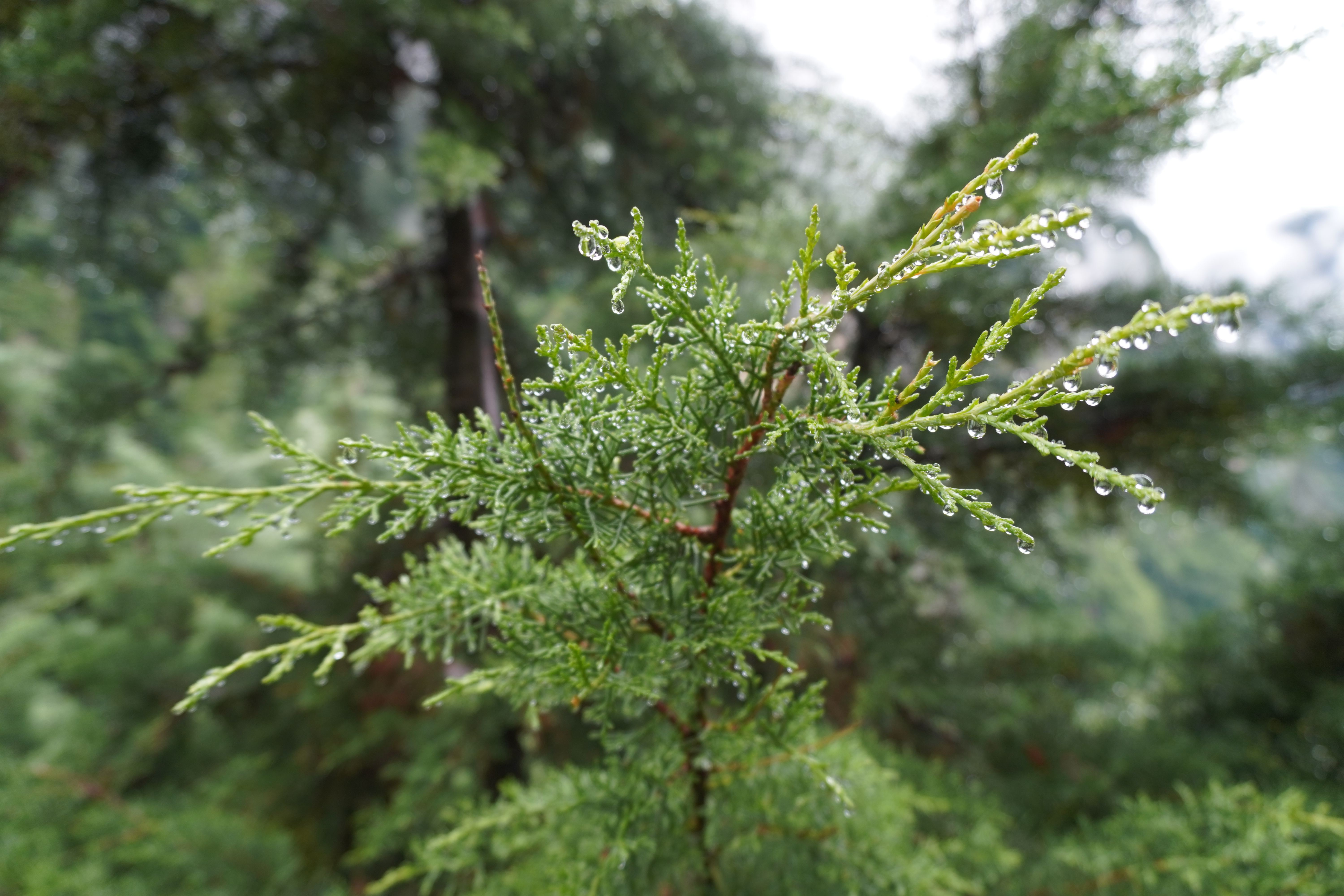
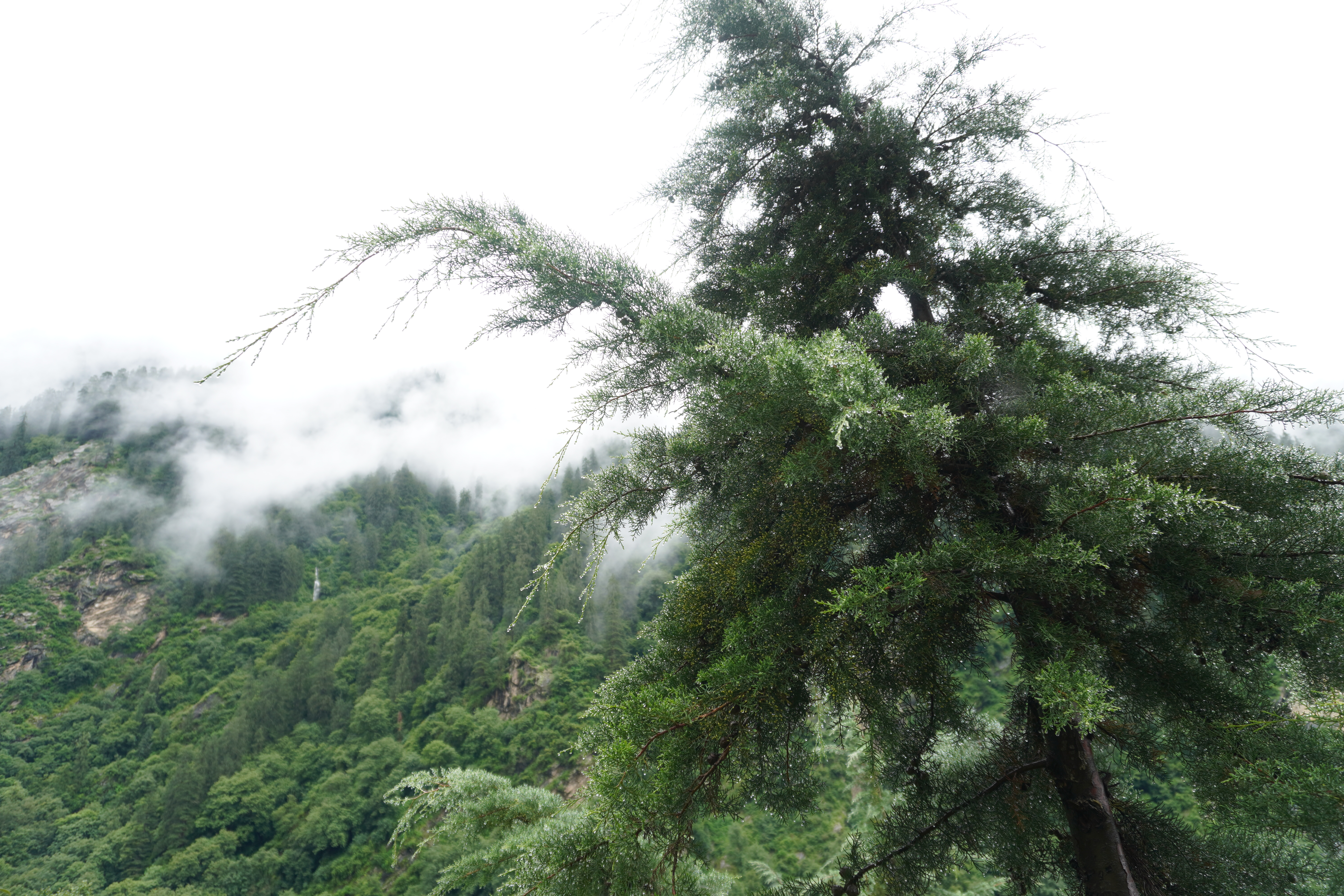
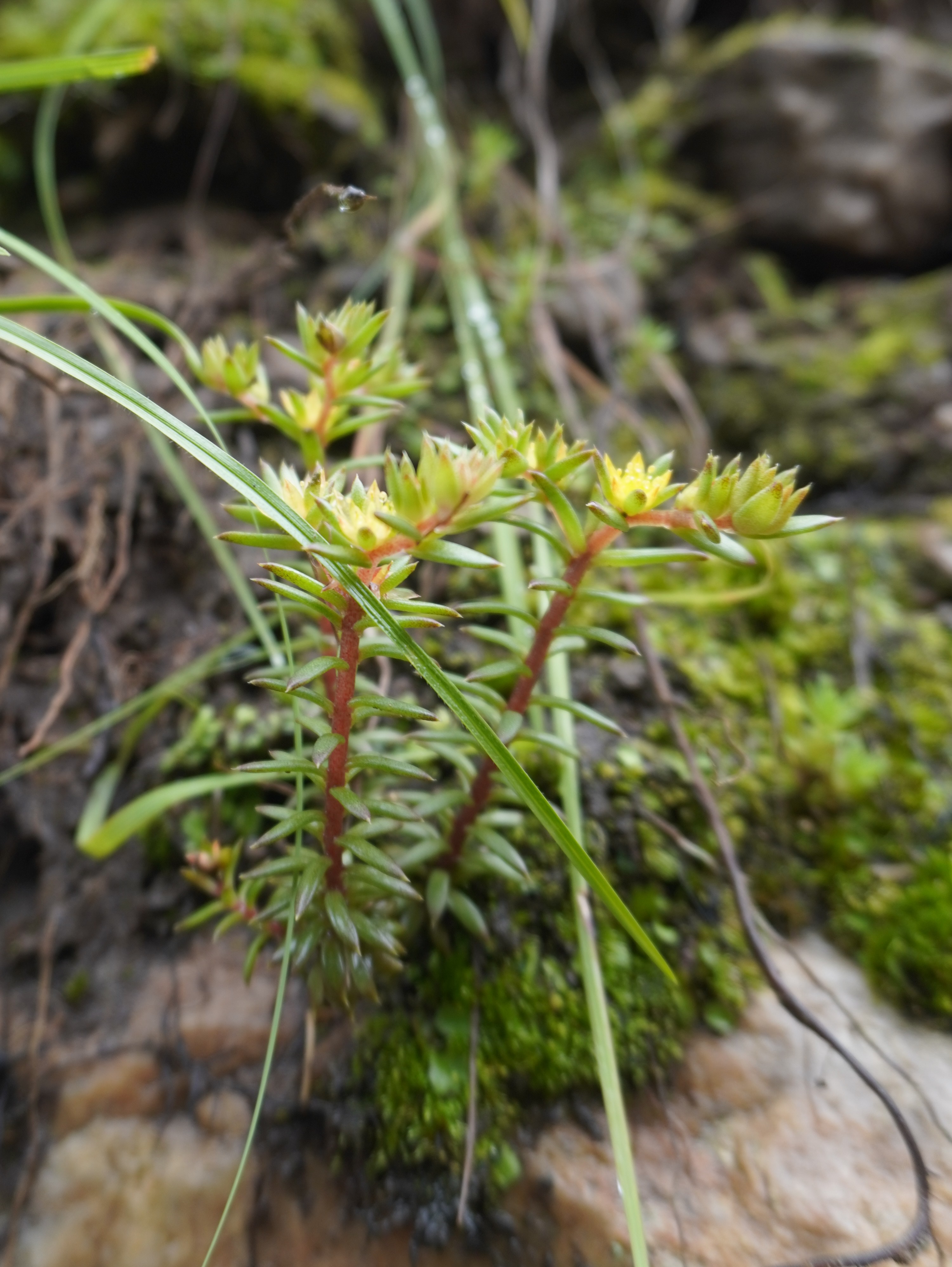
Descending trekkers kept telling me to save my photography for the top. I initially took this as friendly advice. By the end of the trek, I understood it was sarcasm. I was glad I ignored them anyway.
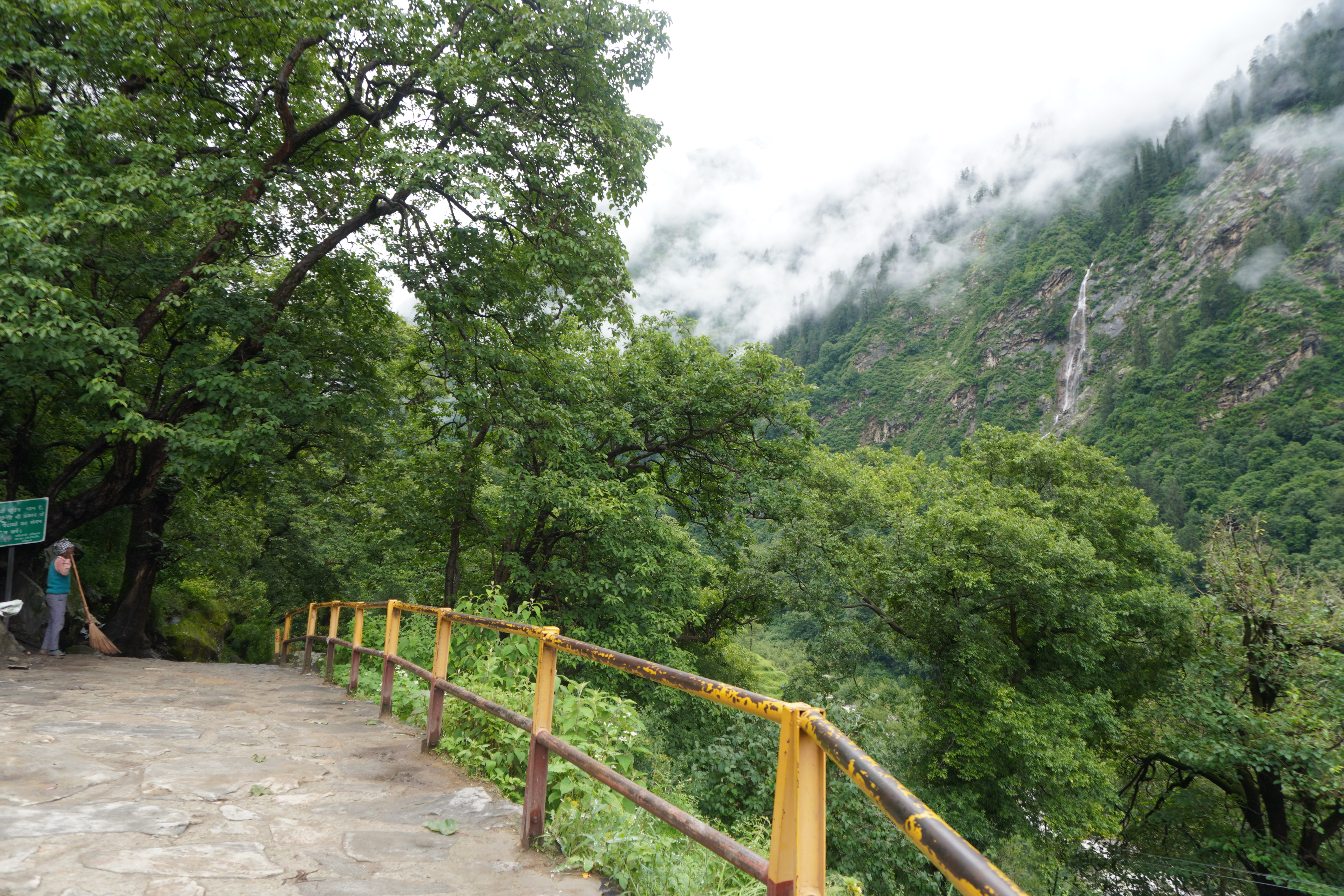
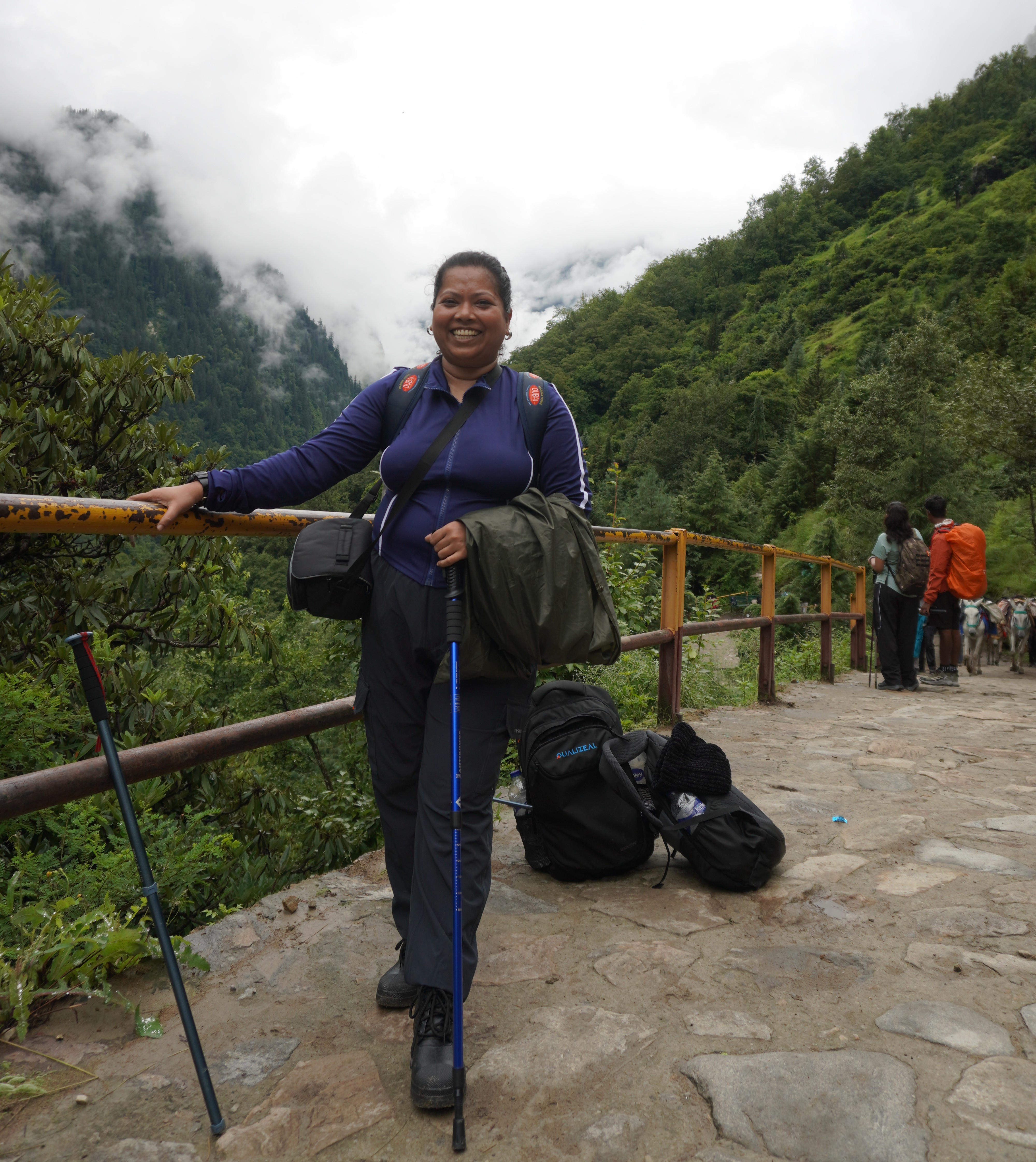
I walked with my aunt for a while before eventually telling her to go on ahead without me. I move at my own gloriously unhurried pace, replying to work emails mid-climb like a true multitasking marvel and I didn’t want to be the reason she missed daylight. That “leisure pace” translated into me strolling into Ghangaria at 6:30 PM, last one to do so, having skipped lunch entirely, a fate shared by my aunt, who nearly collapsed en route before the kind Keralite couple from our group swooped in and walked the rest of the way with her, basically adopting her for the afternoon.
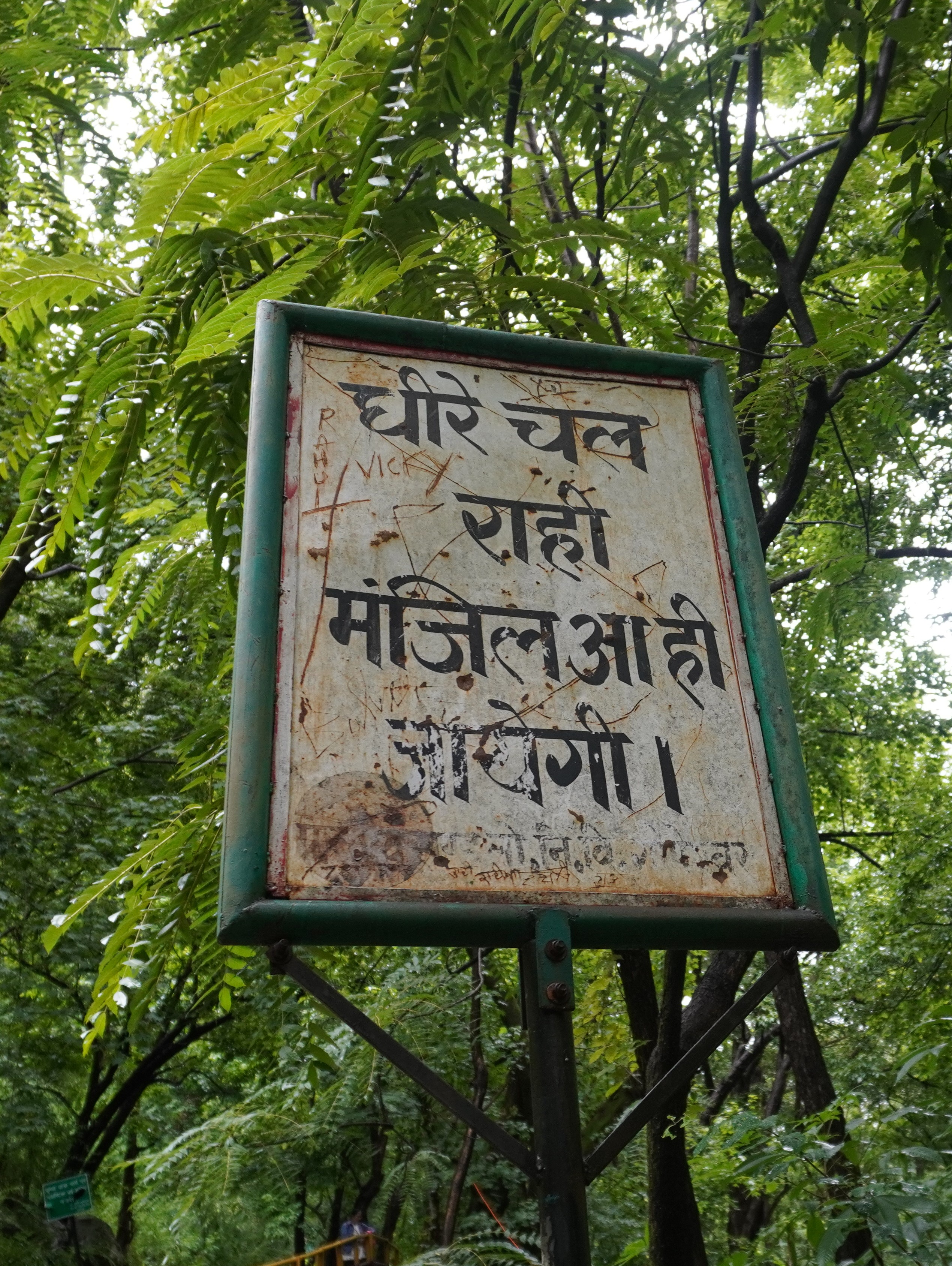
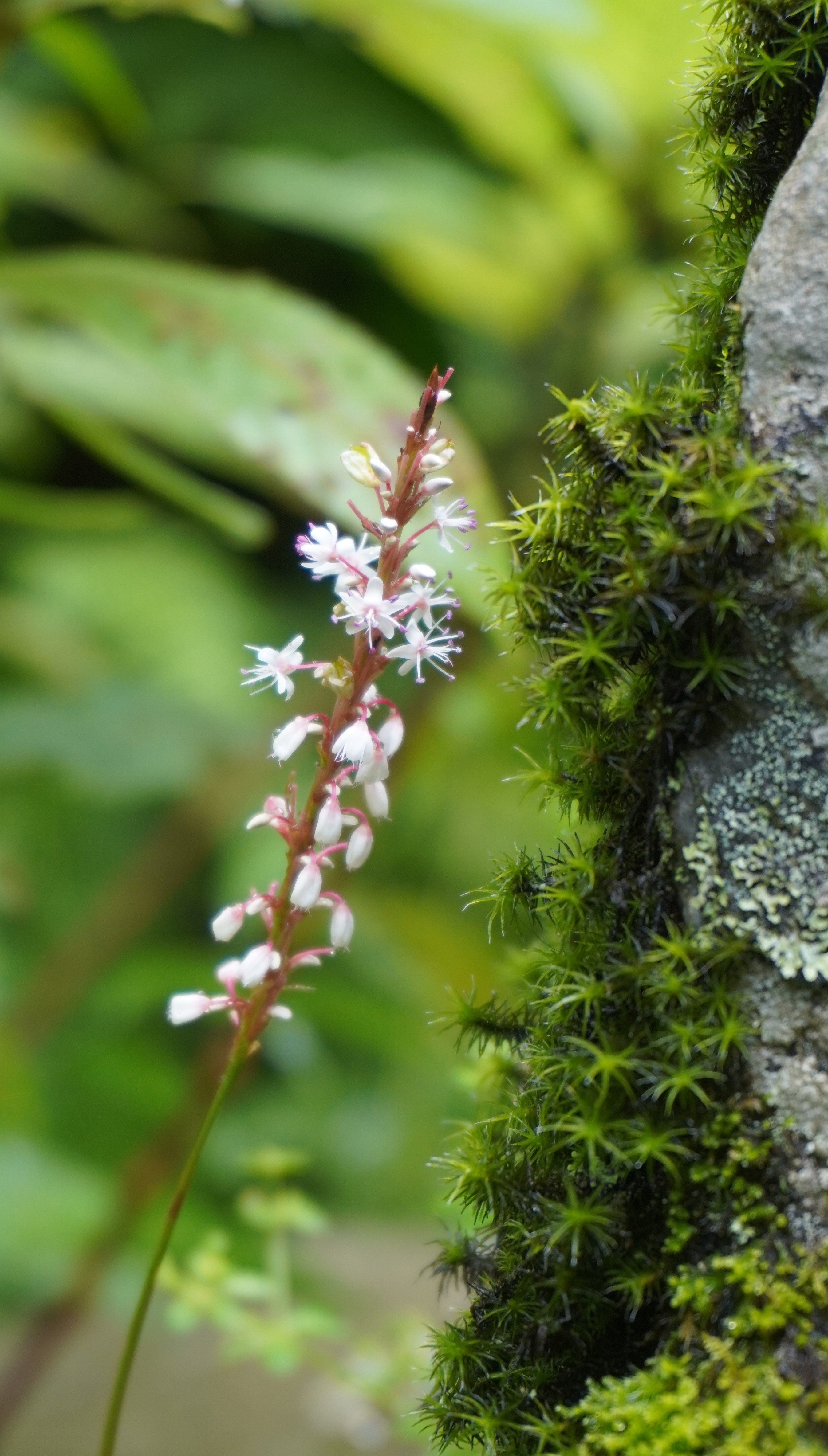
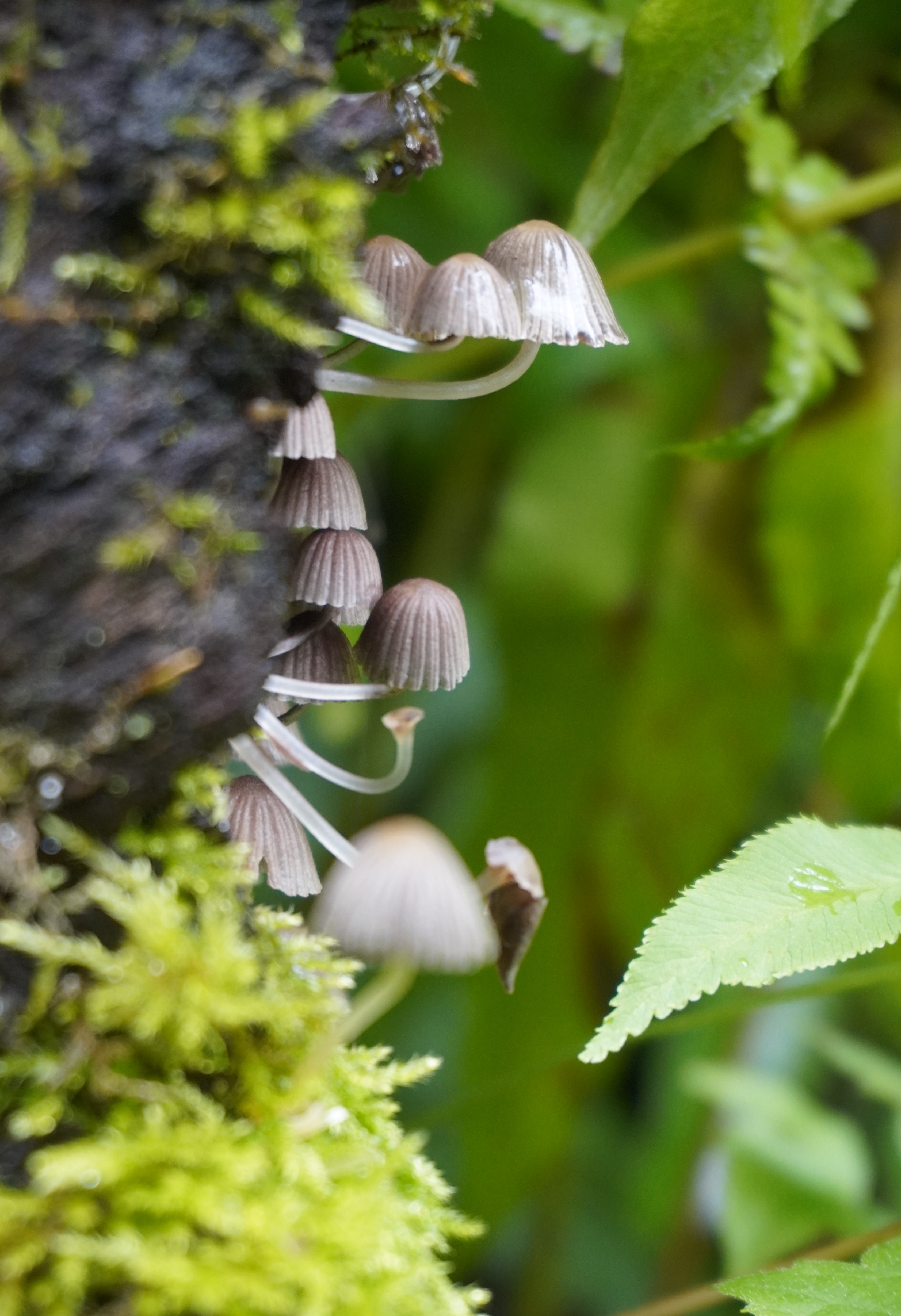
I had been operating under the confident, thoroughly incorrect assumption that, like every other YHAI trek, the group would magically converge at some designated spot for lunch around 2 PM.
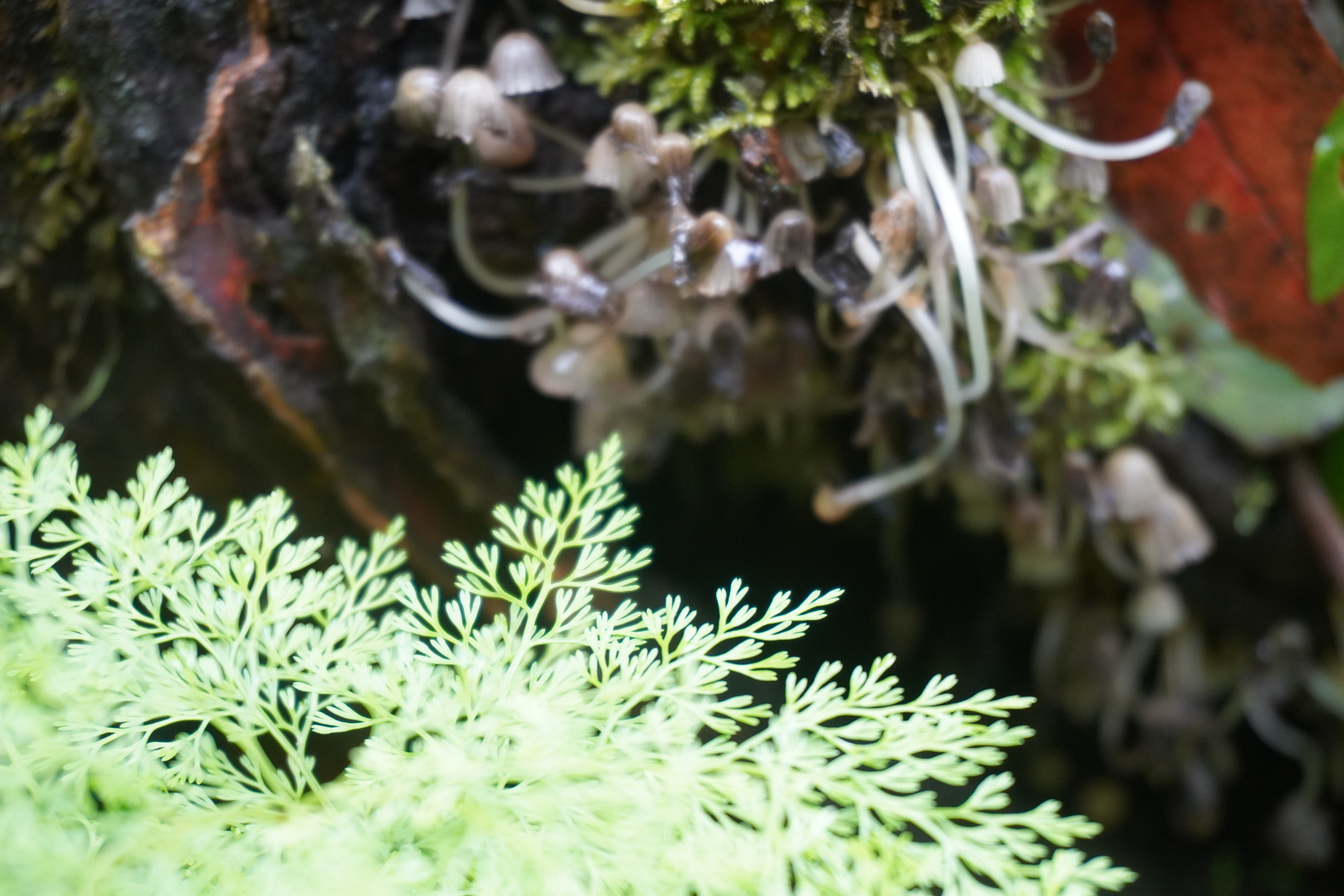
So we kept walking, hopefully scanning the horizon for our fellow trekkers and packed lunch, clinging to a mirage that, of course, never materialized.
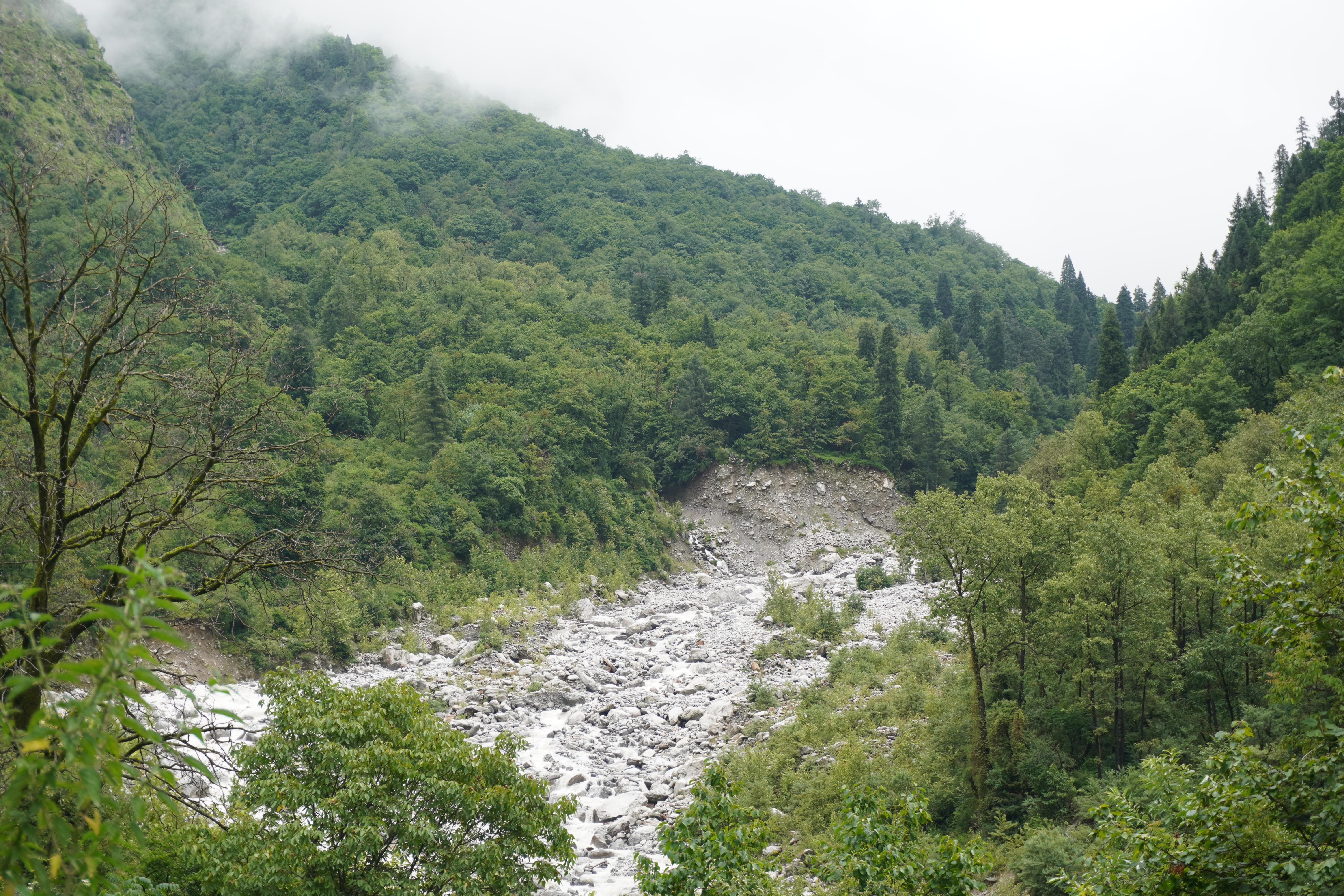
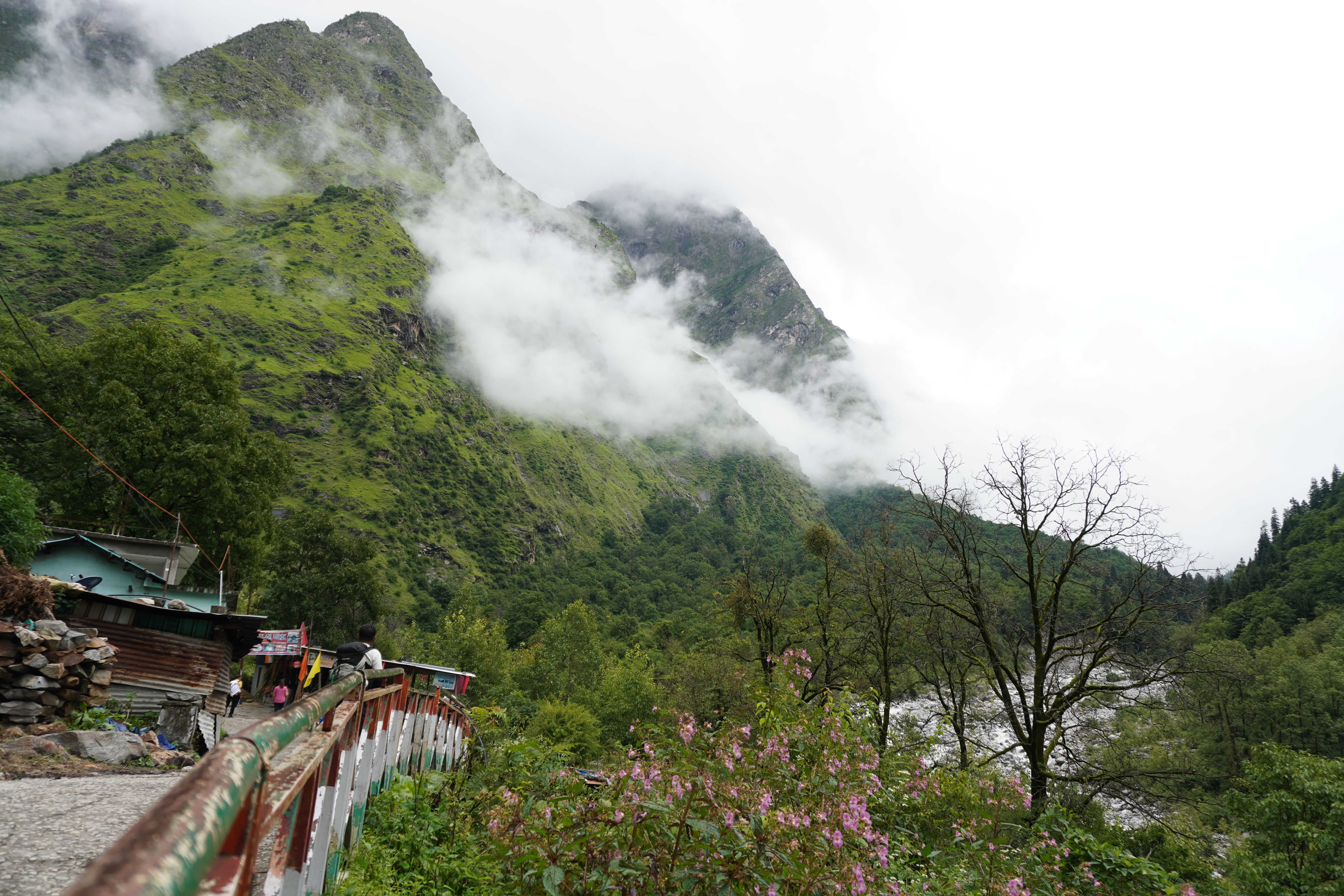
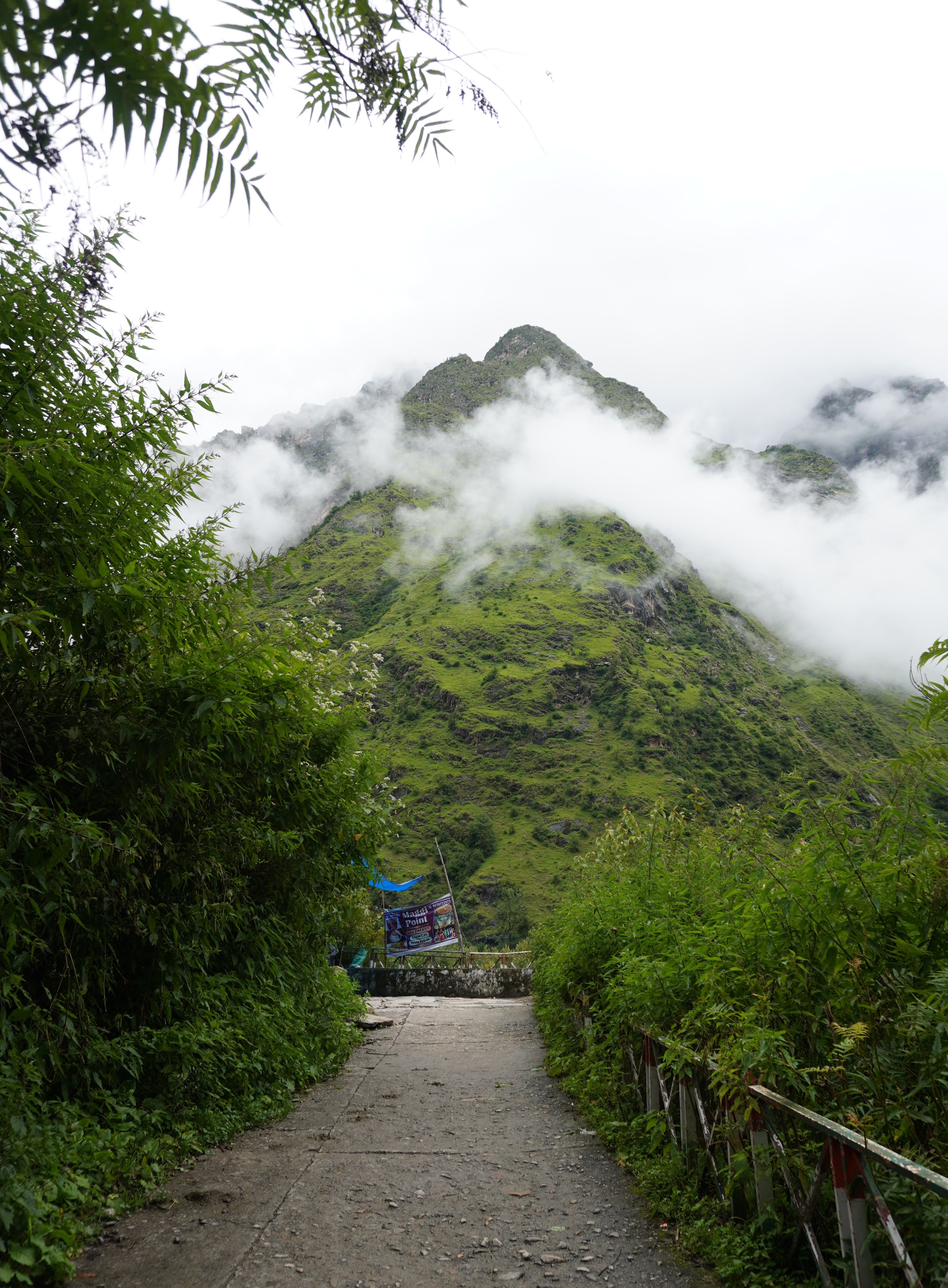
Reaching the plateau of Ghangaria, dotted with Swiss tents against a backdrop of thundering waterfalls, felt like arrival – except our camp was a further kilometre uphill. I dragged myself in by 6:30 PM.
I had spent years telling people YHAI always secures the best campsites, even ones other groups can’t access. This particular site tested that theory to its limit and by the end of the trip, I had quietly filed the entire trek experience under “exception.”
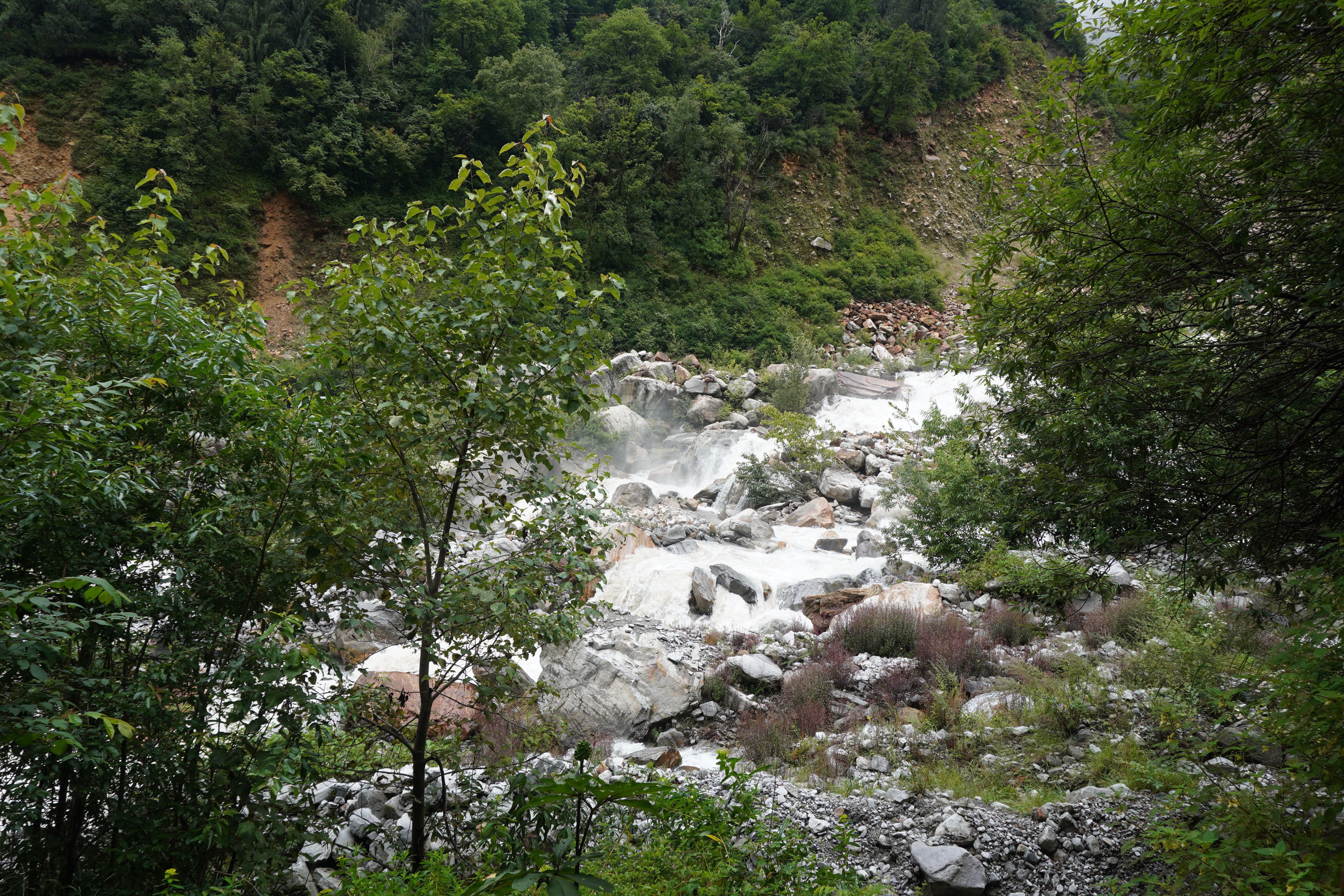
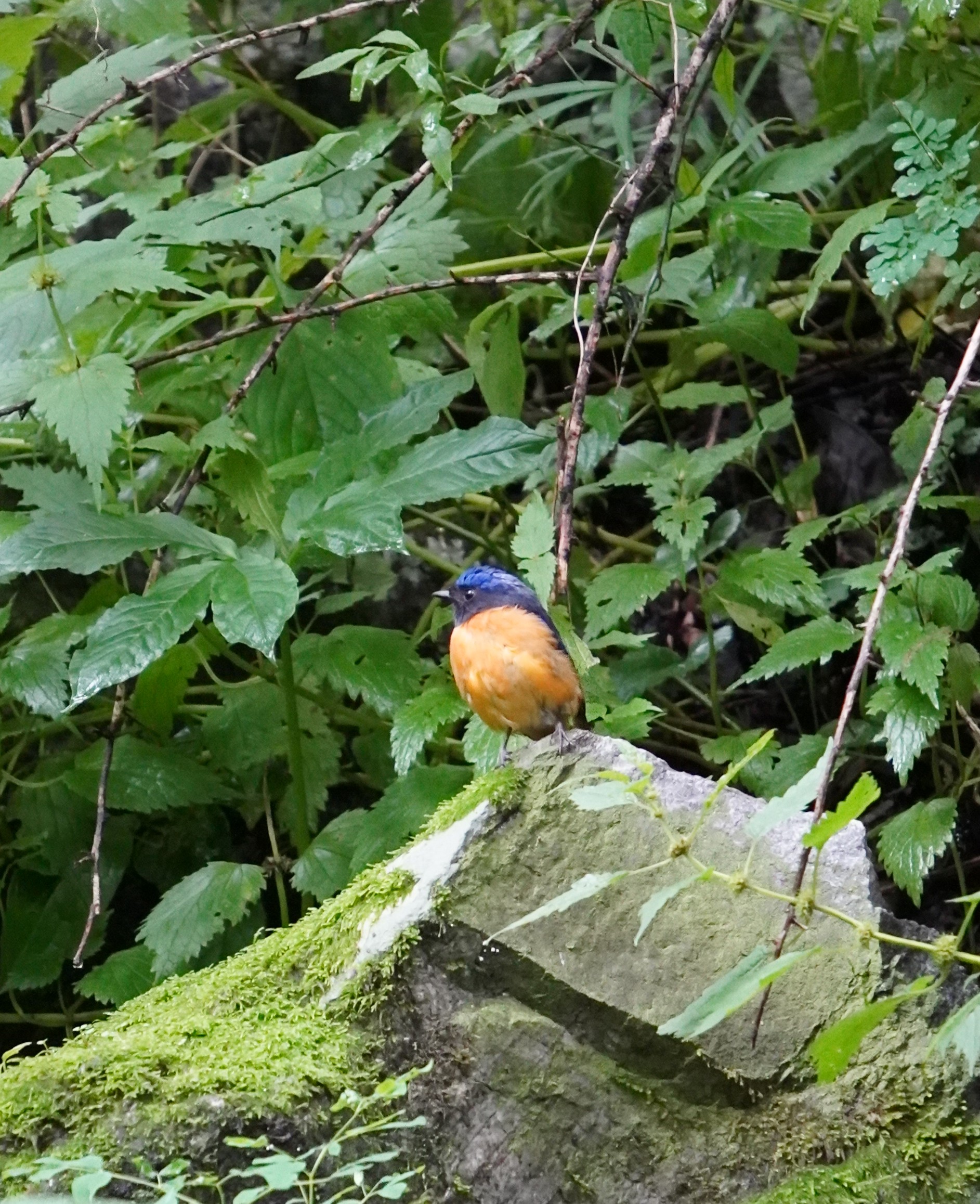
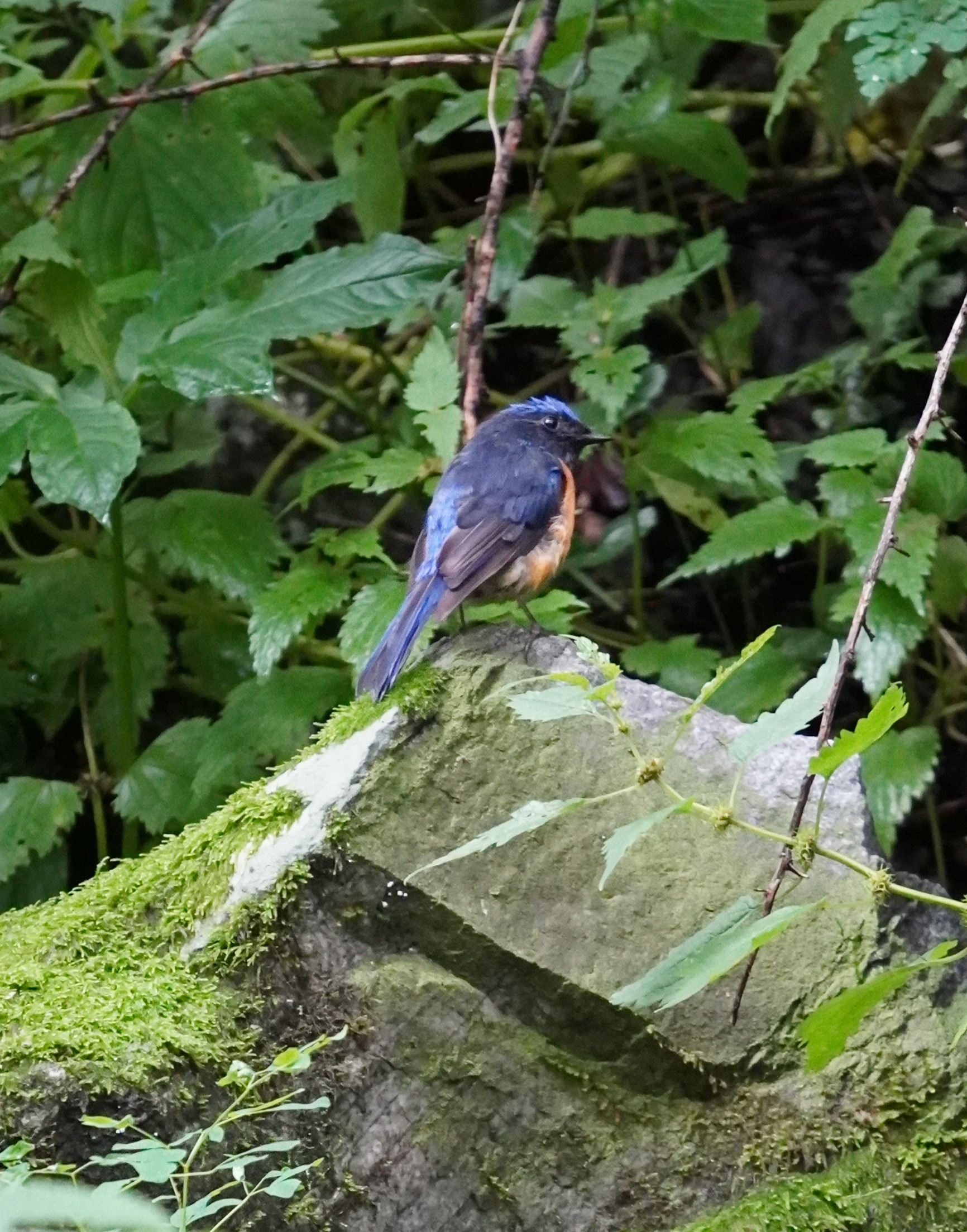
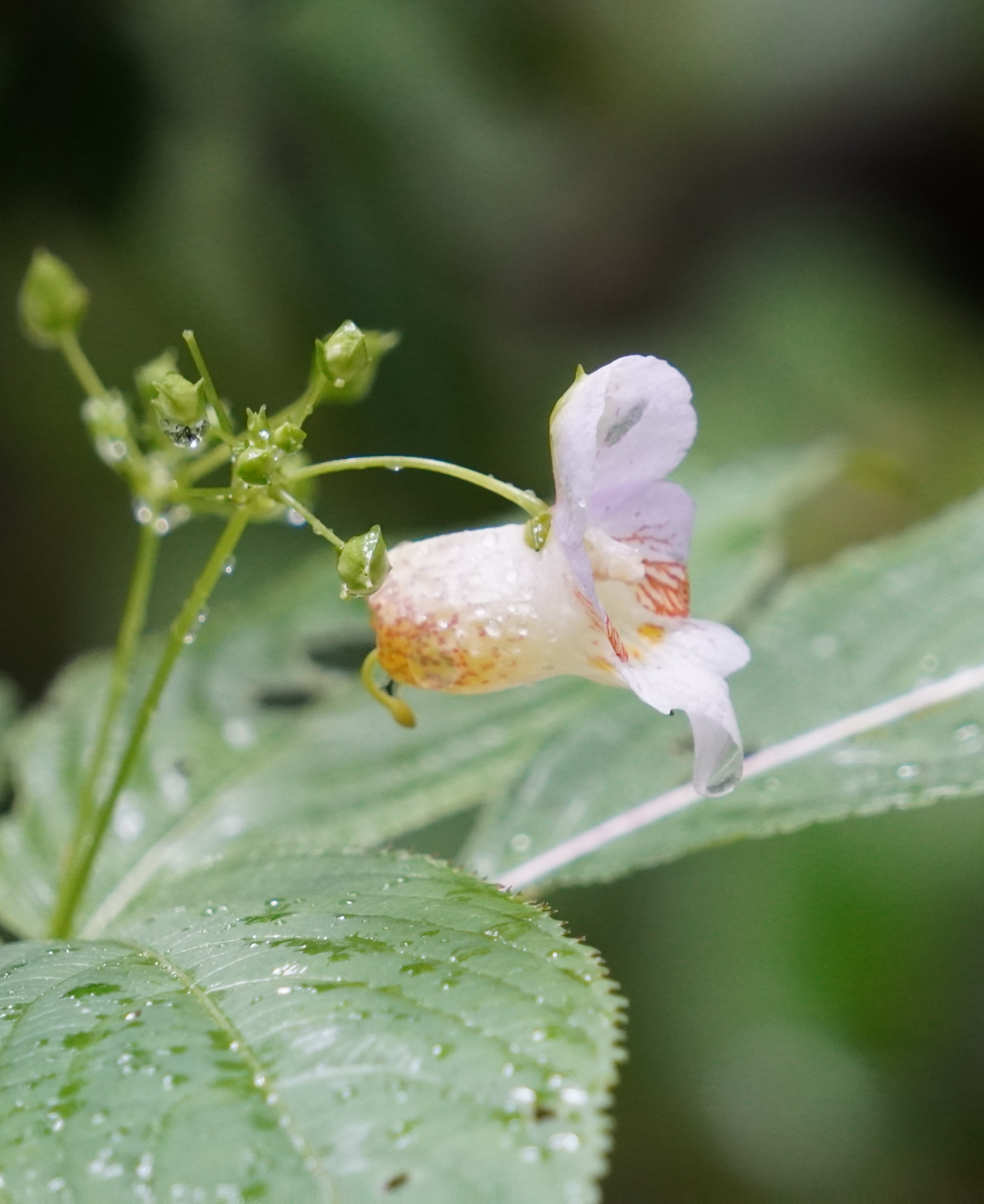
There were total 8 ladies, 3 of them in another room and 5 of us ladies were crammed into a room meant for far fewer, with a broken bathroom window and door for company, the men, apparently, fared better. Meals settled into a predictable rotation of rice, dal, fried chips, potato-laced vegetables and one sweet dish. Fuel, not fine dining, but it did the job for three nights.
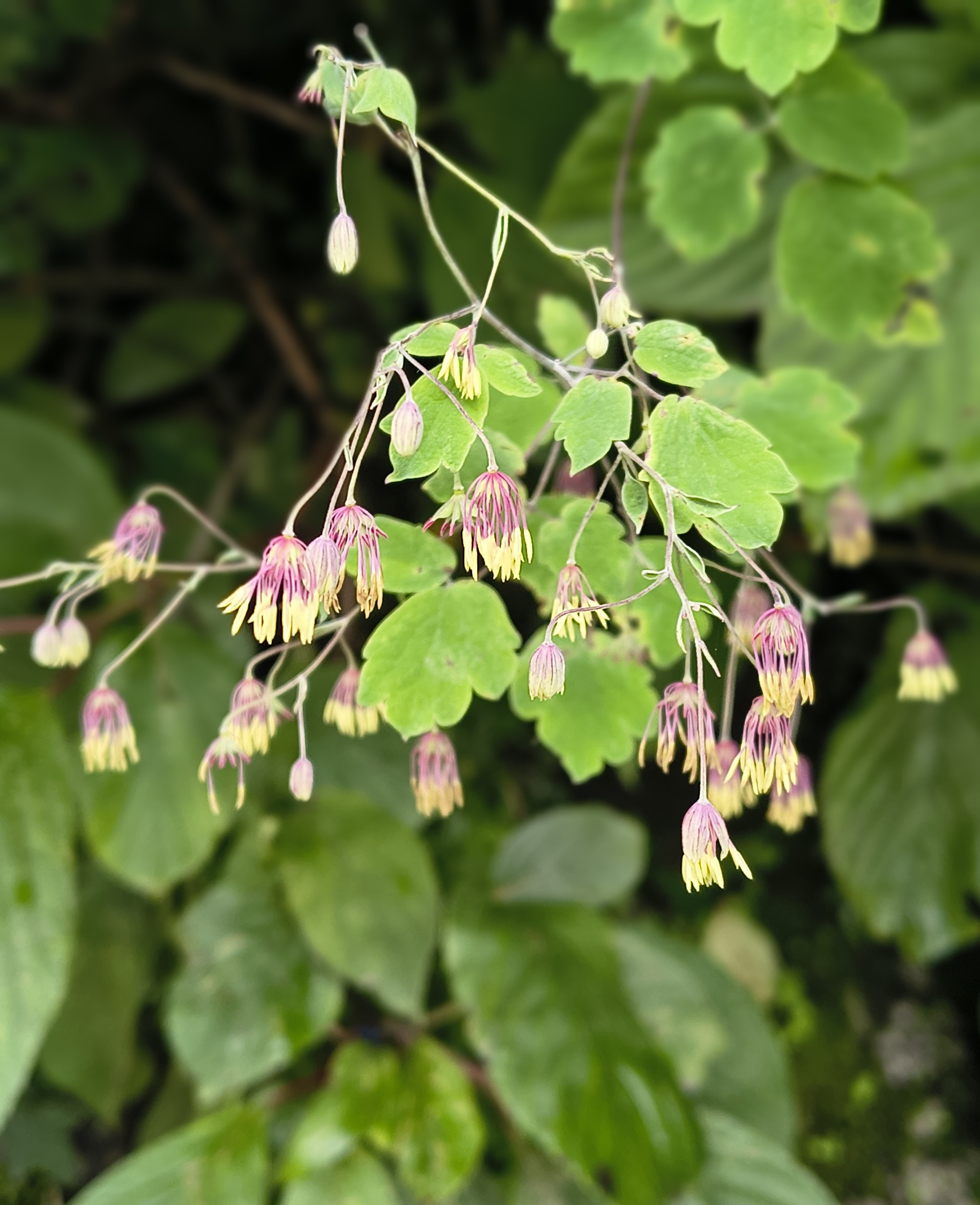
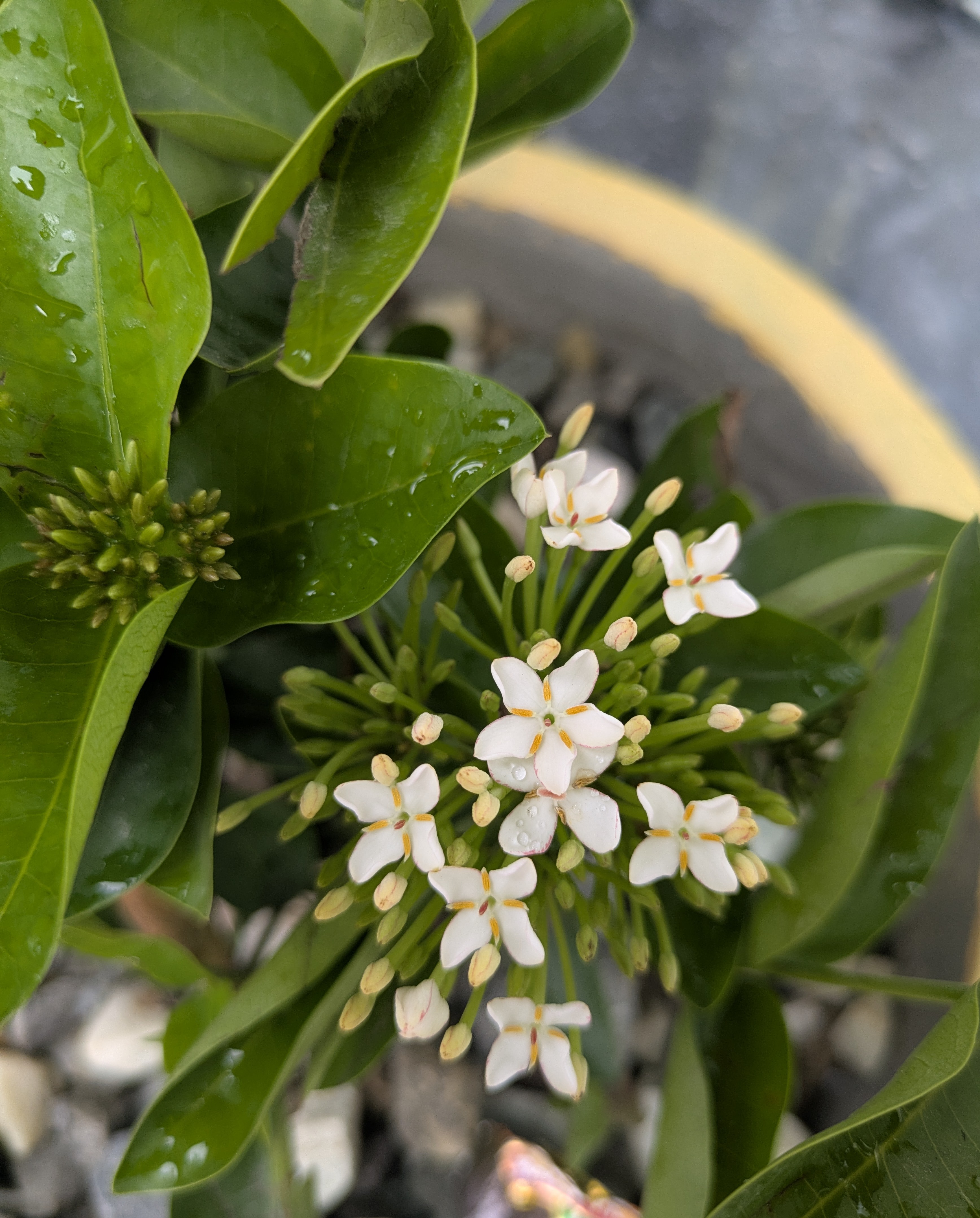
Plans shifted overnight, Valley of Flowers was postponed in favour of Hemkund Sahib, a steep, zigzagging 6-km climb (one way) that horses and pithus handle just fine, but my lungs treated this as a personal declaration of war. I was gasping partway in, questioning every life choice that led me here. My aunt, still nursing psychological scars from a horseback misadventure on a past Kashmir trip, wisely turned back at the checkpoint to let yesterday’s trek finish assaulting her legs in peace. I very nearly followed her, right up until someone uttered the magic word “Brahmakamal,” I remembered that rare high-altitude flower said to bloom around Hemkund and the botanist in me sat bolt upright, fully prepared to suffer for science and Instagram in equal measure.
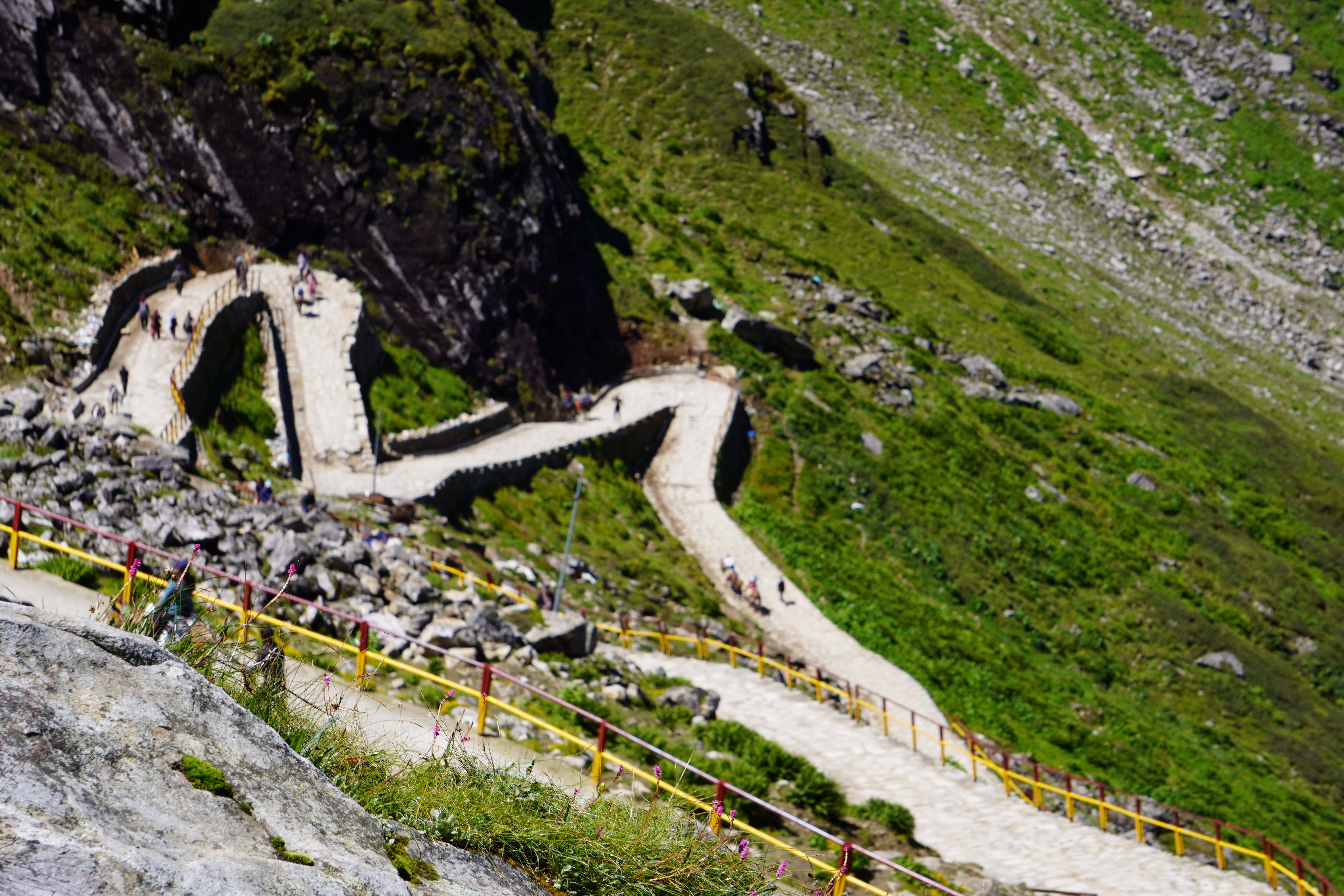
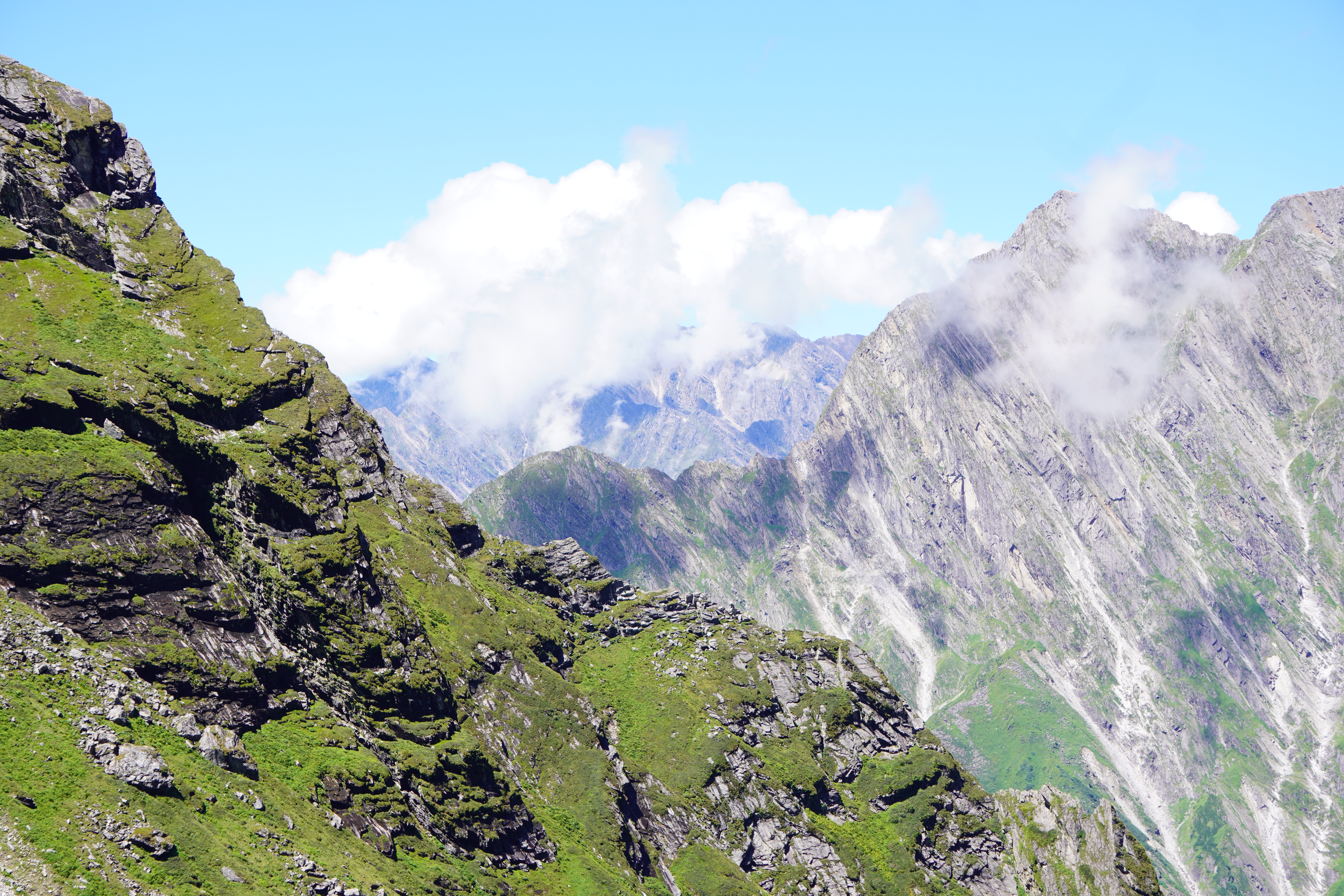
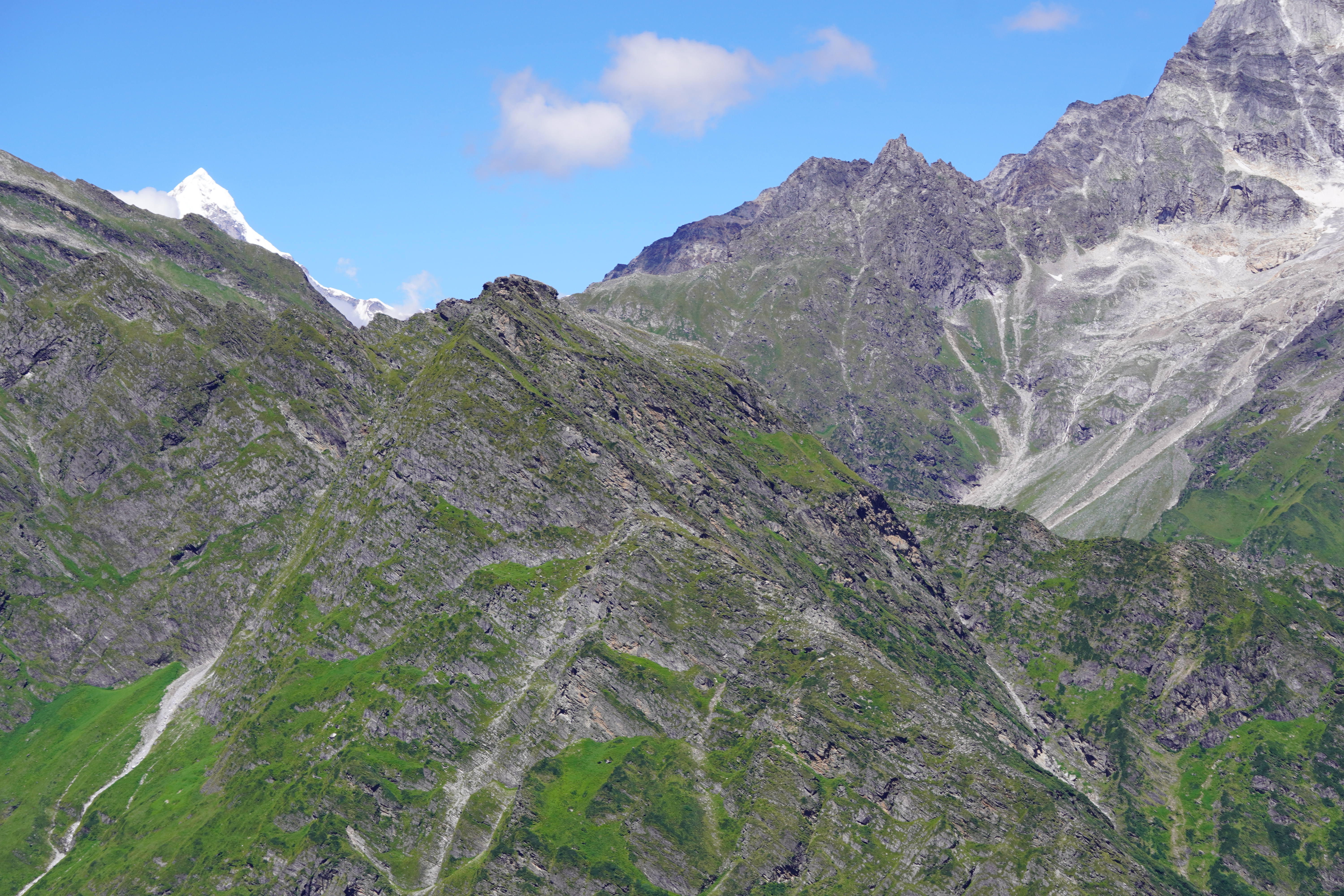
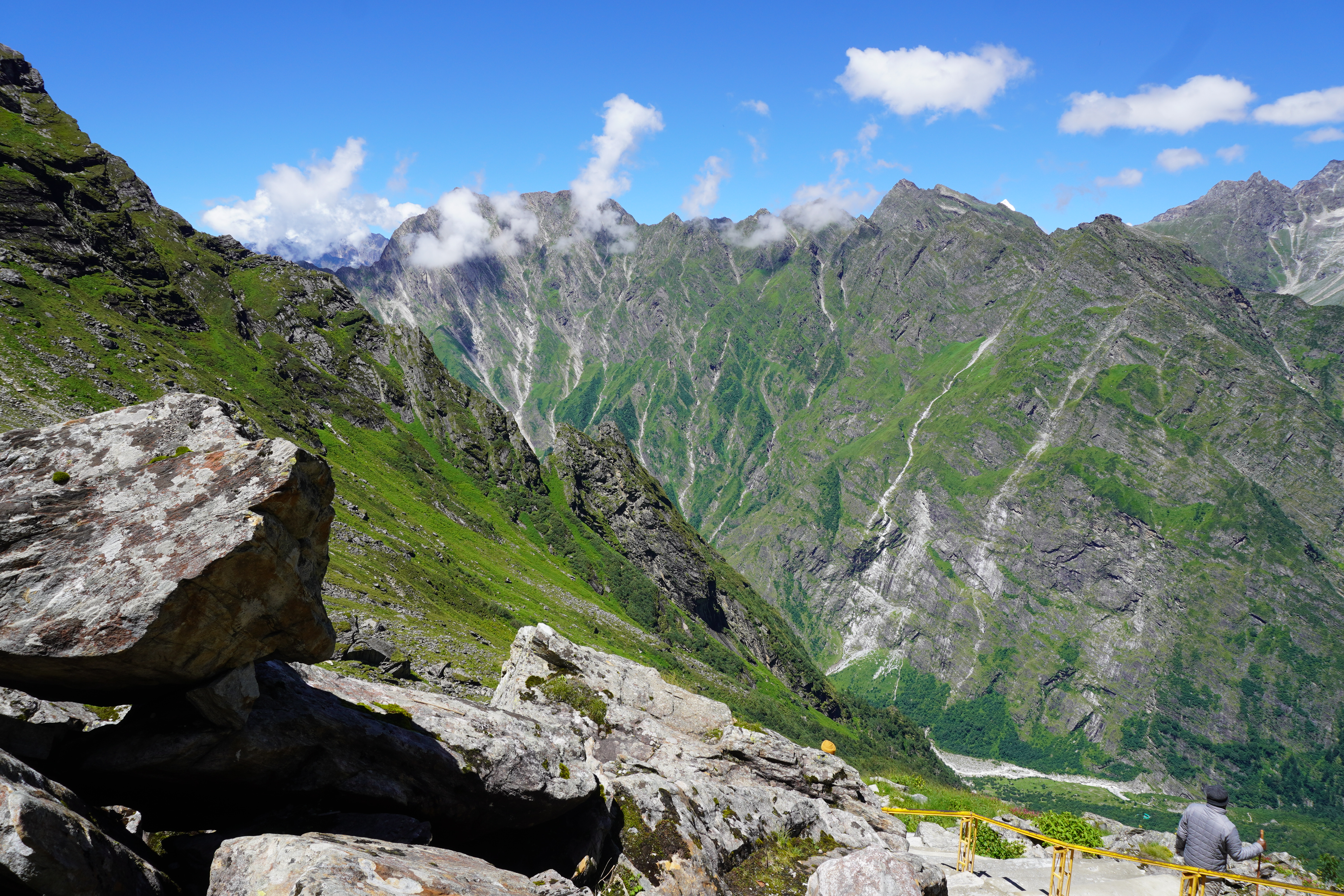
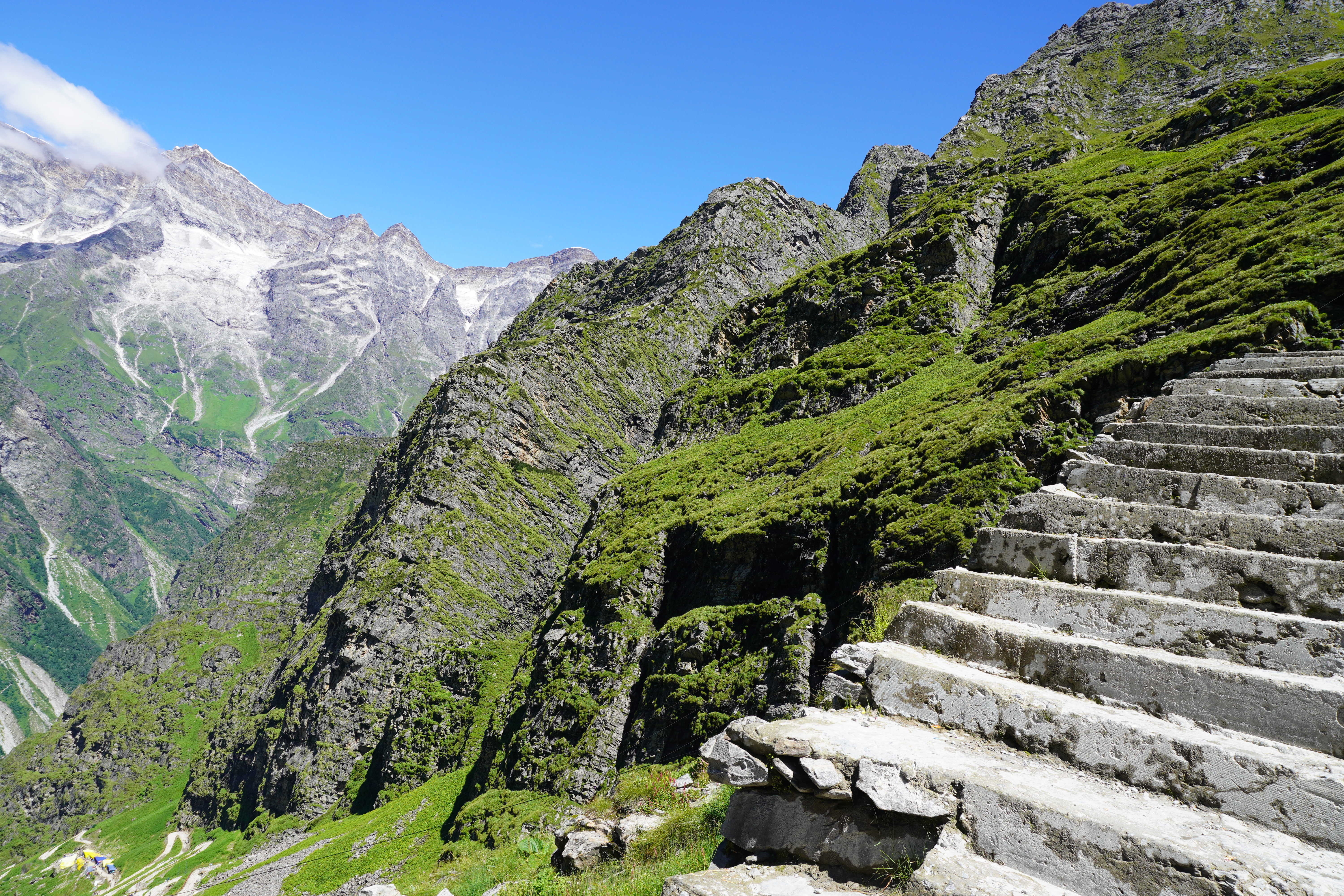
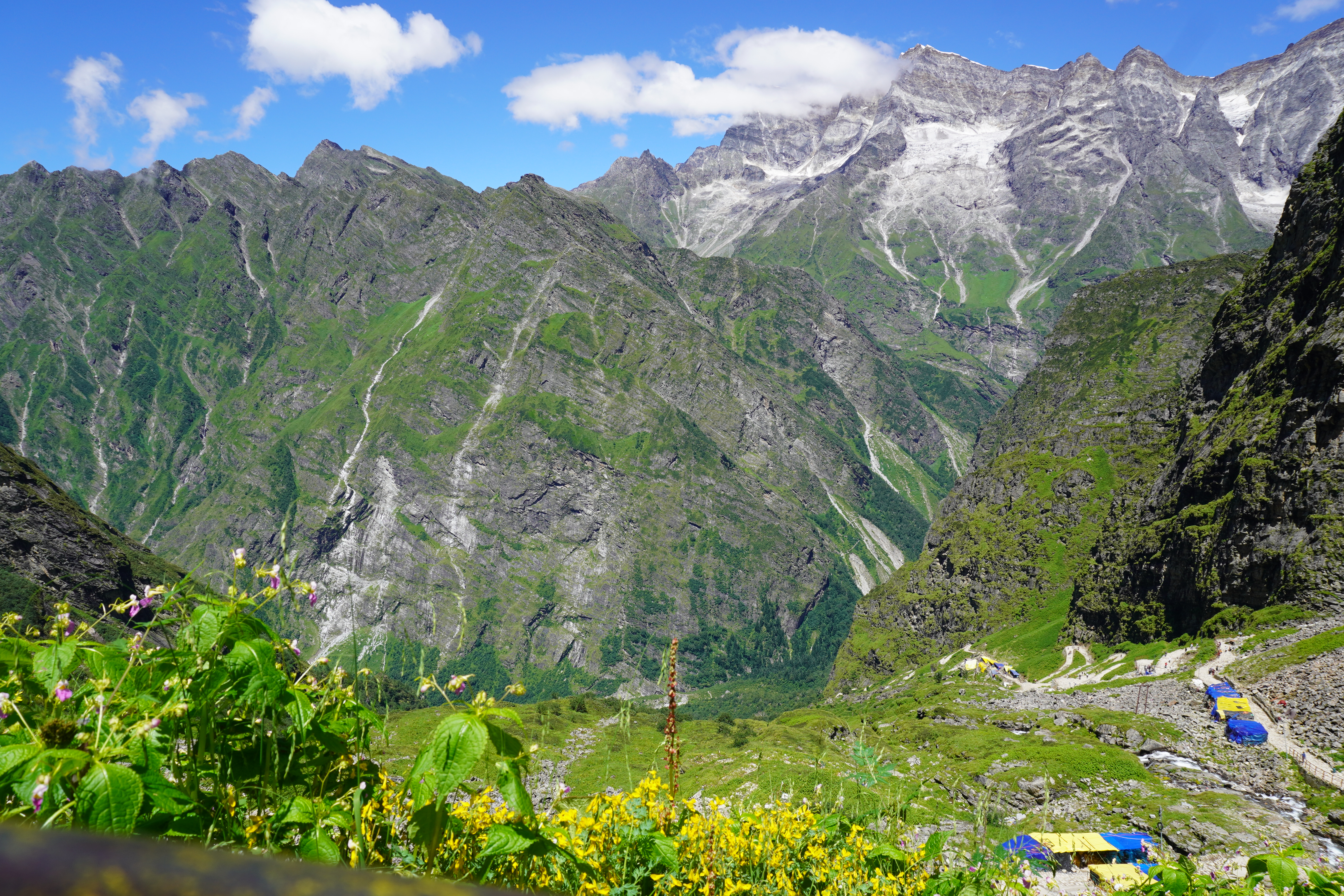
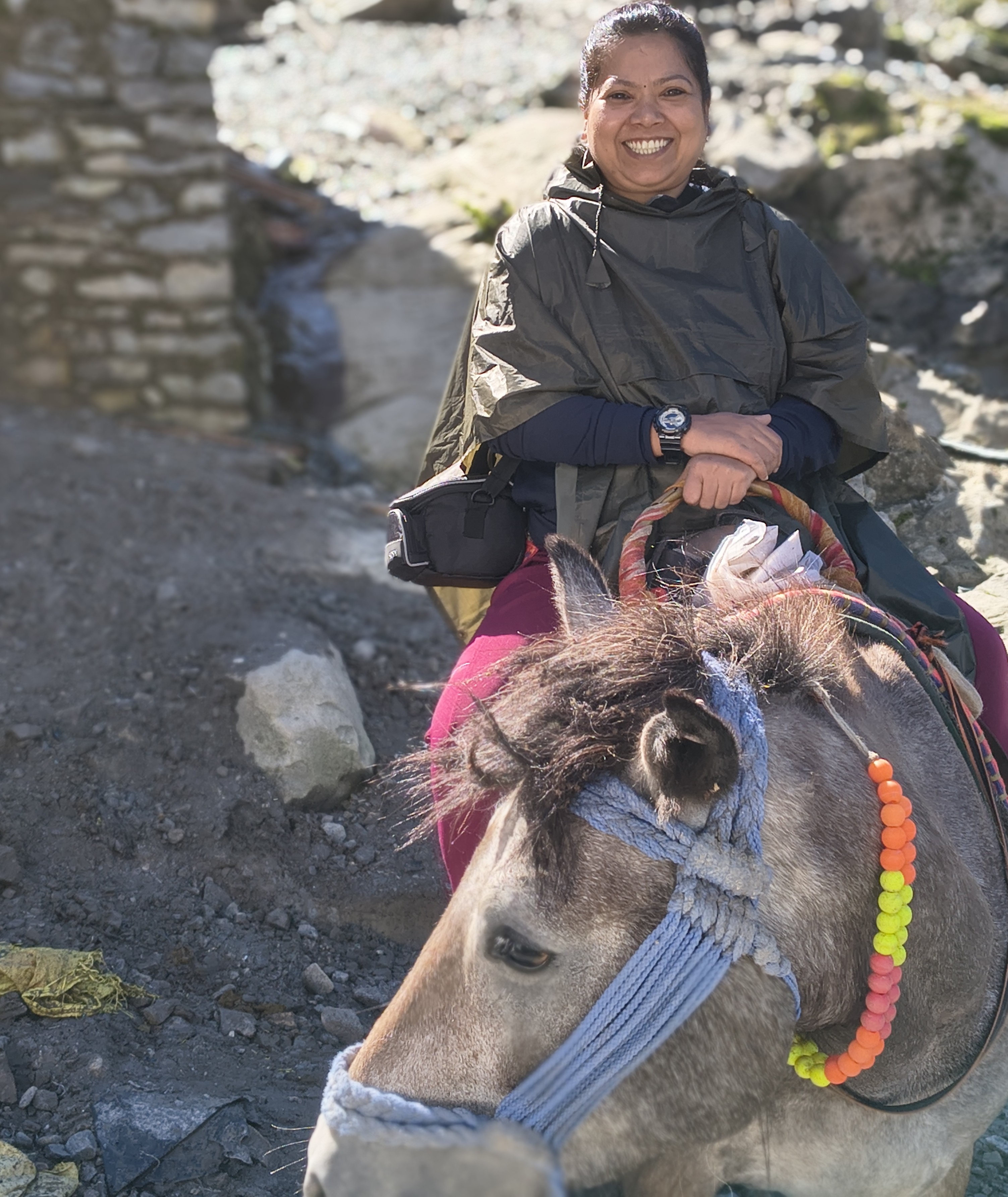
One-way on horseback was ₹2,100, while the full return package went for ₹3,200, I picked the one-way option, having decided that gravity was a far more reliable and considerably cheaper travel partner for the descent. Getting comfortable on the horse took some doing, leaning into its rhythm on the steep bits like an amateur auditioning for a very low-budget equestrian film, but after a water-and-protein-bar pit stop at the 1.5-hour mark, also, the poncho shield me from early morning freezing breeze, another 45 minutes delivered me, slightly rattled but victorious, to the top.
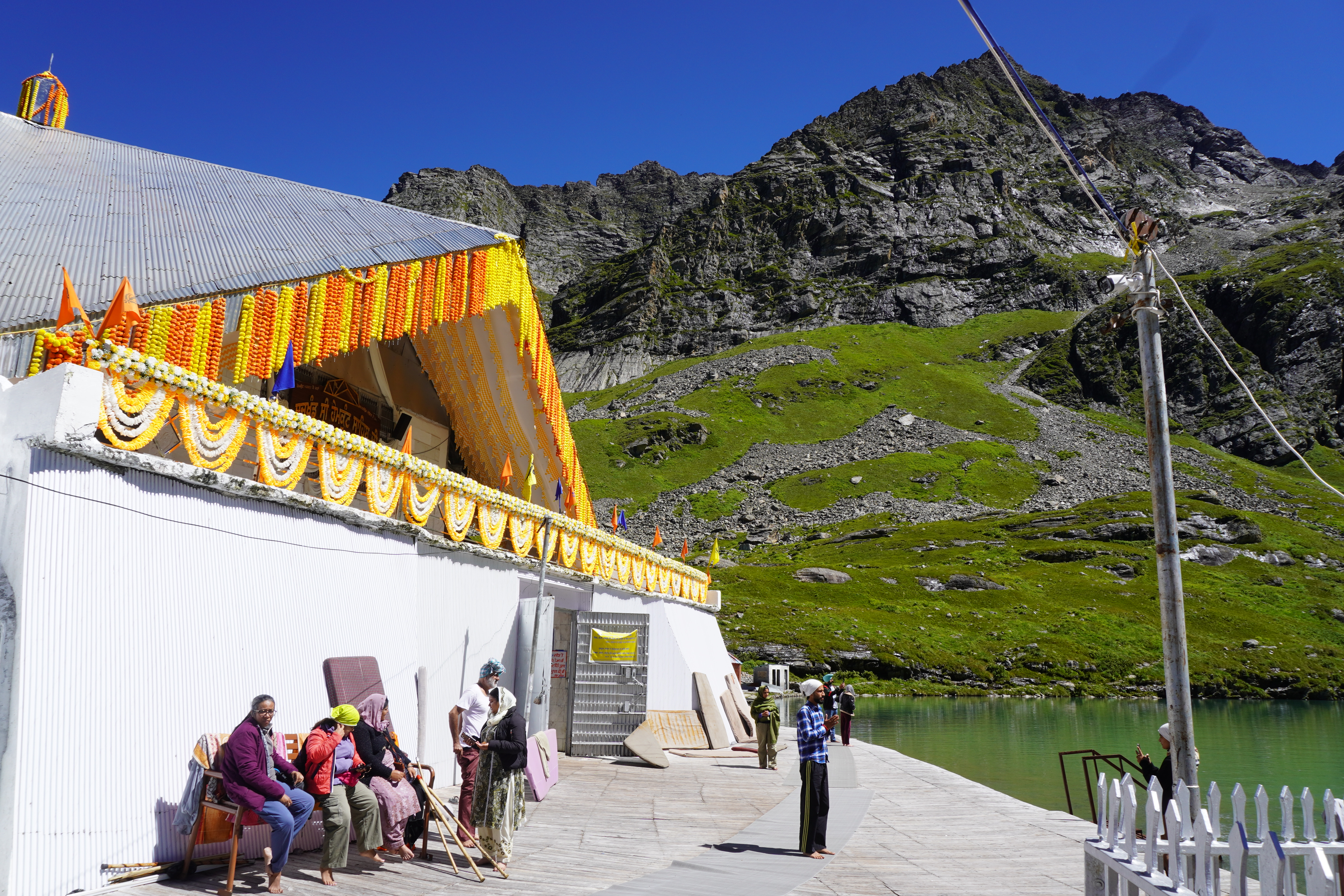
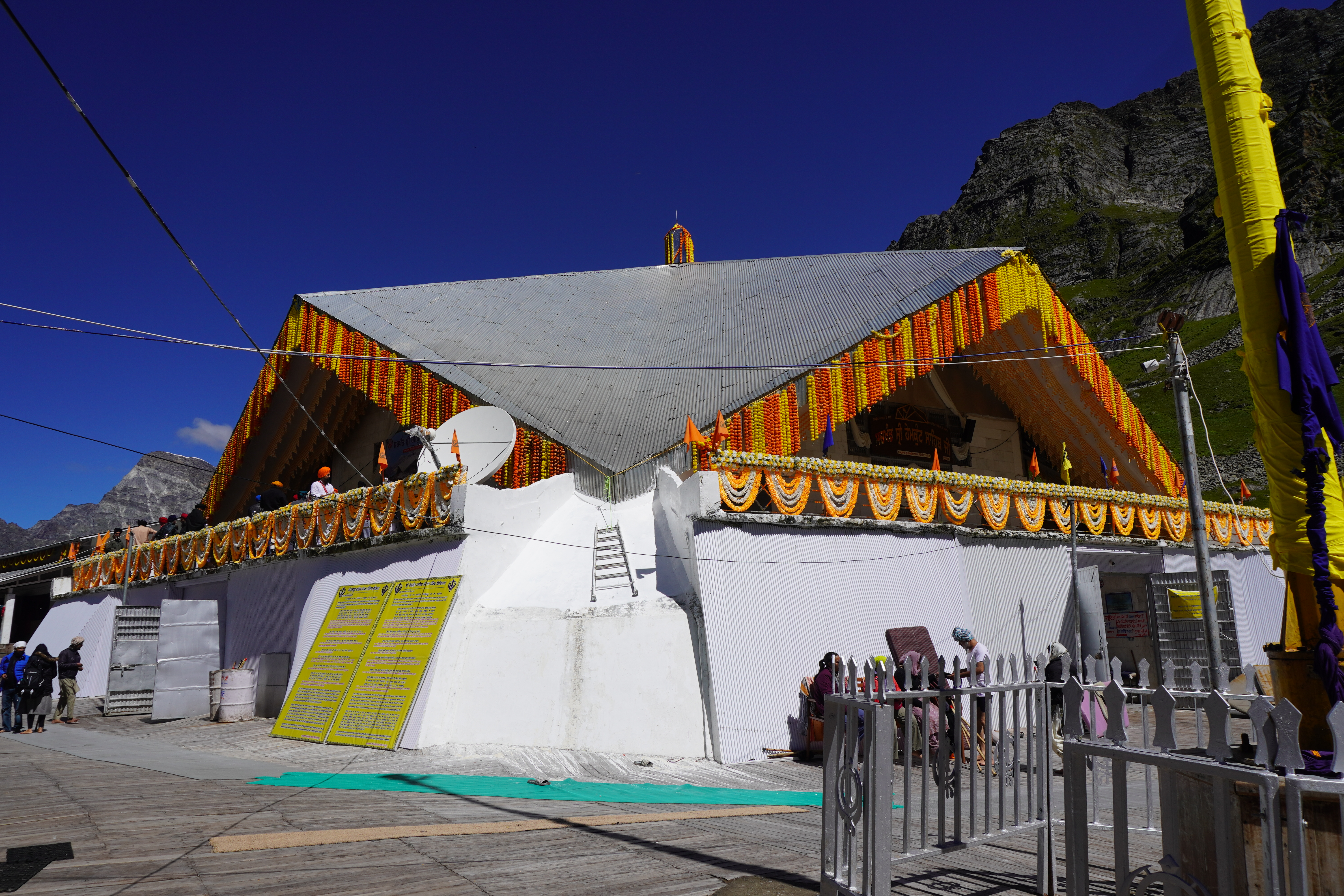
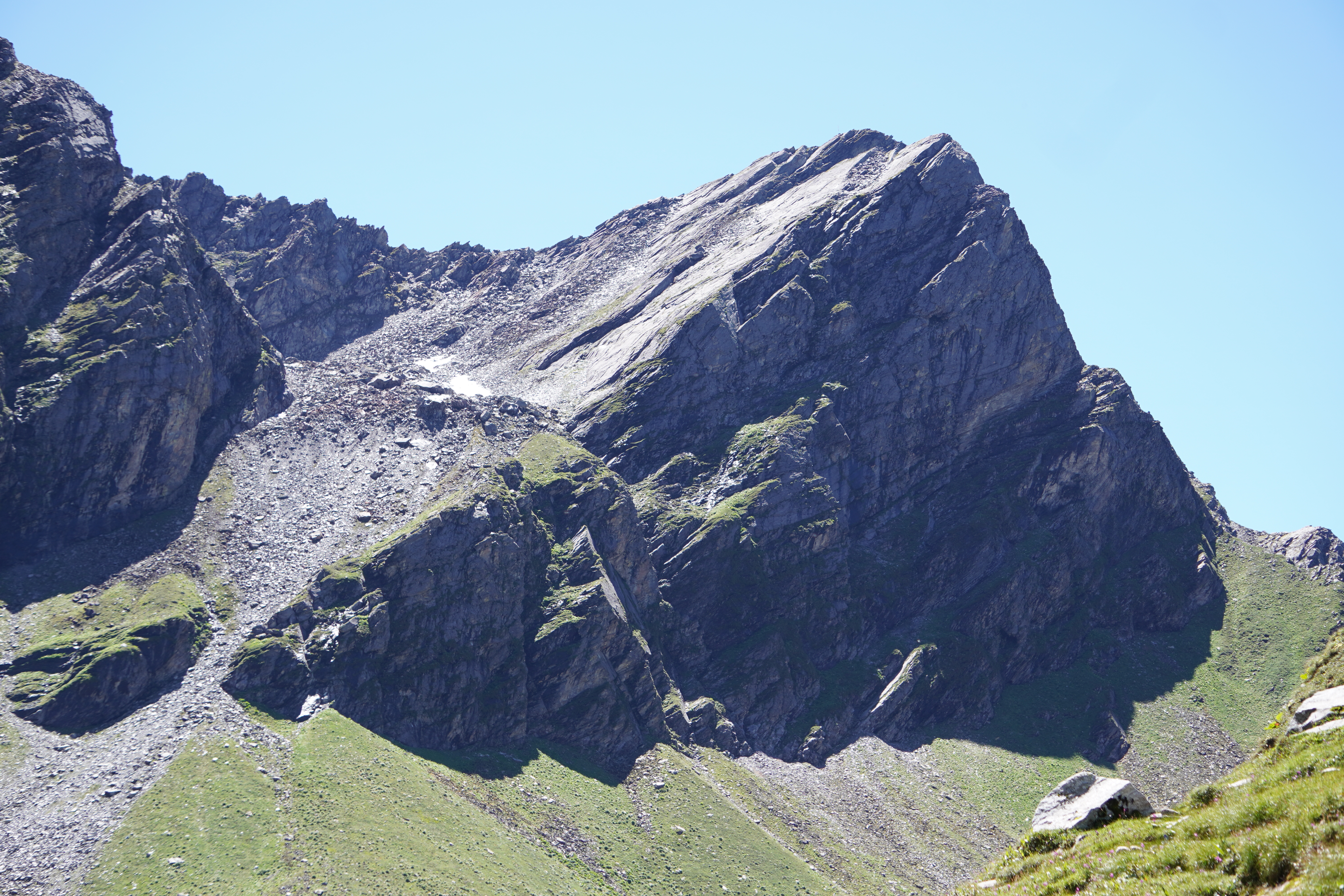
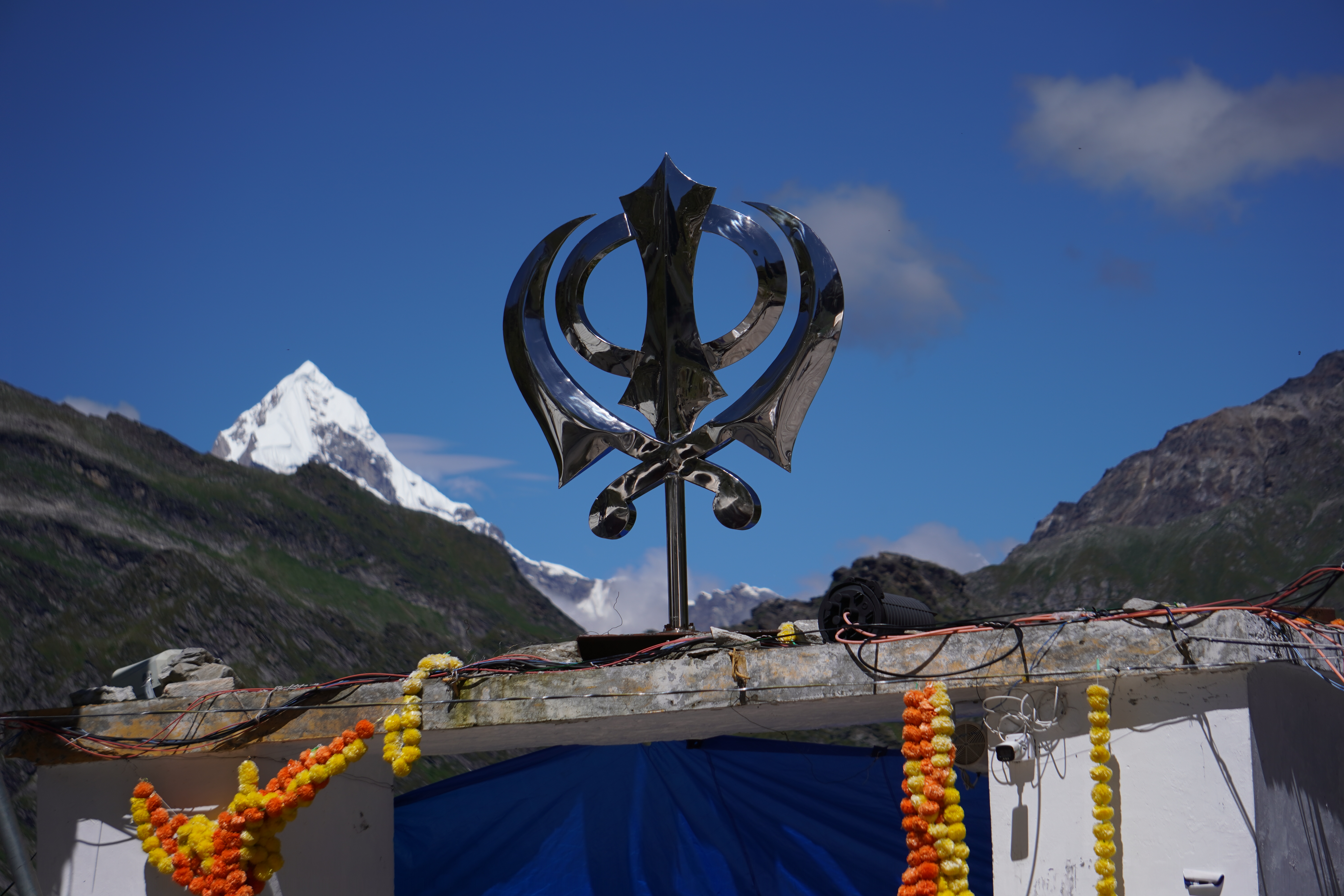
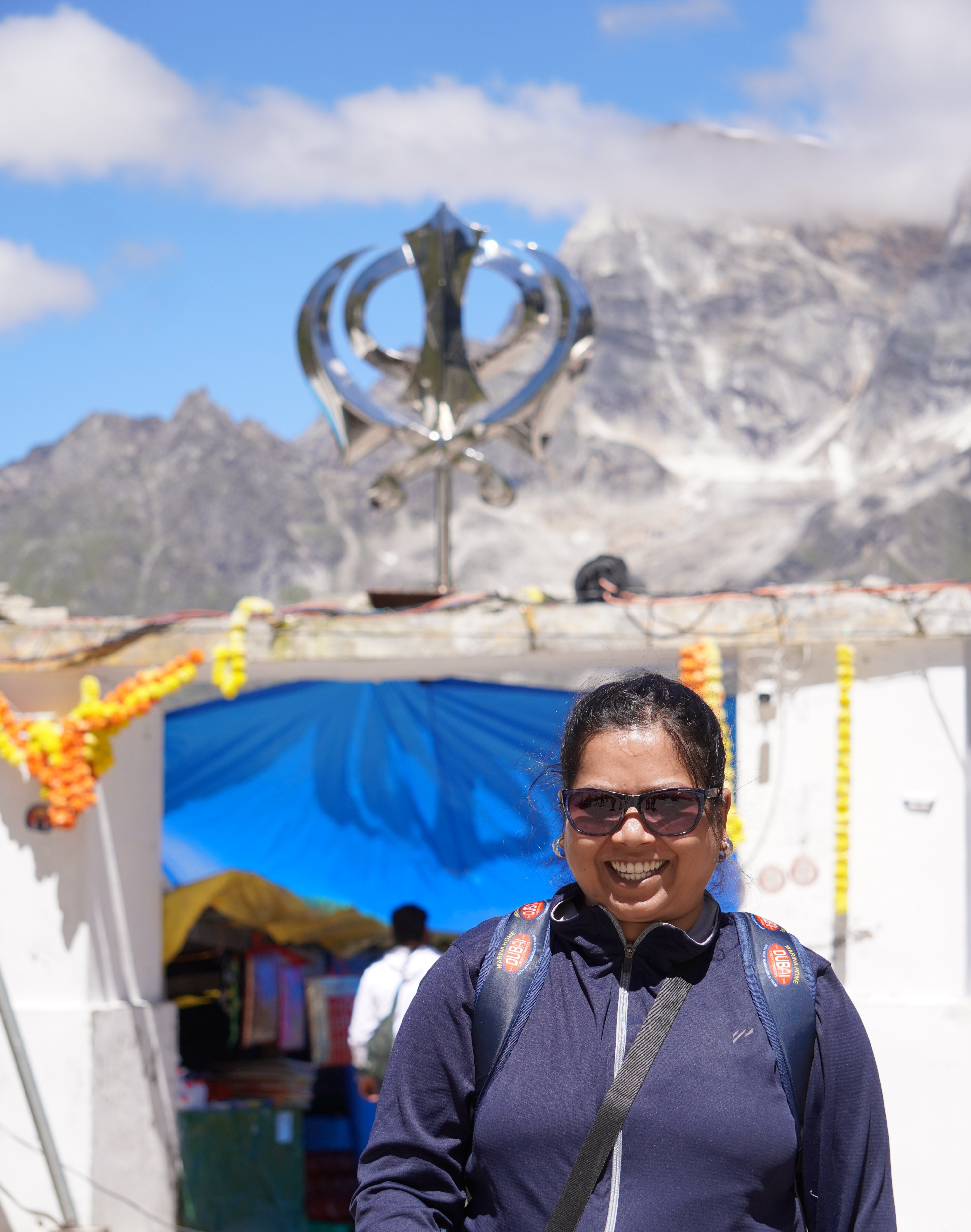
Hemkund Sahib sits at roughly 15,200 feet in the Garhwal Himalayas, a glacial lake ringed by seven snow peaks, its name literally meaning “Lake of Snow.” Its significance comes from the Dasam Granth, where Guru Gobind Singh, the tenth Sikh Guru, describes meditating here in a previous life before being reborn as the Guru’s son, though the exact location was lost for centuries after. In 1934, Sant Sohan Singh identified Lokpal Lake as the site described in scripture and a small stone gurdwara went up soon after, with the Guru Granth Sahib formally installed by 1937, making it one of the highest gurdwaras in the world. There’s also an older Hindu layer to the site, a shrine linked to Lakshman meditating here, sitting quietly beside the Sikh shrine on the same lake. It’s open only a few months a year due to snow and the climb remains genuinely brutal even now, which tracks with the “lungs declared war” experience.
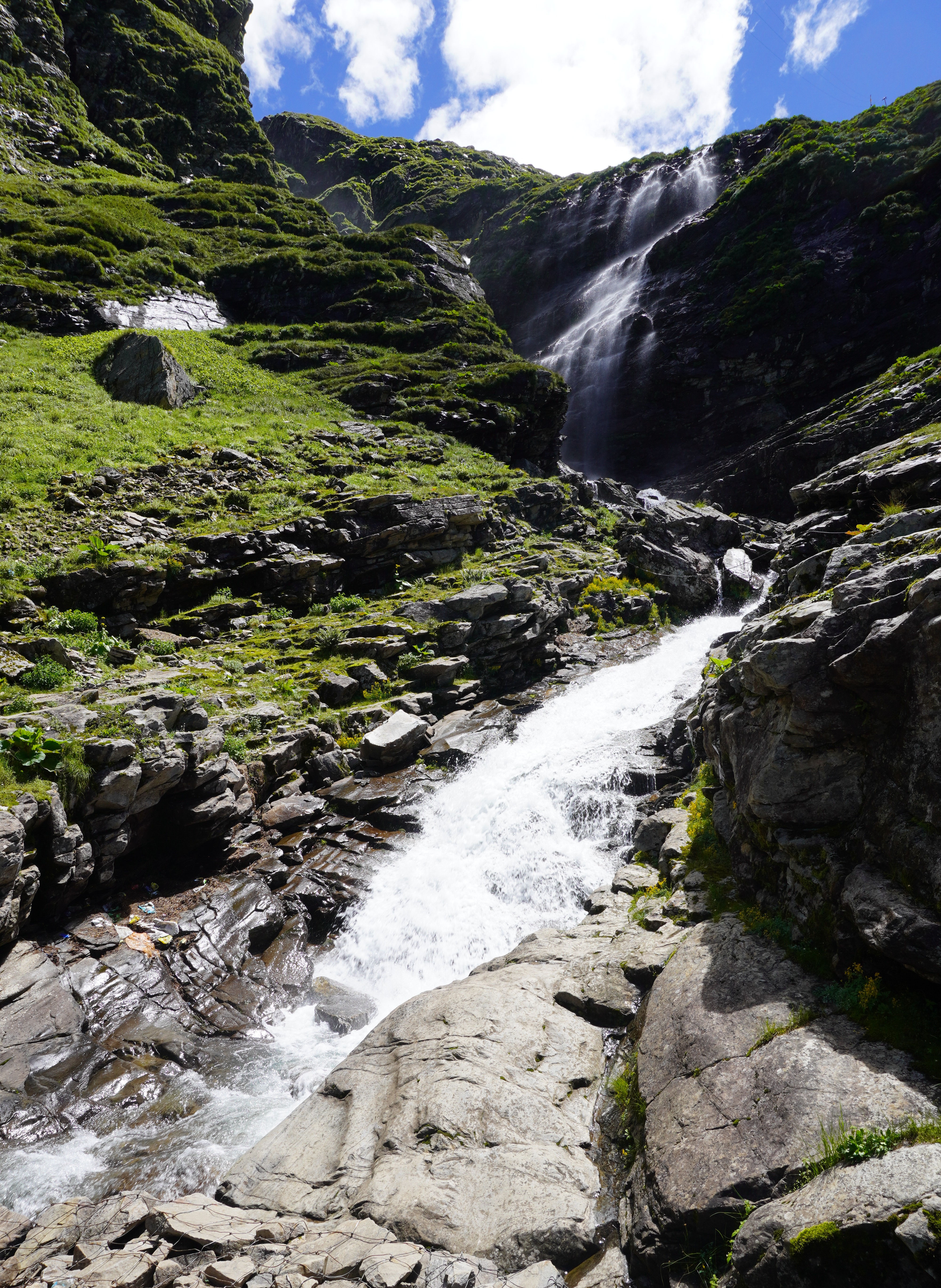
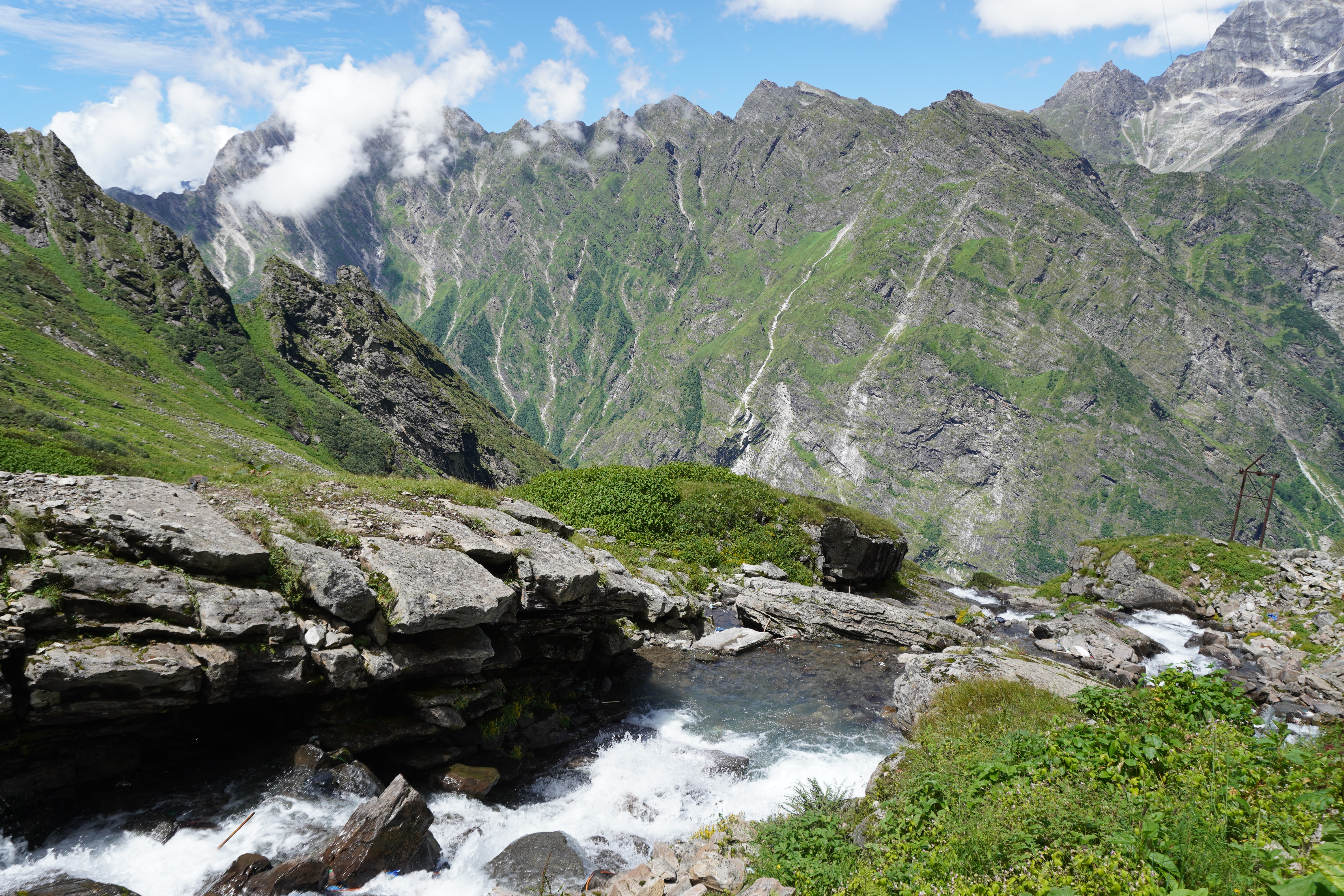
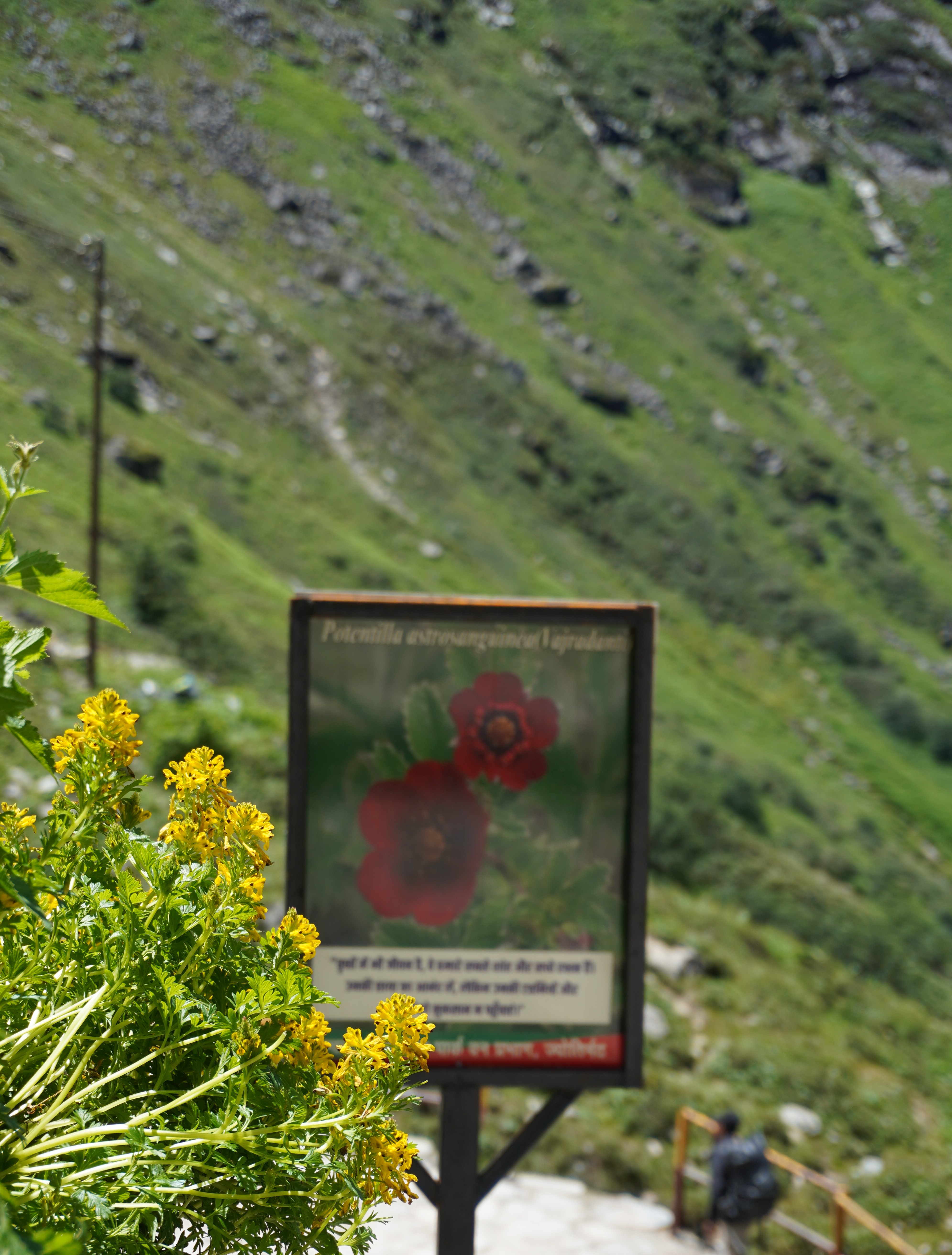
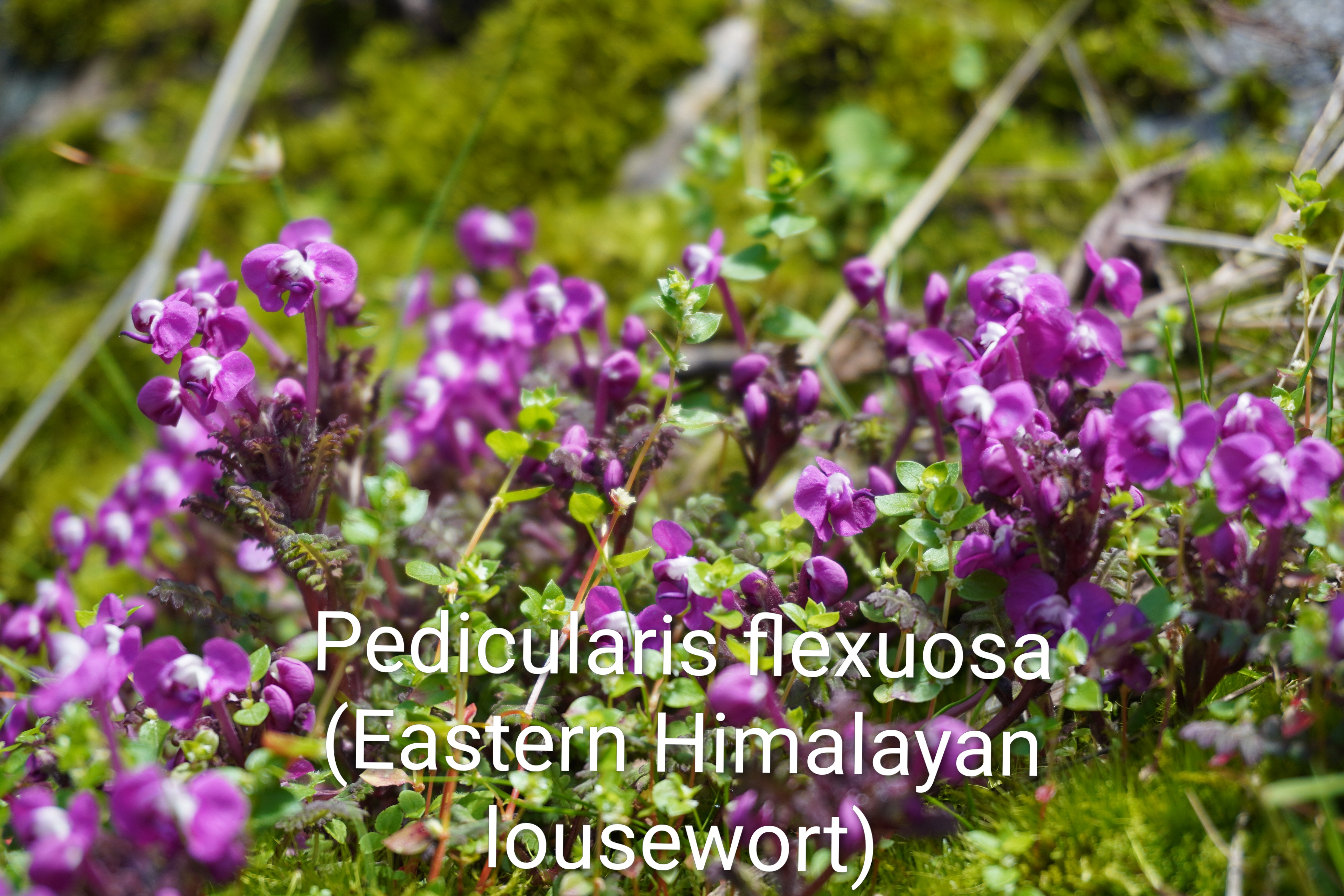
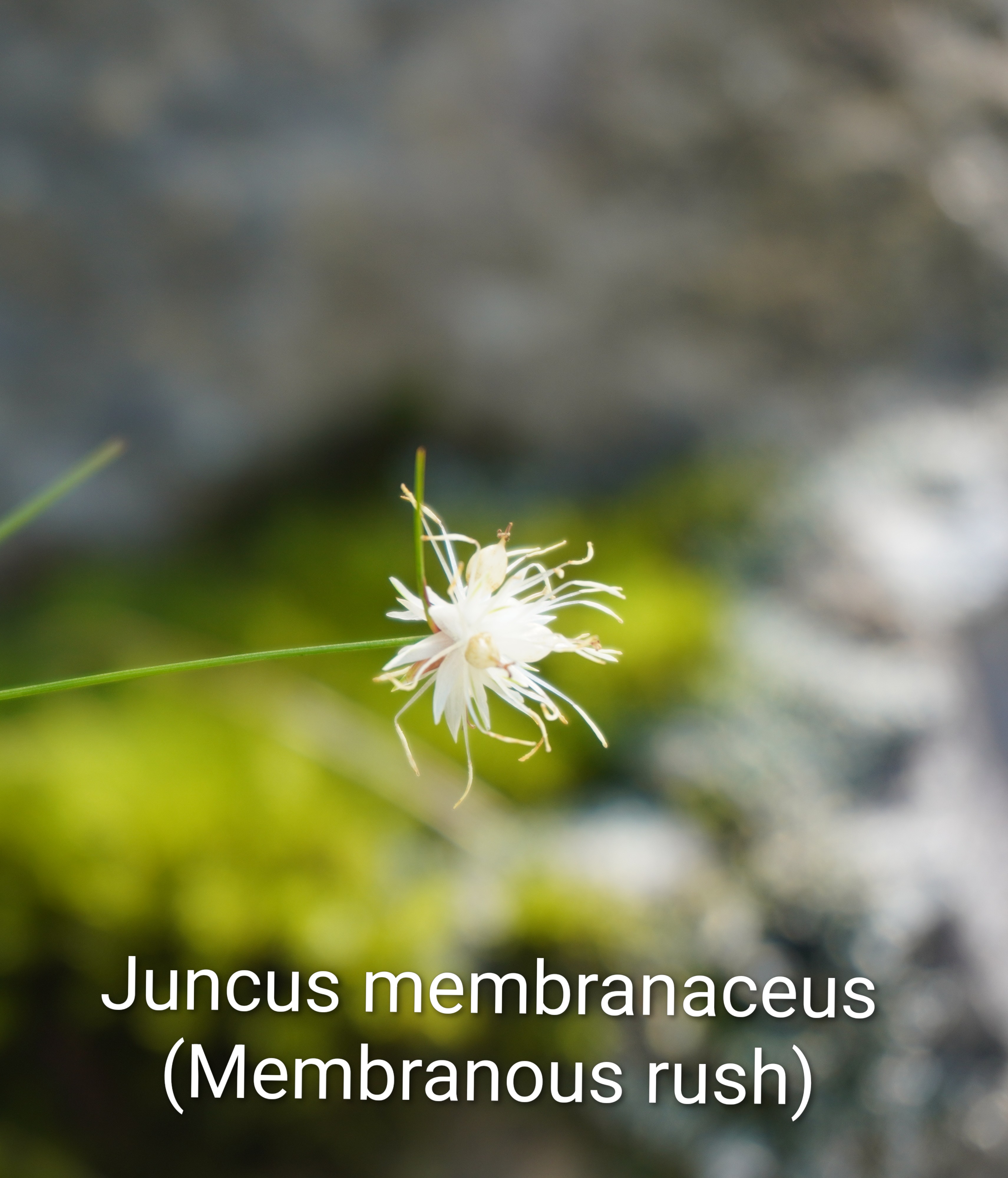
You need to remove shoes and socks and cover your head before entering the gurudwara, a rule my frozen toes accepted with visible betrayal. My lungs, meanwhile, staged a full protest against the altitude, filing complaints I couldn’t process fast enough. Inside, amid the ongoing prayers, I found myself unexpectedly teary, whether from the thin air or the sheer emotional weight of the moment, I genuinely couldn’t tell and frankly, at 15,000 feet, I decided I didn’t need to know. A thick blanket, offered to anyone who looked one gust of wind away from collapsing, helped enormously. Outside, by the lake beside the shrine, I finally spotted the Brahmakamal – potted, sadly, like a celebrity kept safely behind velvet ropes, with the wild patches strictly off-limits to overenthusiastic tourists like myself, my enthusiasm apparently visible from space.
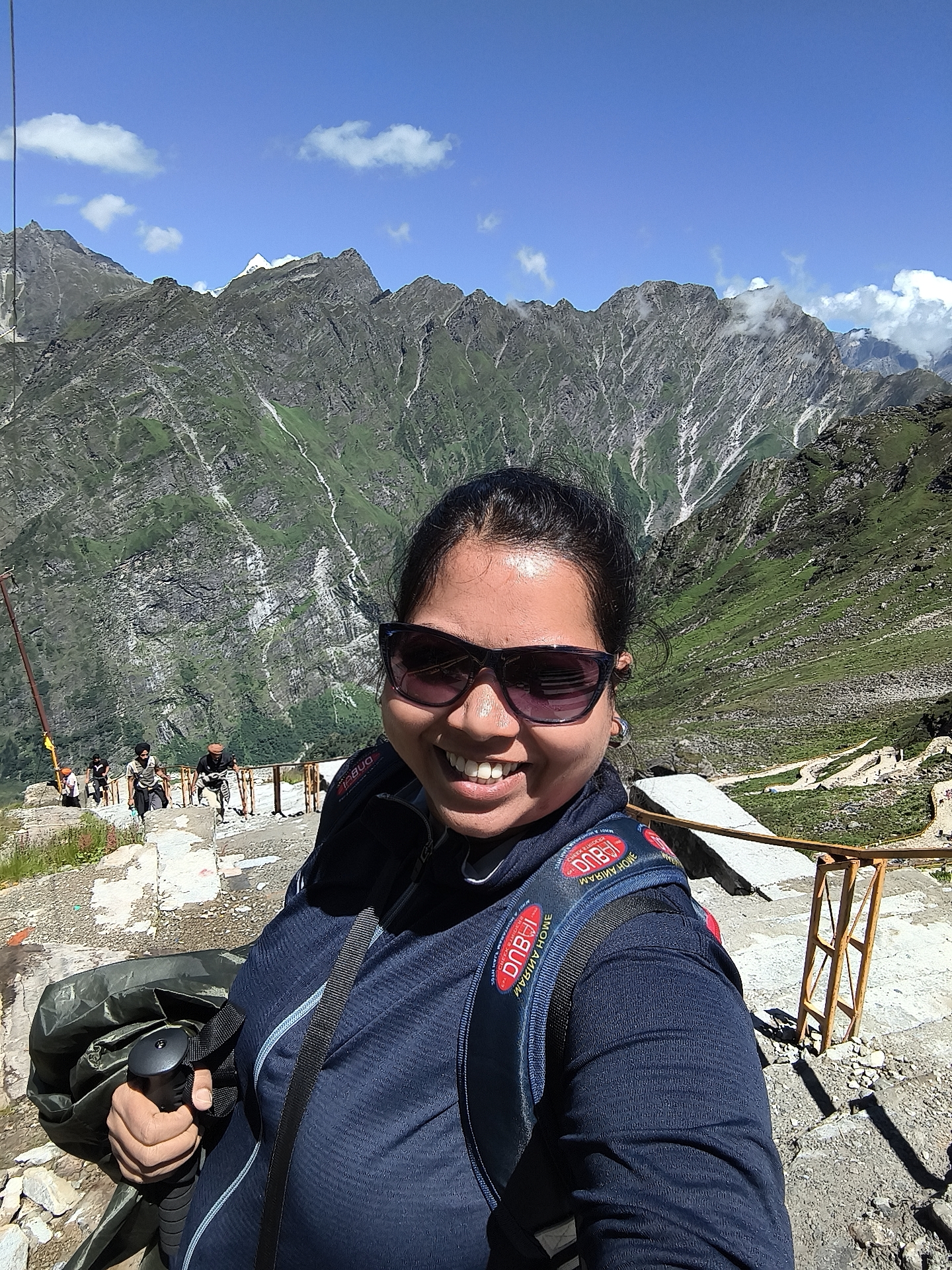
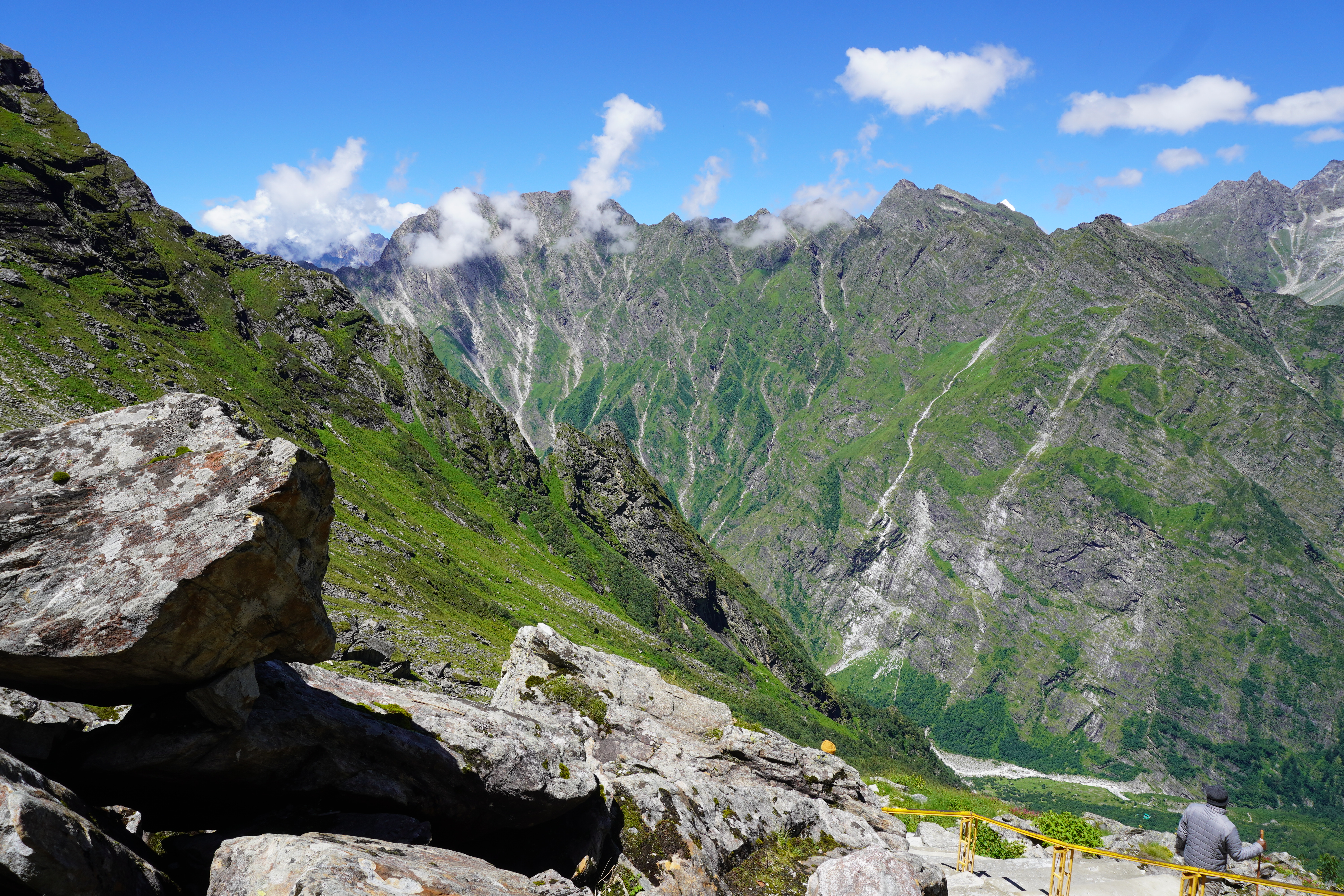
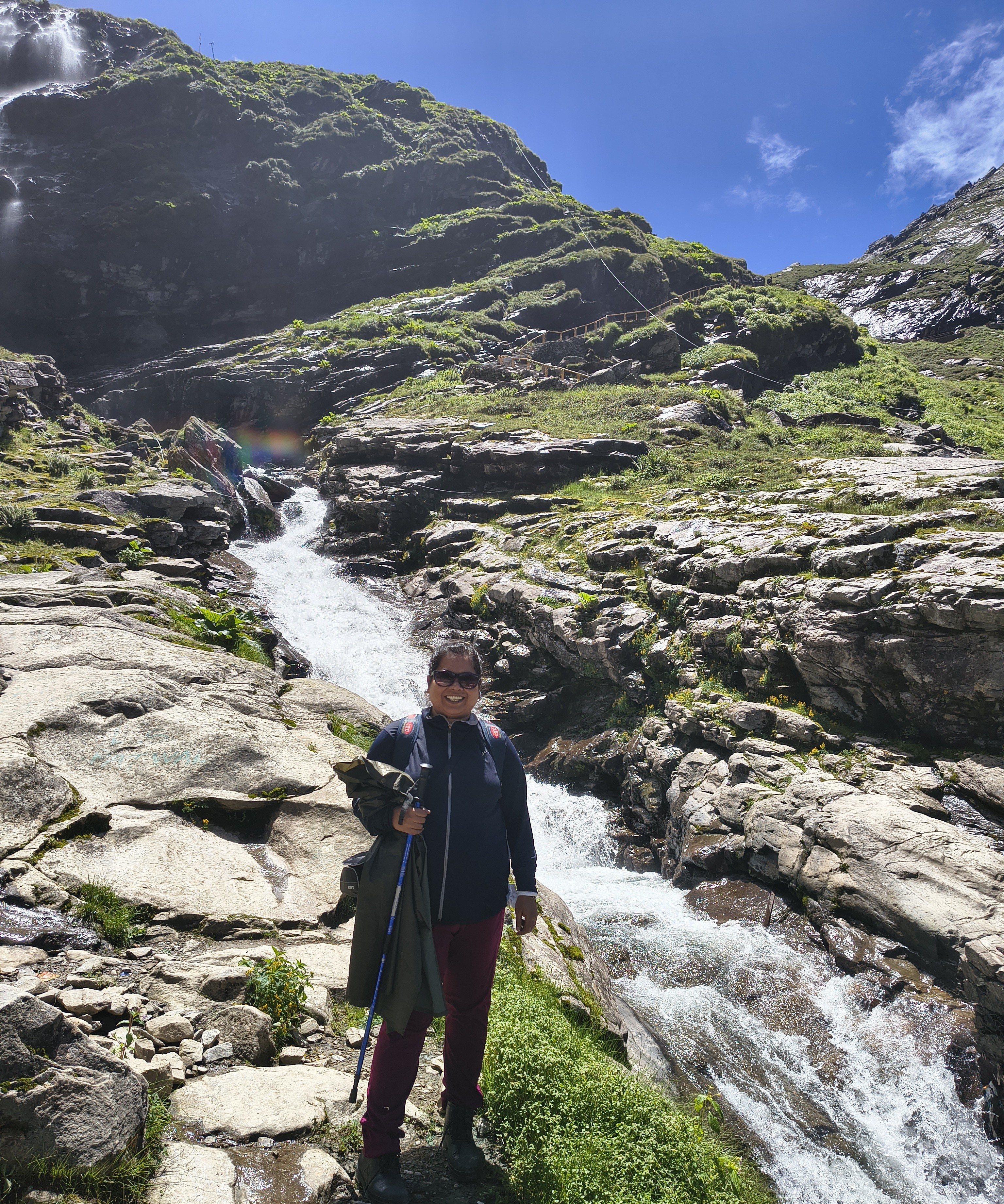
Finding myself thoroughly lost and mildly delirious, I spotted fellow trekkers Mr. and Mrs. Pradosh, who swooped in like a two-person rescue helicopter with khichdi and tea, just enough to attempt the direct staircase down instead of retracing the zigzag path, a decision made entirely by my knees, without so much as consulting the rest of me, which then proceeded to jump down step after step as if possessed by the ghost of an overachieving kangaroo, landing back at base by 2 PM, slightly rattled but triumphantly and gloriously fed.
Soup at 5, dinner at 7, lights out by 9. Valley of Flowers awaited the next morning.
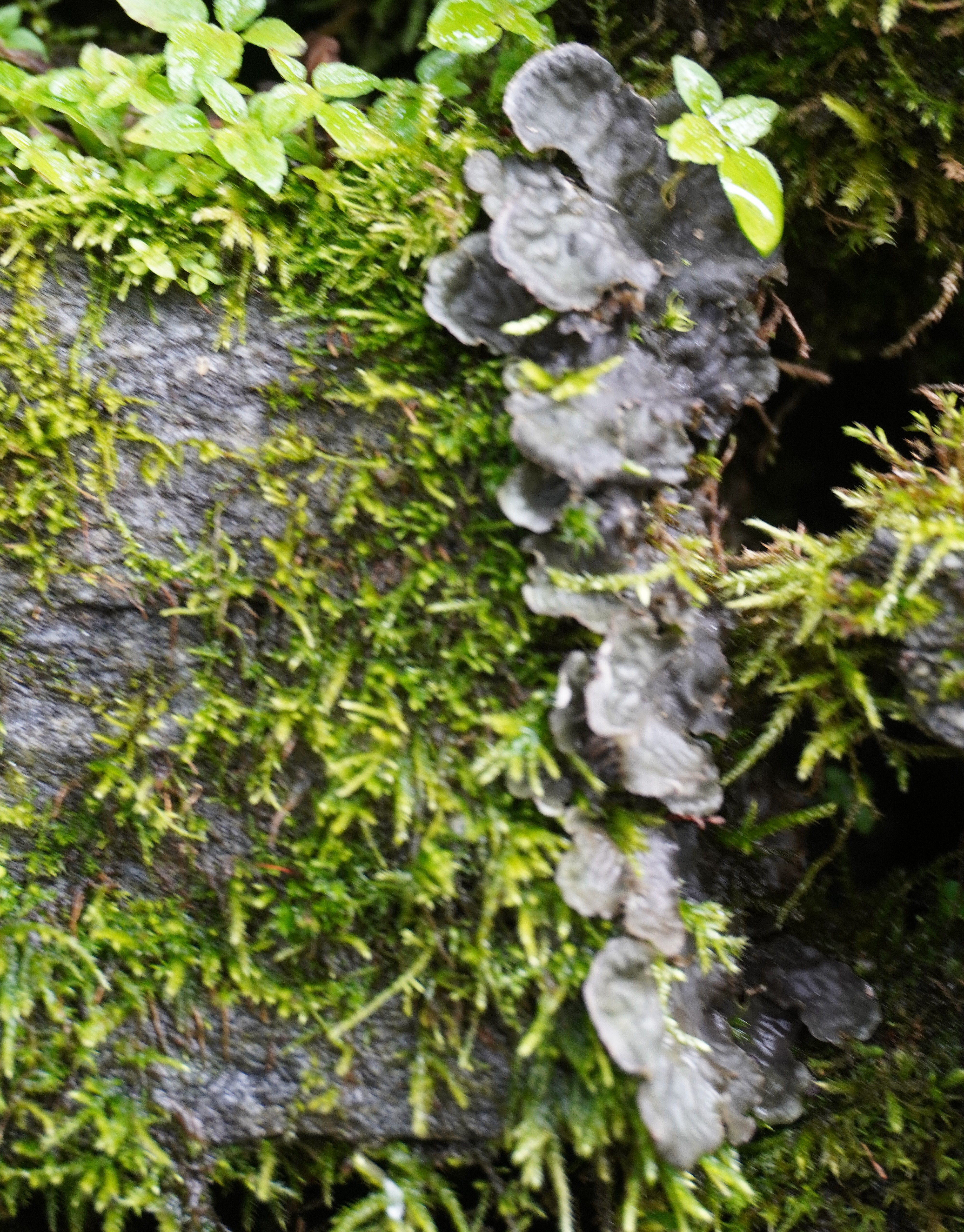
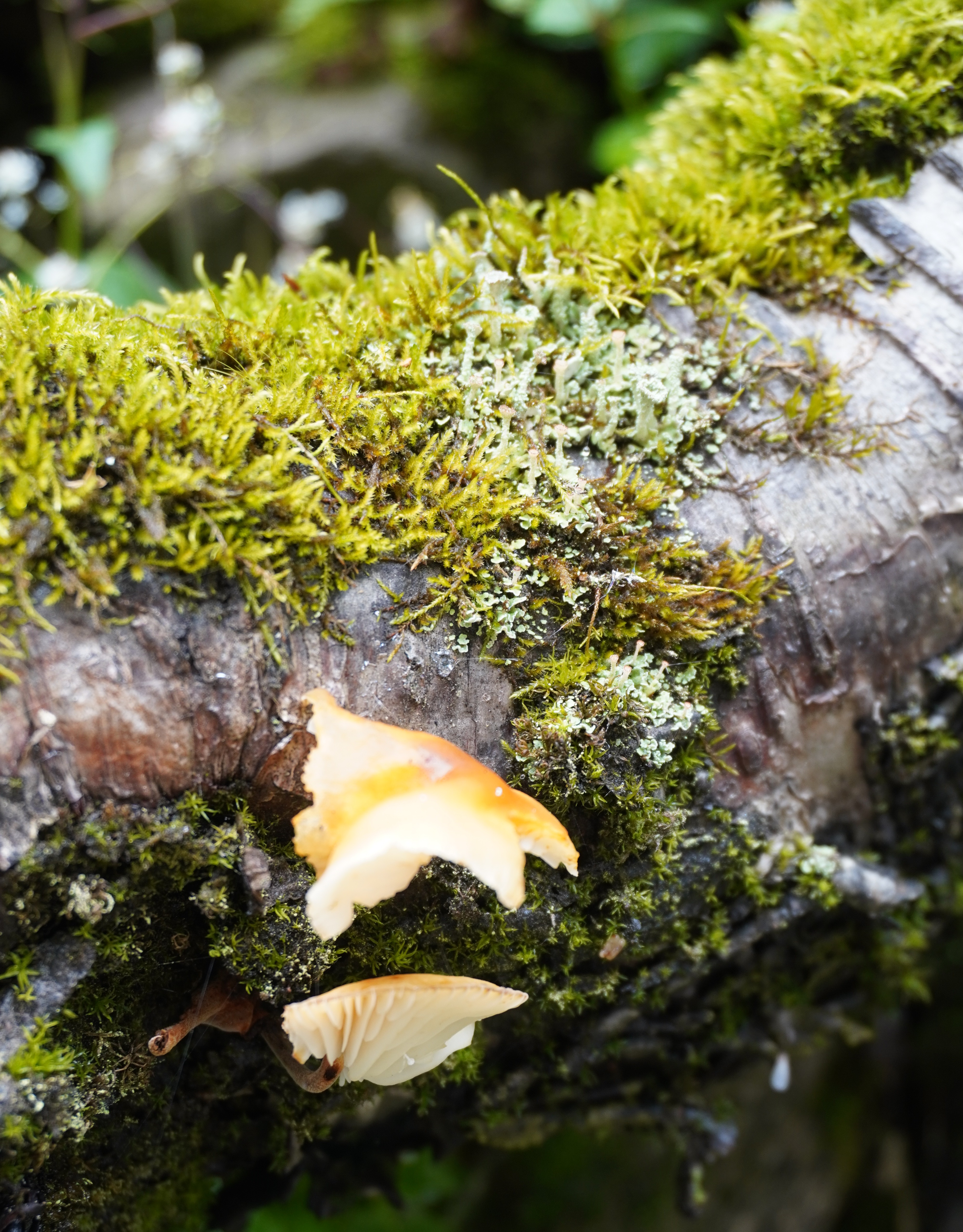
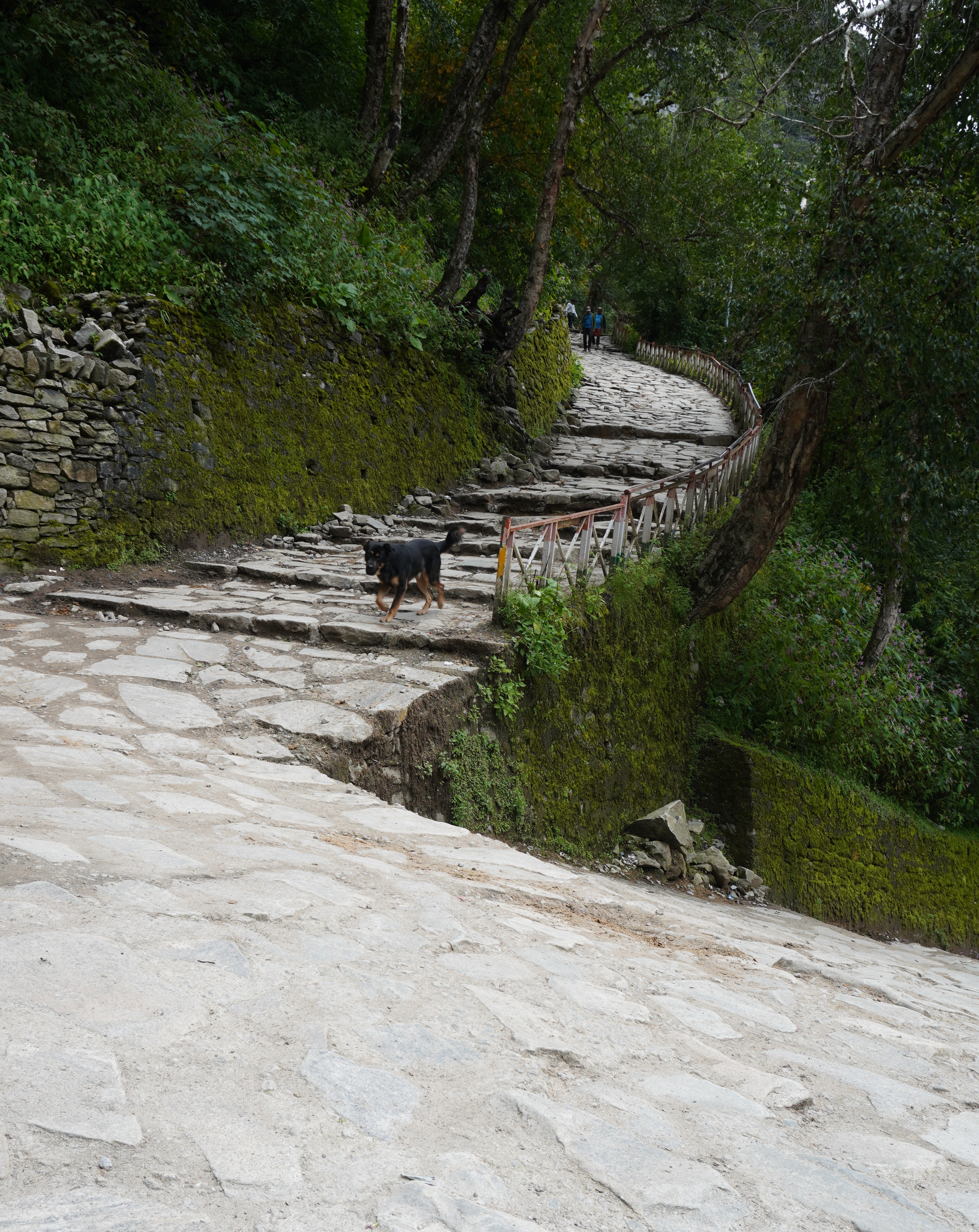
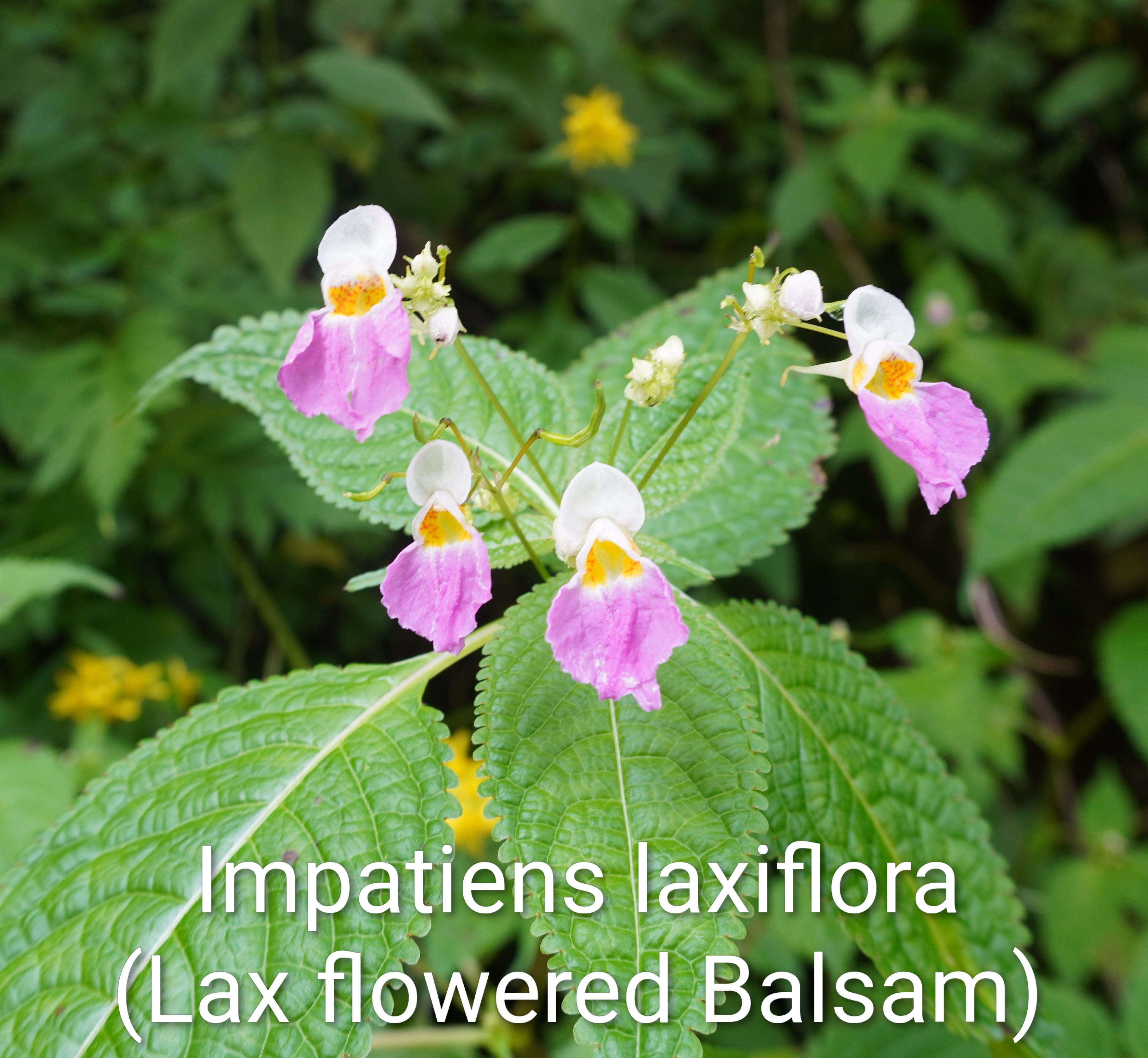
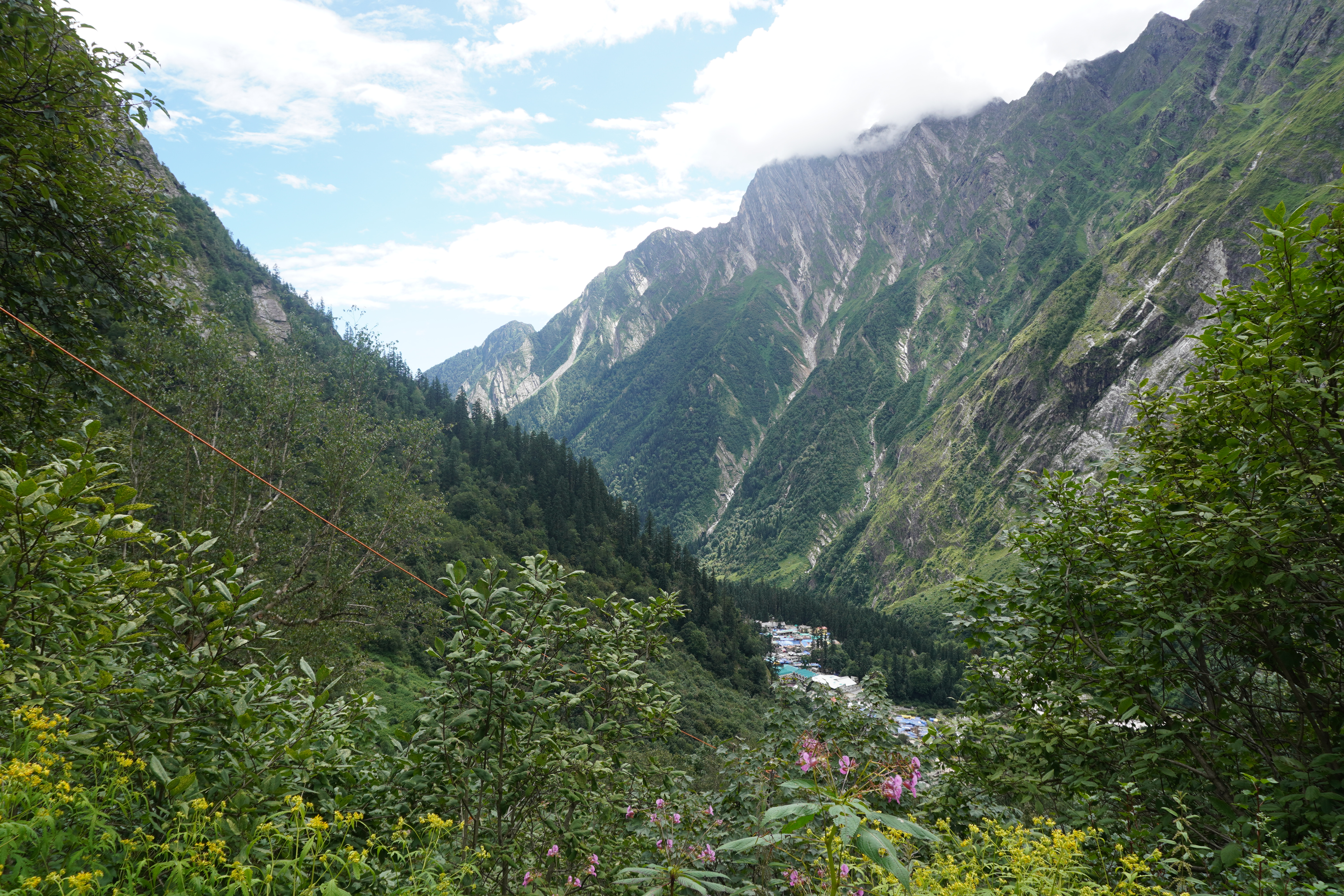
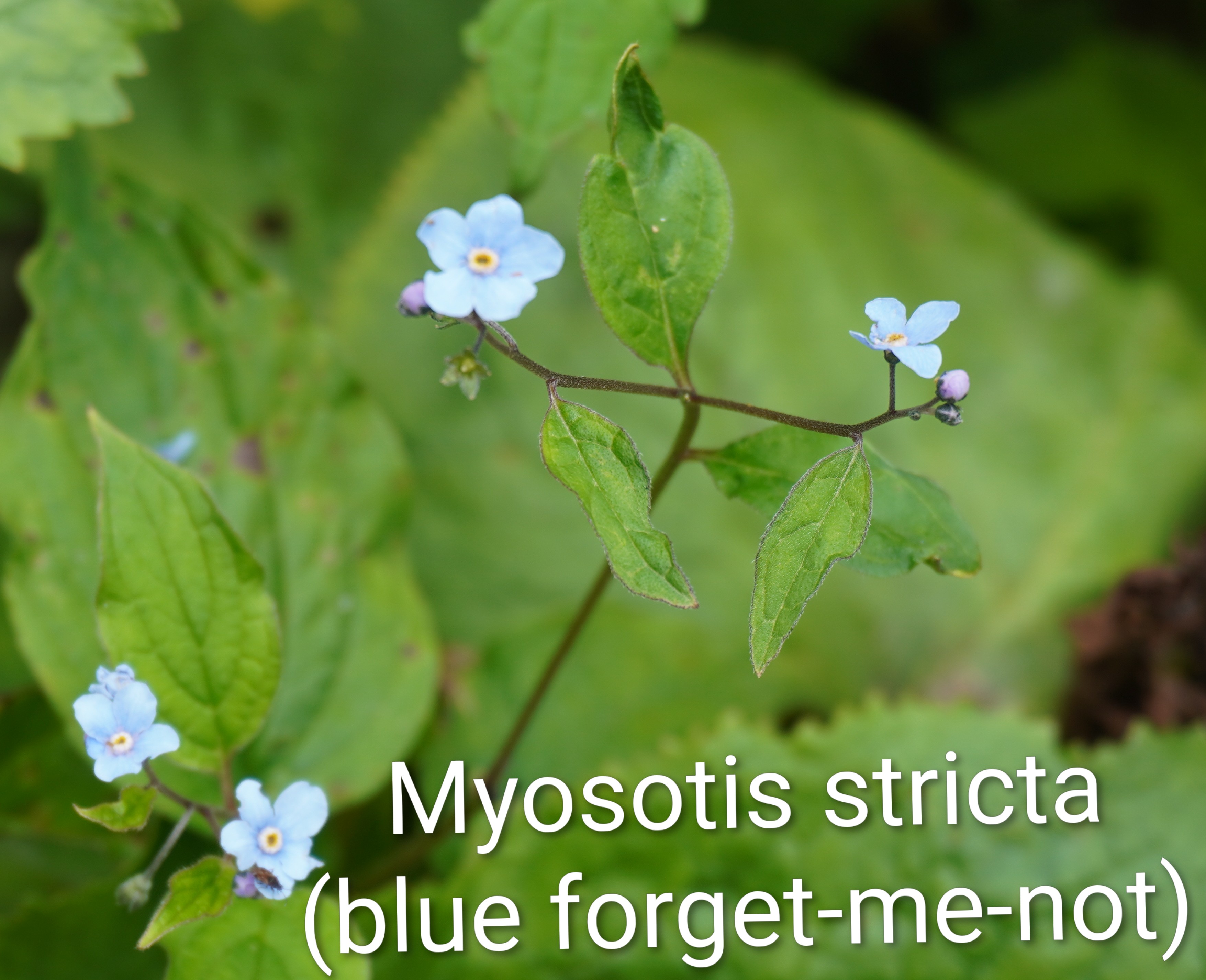
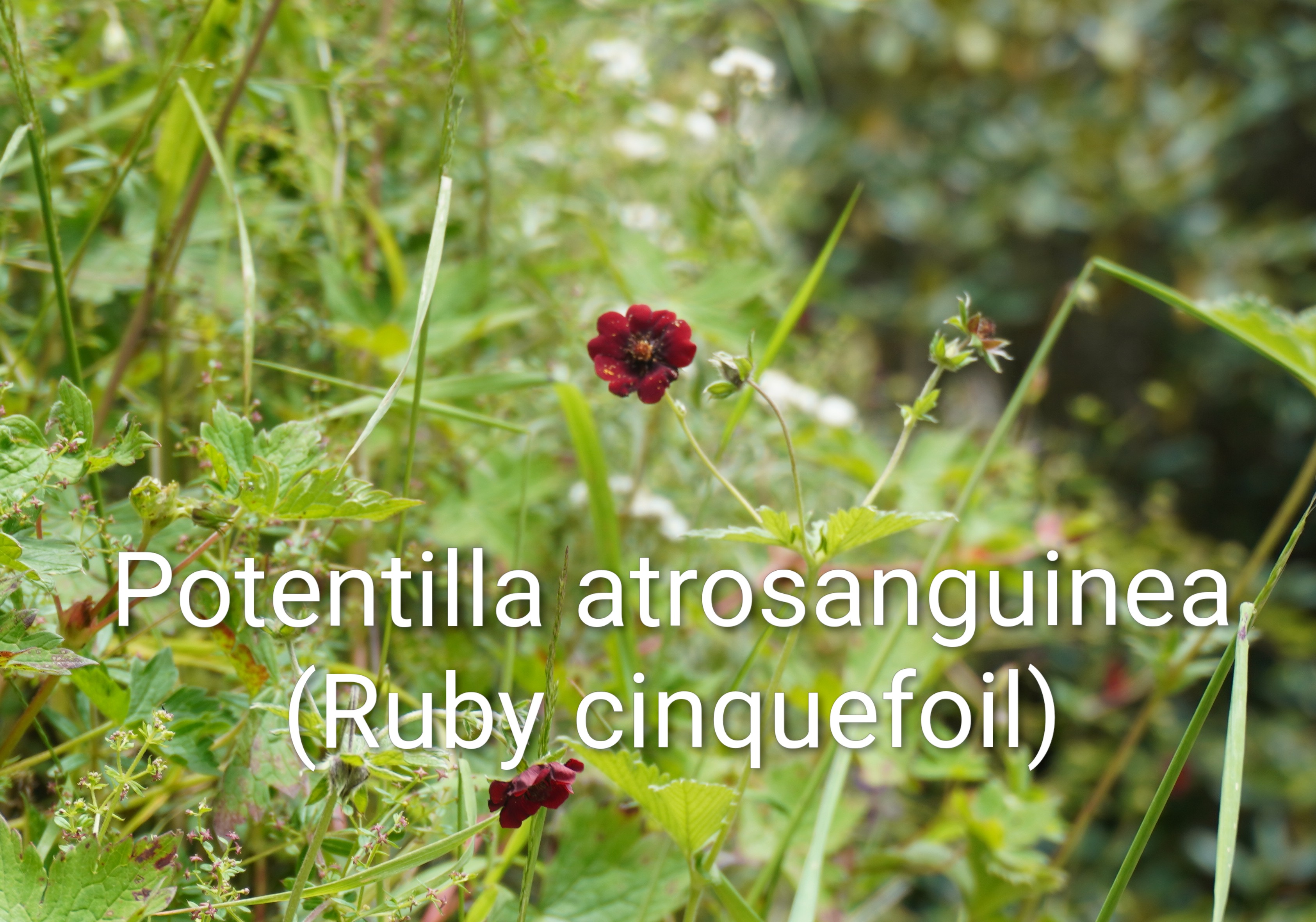
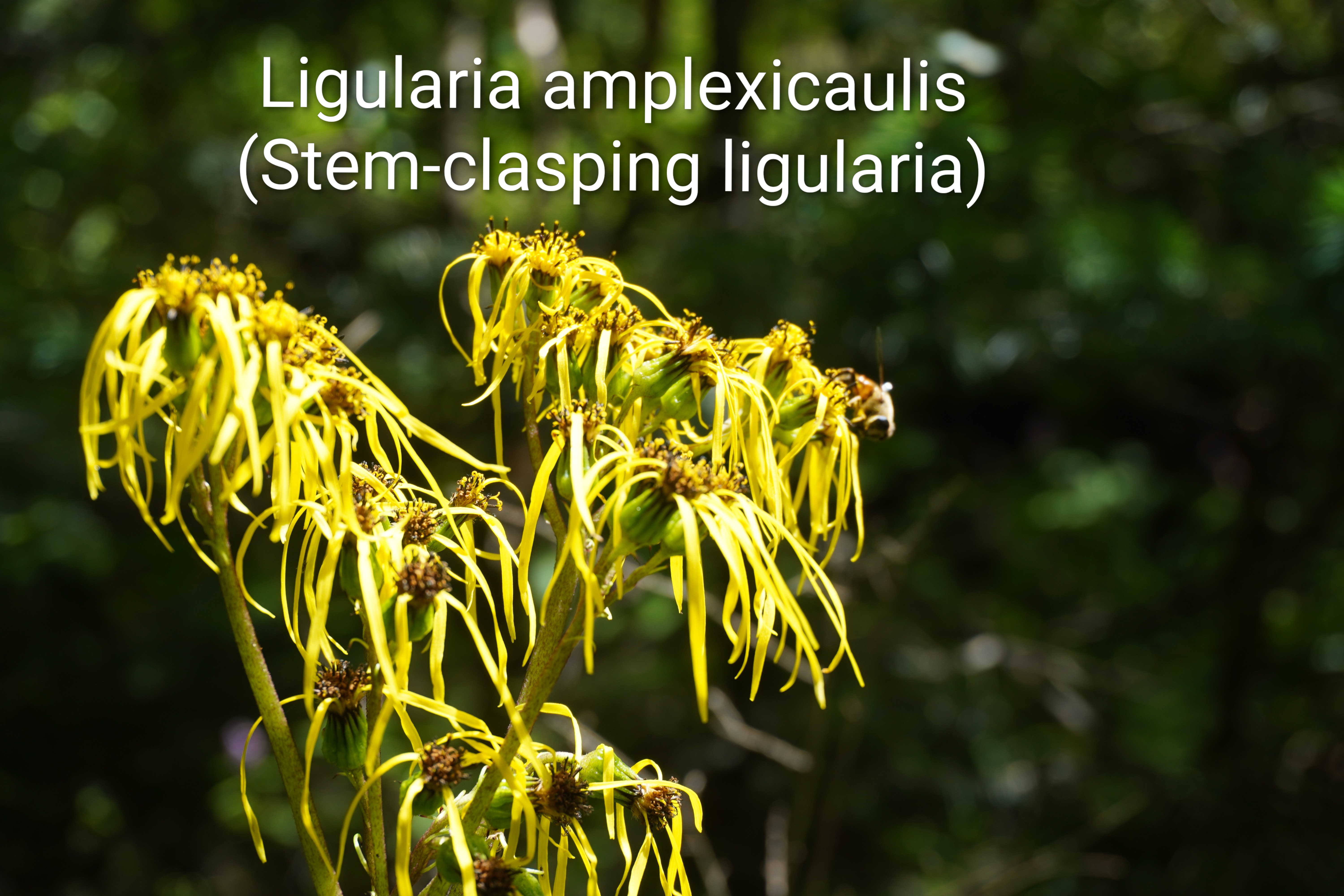
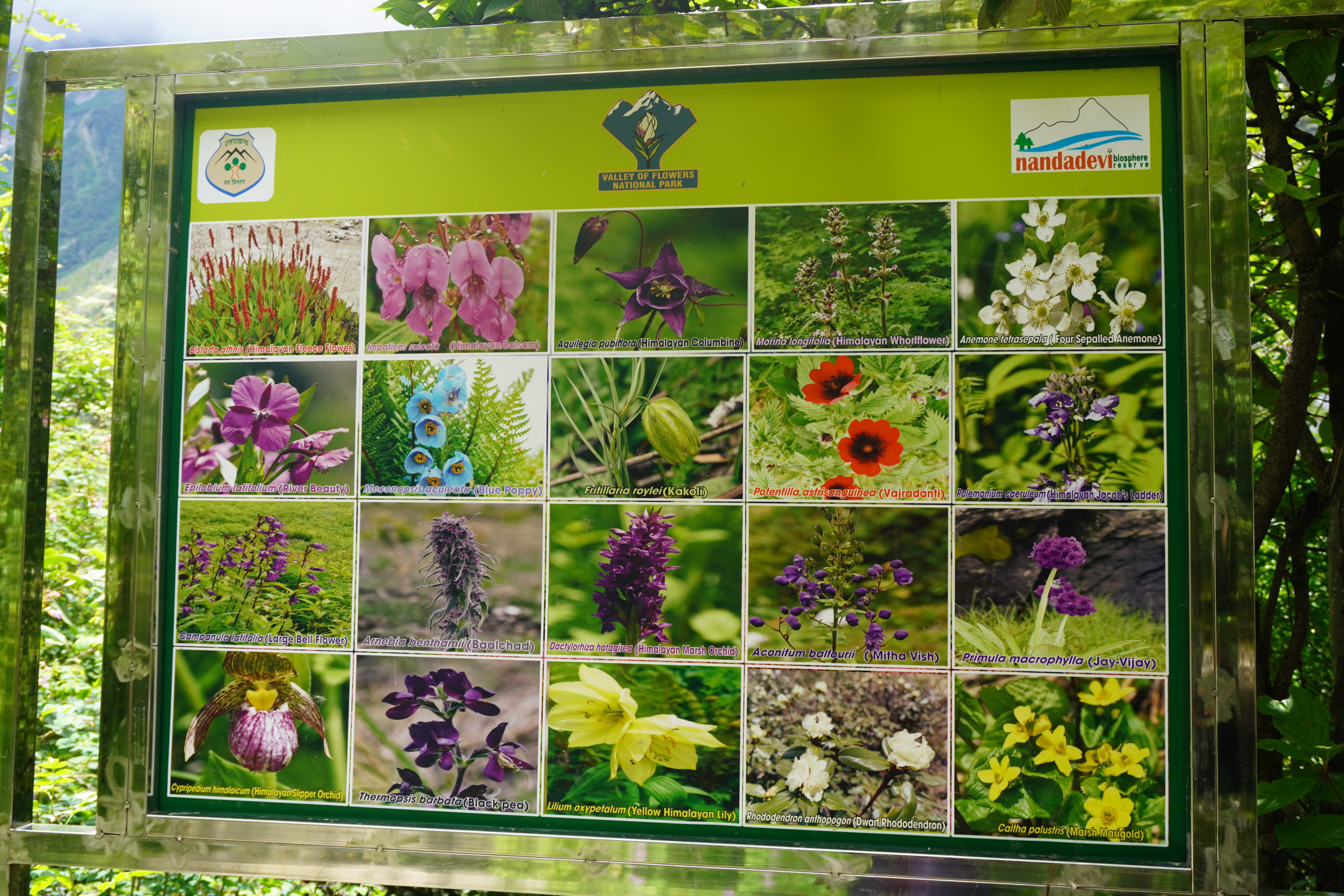
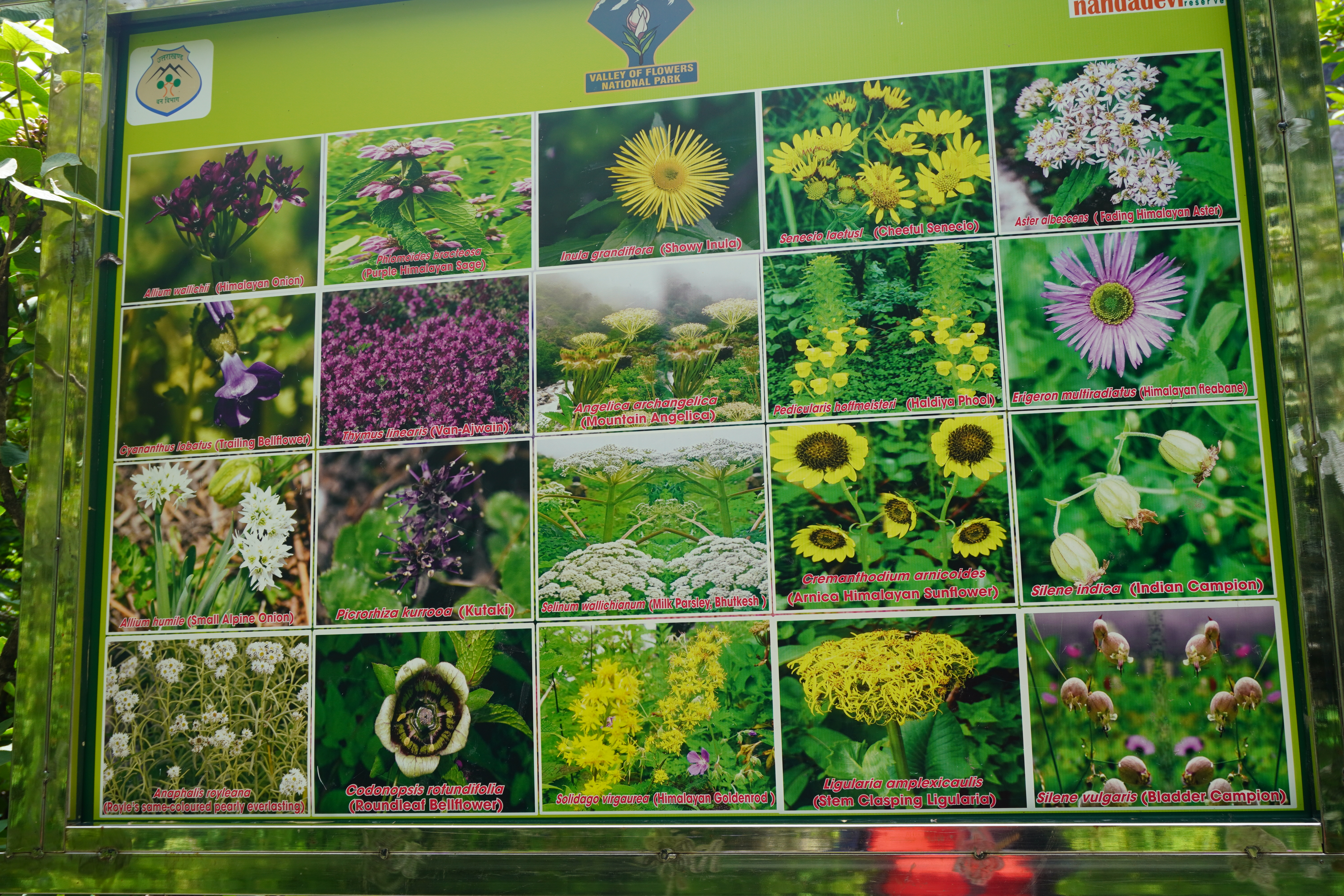
I woke up with a mild fever, while my aunt, naturally, was fresh as a daisy, apparently rejuvenated by the previous day’s rest in a way I could only aspire to. The trail to the Valley of Flowers National Park is too narrow for horses, so only pithus operate here. Aditi insisted on carrying my bag despite my protests, noble martyr while I, the actual patient, attempted to look grateful. Somehow, managed to reach the checkpoint and there we saw like entire world population had come to visit the valley of flowers. Some groups bypassed us, while later we bypassed some other group. There I was, gasping for breath, managing to walk through the crowd going past the checkpost in one breathe. Well, that left me breathless and I hired a Pithu (₹3,000) whose one job was to carry me to where the flat path begins, a job he interpreted with great creative flexibility, abandoning me a good 1.5 kilometres early before attempting to sweet-talk me into selling him my bag, a freebie received by my brother and passed down to me and shockingly, still not for sale. Lesson very much learned: agree on the drop point out loud, in front of witnesses, preferably notarized.
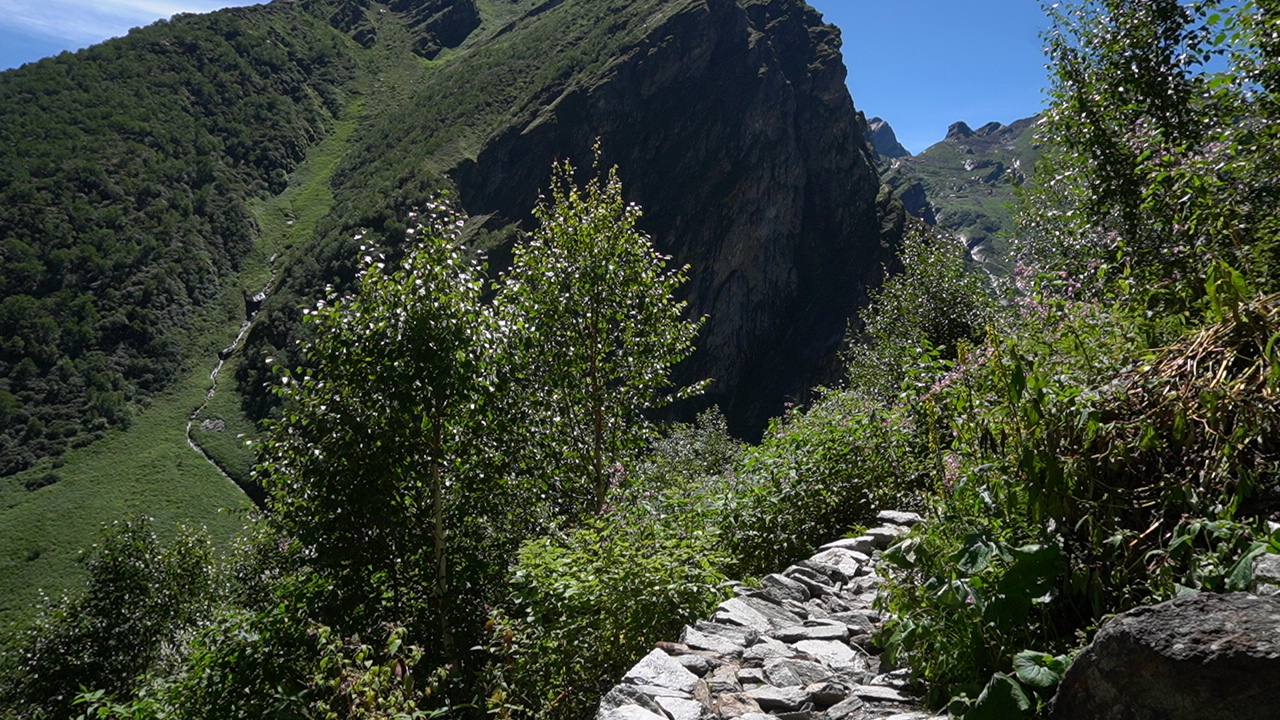
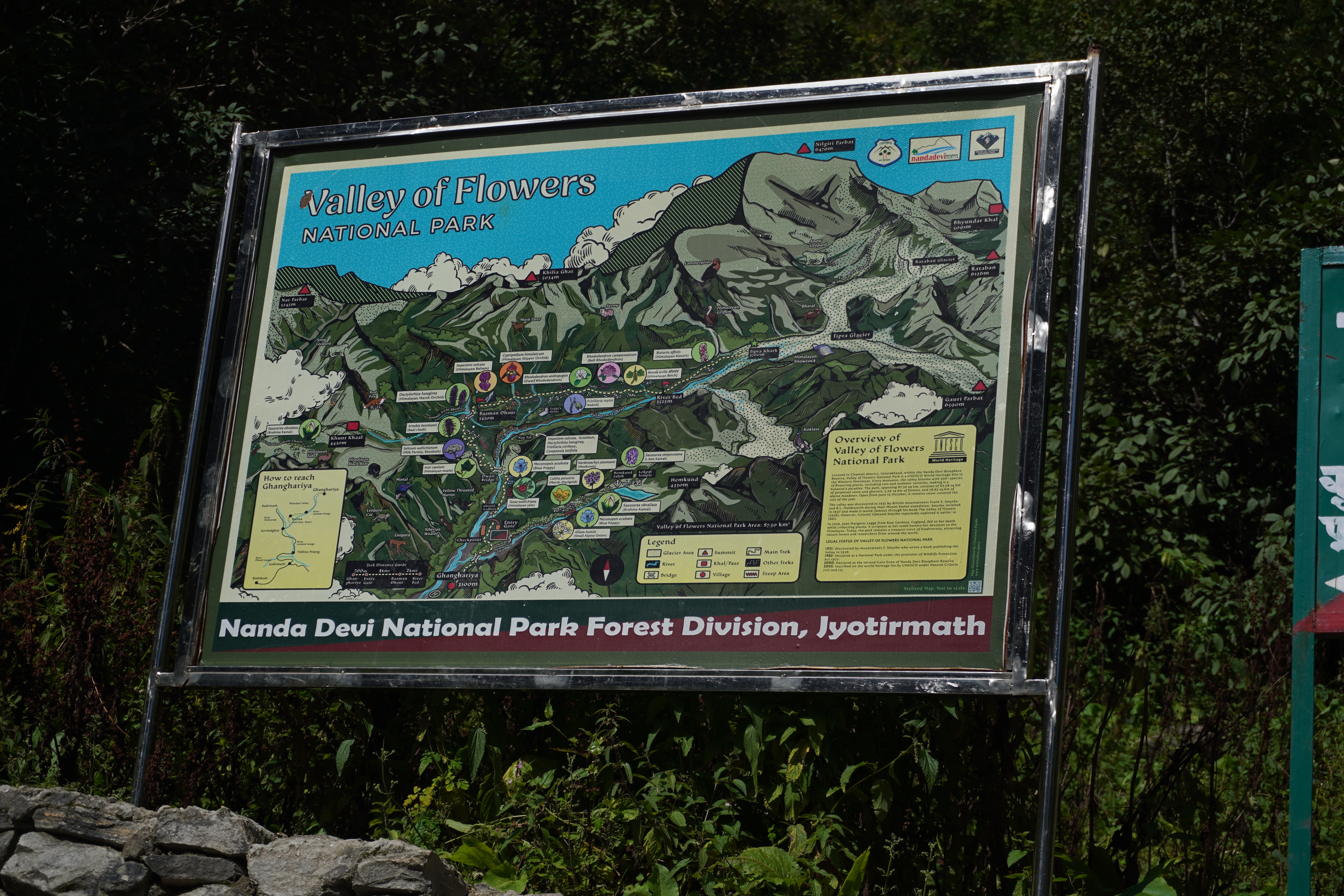
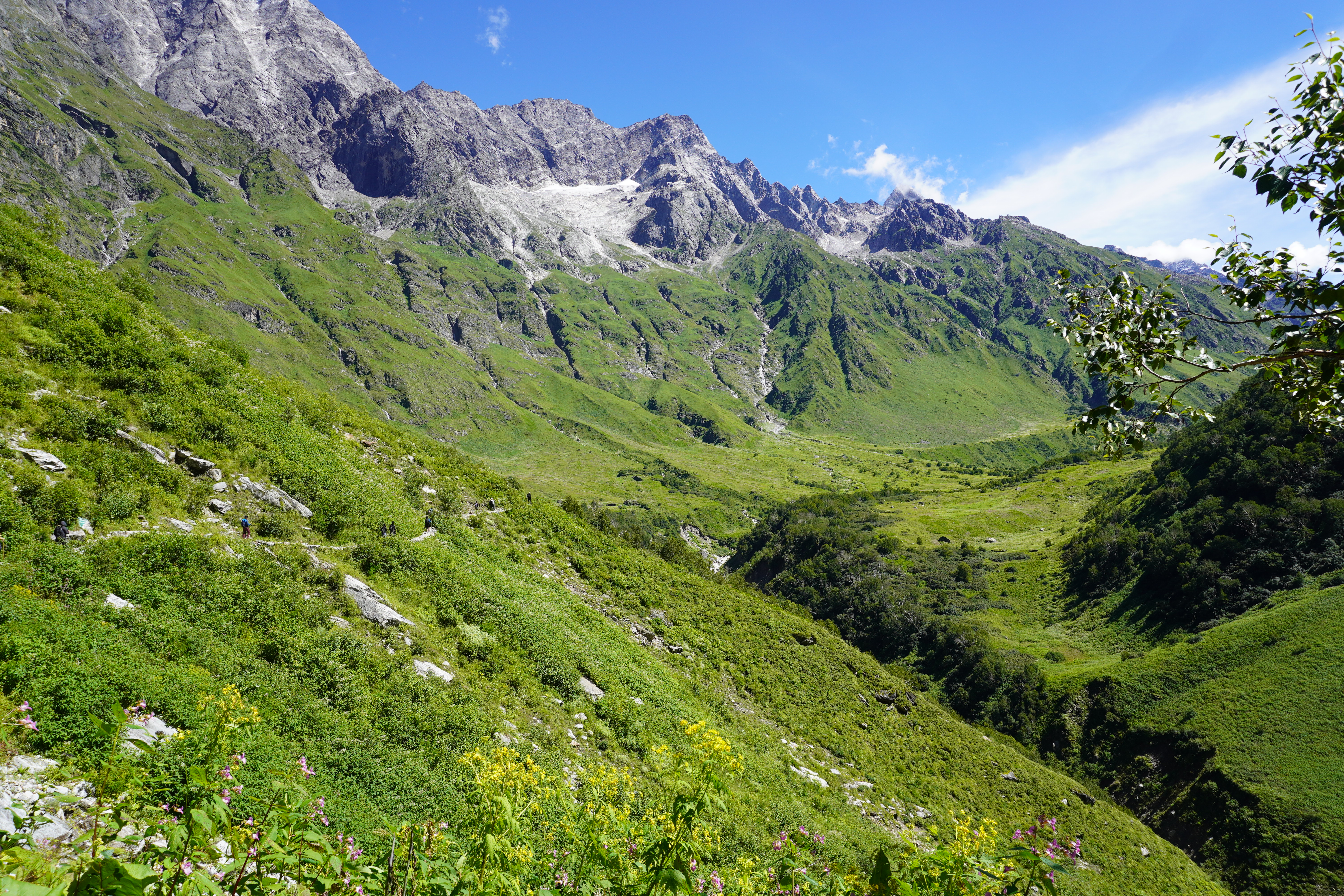
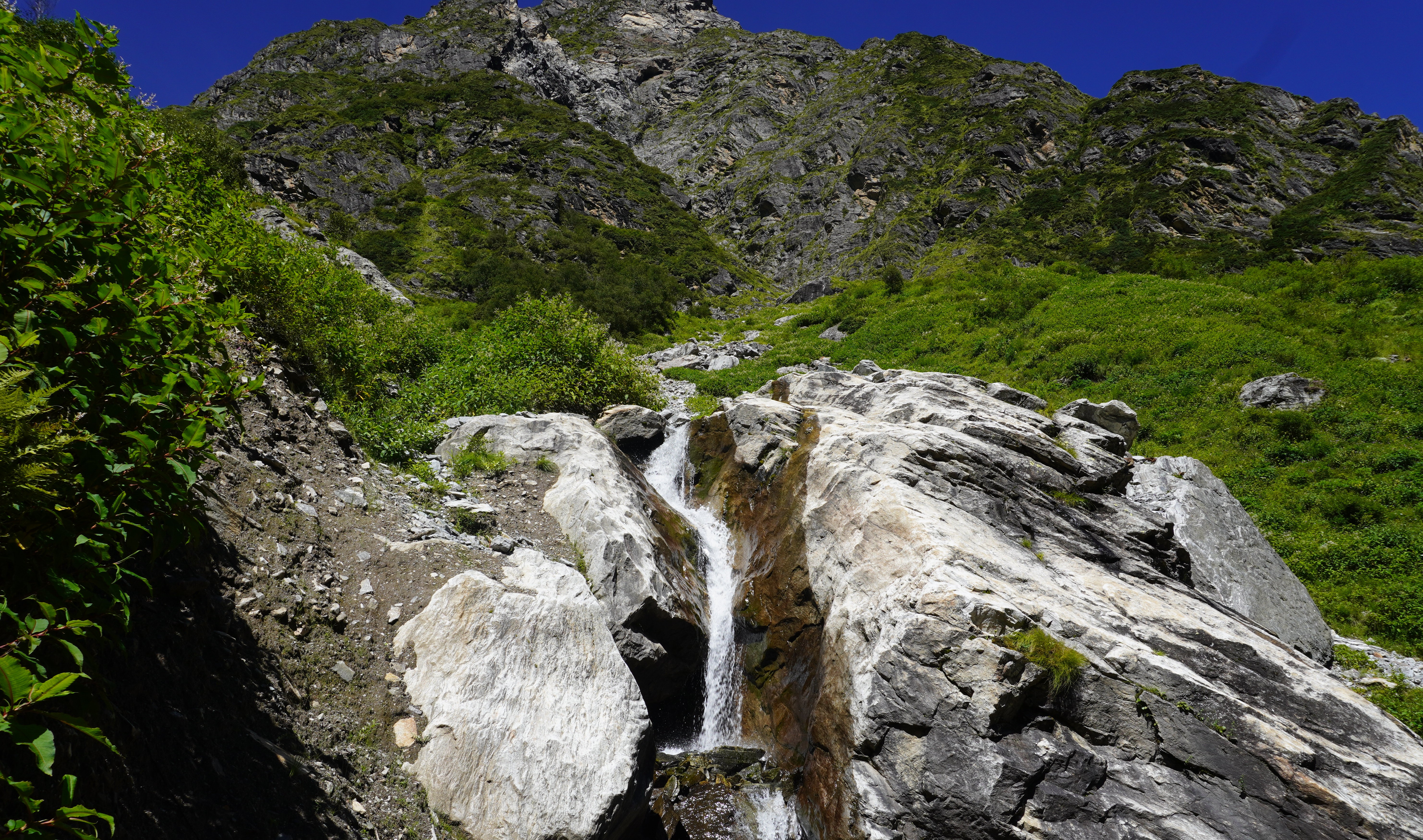
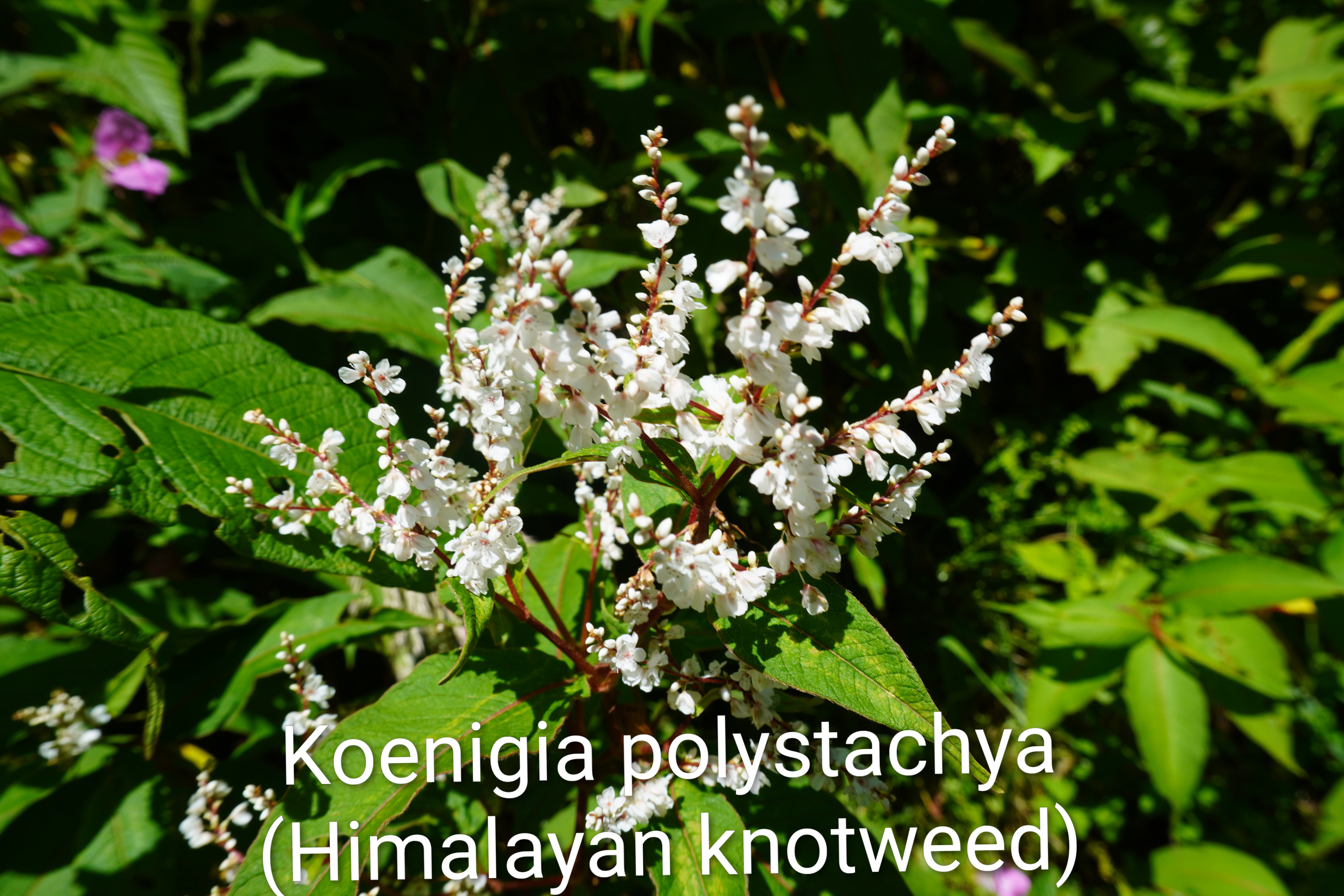
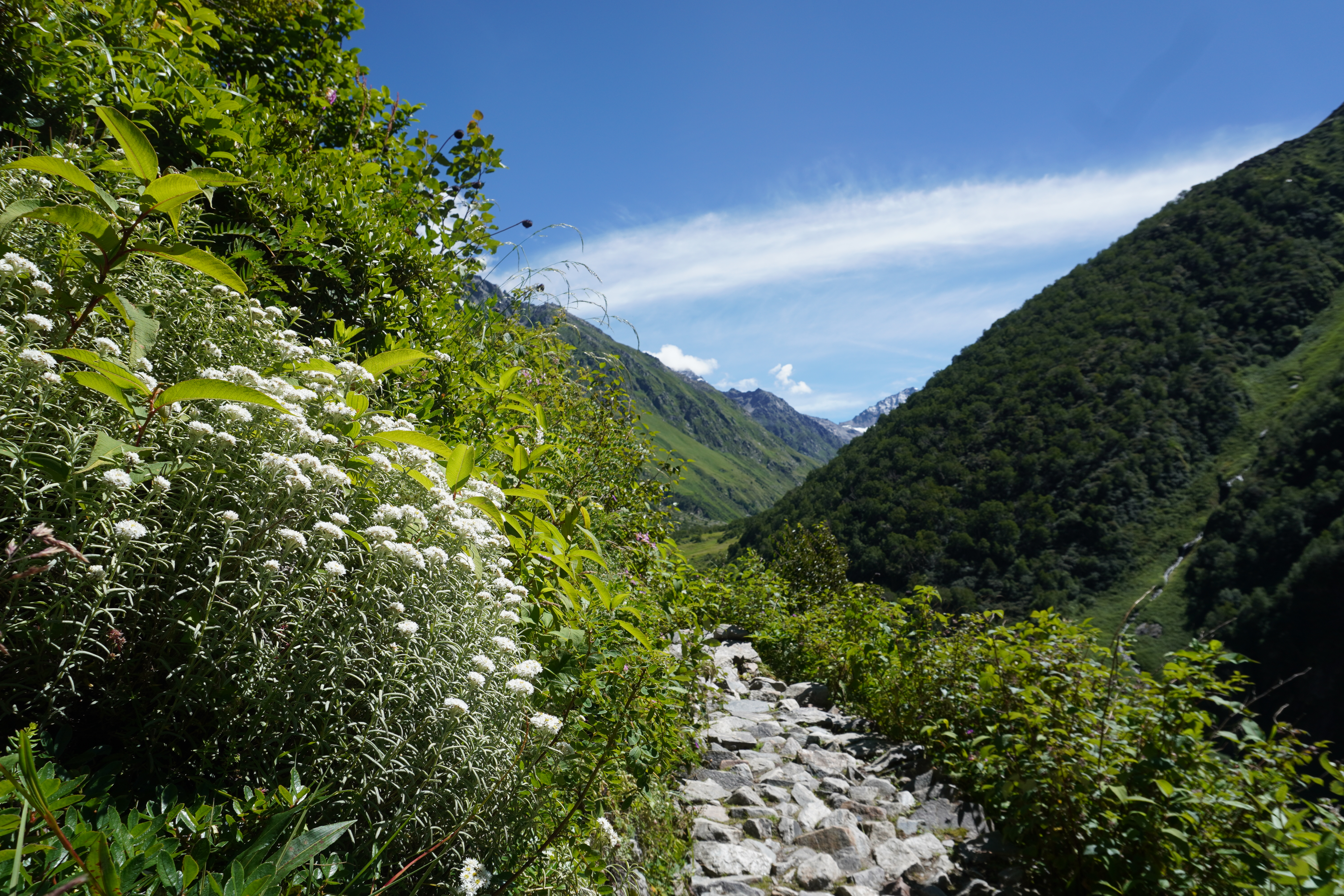
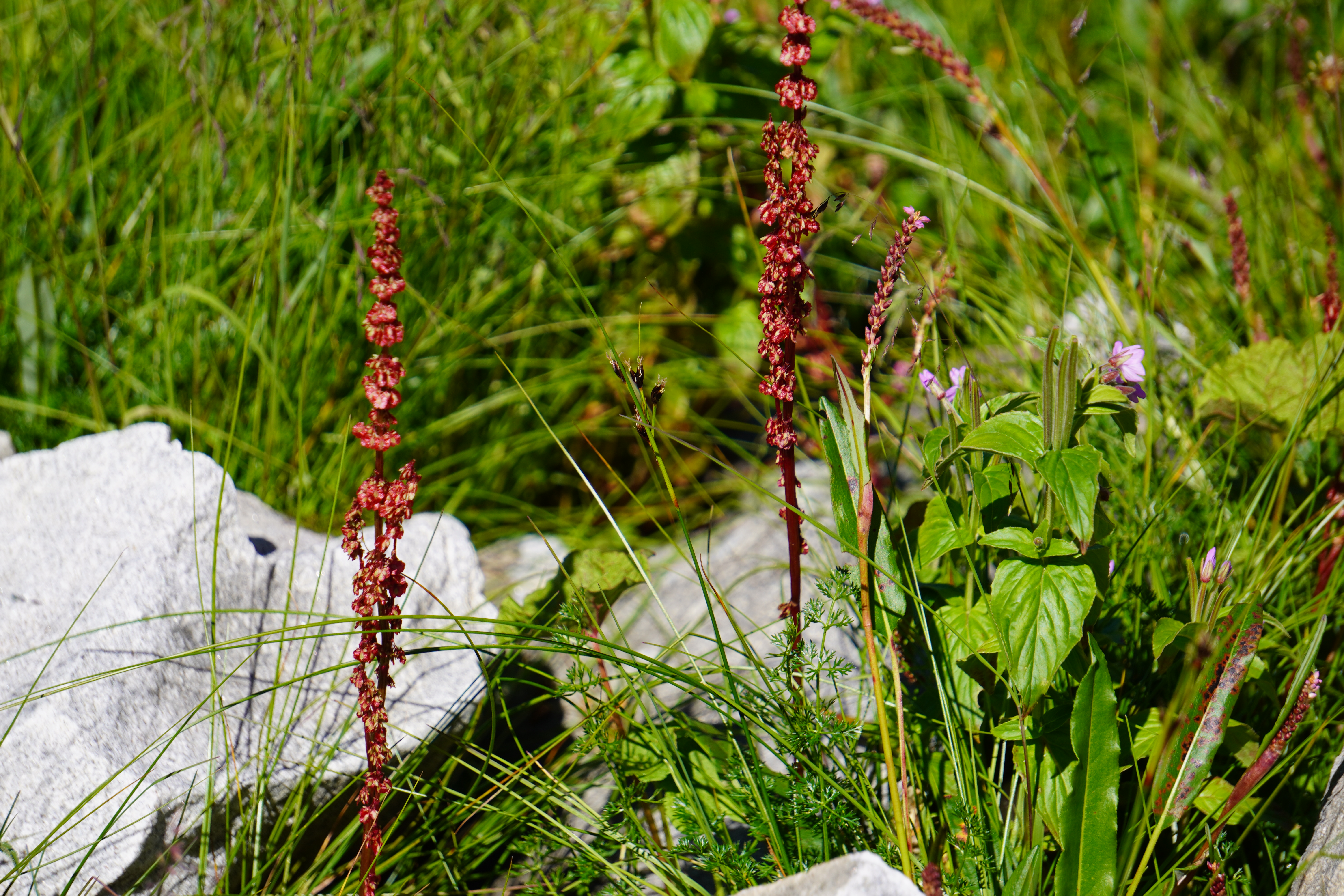
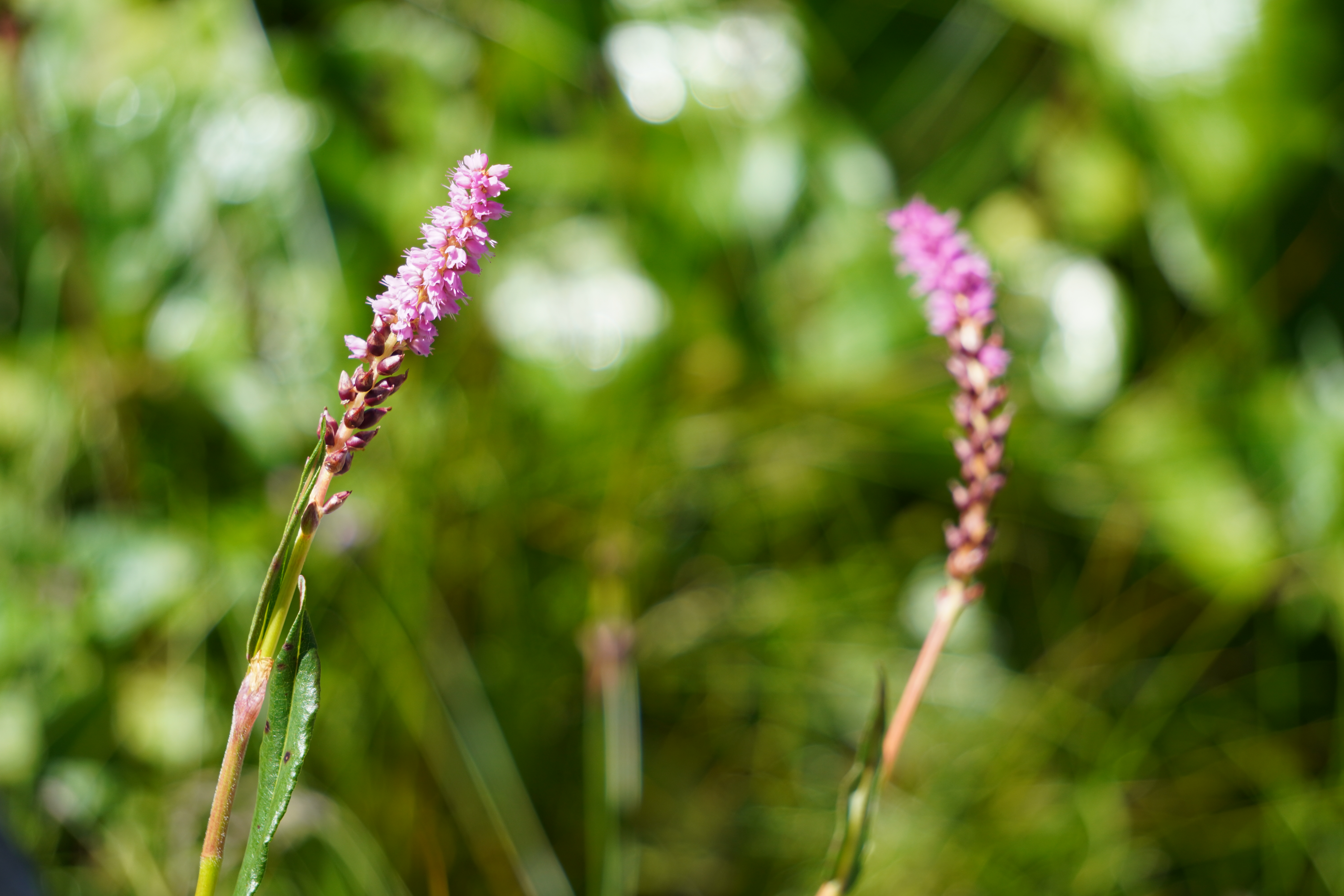
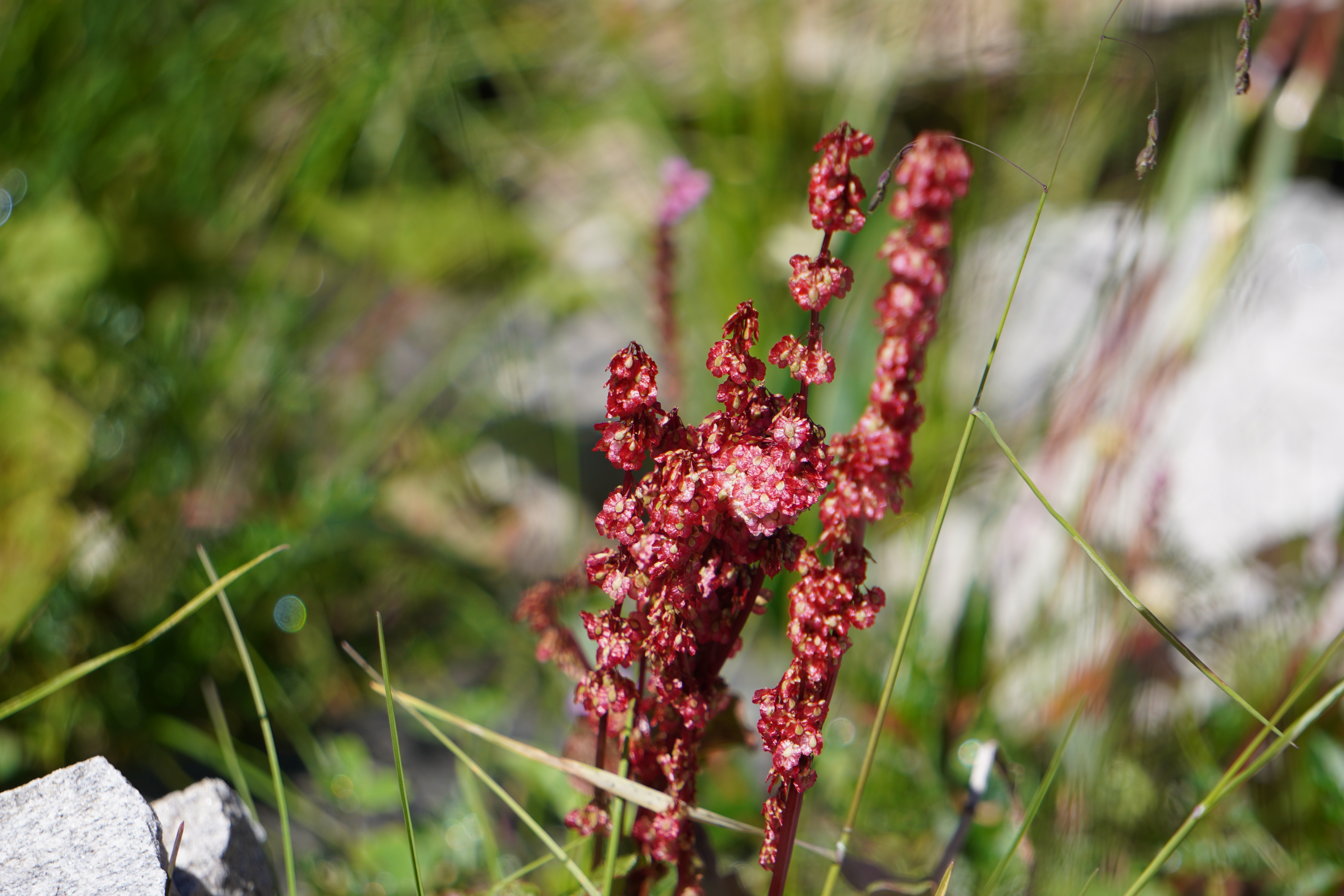
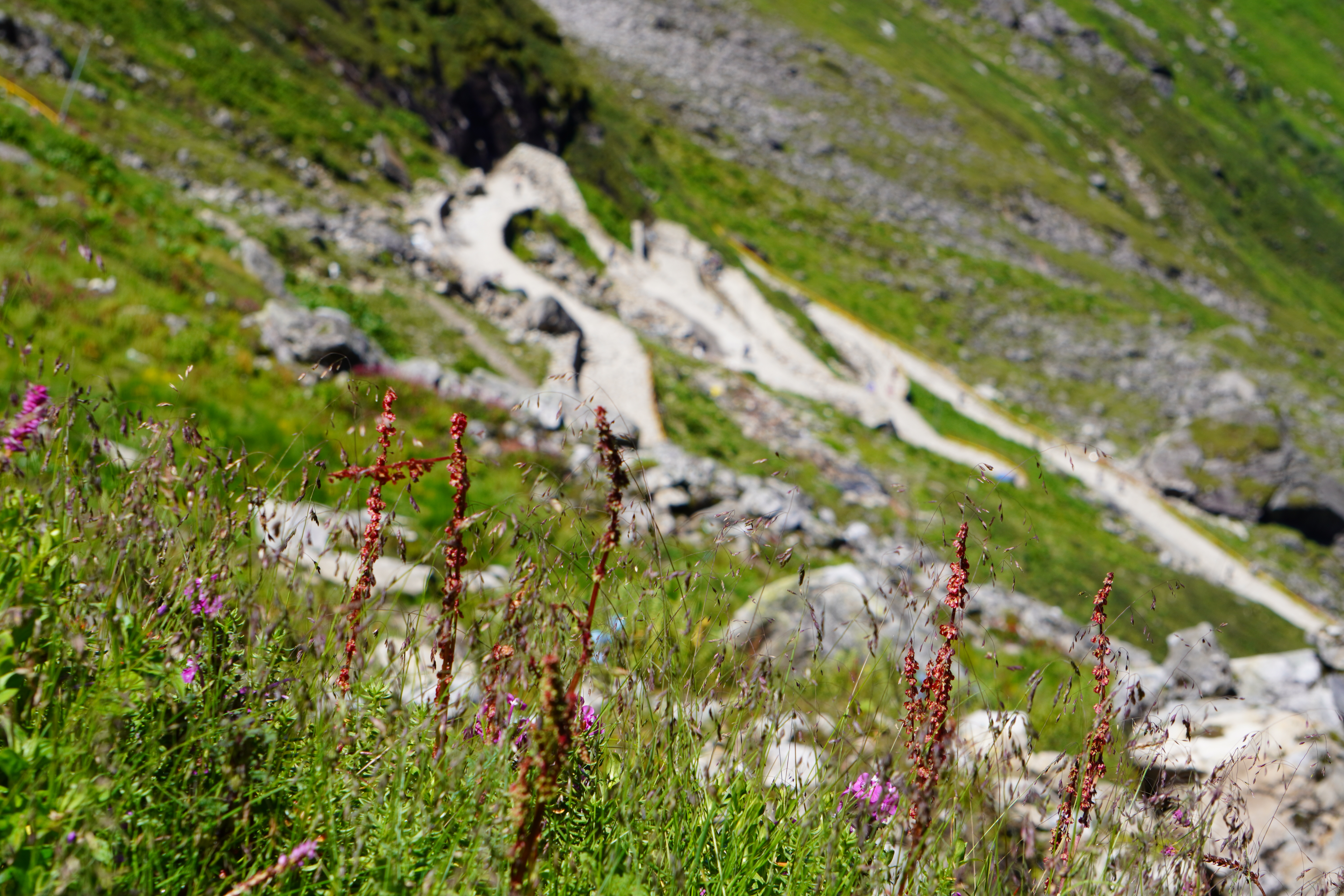
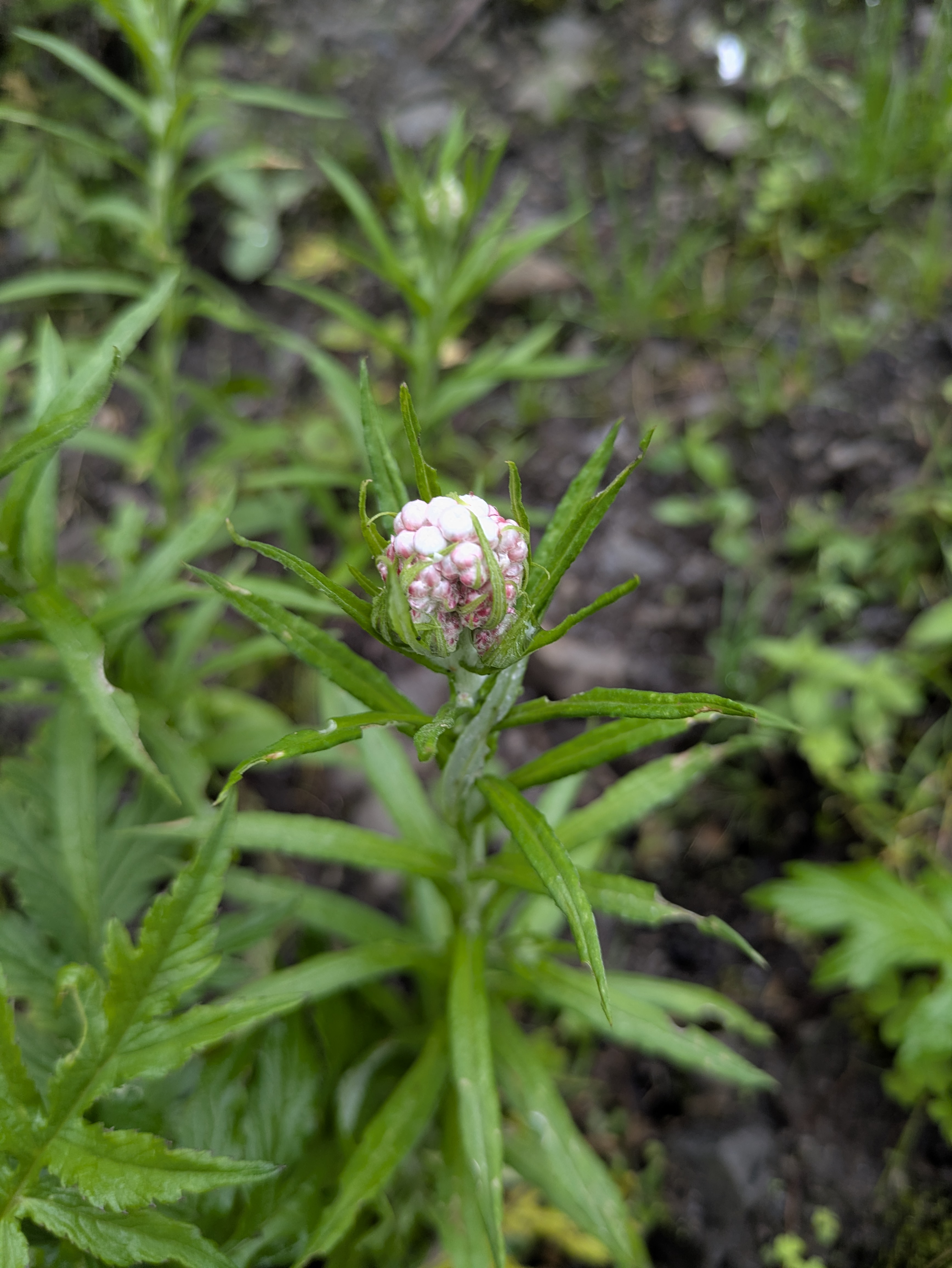
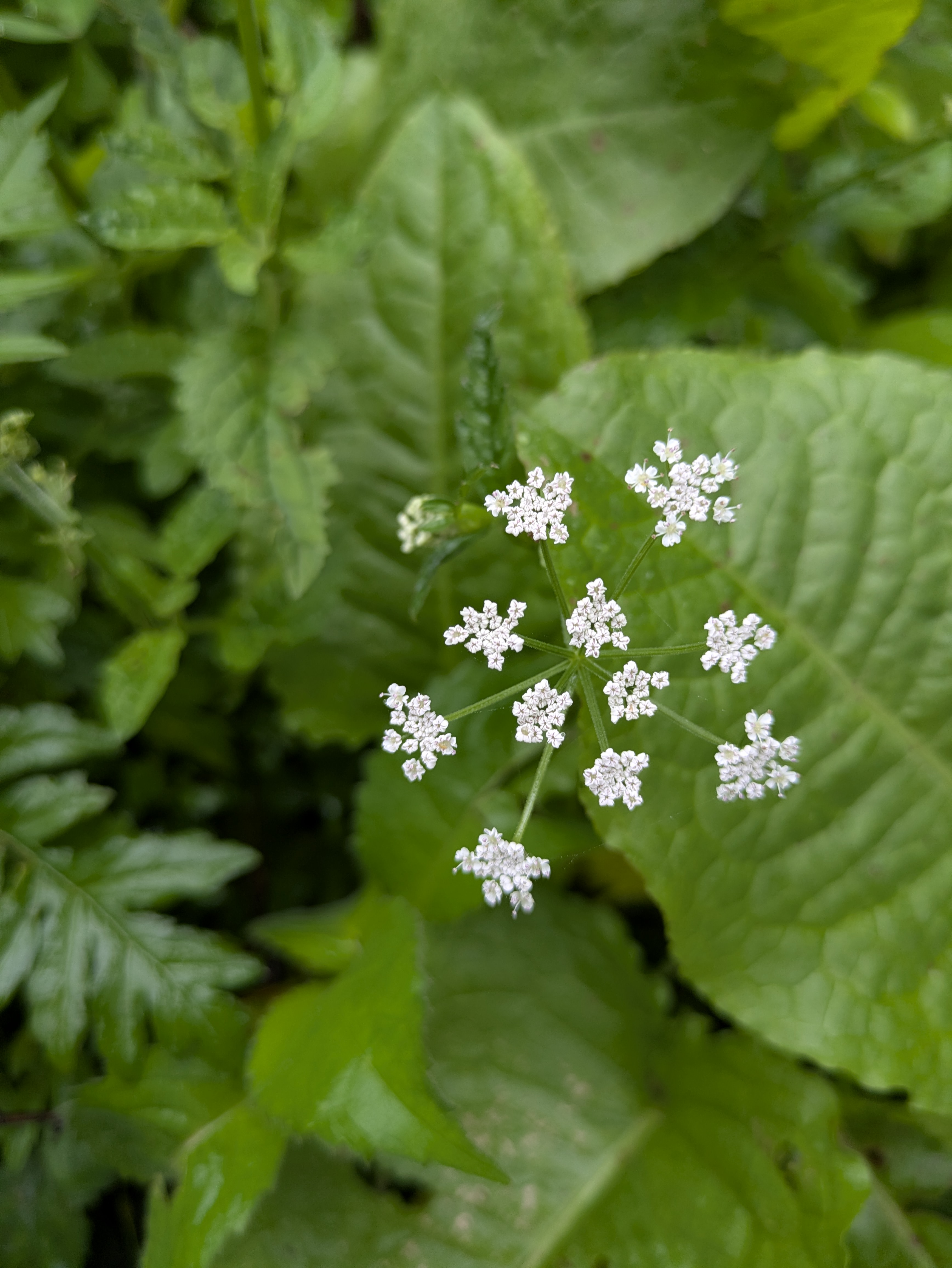
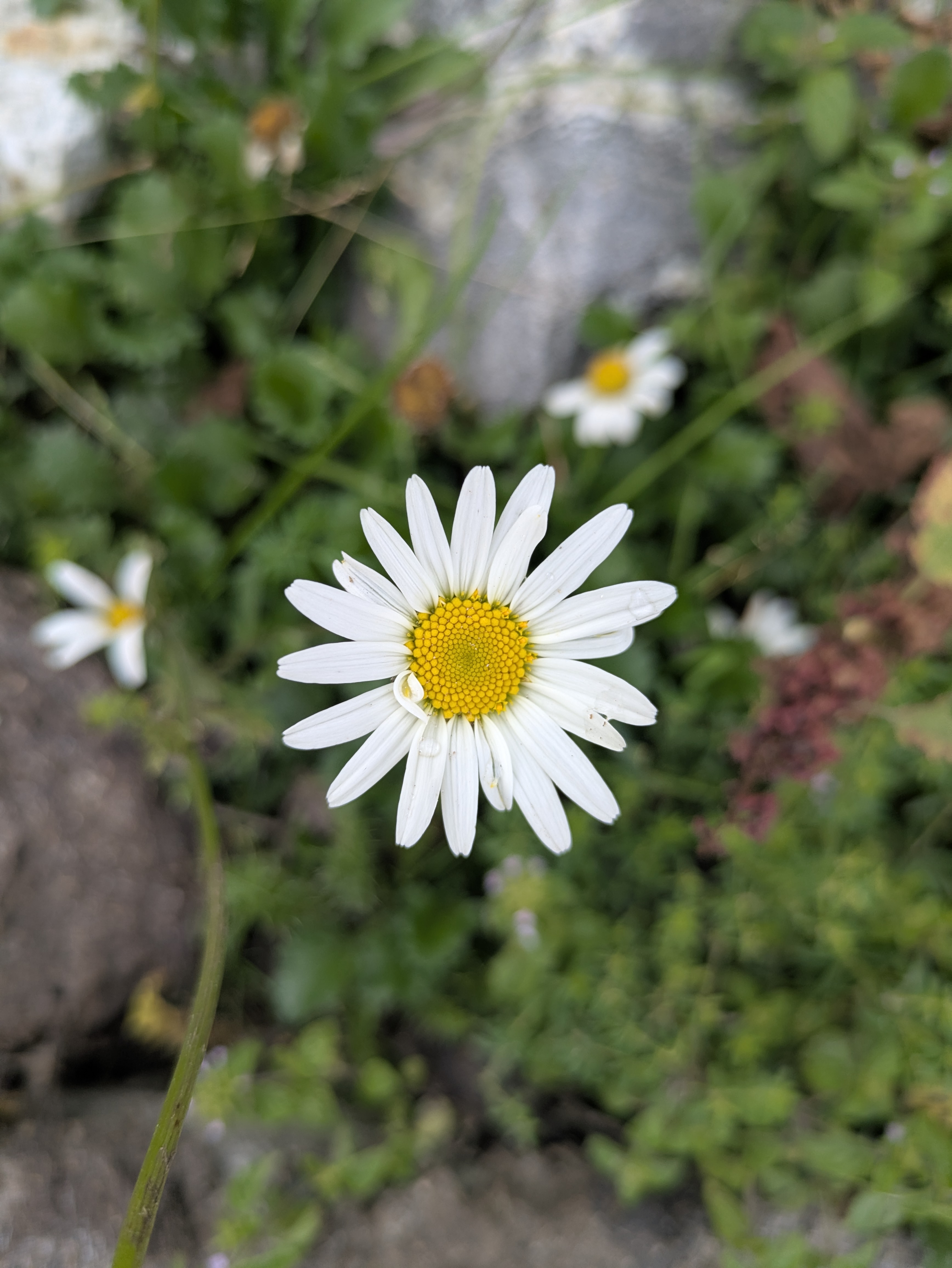
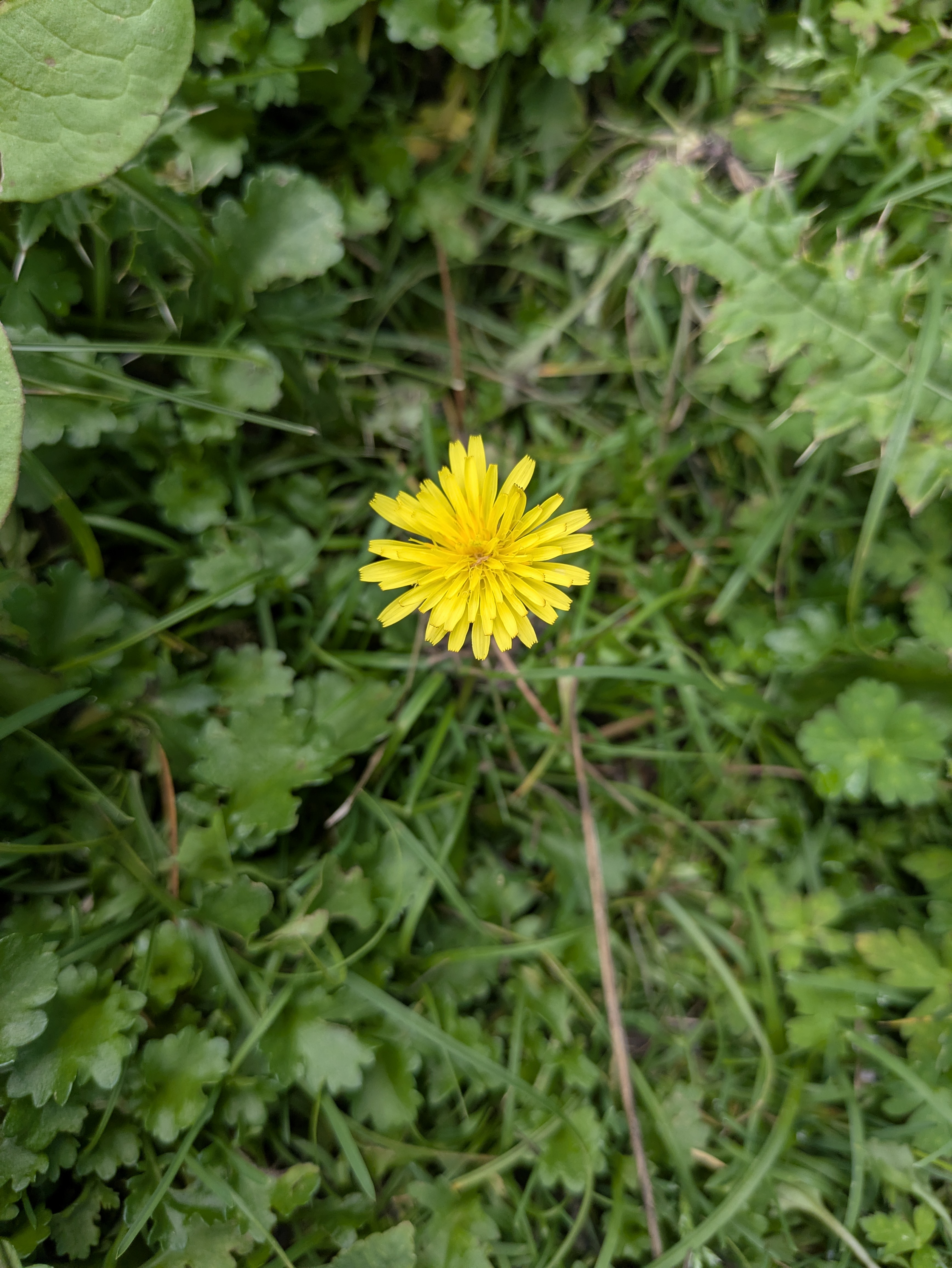
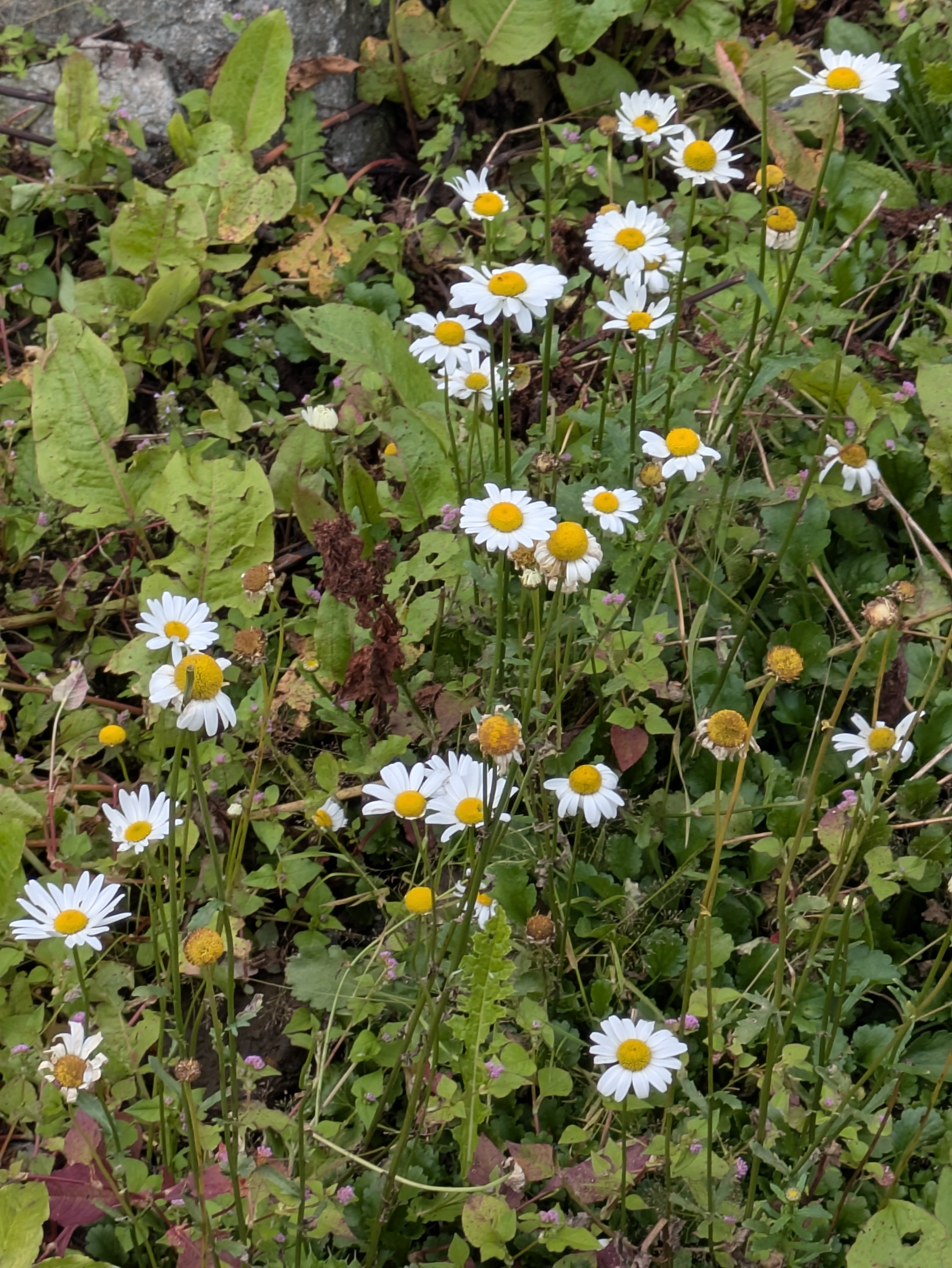
Dizzy but determined, because apparently that’s my whole personality on this trip, I kept walking. The valley, when it finally deigned to appear, was ‘normal’ green, carpeted in modest patches of pink rather than the riotous, filter-enhanced rainbow I had been promised by every photograph and reel that ever crossed my feed. Having already trekked Harishchandragad, Ratangad, and other forts across Maharashtra, not to mention the riotously colorful Kaas Plateau, all of which are genuinely, unapologetically flower-carpeted, no filters required, I sat there mildly disillusioned, half-convinced the internet’s grand love affair with this valley has considerably less to do with the actual flowers and considerably more to do with chasing the glory of a ten-thousand-visitors-a-day record. My feet, in solidarity with my crumbling expectations, refused to move even half an inch further. I hadn’t been this disappointed since the time my last company handed me a magnificent 4% increment, testing my patience – a betrayal so specific and so personal that, evidently, only a national park could rival it.
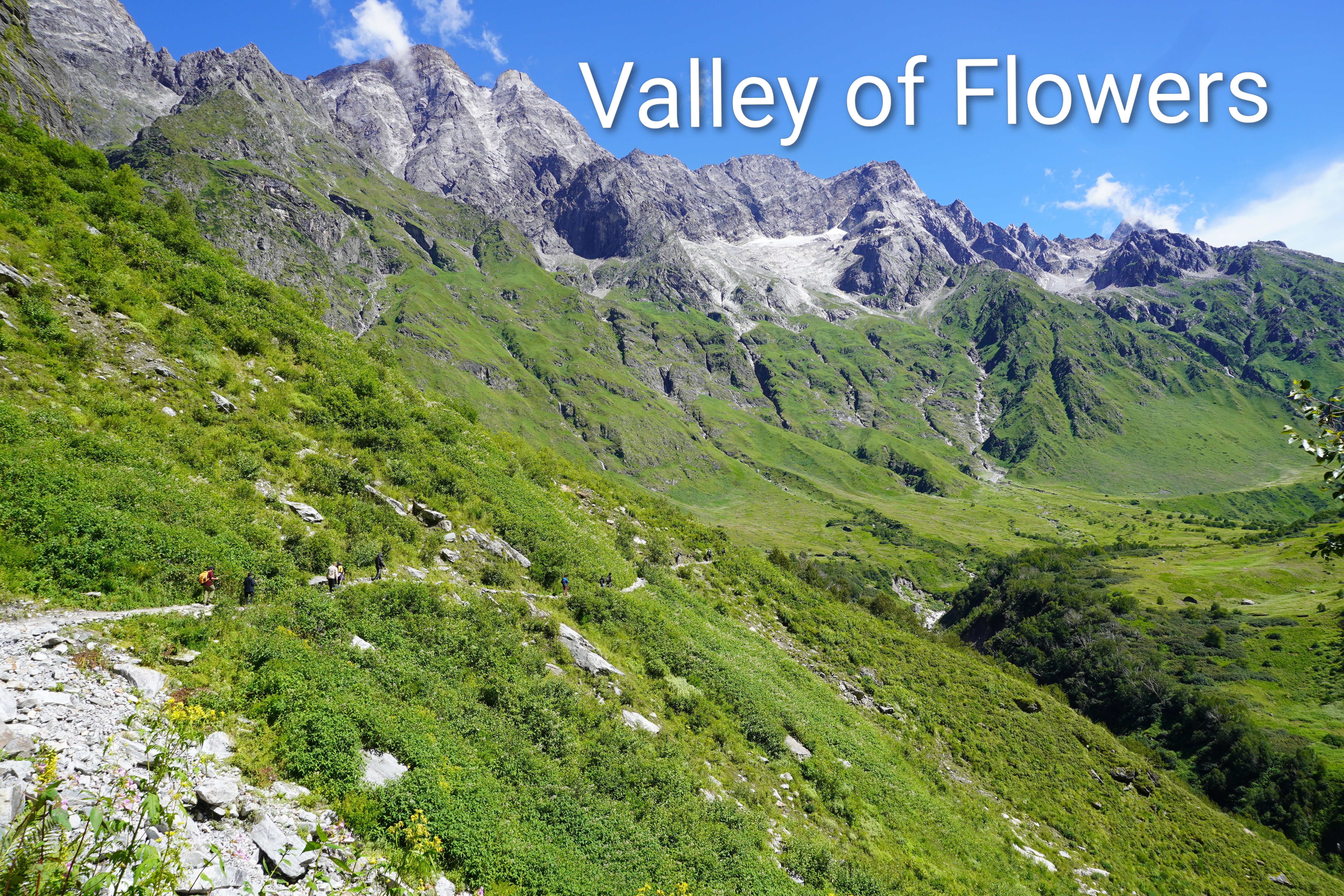
Somehow, with a heavy heart and feet negotiating for overtime pay, I convinced them to walk just far enough to find my aunt so we could descend together in shared disappointment, as family should. Thankfully, within a few steps, there she was, equally underwhelmed and twice as diplomatic about it. We sat down for lunch, gulping down the disappointment right alongside our food and quietly reassessing our life choices. This, after all, was the place I had hyped up to my aunt as “extraordinary,” a promise now sitting somewhere between “overpromised” and “spectacular own goal.” The sadness sat heavy on my legs the whole way down and in hindsight, I probably should have walked the entire descent myself and pocketed the money, a realization that arrived, as all good realizations do, exactly one pithu-payment too late, my wallet filing this under “recurring theme of the trip.”
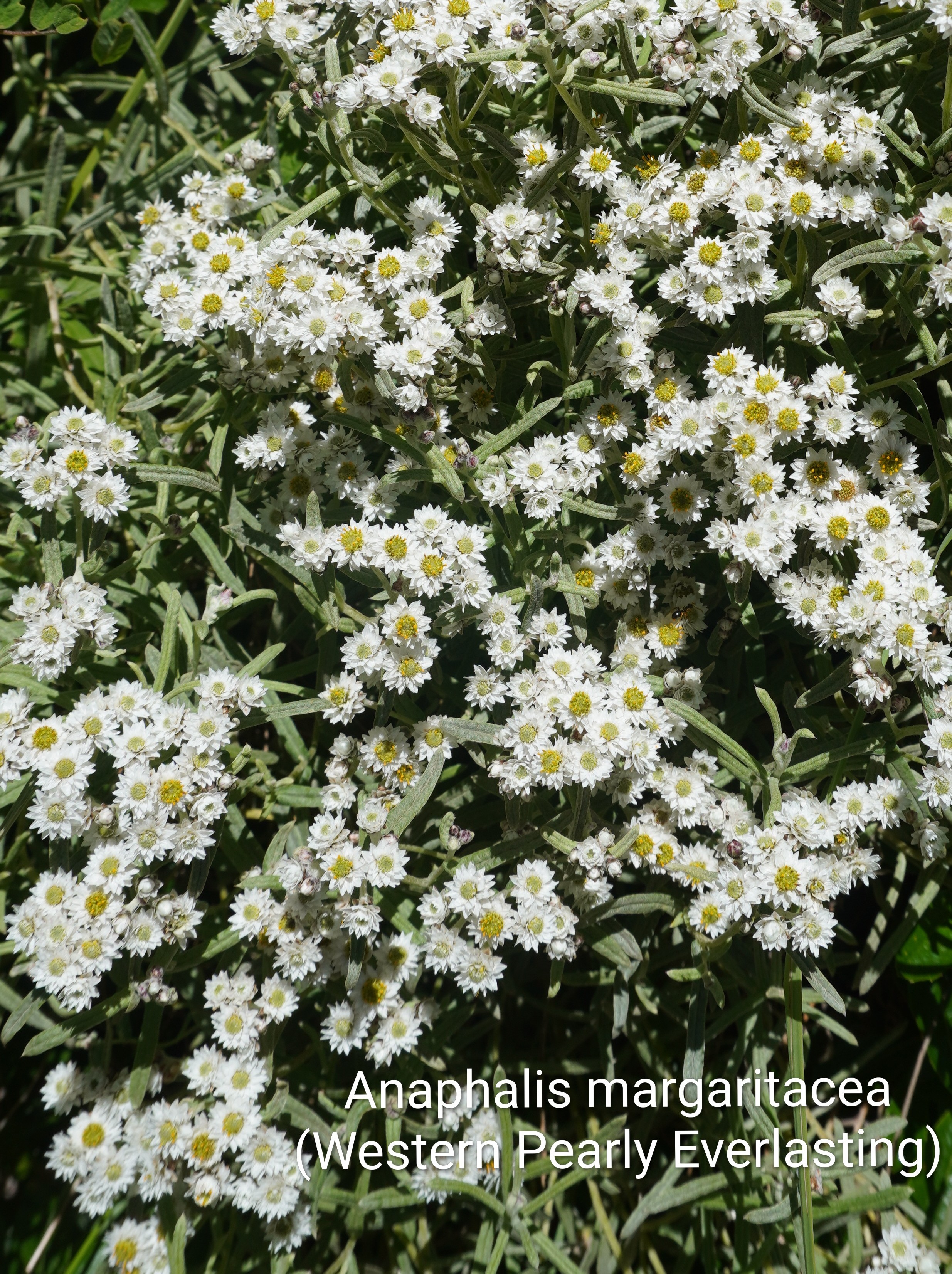
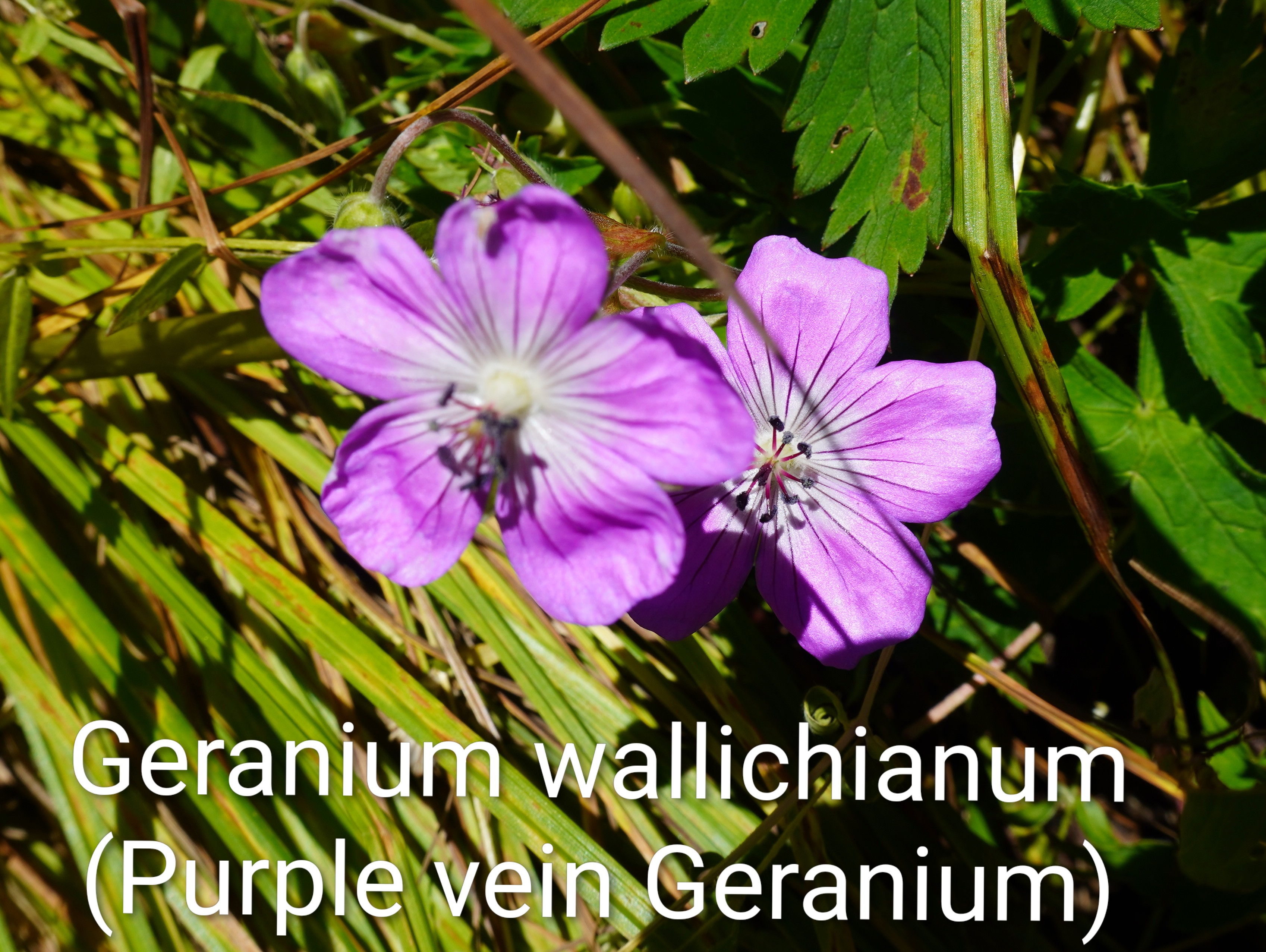
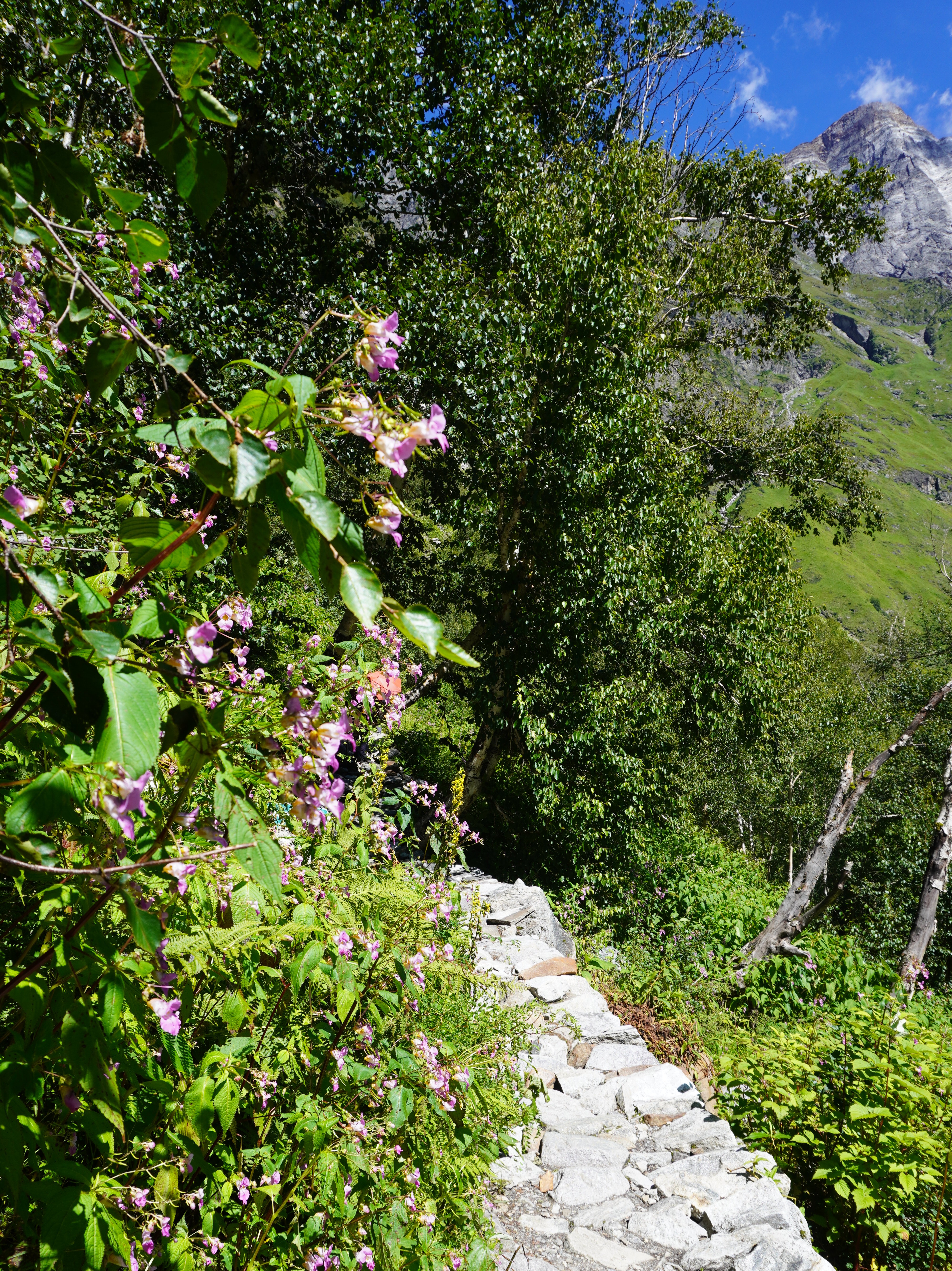
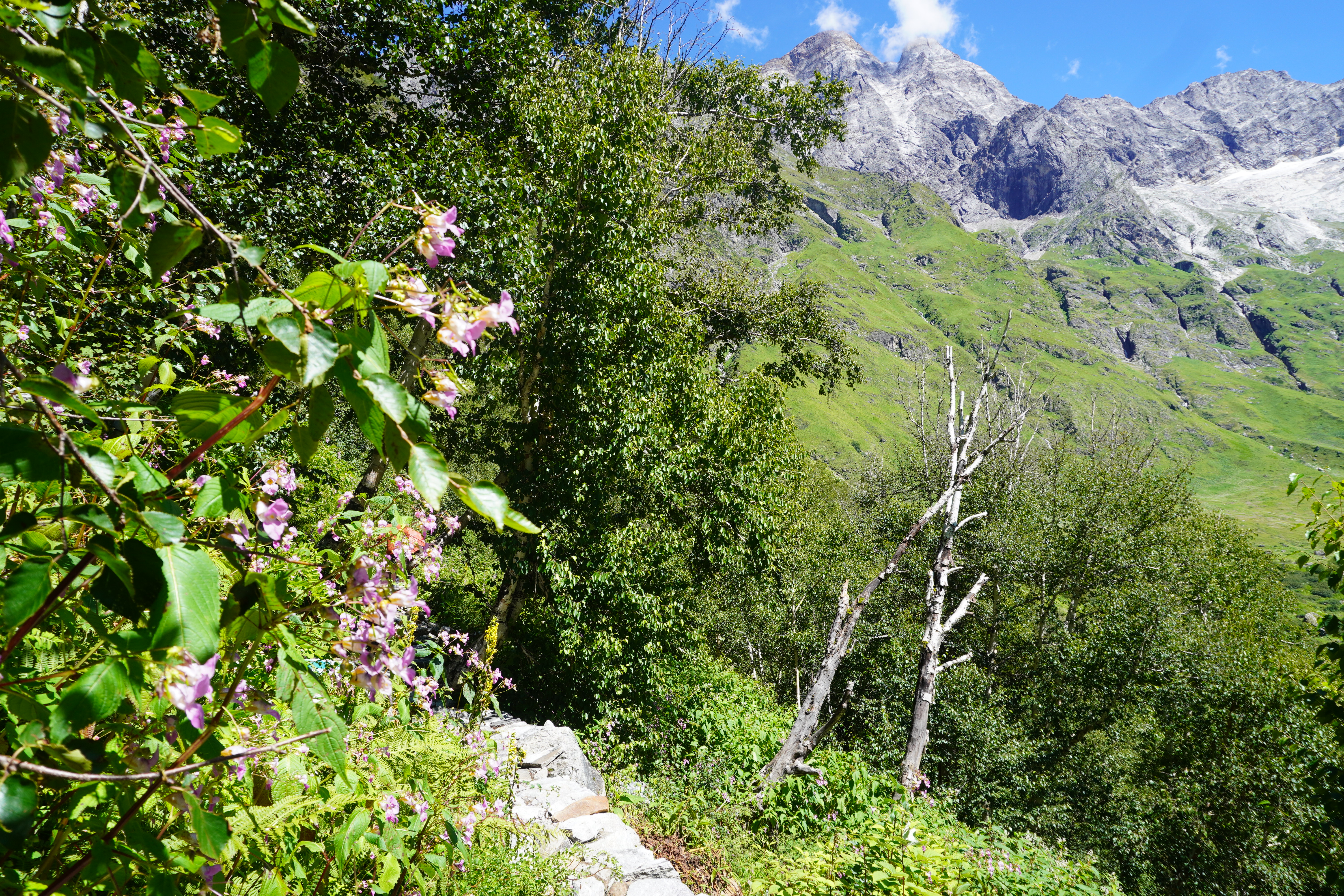
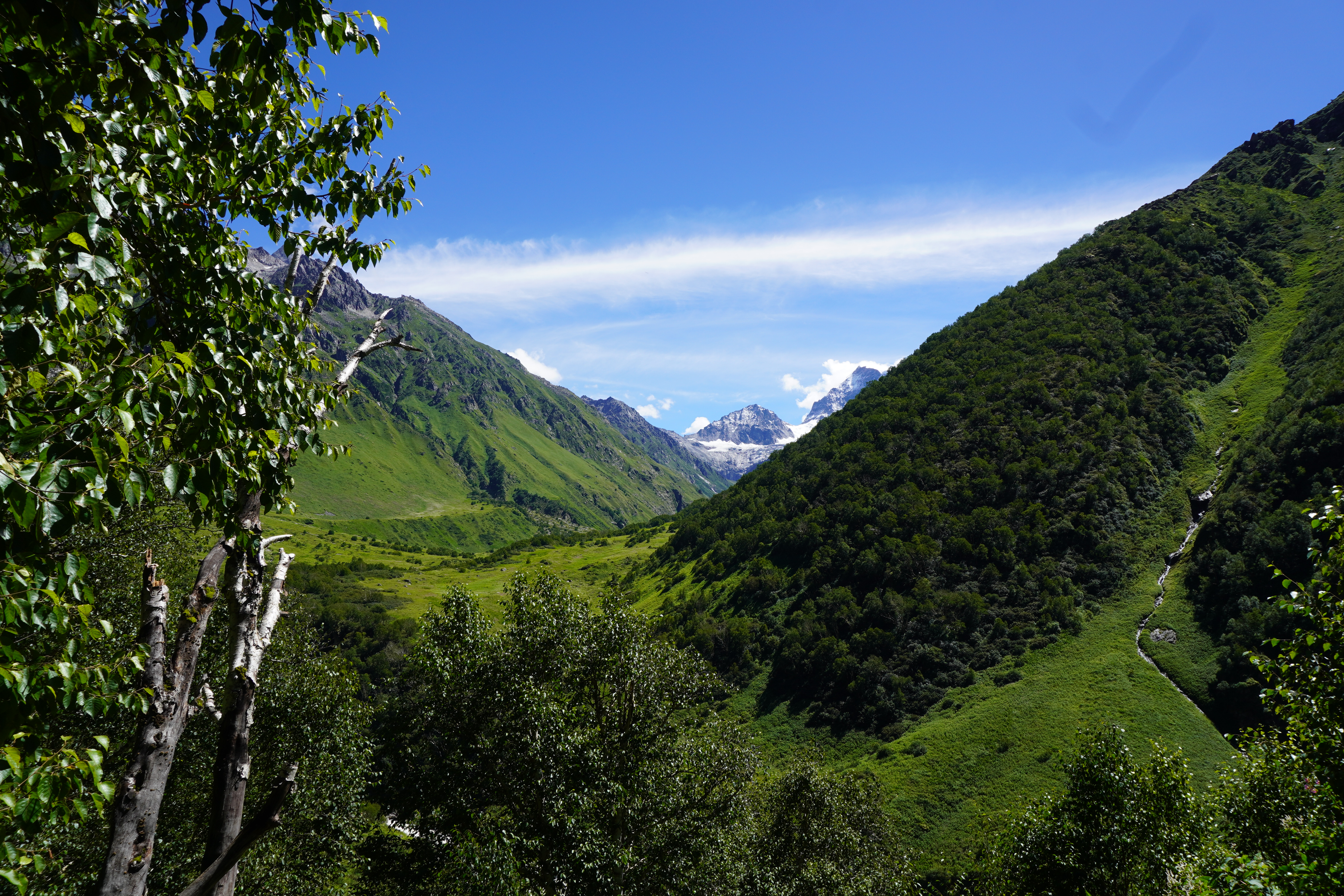
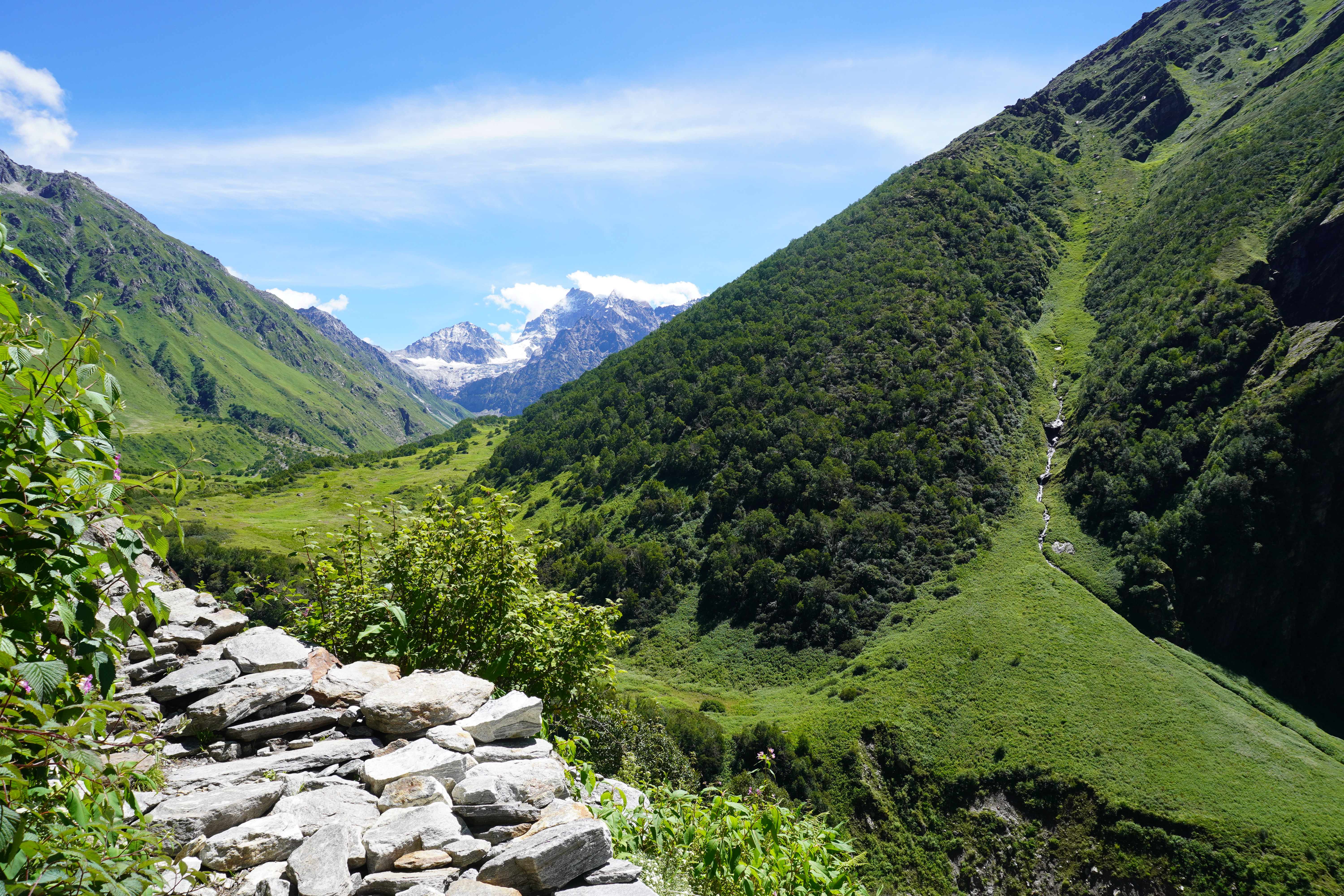
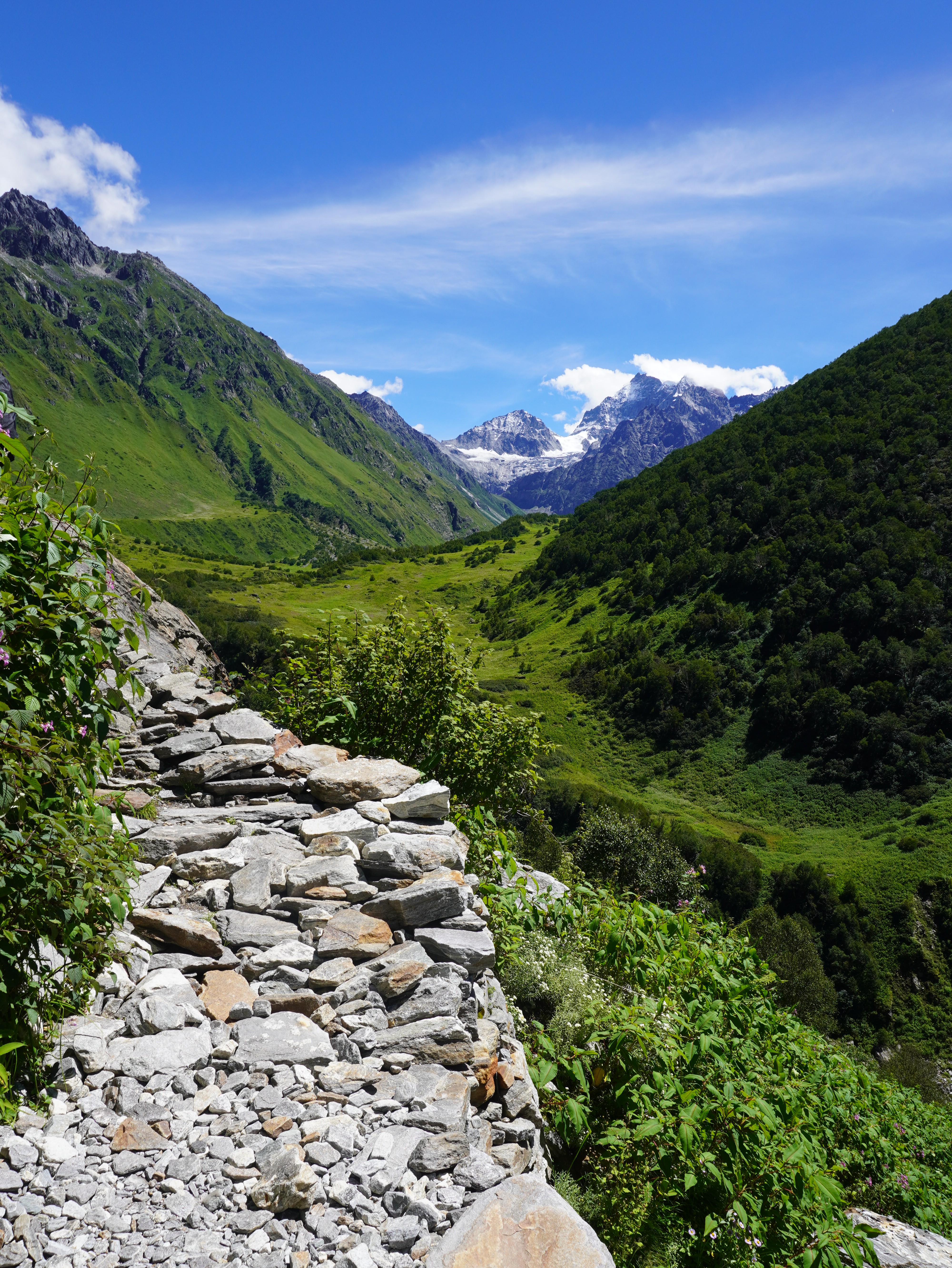
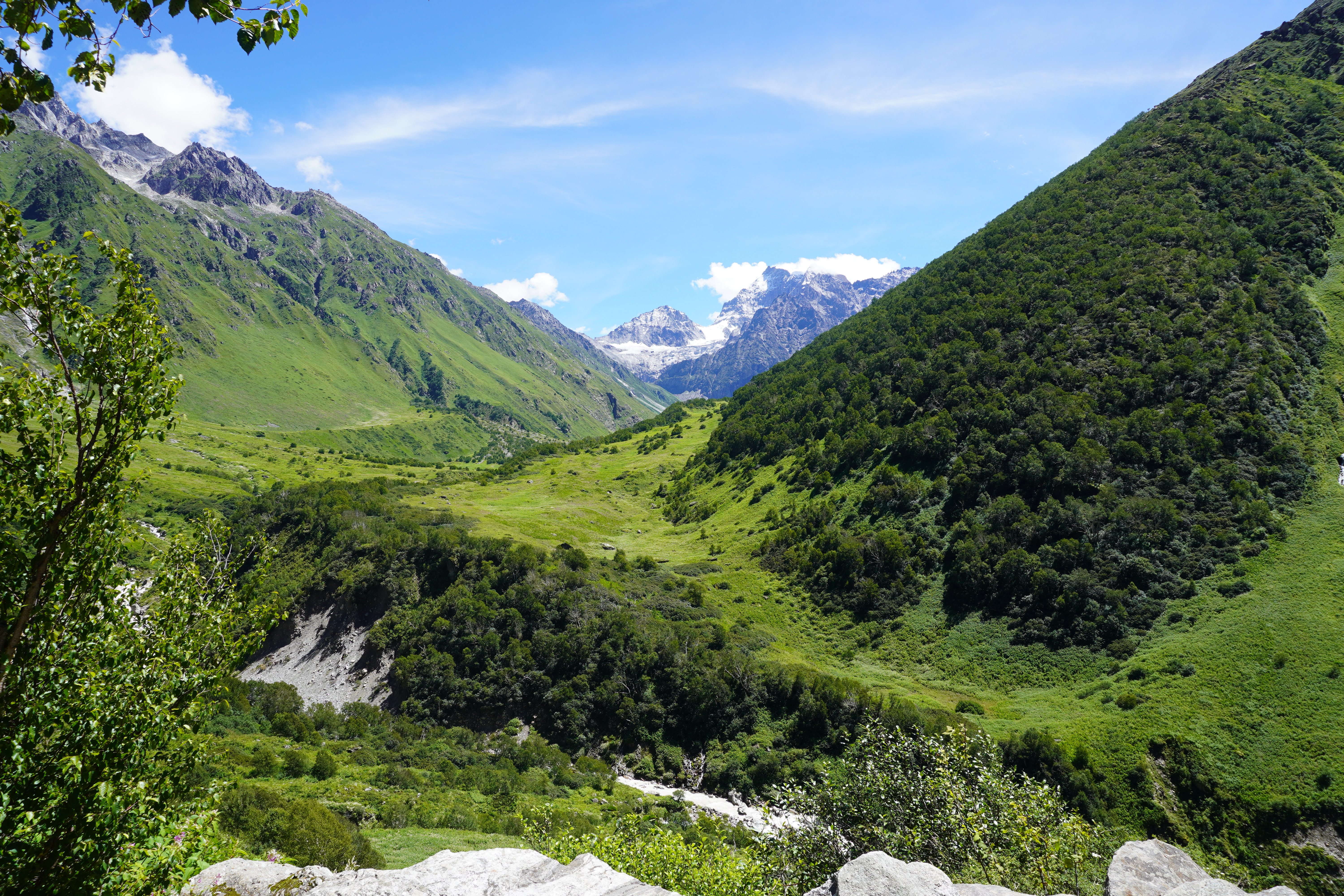
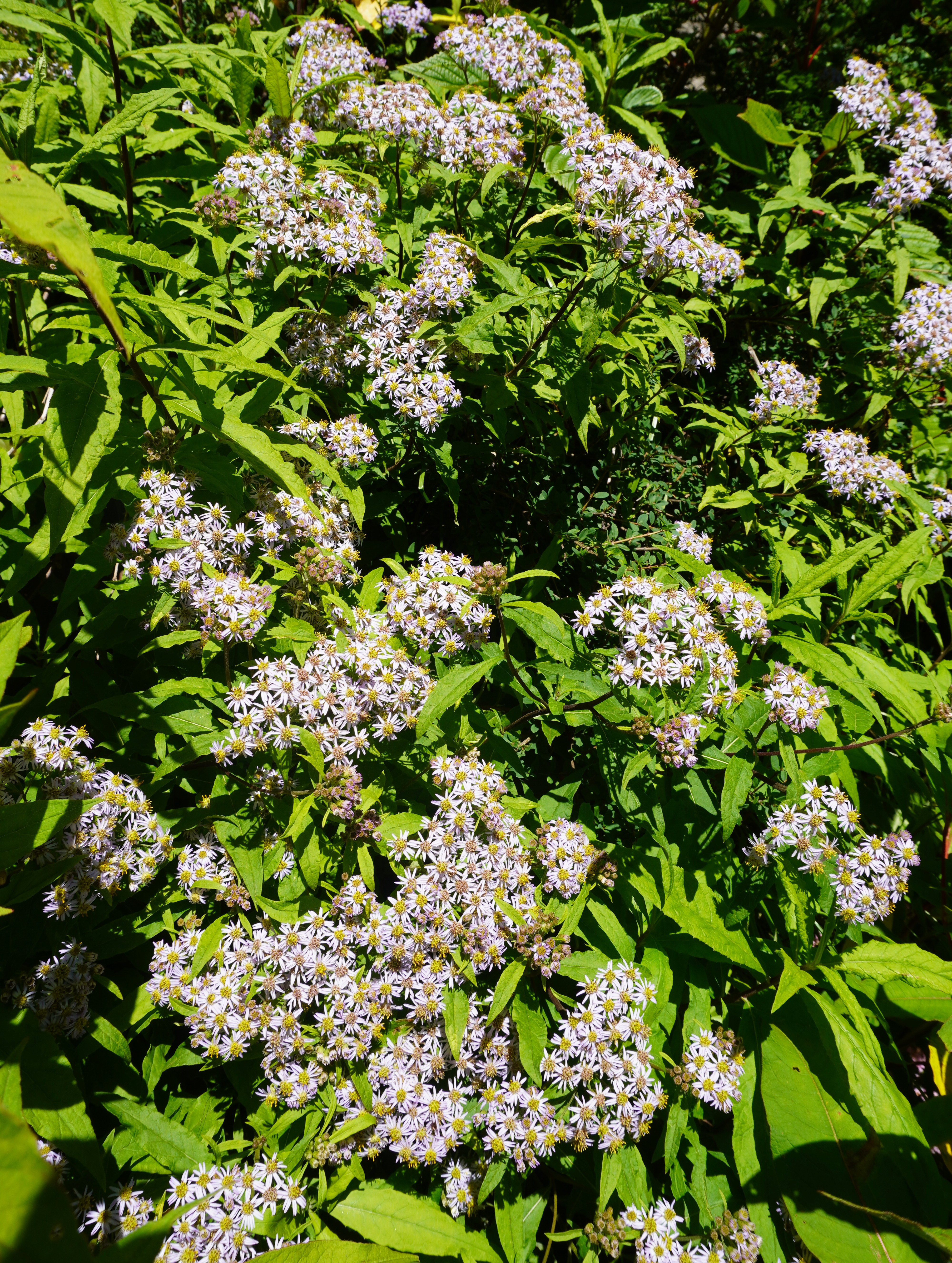
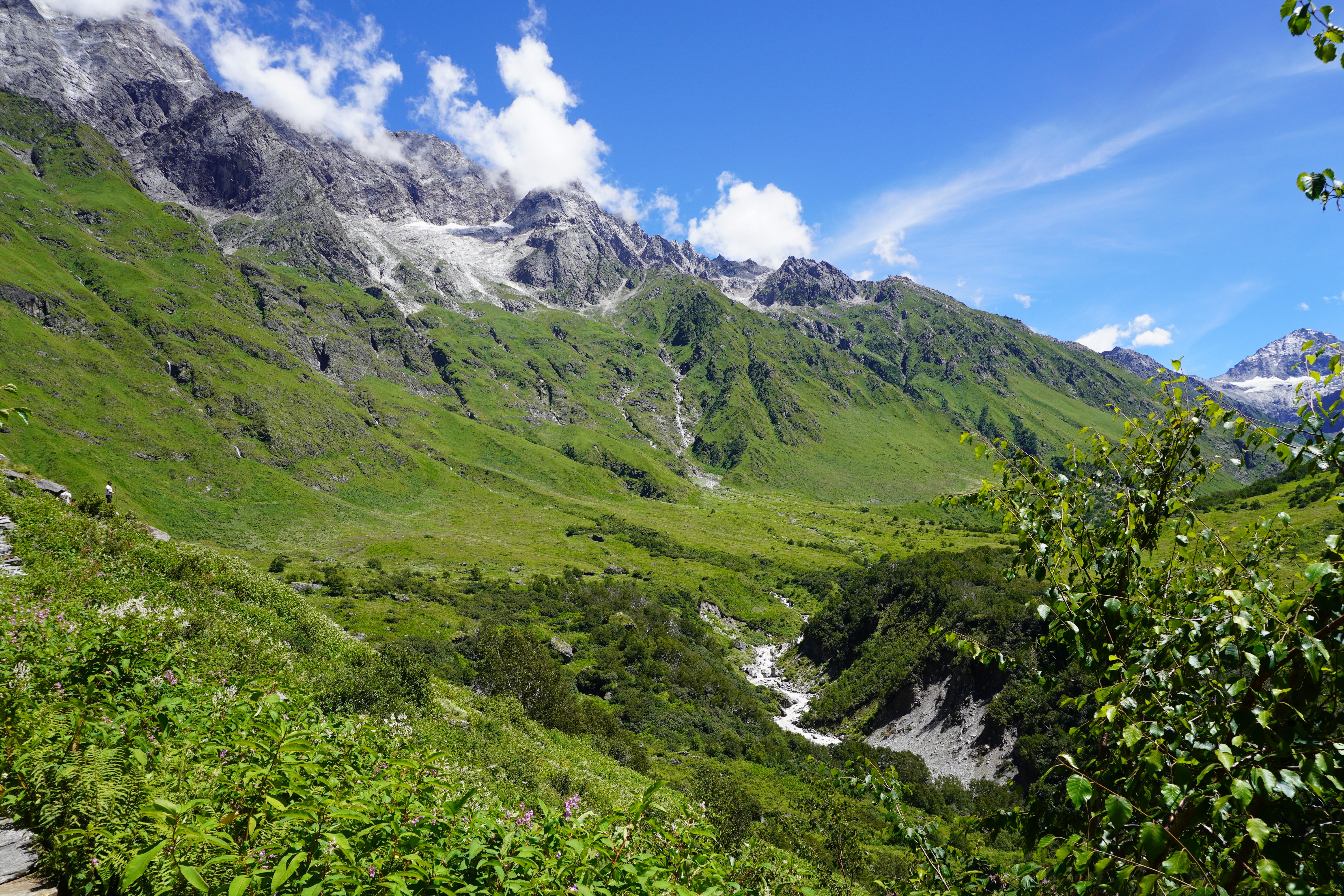

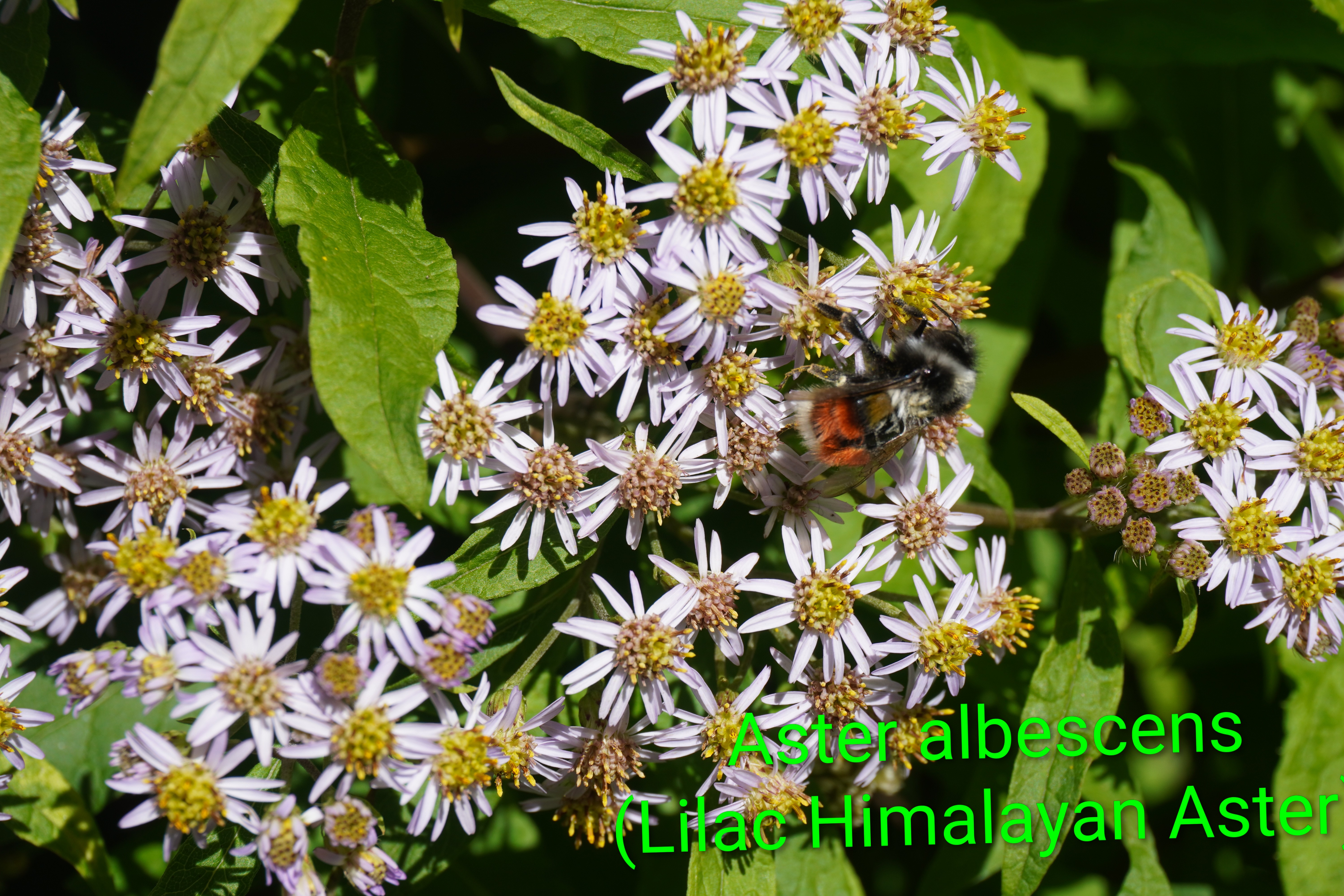
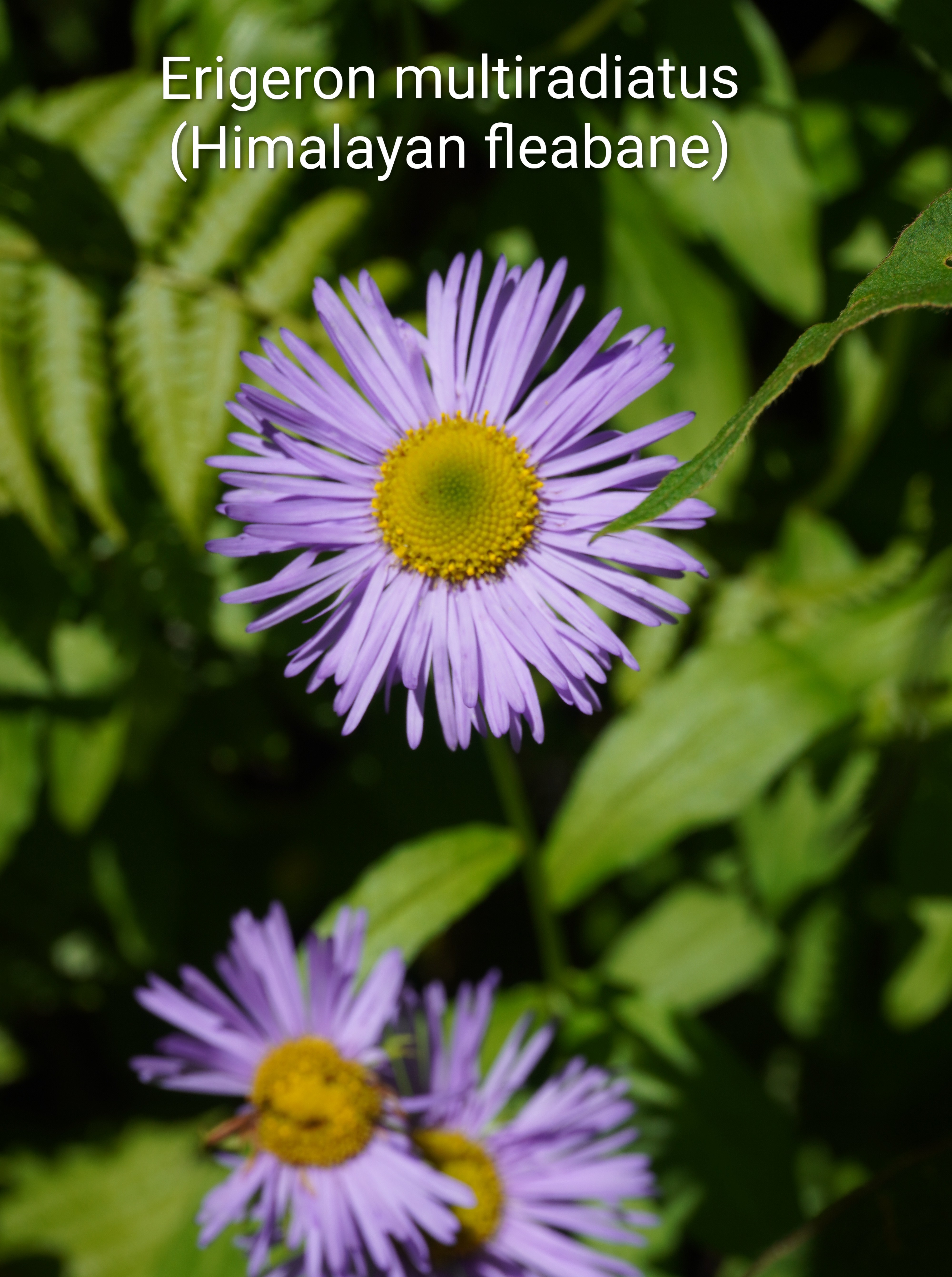
After reaching base camp, my rant continued at full volume, cataloguing precisely how deceived we had all been by an internet full of overachieving filters, while simultaneously contain multitudes and apparently unresolved guilt – debating with myself whether tourists griping about being “duped” is a bit rich when that same duping money is literally someone’s livelihood up here. Consistency was never really my strong suit that day.
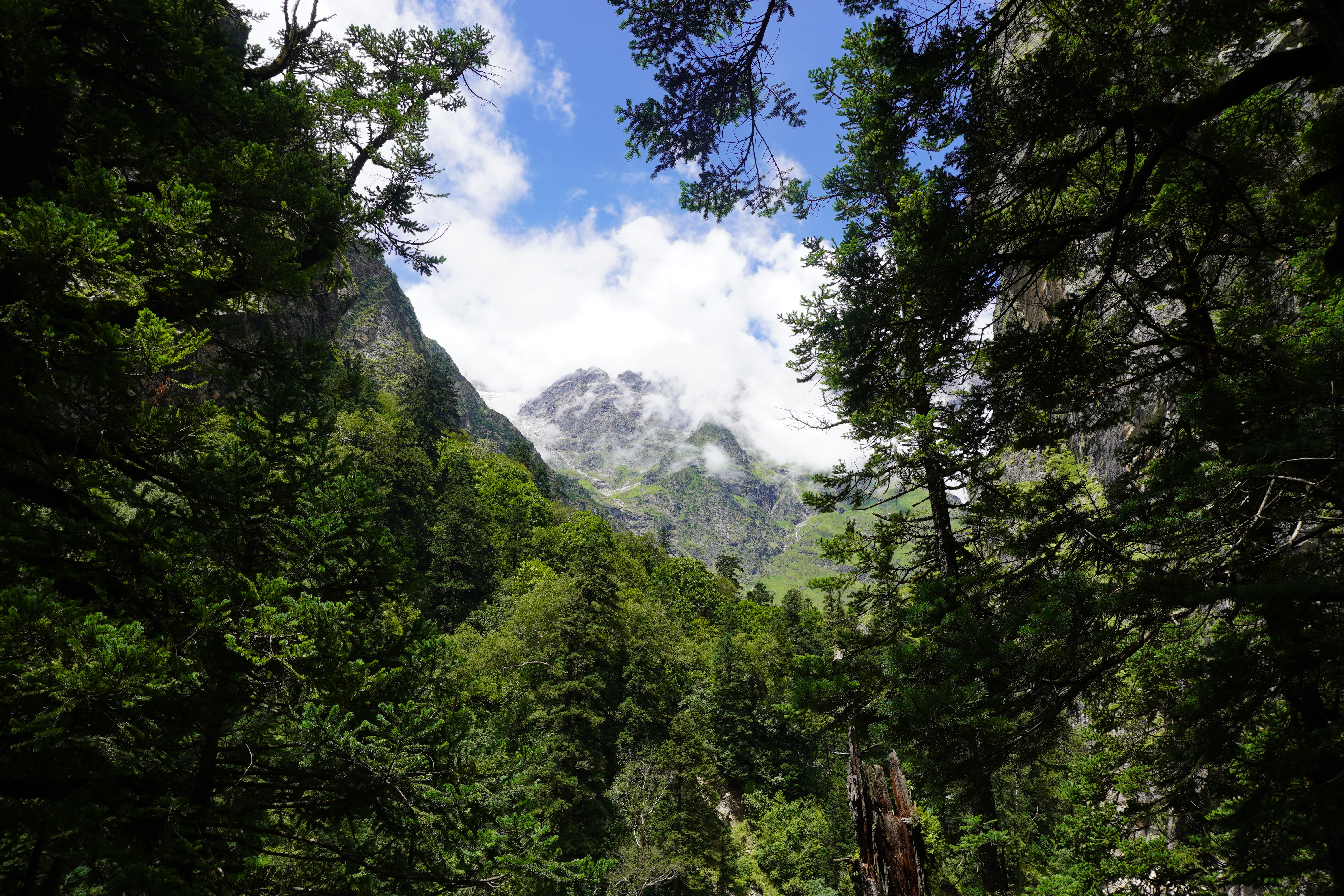
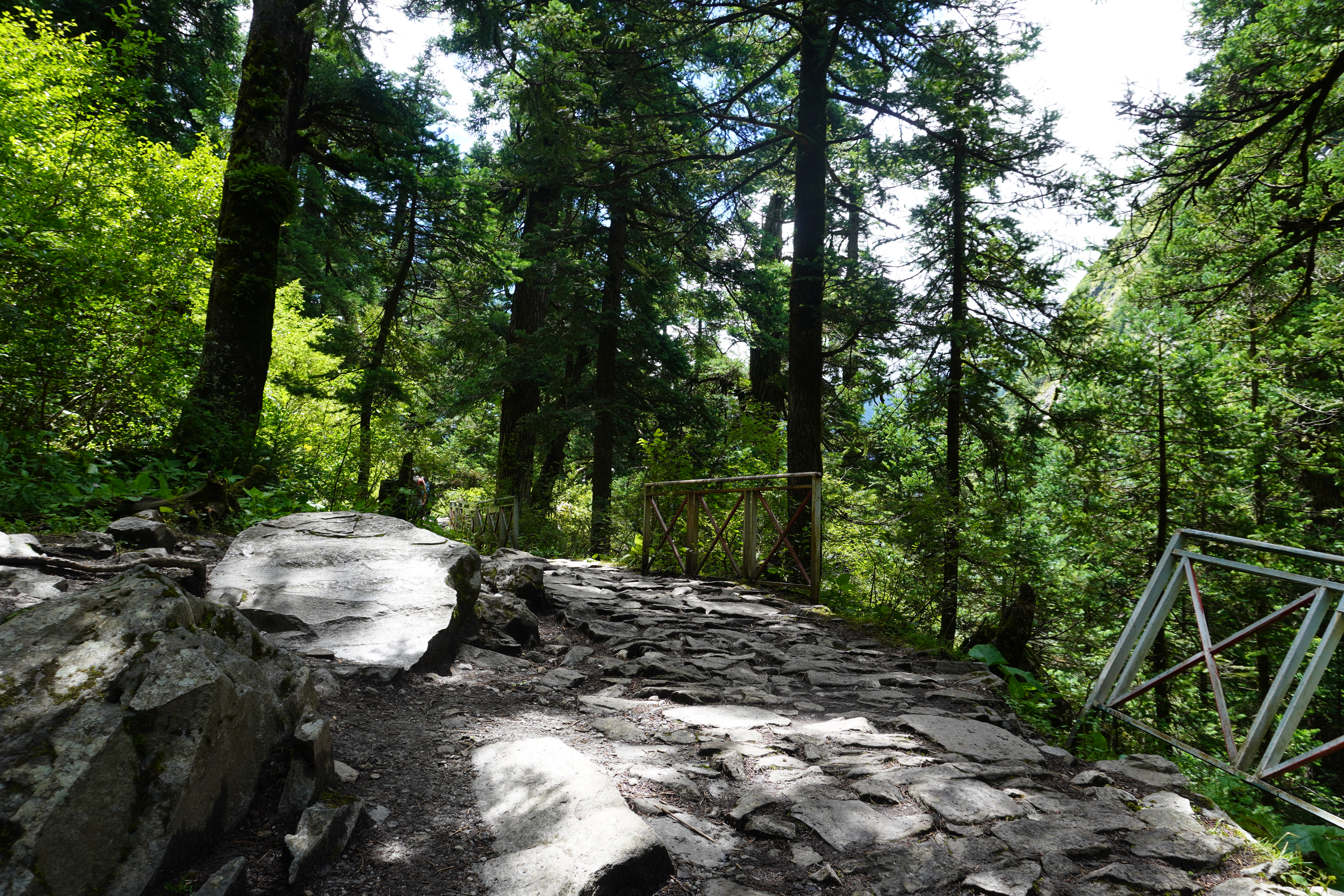
The next leg was a long one and we had to start early, trek back down to Pulna, jeep to Govindghat and then a further drive to the Badrinath Youth Hostel Camp. We set off around 7 AM, my aunt and I descending slowly, pausing for snacks and a bit of photography along the way and reached Pulna by noon, greeted by intermittent rain. The descent felt never-ending for my aunt and there I was, channeling my inner trek guide, chirping “just 15 more minutes” every ten minutes like it was a professional obligation.
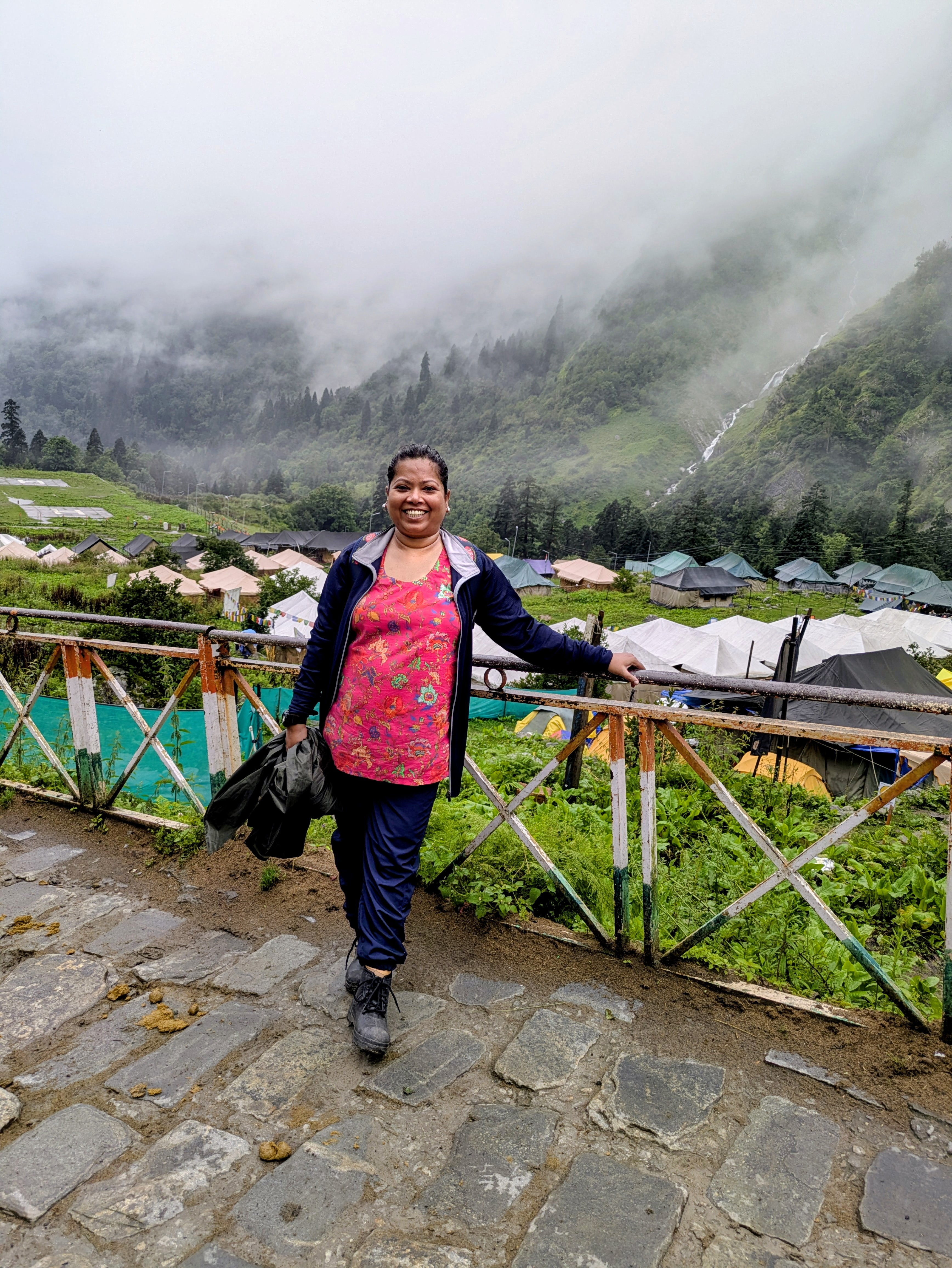
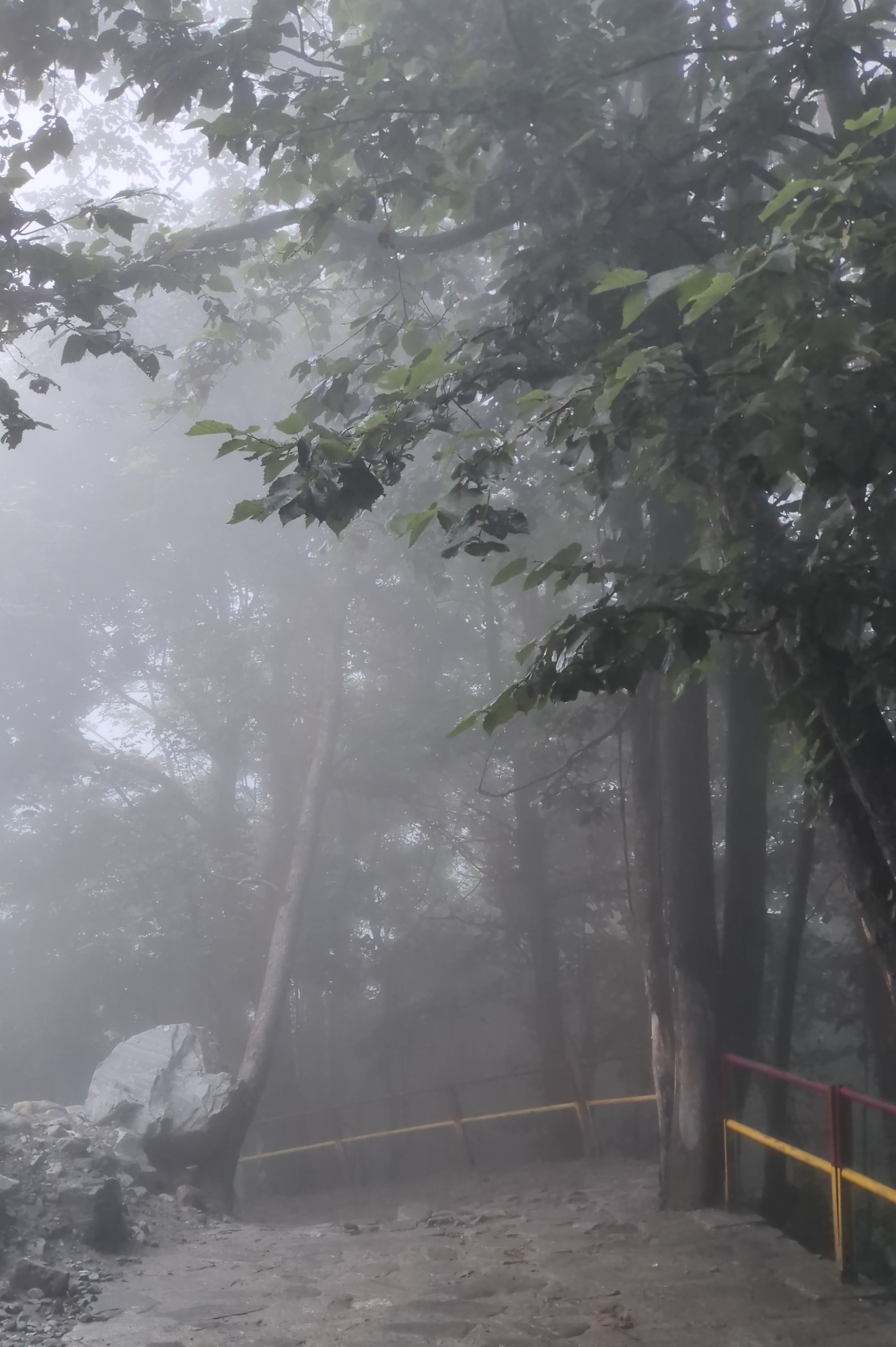
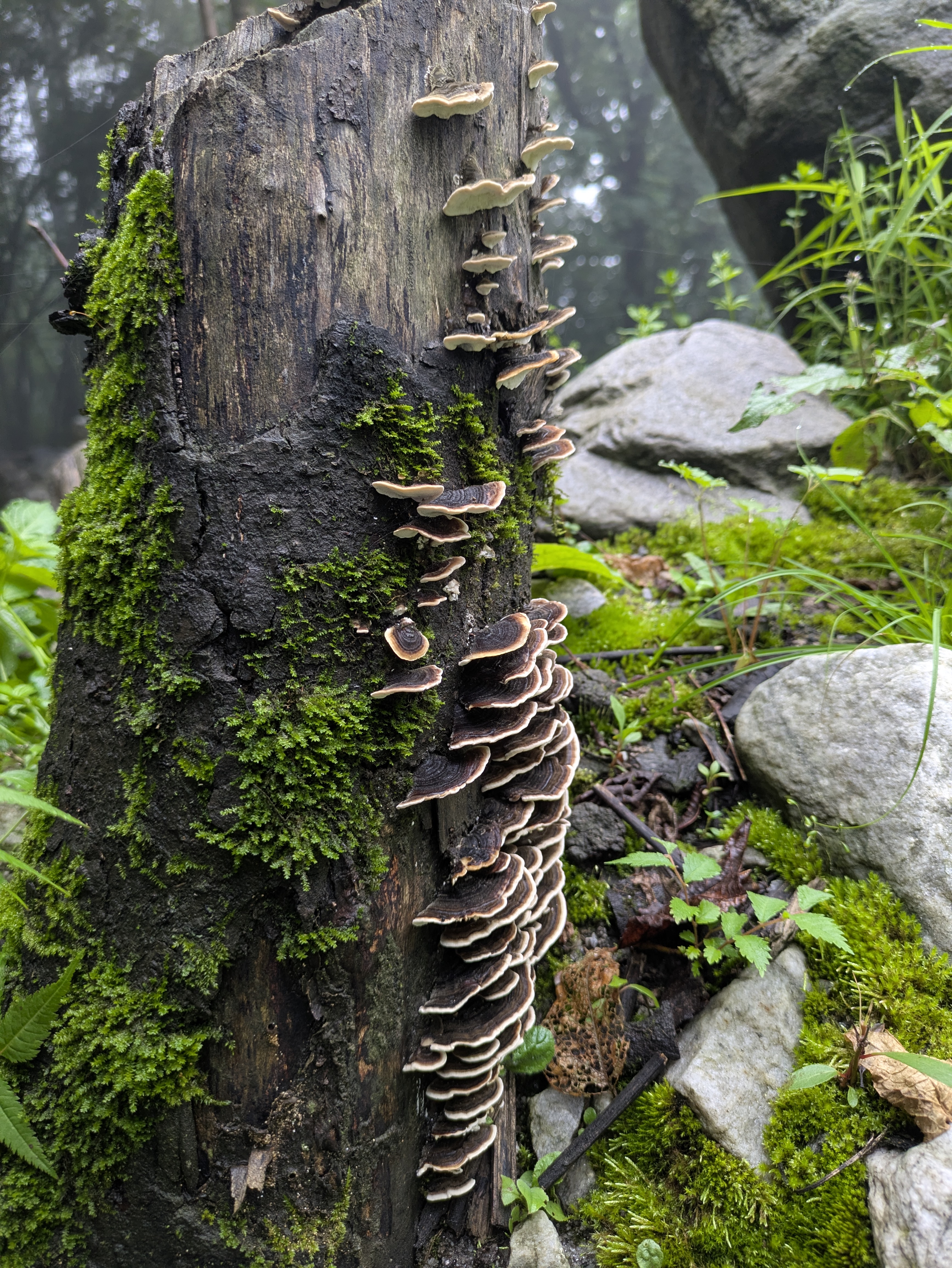
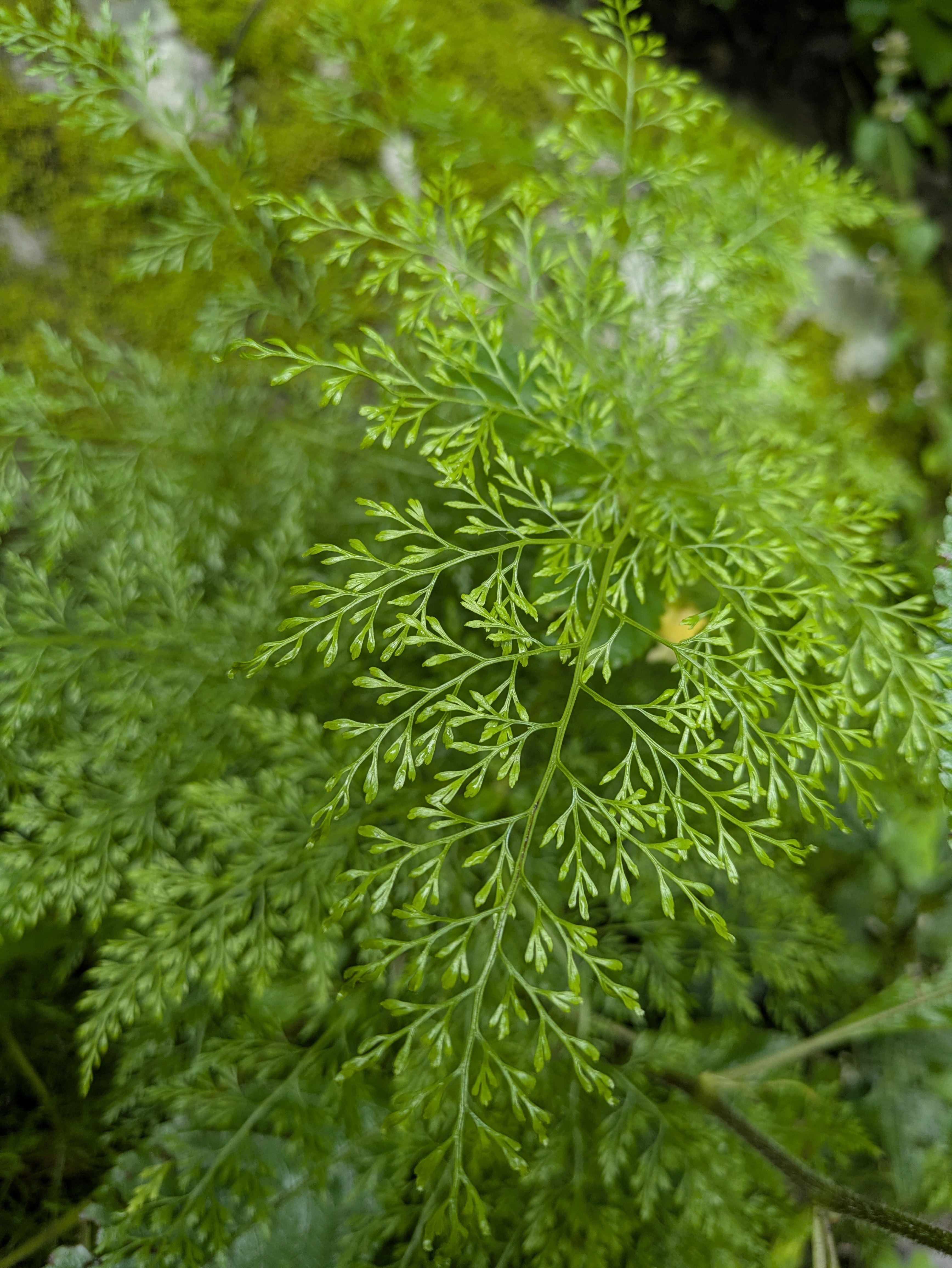
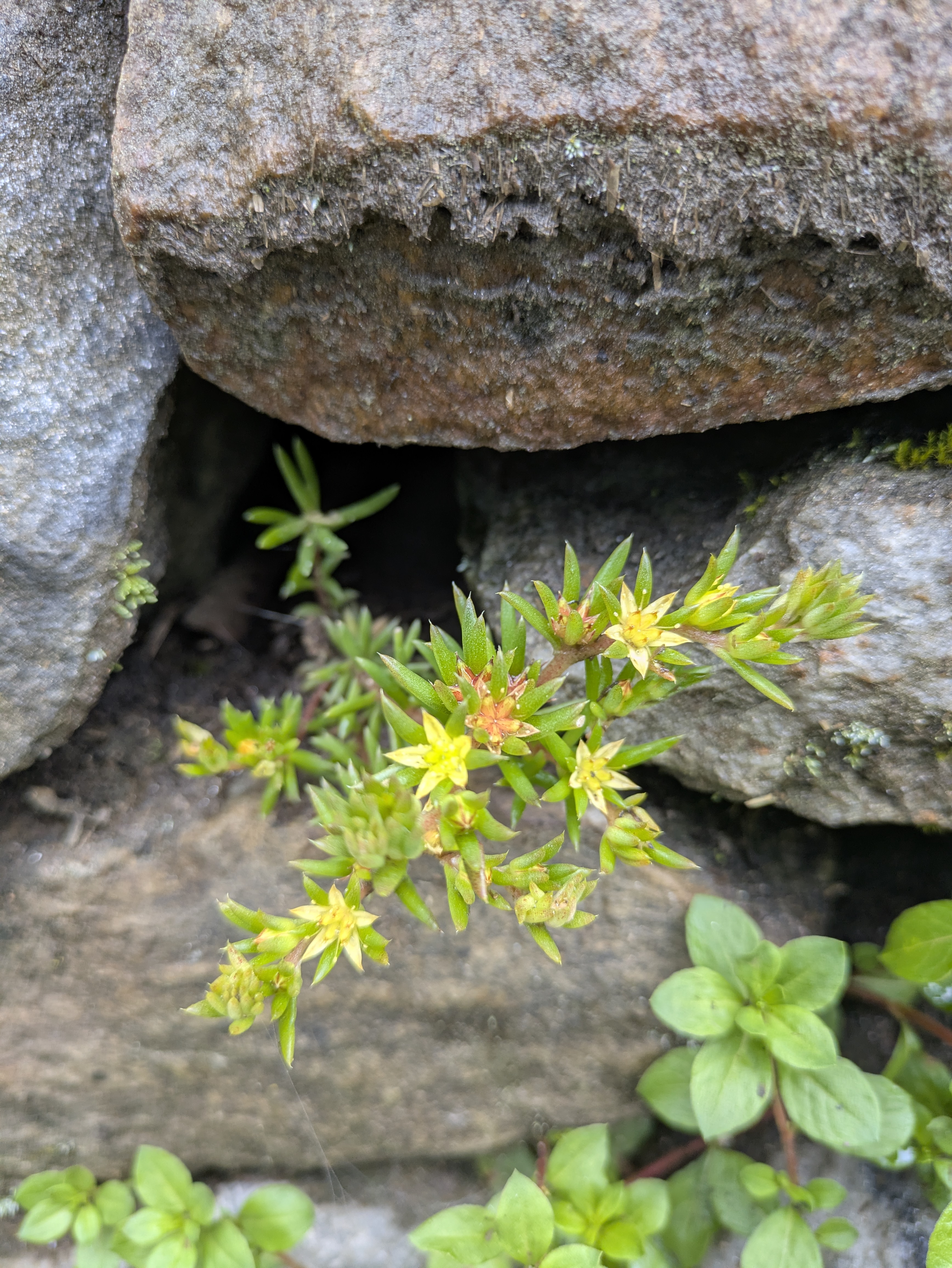
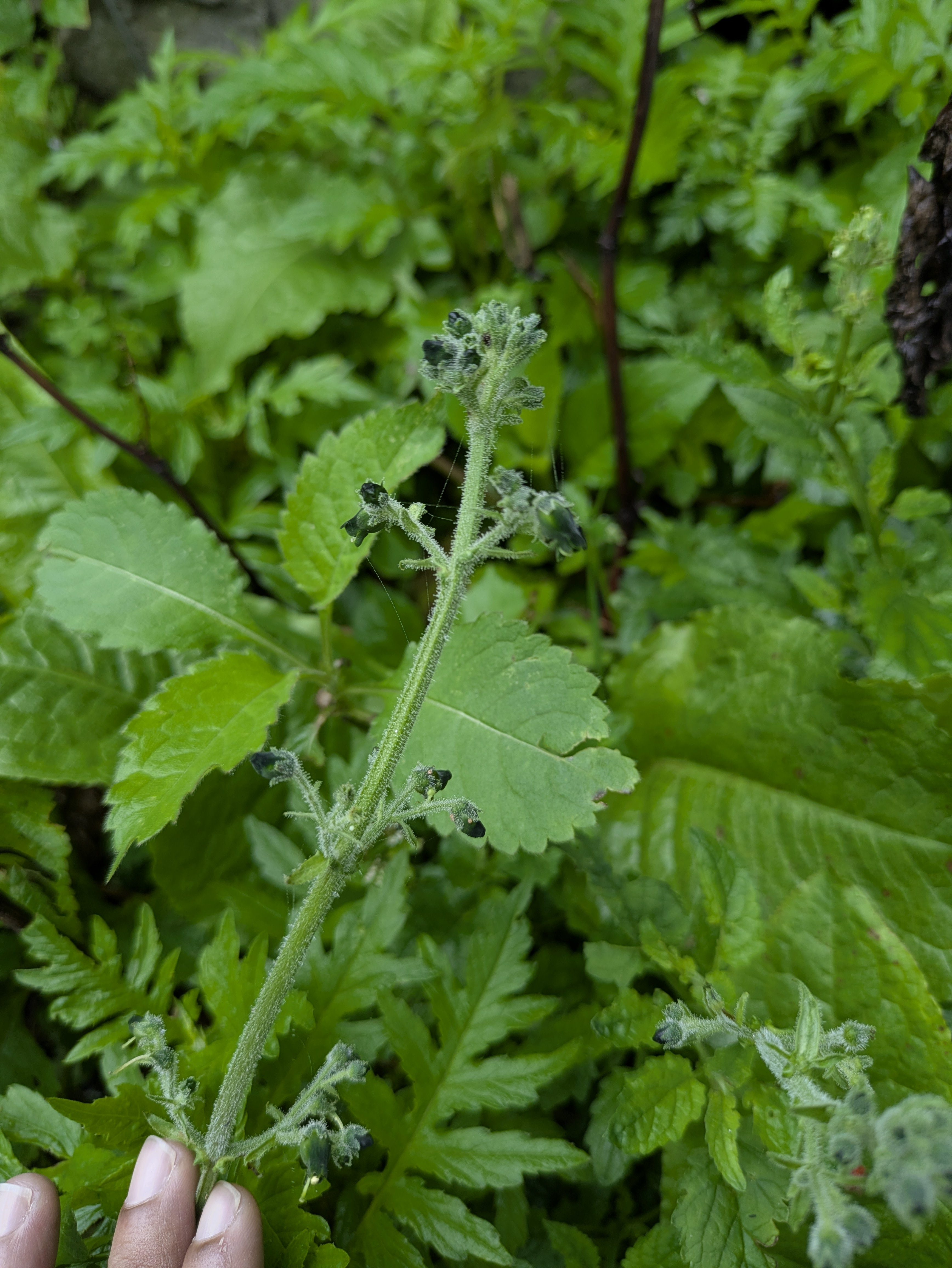
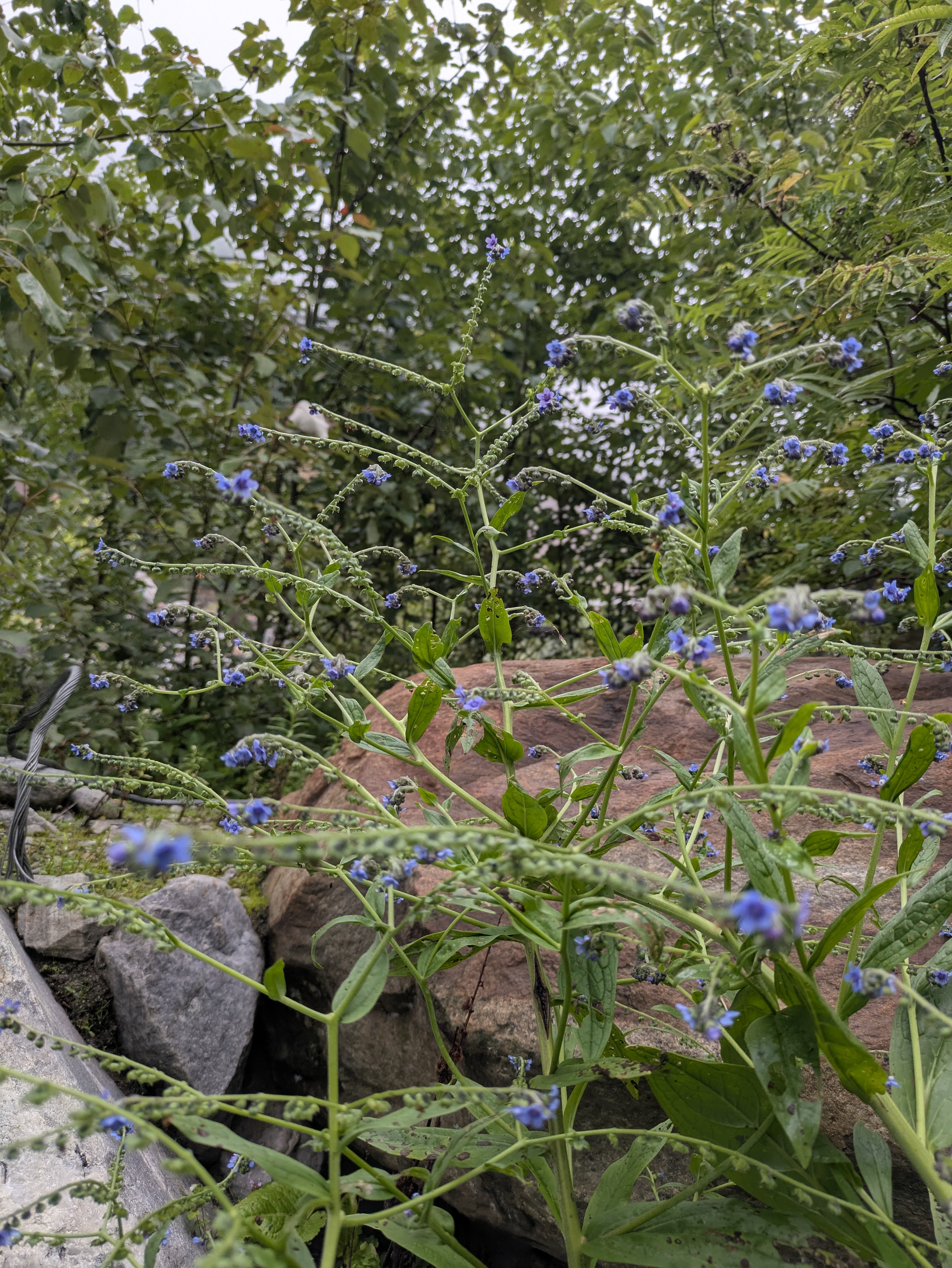
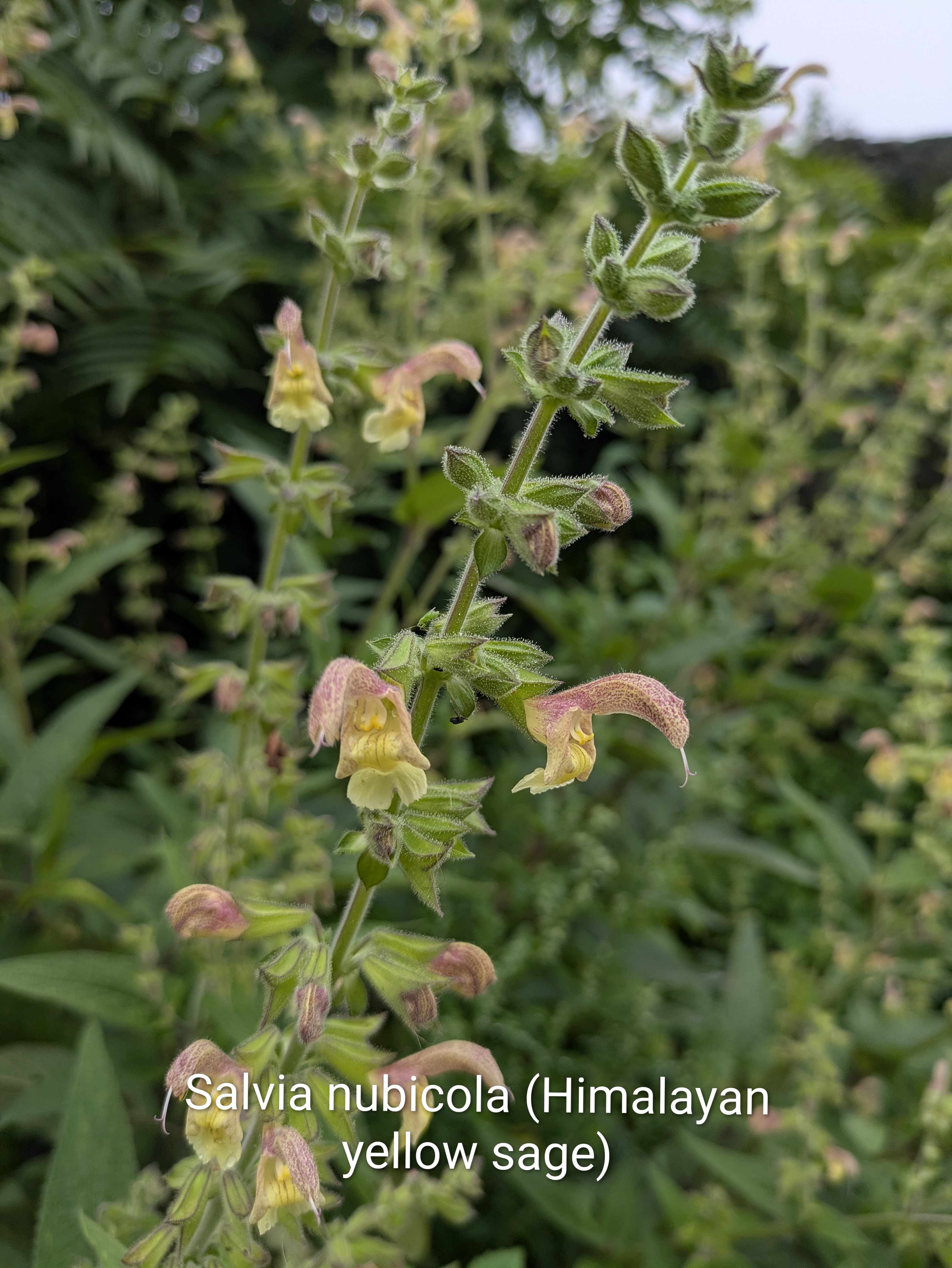
I, meanwhile, was thoroughly enjoying the walk down, mostly because gravity is always on my side while descending. The intermittent rain had me flapping about in my poncho, looking less like a seasoned trekker and more like a caffeinated bat who had lost its cave. Our bags, already handed off to porters in groups, went ahead of us entirely, blissfully unbothered by any of this non existential wardrobe crisis, just smug and just me hoping luggage remains dry.
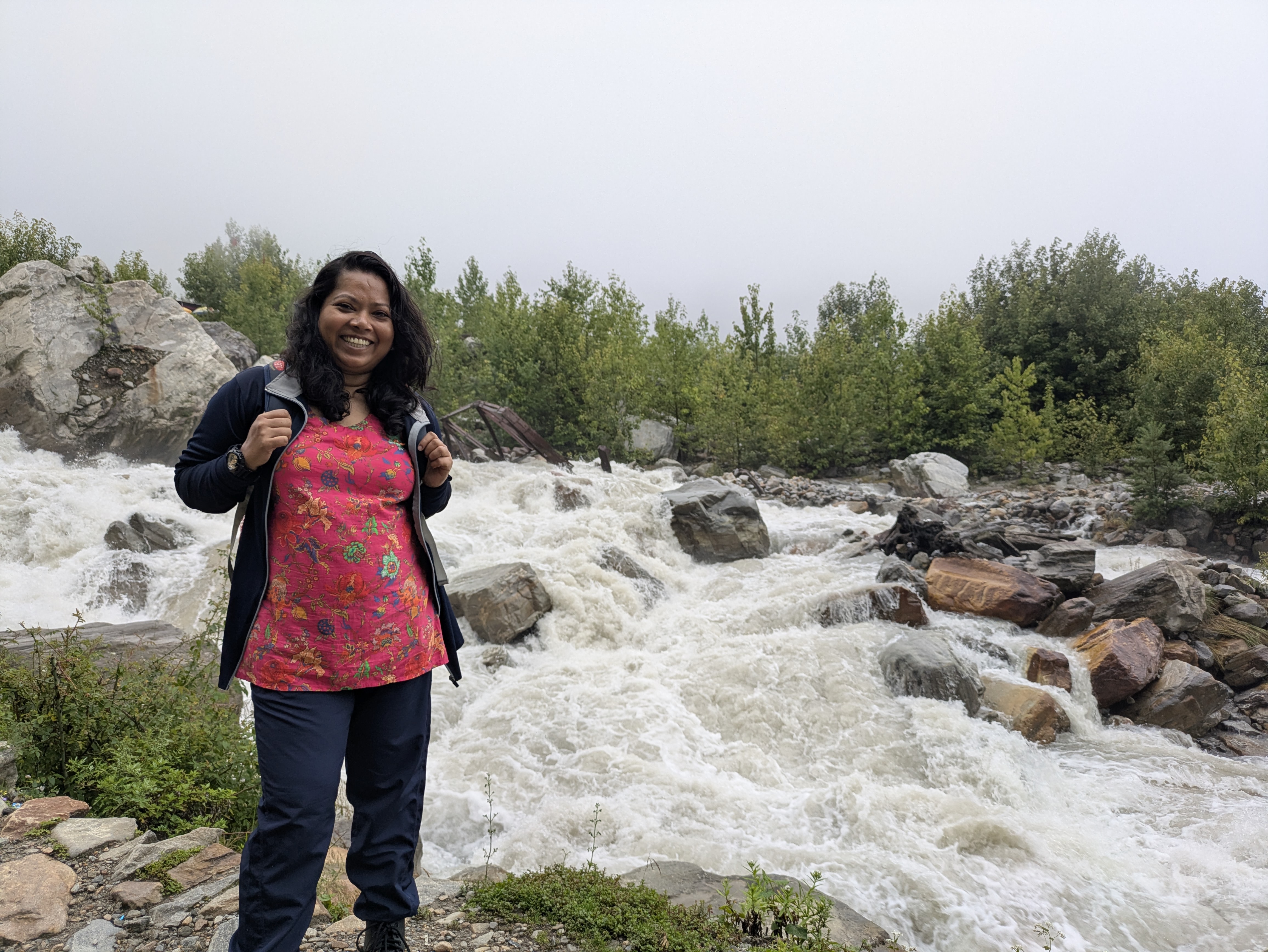
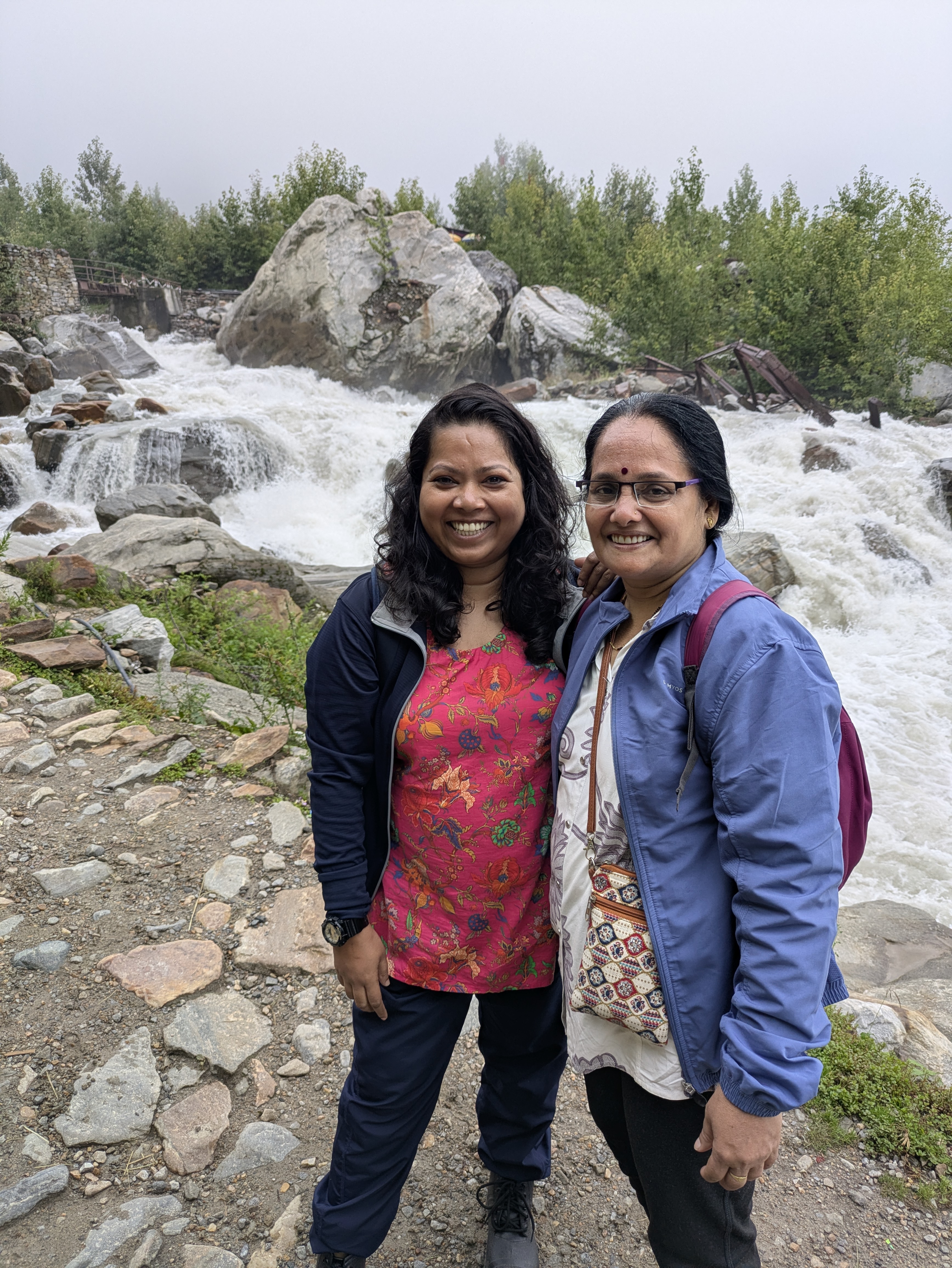
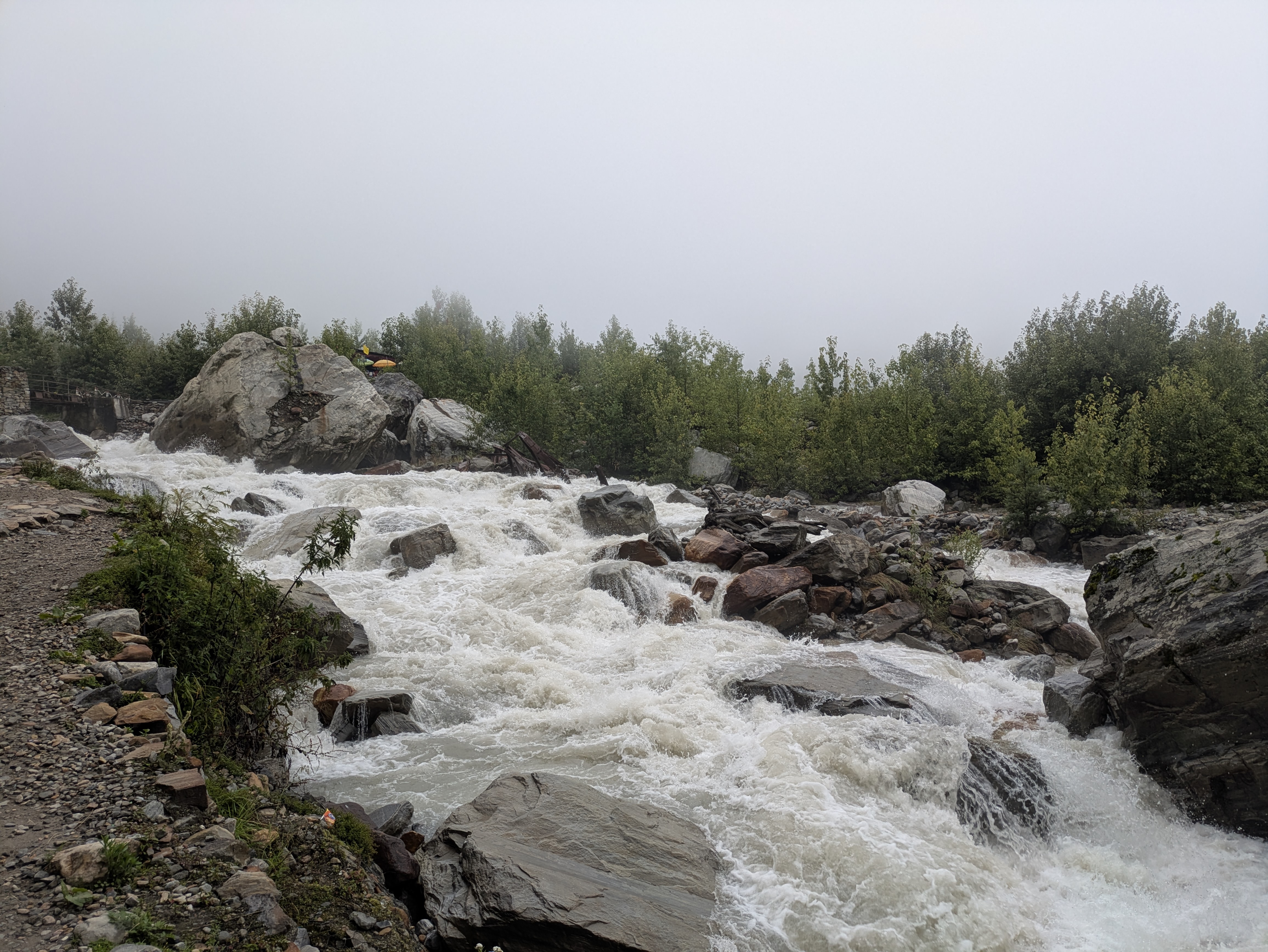
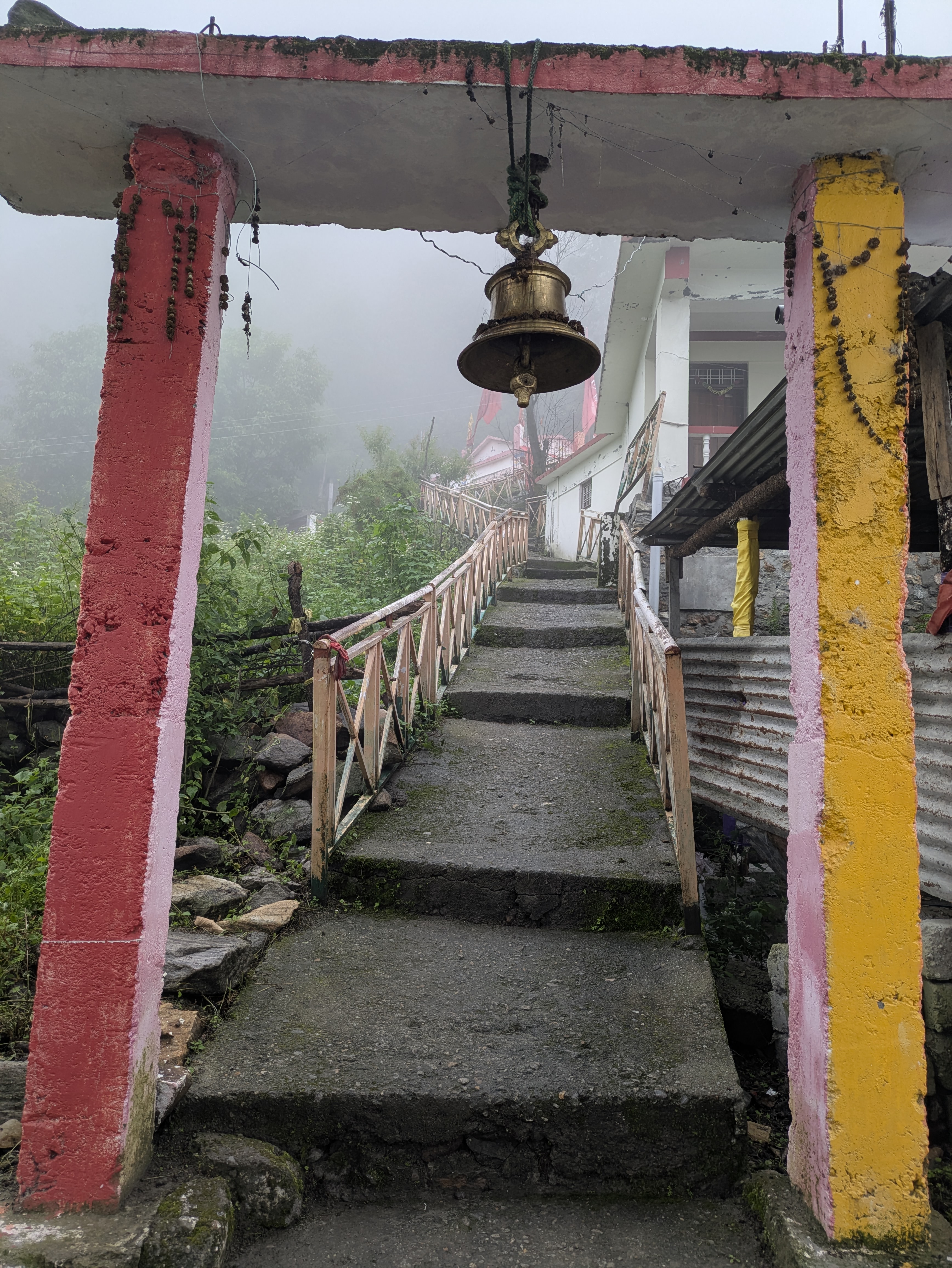
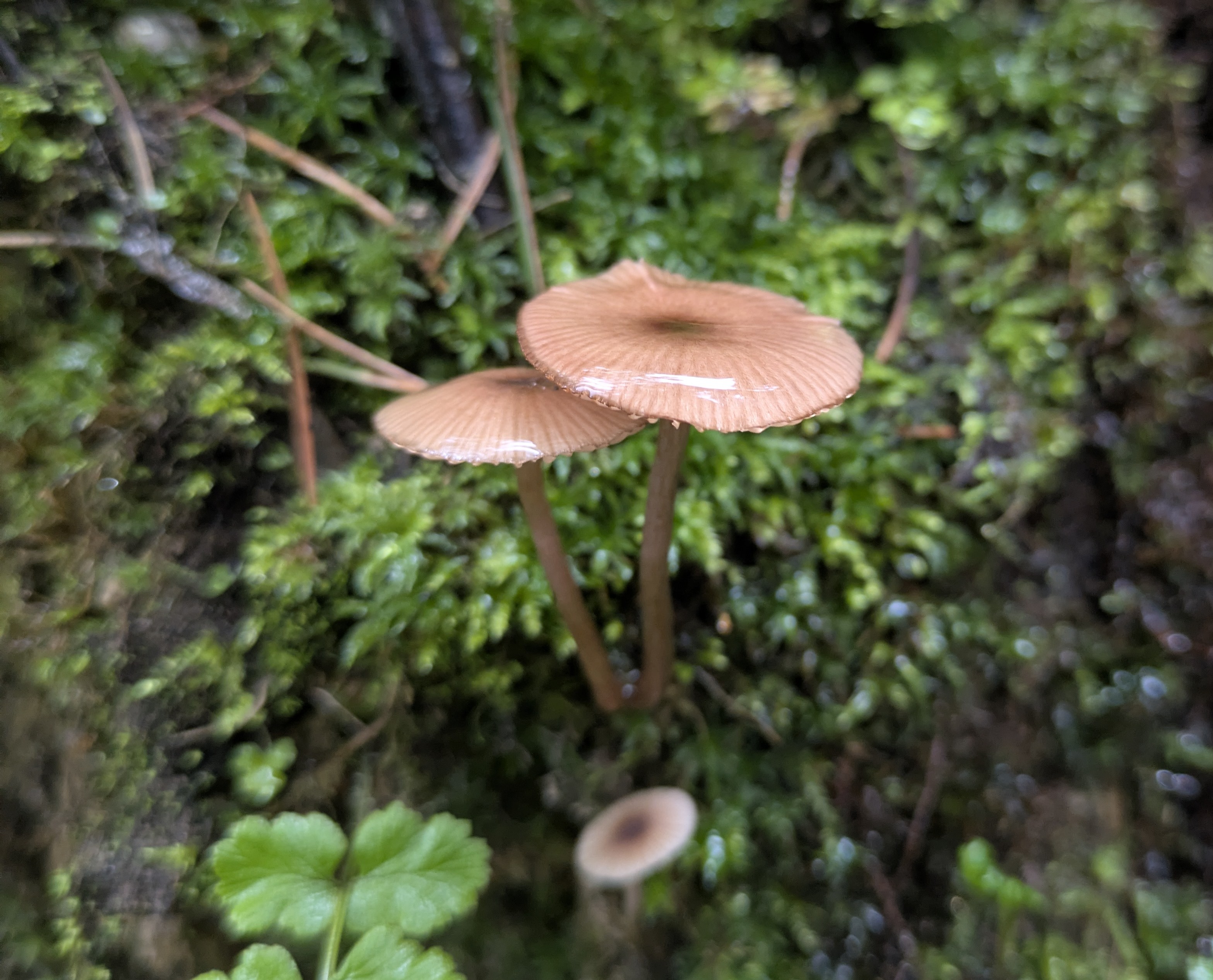
We loaded up into a jeep for the short ride to Govindghat, then transferred everything onto a bus and waited for the rest of the group to trickle in, patience being the one skill this trip kept insisting, I practice. Around 2 PM, the bus finally rolled out for the hour-long drive to Badrinath and we arrived by 4–5 PM. On the way, we halted at check post, registration for Badrinath was checked. This camp, thankfully, was the best of the trip, a spacious dorm with two washrooms shared among eight of us, a small miracle after Ghangaria.
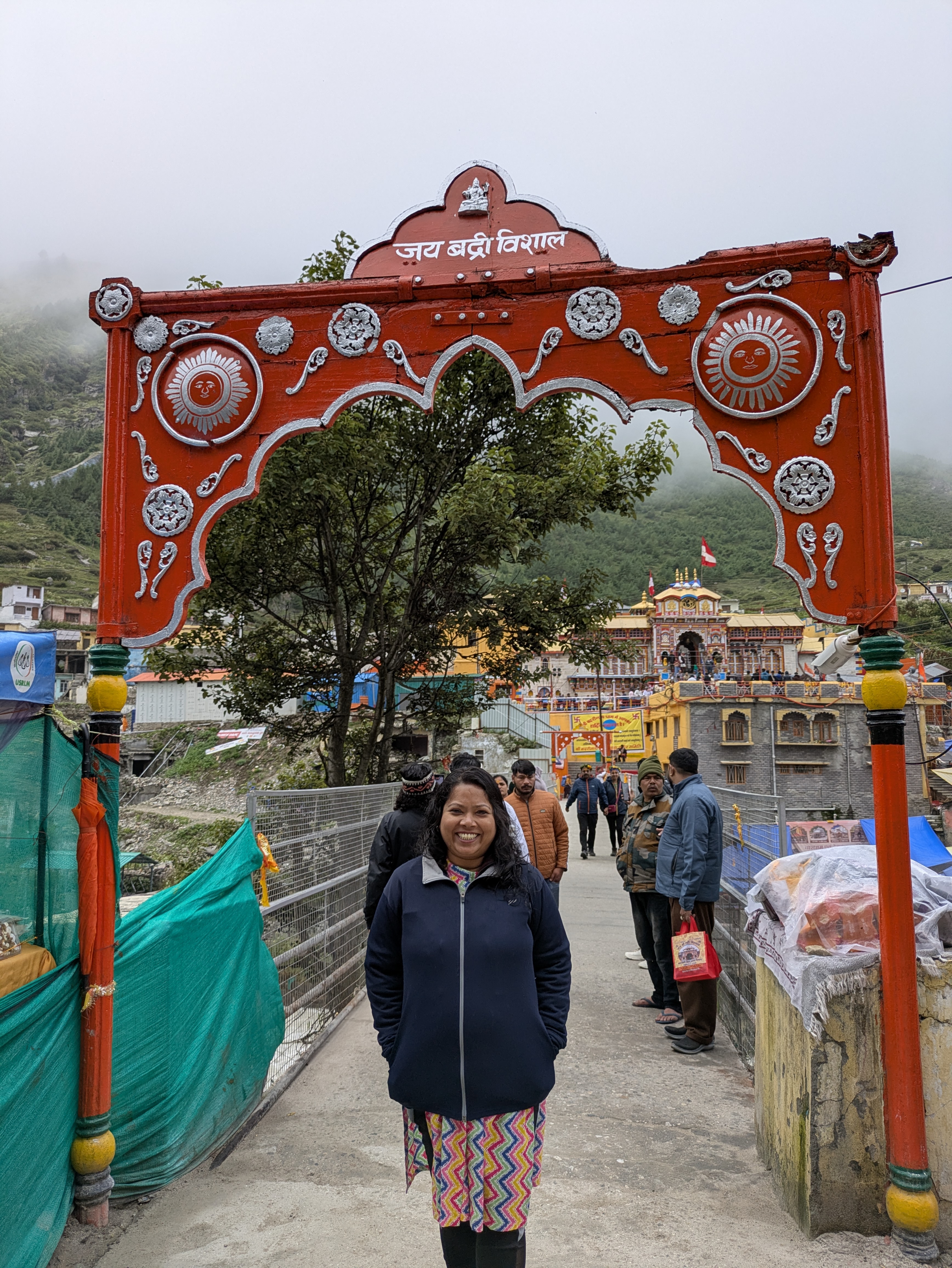
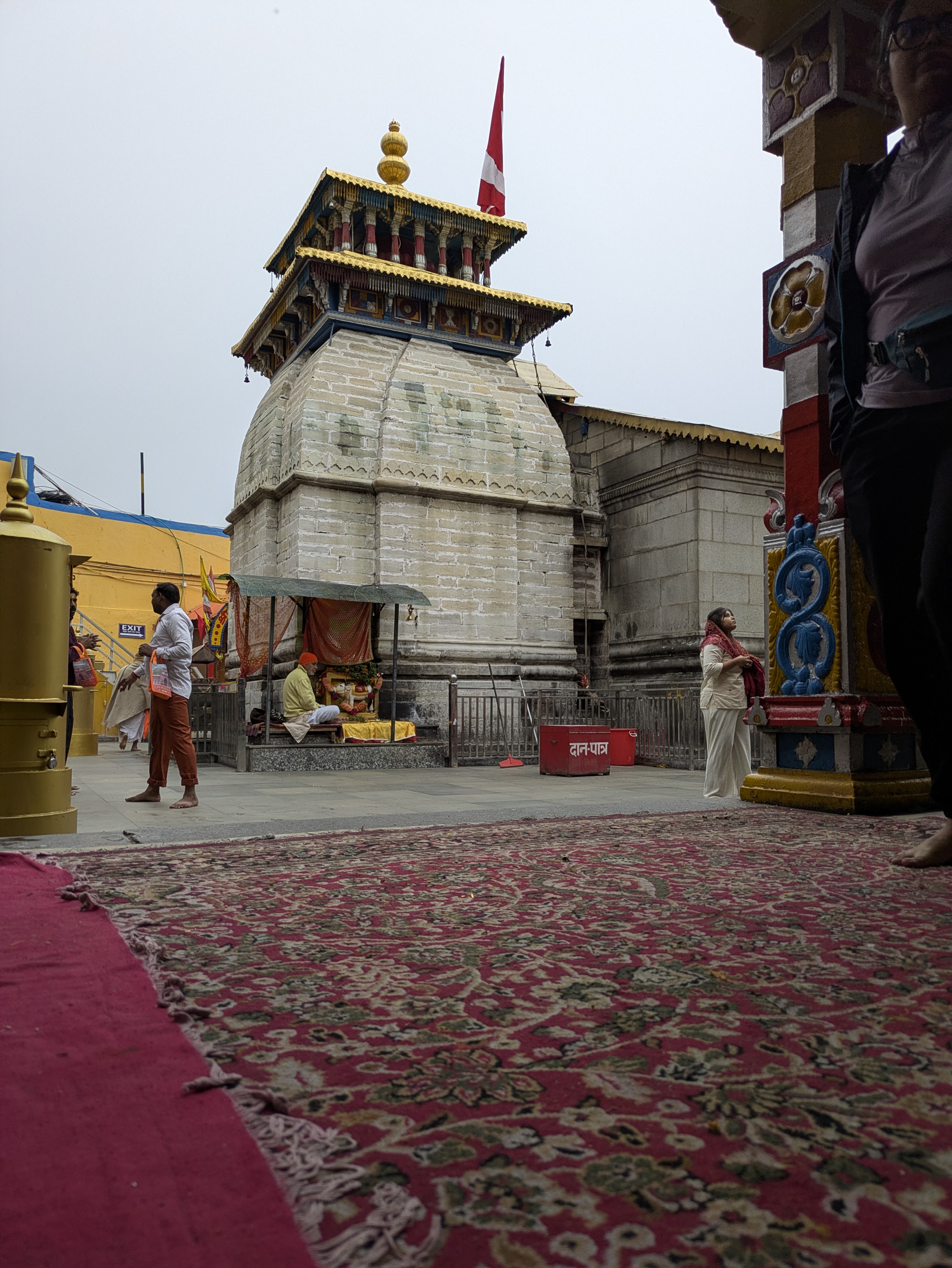
Badrinath Temple is about a kilometre from the camp. After the camp leader spent the introductory session passionately lobbying everyone toward the hot spring bath, a thinly veiled campaign to save the camp’s geyser electricity bill dressed up as spiritual wellness, we dutifully planned to bathe in the Tapt Kund hot spring within the temple complex. The plan collapsed the moment, we realised the accompanying sulphur smell, that signature “boiled egg left out overnight” fragrance every hot spring seems contractually obligated to produce, talked us right back out of it. Darshan was quick, queue-free, with the river roaring alongside the temple in full monsoon drama.
We caught part of a bhajan session before heading out to shop, where I picked up a rain-resistant red jacket (₹1,200) built for the 5–6°C evenings, only after a lengthy, increasingly frsutrated rant about how women’s sportswear in this country seems designed by committee members who’ve never actually know what are the environmental conditions against which we have to wear it, everything is designed either aggressively “girlish” or priced like a premium item purely for existing in a smaller size. The shopkeeper, poor man, bore the brunt of this monologue and still couldn’t produce a proper women’s version of the jacket I wanted. I grabbed the red men’s jacket and felt proud of owning it. I also grabbed a feathery top for myself and a few souvenirs for friends back home. Everyone, in the end, found something to lug back, my rant included, free of charge.
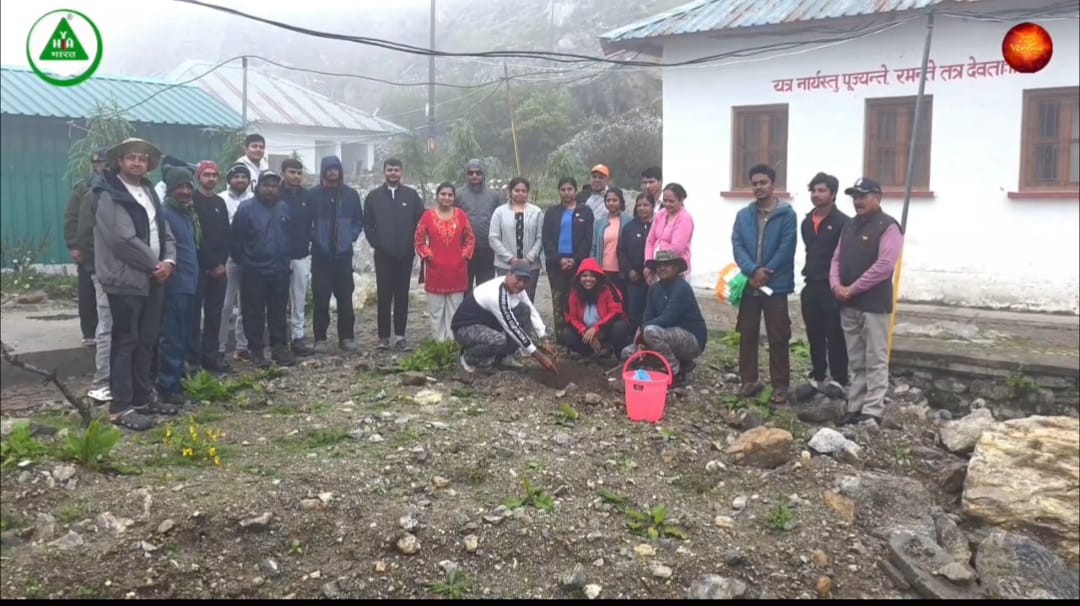
Next day, being the 15th of August, India’s Independence Day, the camp leader had organised a proper little ceremony: flag hoisting, patriotic slogans shouted with more enthusiasm than most of us had left in our legs, a group rendition of the national anthem that ranged wildly in pitch and confidence and rounding it all off with my personal favorite activity, Tree Plantation, because apparently nothing says “patriotism” quite like planting a Pine sapling at 6,000 feet. Tree planting genuinely is close to my heart and not just trip-appropriate theatre, every summer I do drop in fruit seeds, mango, jamun, jackfruit, whatever’s in season, in my plant pots at home, then haul those saplings along on monsoon treks to plant across various villages in Maharashtra, wherever some kind villager’s compound is willing to adopt one. I was deeply thankful to both the camp leader and the group leaders Bhavesh & Karan for patiently tolerating my extremely one-track enthusiasm for the subject, the kind of tolerance usually reserved for toddlers or people who won’t stop talking about their new diet. I hope, Sapling to grow up one day, develop opinions and tell its own story of watching an endless, revolving cast of exhausted, argumentative humans pass through this camp year after year.
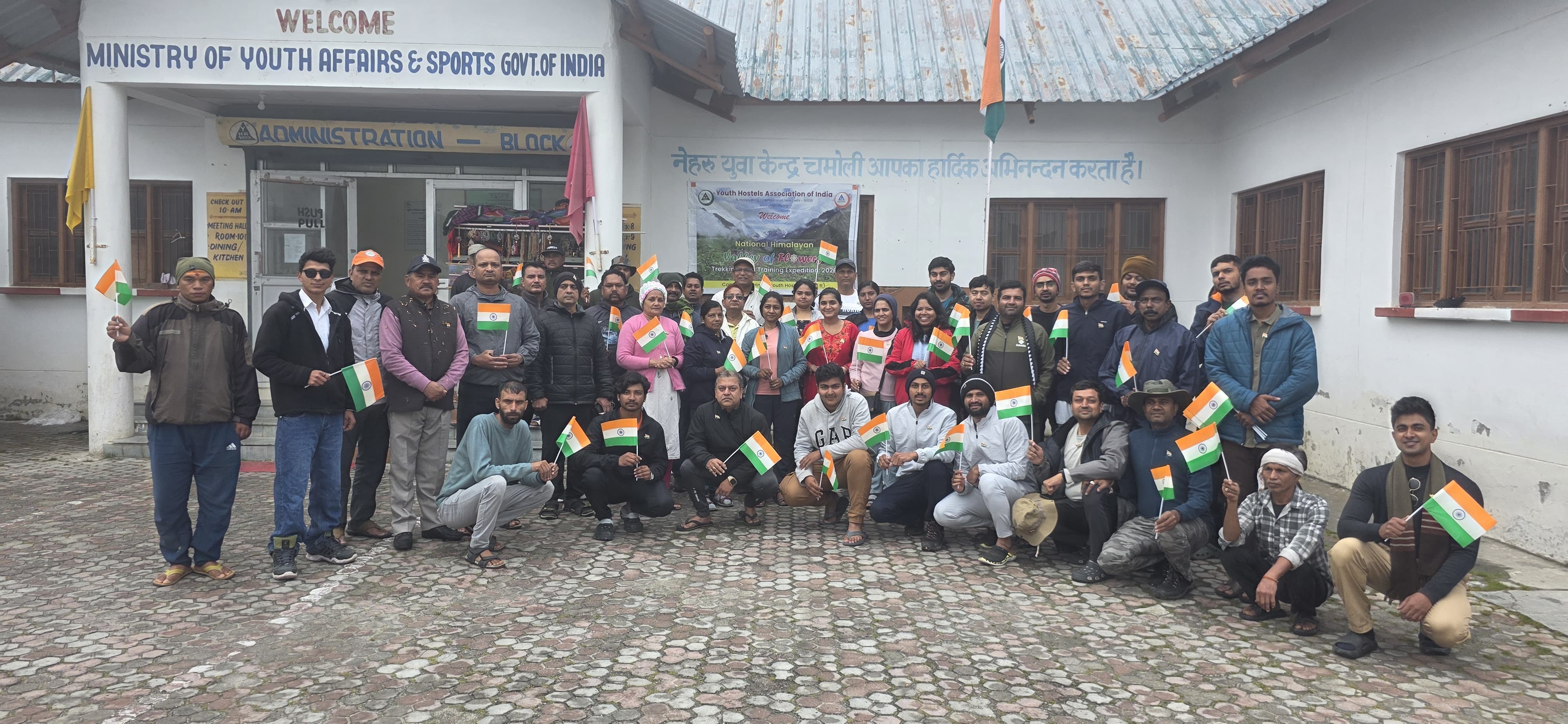
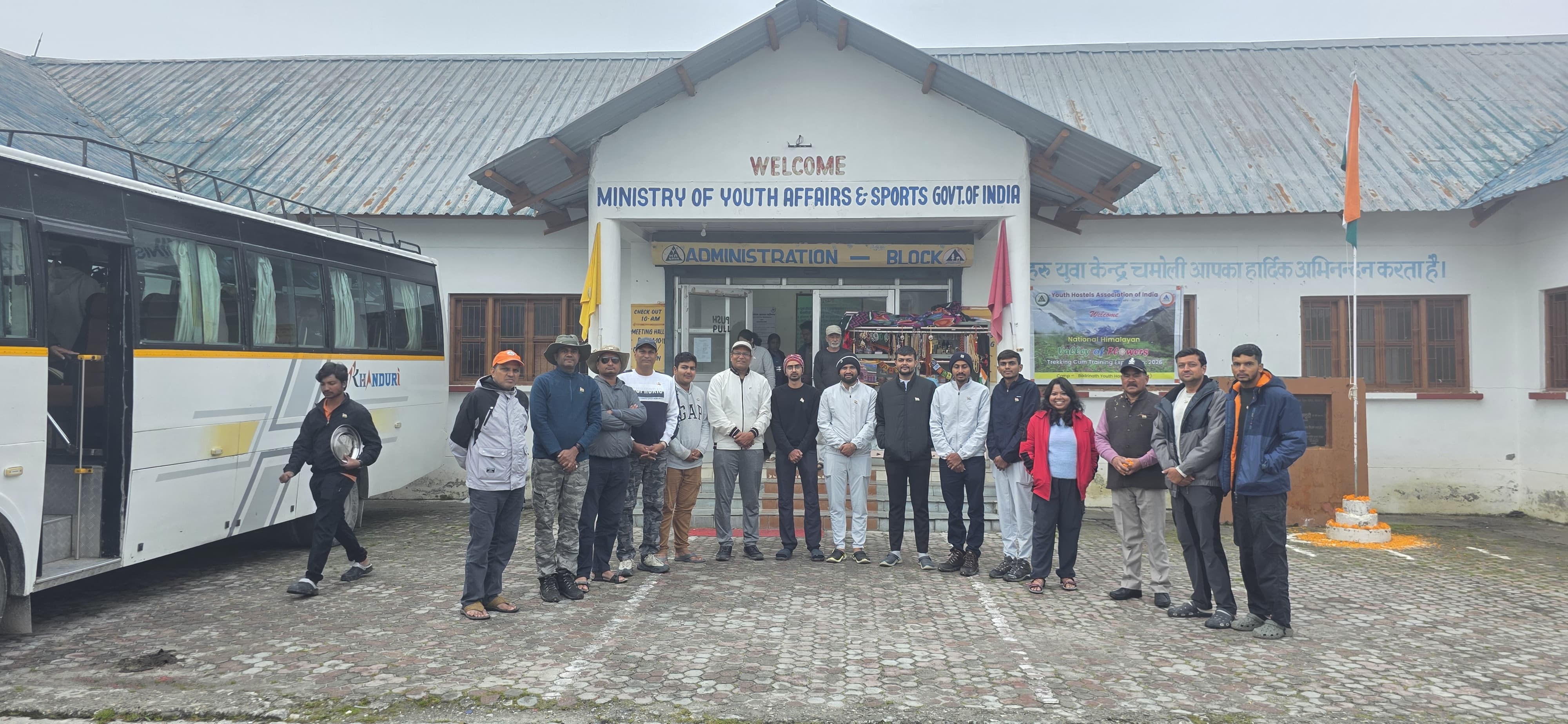
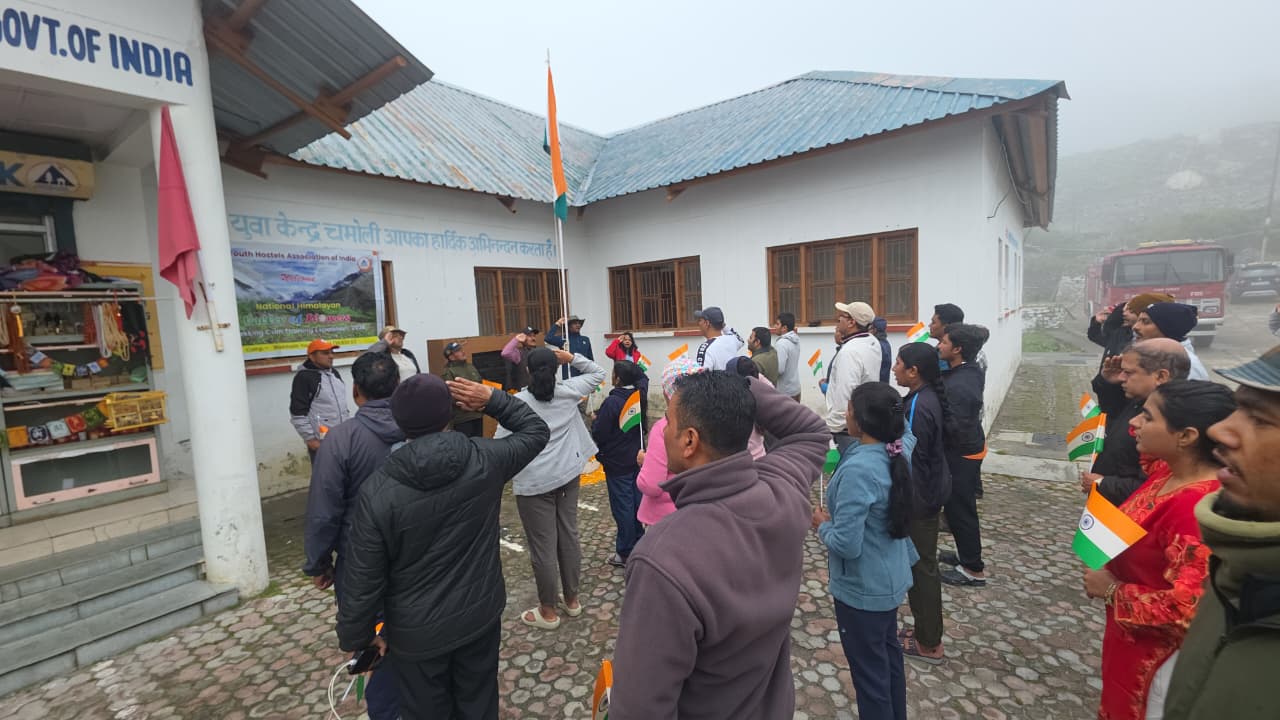
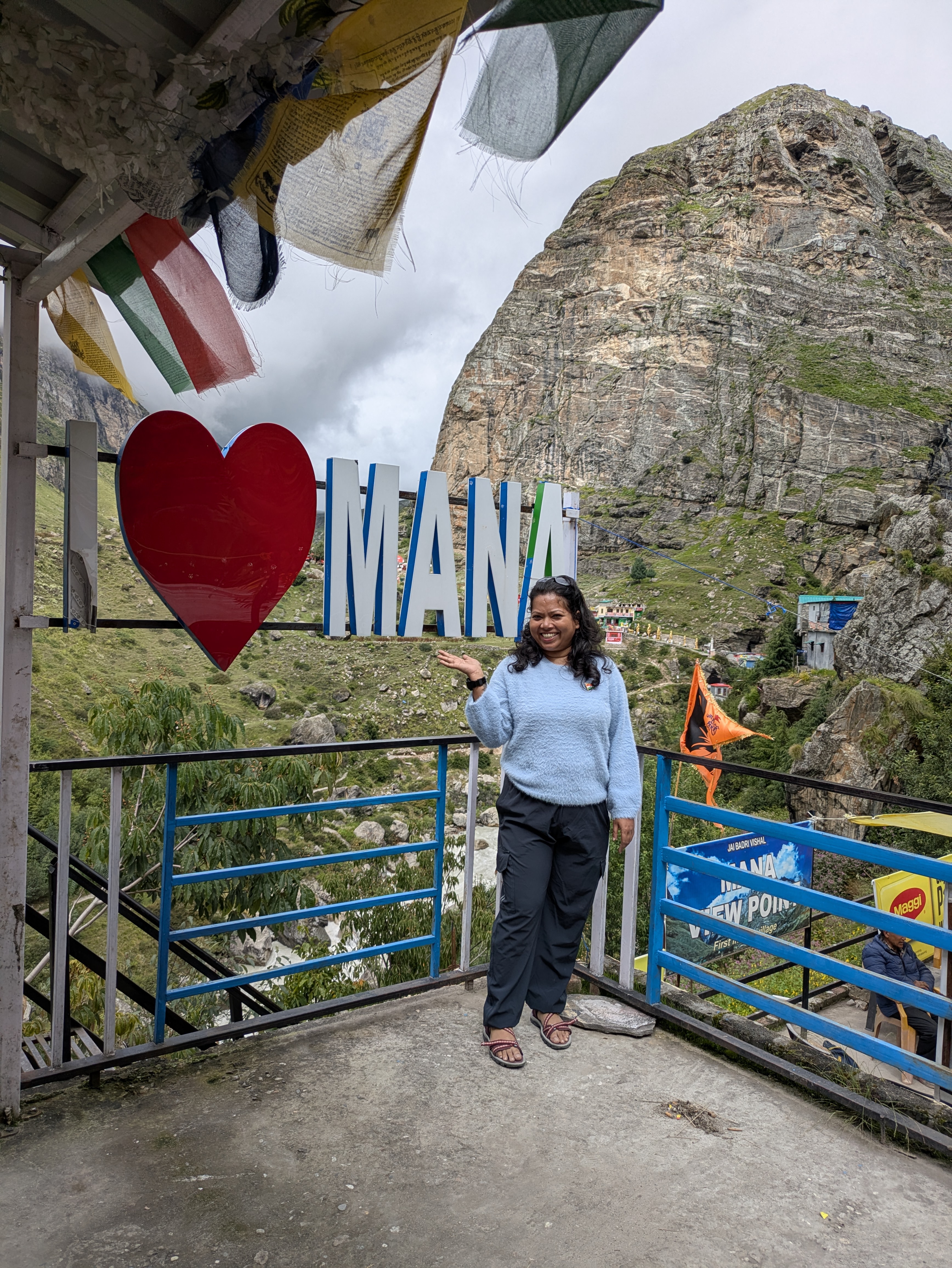
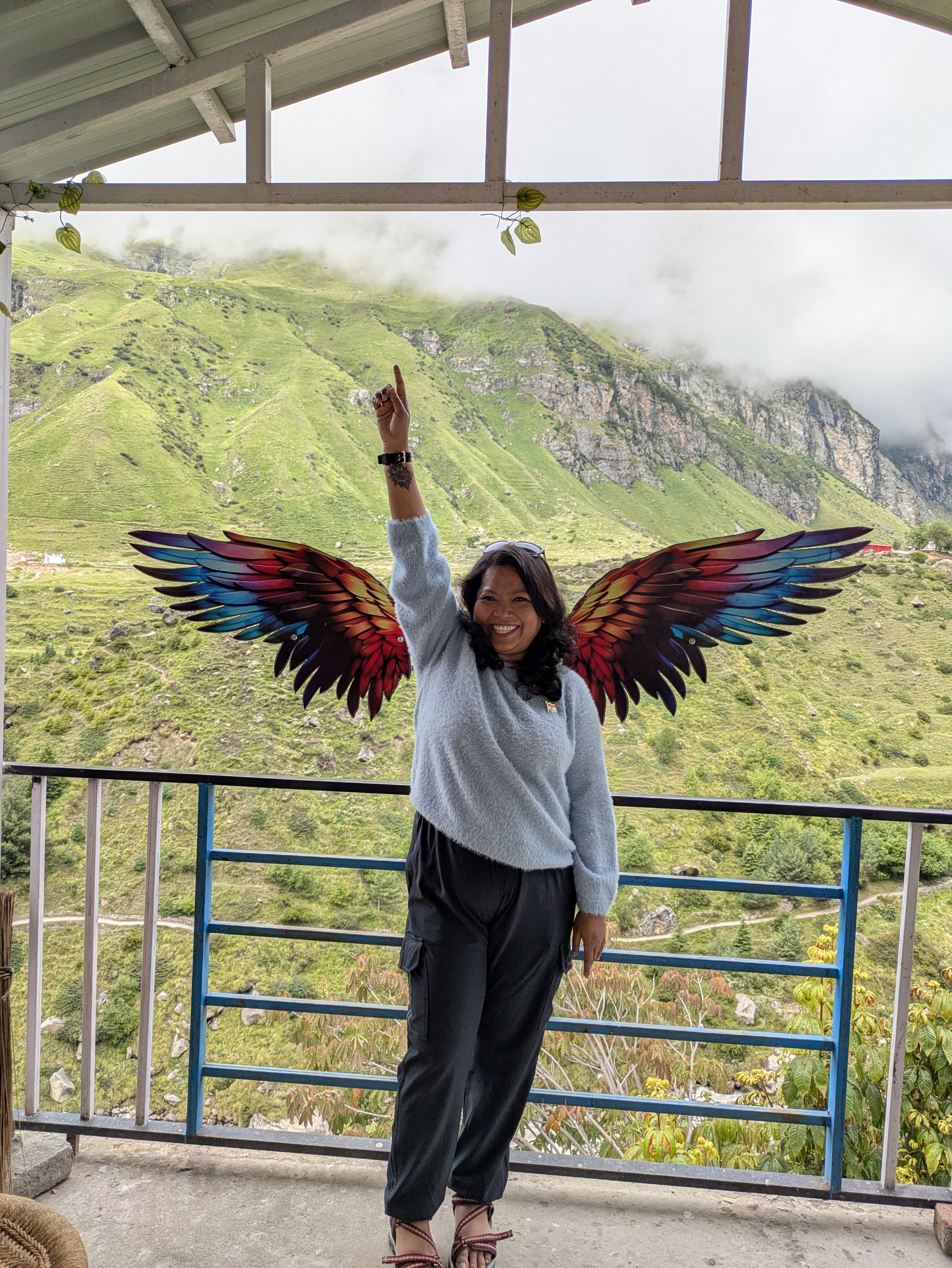
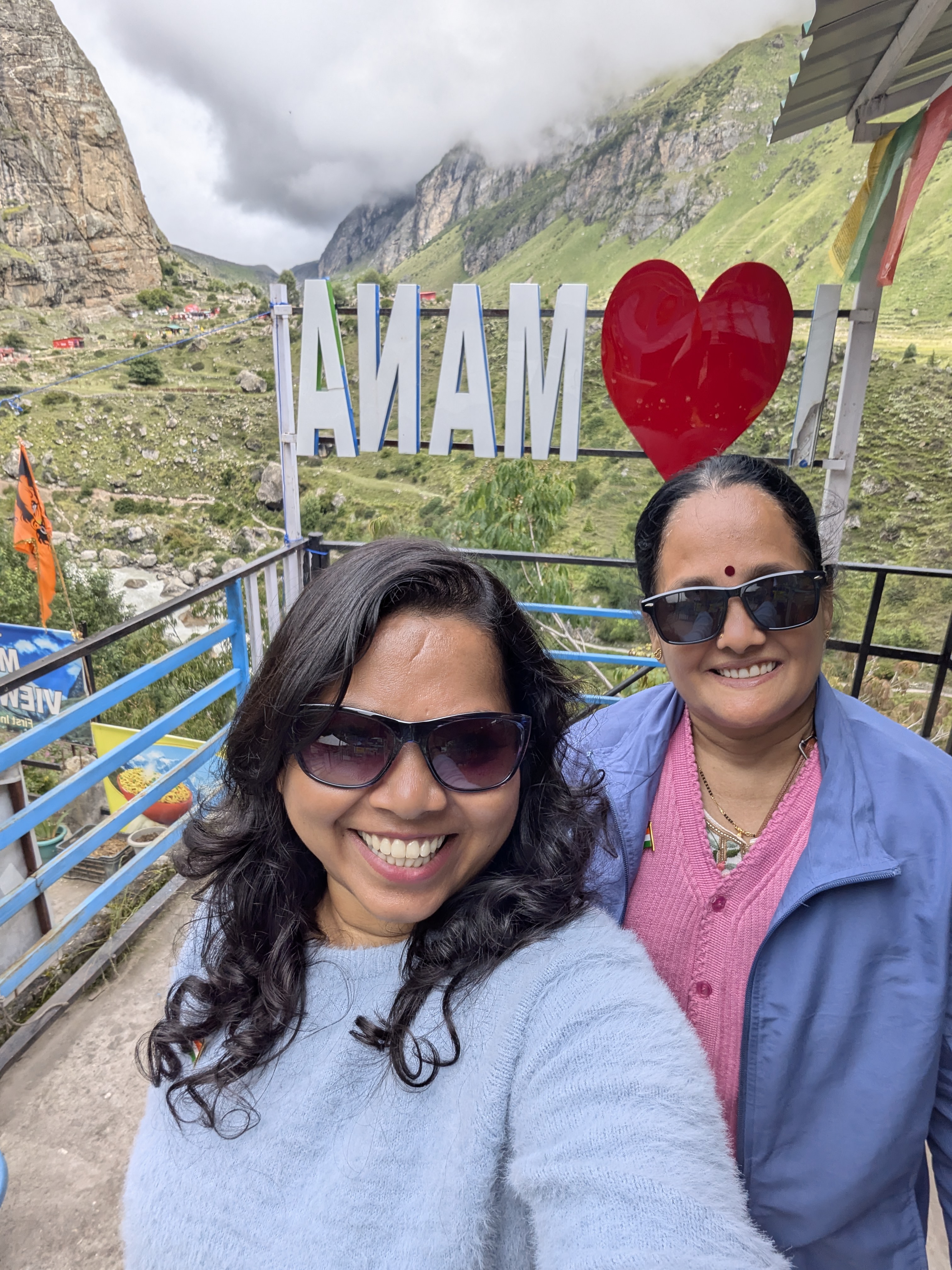
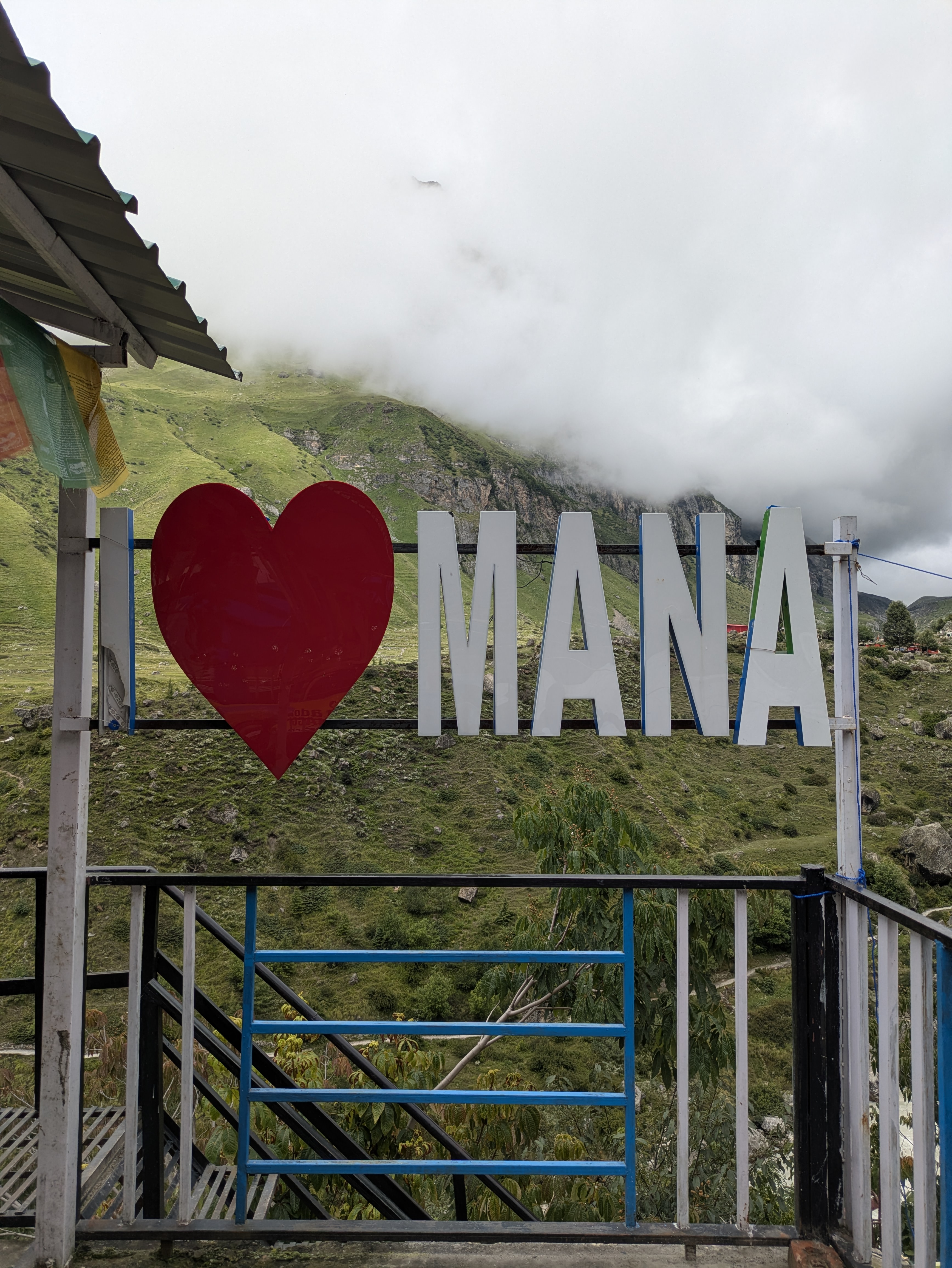
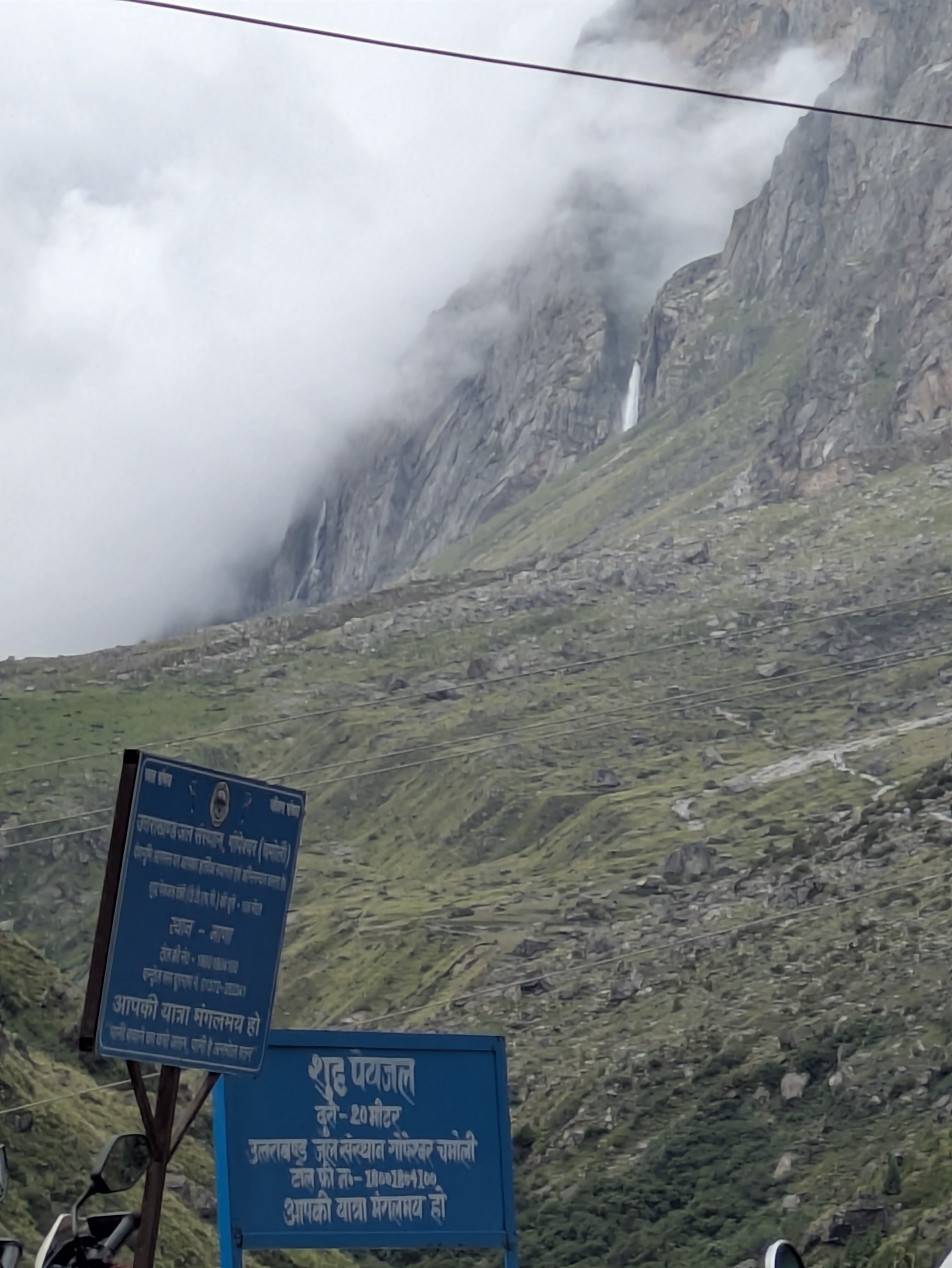
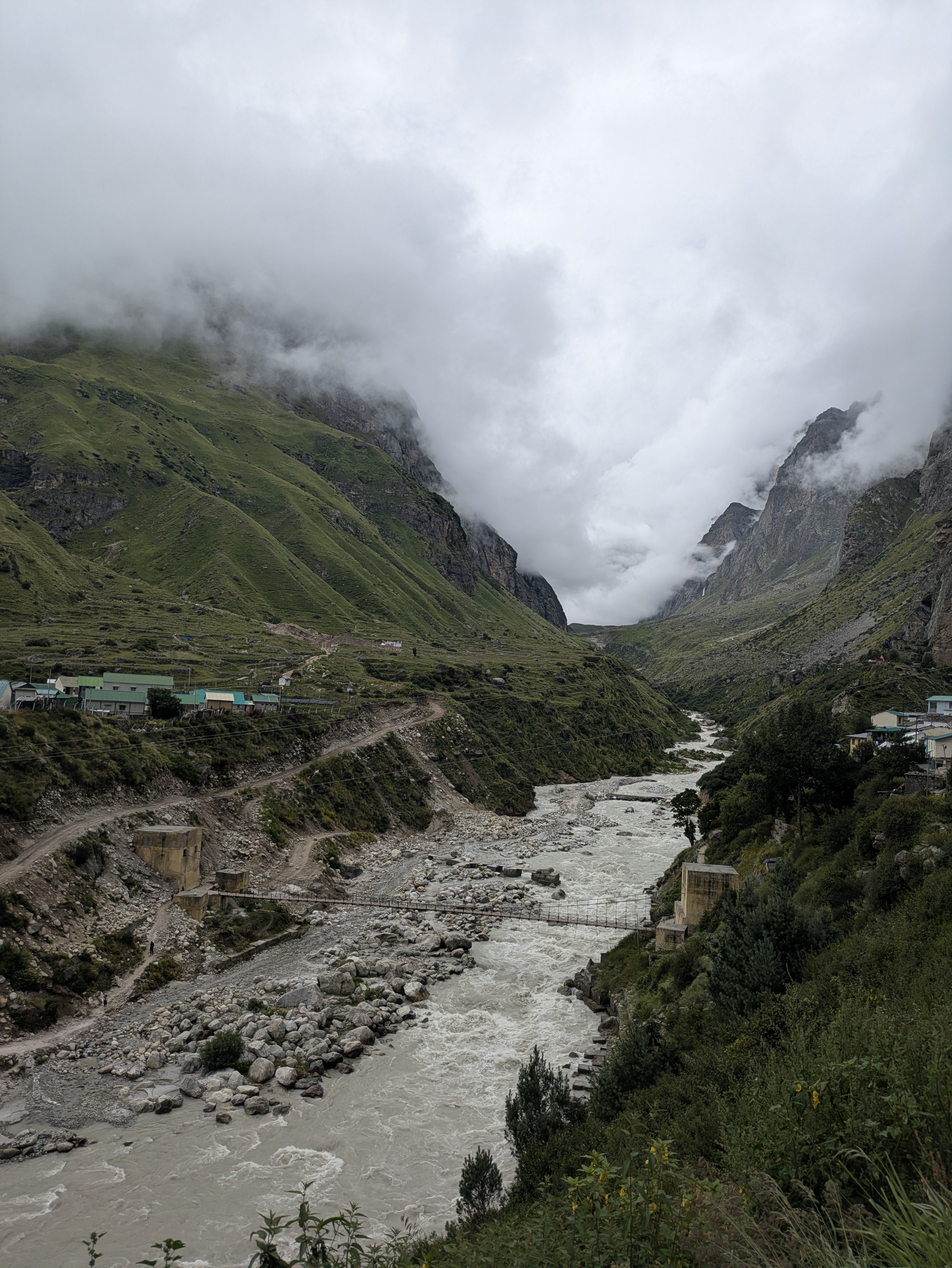
After breakfast, we set off for Mana Village, proudly billed as the last (or first, depending on which direction you are facing and how patriotic you’re feeling) Indian village before the Tibetan border, just a short ride away. We walked to the Gupt Saraswati river and the mythical gateway said to mark the Pandavas’ final path to heaven, a refreshingly quiet, contemplative stop after days of chaos, seat wars and questionable pithus, followed by one last, entirely predictable round of shopping at Badrinath before the long journey back finally began.
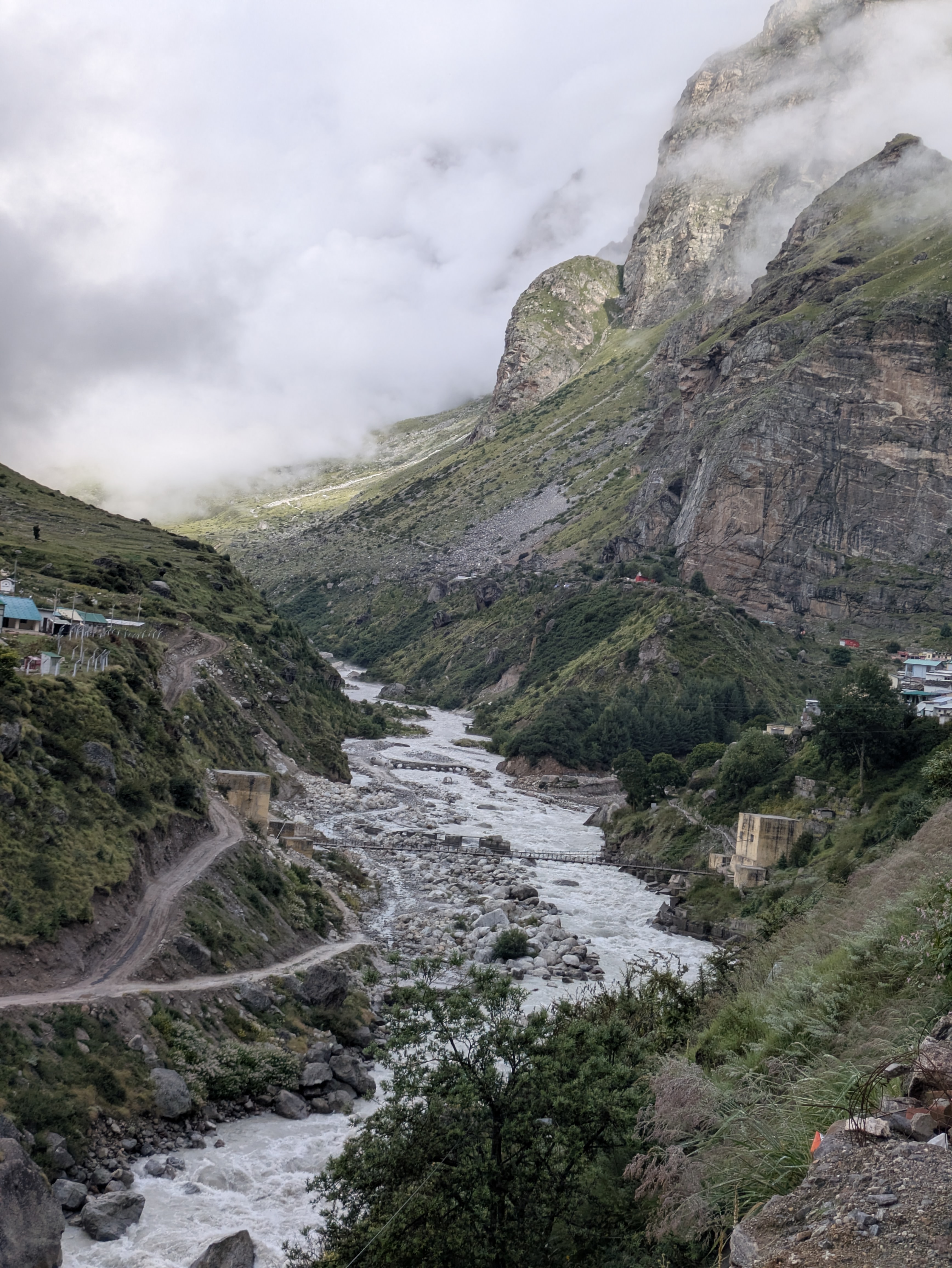
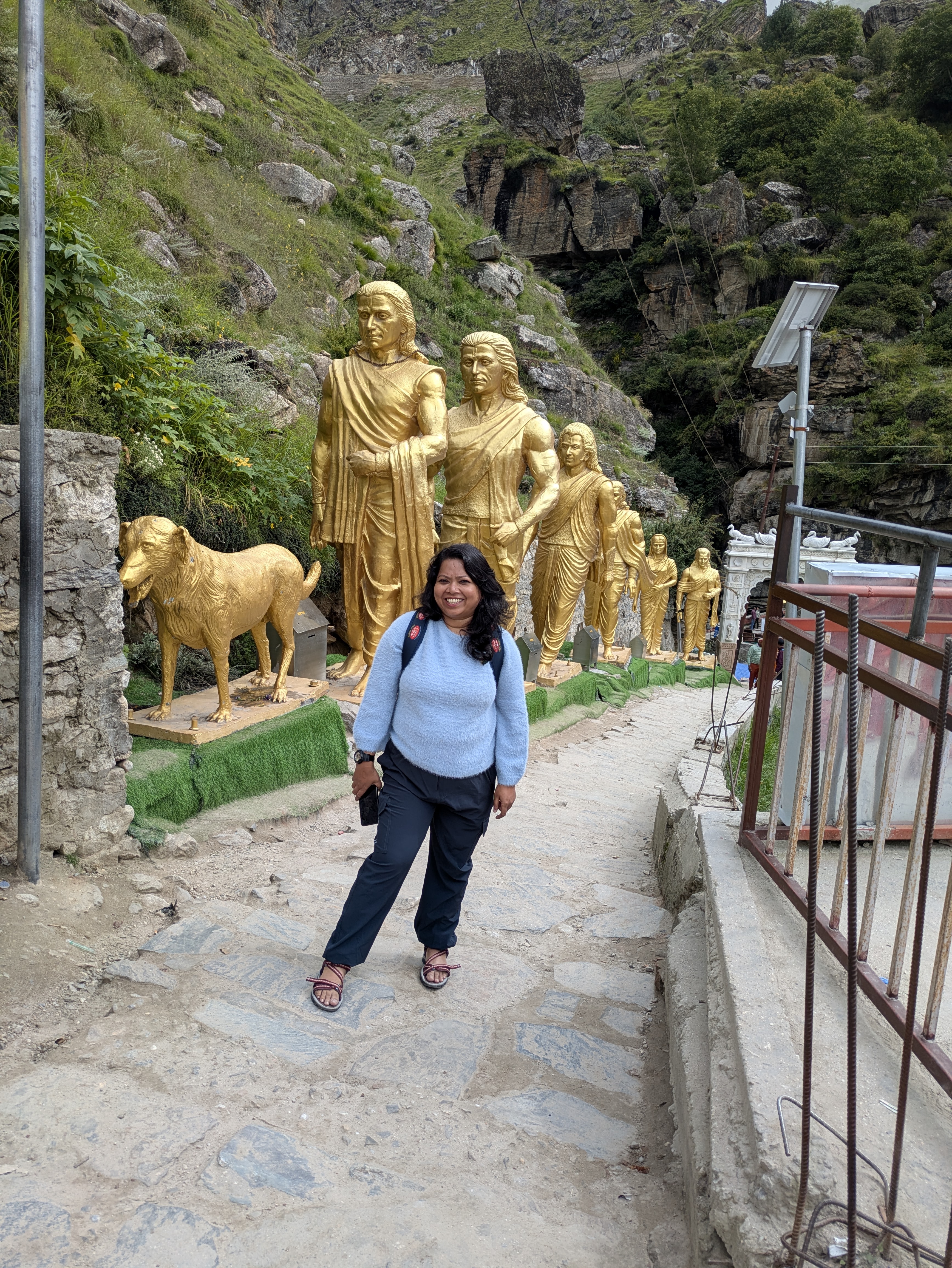
The return to Rishikesh started at 5 AM and if I had naively assumed the trek itself was the hard part, the universe was delighted to correct me, the real battle was fought entirely over bus seats. Some great enterprising participants had staked their territorial claims the night before, or, for the truly committed, at 3 AM, by leaving bags on seats like tiny fabric flags of conquest; nobody had bothered informing the rest of us that this was, apparently, the unspoken system. Chaos duly ensued when a fellow trekker asked us to vacate seats we had no idea were “reserved” via ancient bag-based tradition. I escalated the matter to the group leader with the gravity of a UN peace summit, explaining that my motion sickness and the back seat had a long-standing, well-documented rivalry, eventually Aditi and Deepak kindly swapped seats with us, heroes of the hour, or at the very least, heroes of that particular 200-kilometre stretch of tarmac. It resolved itself, but left a faintly sour note between us and the Bangalore contingent, an entirely avoidable mess that a little proactive seat-rotation from the leadership could have nipped in the bud, sparing everyone their daily quota of morning drama. Though, credit where due, we did eventually patch things up like a wise elder sister settling a squabble with her wiser younger brother, a mediation skill set we did not know we possessed and a proud, entirely unexpected achievement we should now shamelessly add to our resume.
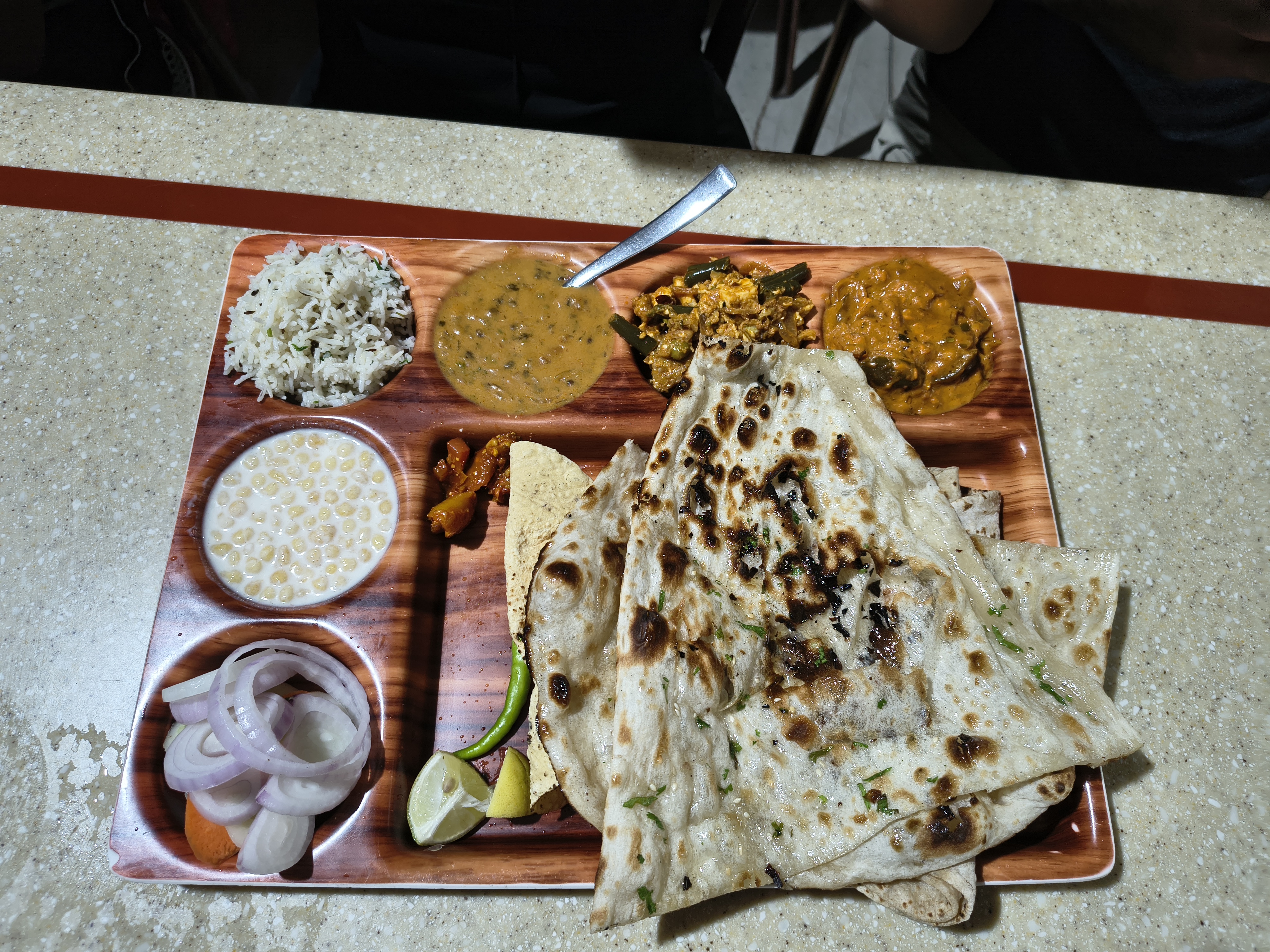
We rolled into Rishikesh by 7 PM, delayed further by traffic, reaching camp only by 8:30. Eight of us were handed a room meant for max five, no mattresses, just blankets on the floor, the men’s arrangements were reportedly worse. Of my seven YHAI treks, this was, without question, the least well-managed. The participants were wonderful throughout; the on-ground camp coordination, less so, especially compared to leaner, tent-based treks where resources are more limited but somehow better organised. Many of us gave up on the camp that same night and shifted to a nearby Dharamshala, where an AC room for three cost a very reasonable ₹1,300. We (Aditi, Aditya, Hrithik, Deepak and me) had skipped camp dinner in a synchronized mutiny and went hunting for a meal that didn’t involve potatoes in any form, shape or disguise. It was raining non-stop, and naturally I seized the opportunity to get thoroughly drenched, because after the humidity of Rishikesh had spent the day trying to slow-cook us alive, walking in the rain felt less like weather and more like air conditioning with a side of poetic justice. I genuinely love getting drenched, even back in the Sahyadri, I trek in the rain on principle, blissfully unbothered by any cold I might be inviting in. We eventually found some Rajasthani food for dinner, potato-free and thoroughly earned.
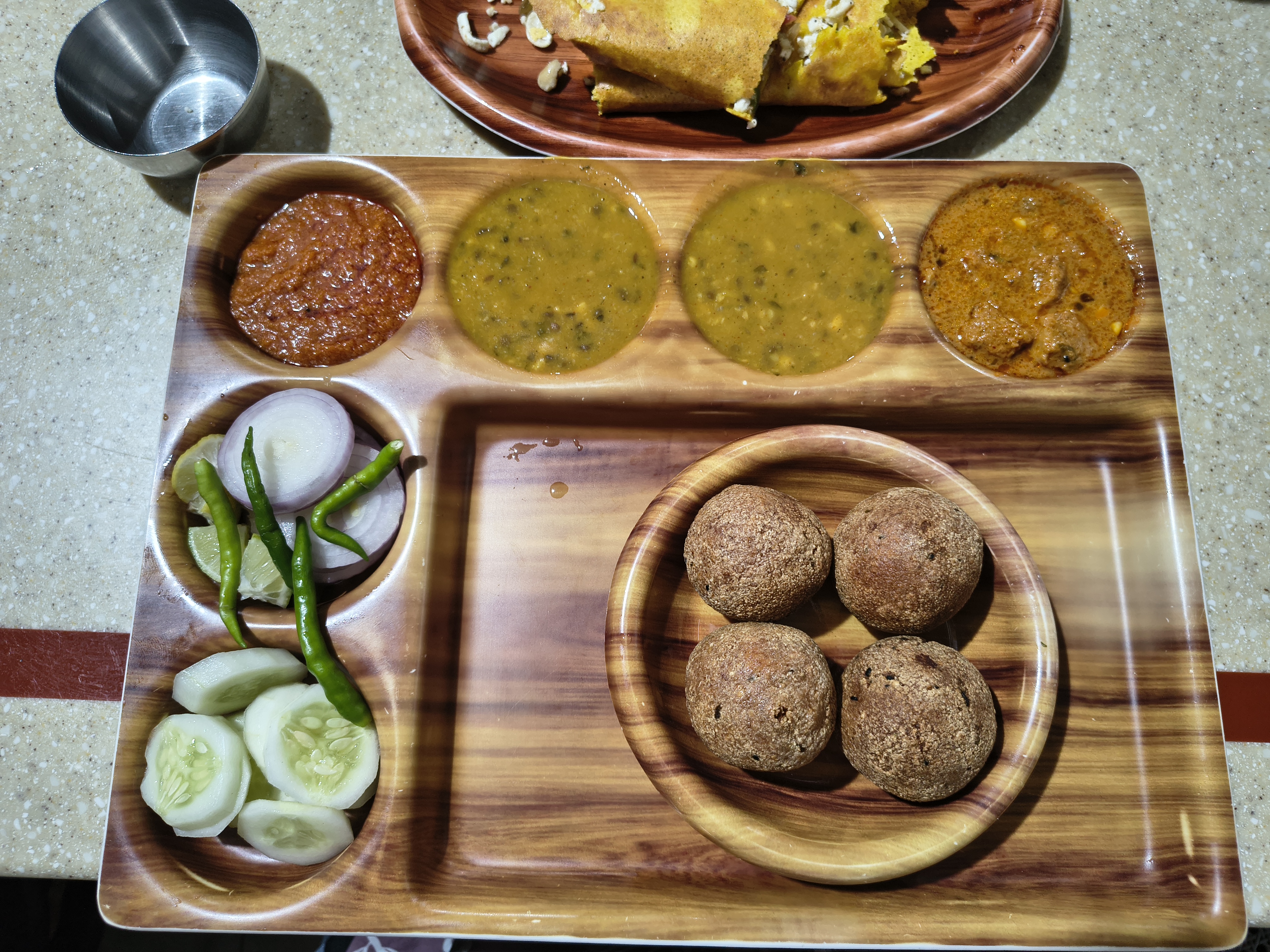
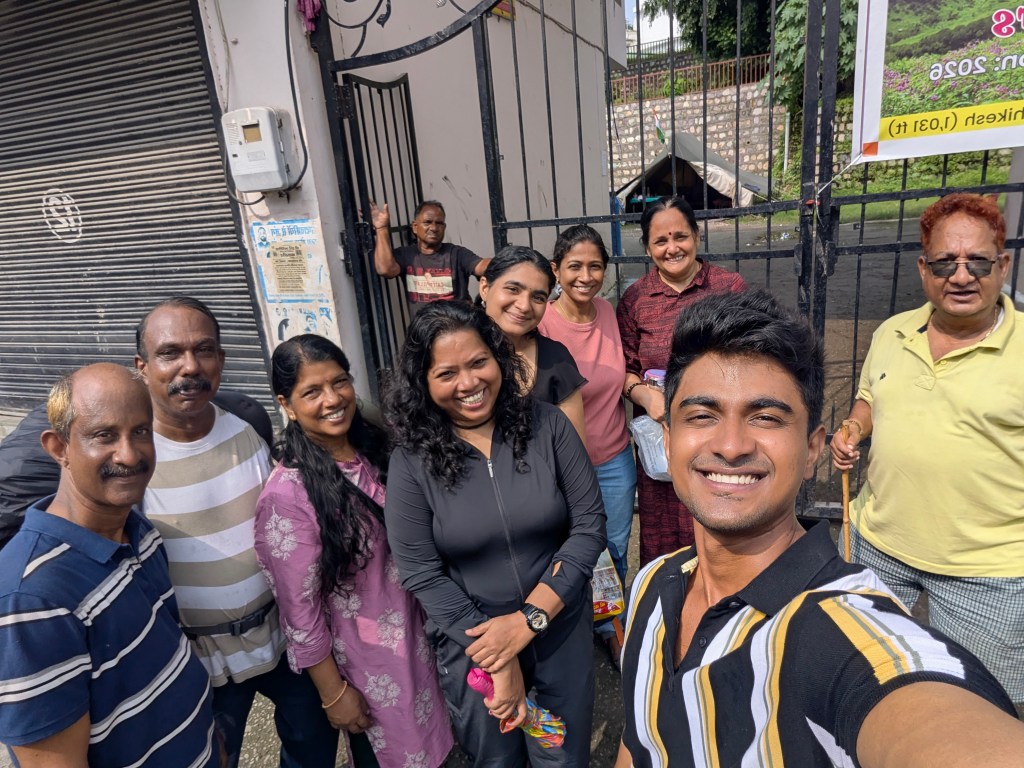
On the penultimate day, rain played spoilsport in Rishikesh with impeccable comic timing, we woke up late, bid a slightly damp, thoroughly reluctant goodbye to Deepak and Hrithik, then wandered over to the nearby basecamp, had breakfast, and collected our trek completion certificates like graduates receiving diplomas for surviving chaos. Last came our literal, teary goodbyes to the Pradosh family and our adopted Keralite couple, who by this point felt less like fellow trekkers and more like extended family we had acquired entirely for free.
By noon, we set off for Tapovan, squeezing in lunch at Little Buddha Café moments before the skies opened up for round two of the downpour, as if the weather gods had personally timed it to ruin dessert. We hired a cab back to Rishikesh, driven by a man who seemed distinctly, unmistakably high on something recreational, leaving the three of us exchanging silent, increasingly panicked glances, quietly reevaluating every life decision that had led to this particular ride. Miraculously, we reached the ashram in one piece, limbs intact and then, in a triumph of optimism over sound judgement, booked the very same driver for the next day, because apparently near-death experiences build loyalty.
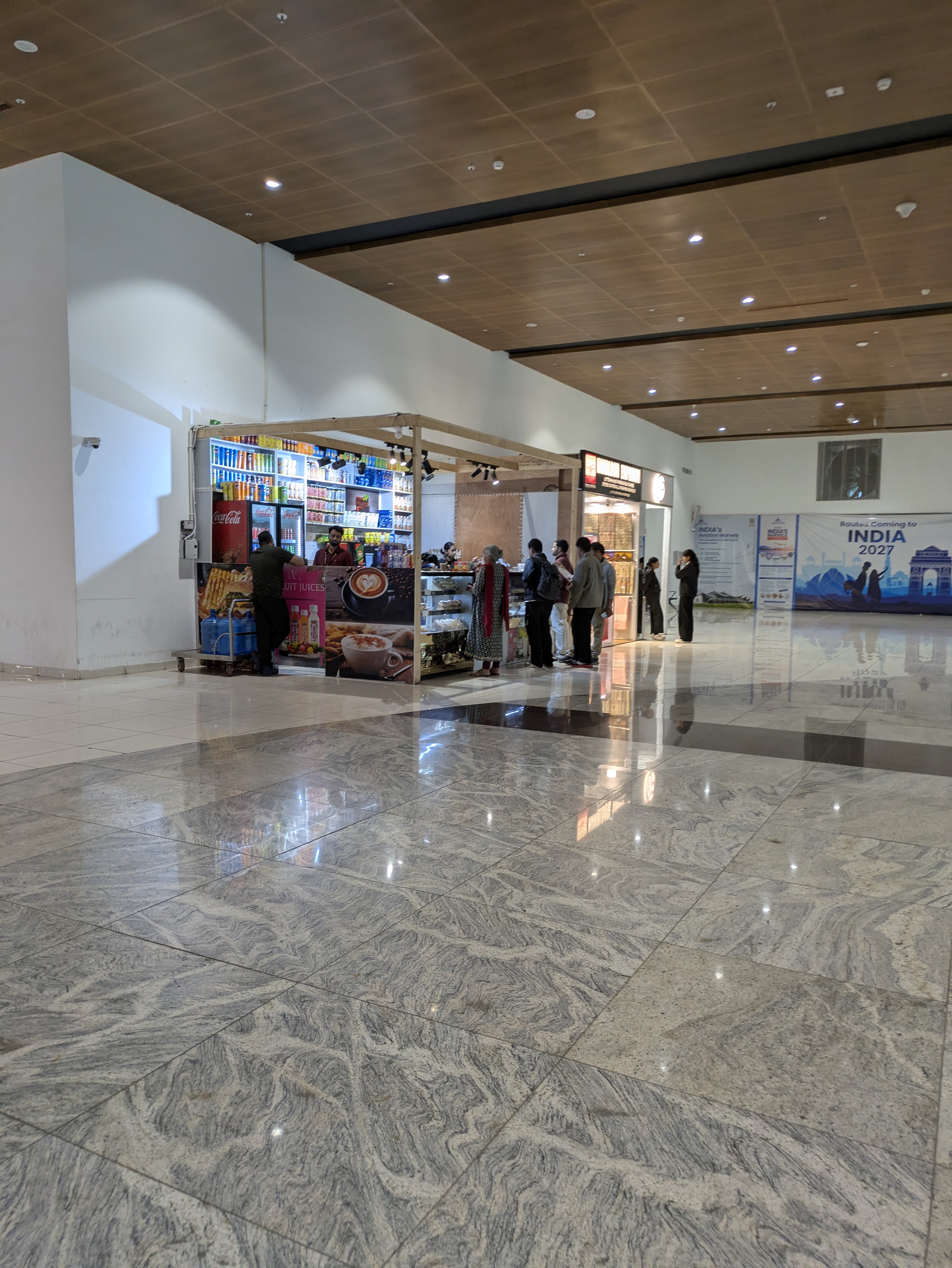
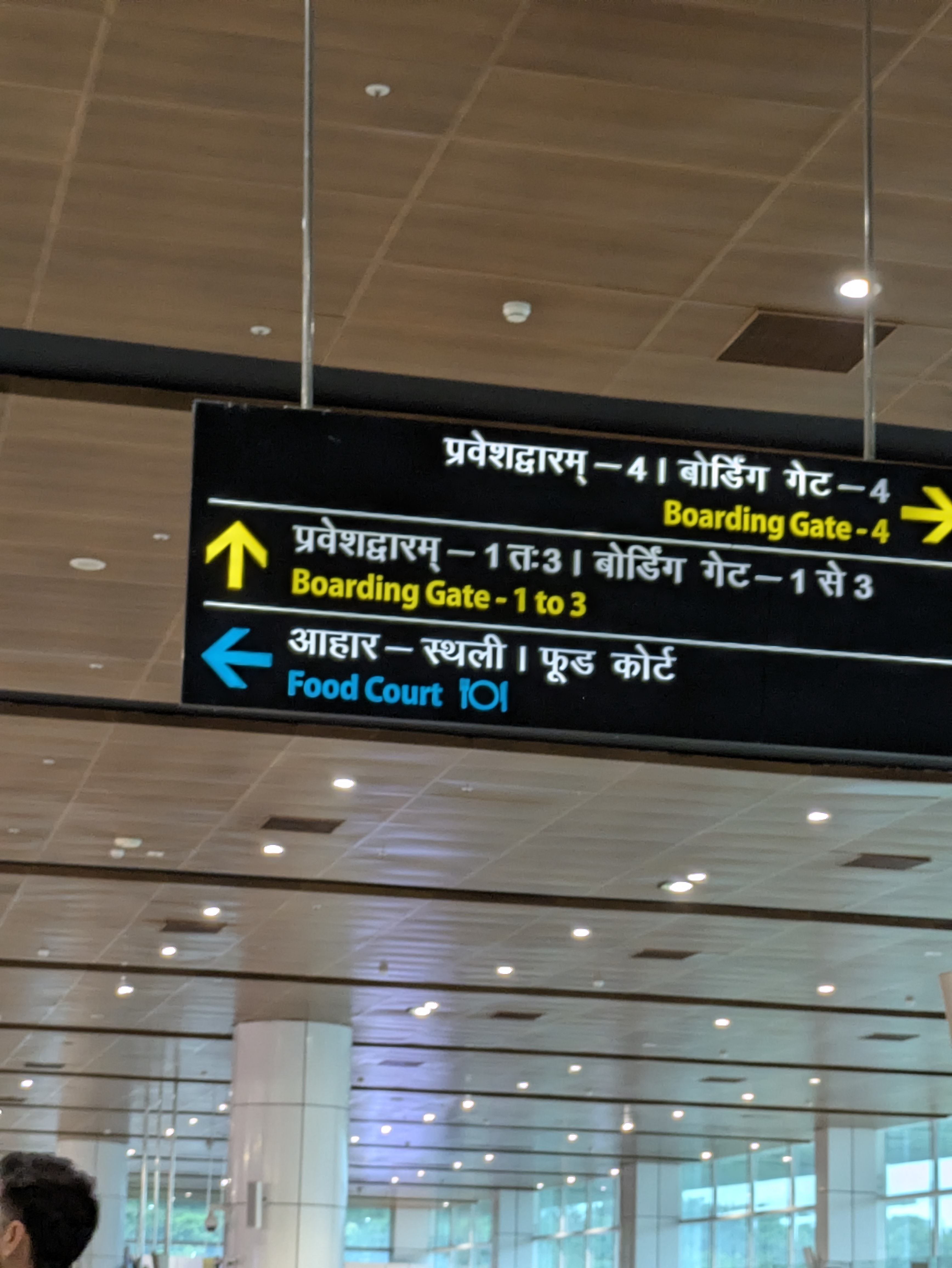
Against every reasonable expectation and several silent prayers, he actually showed up, sober, punctual and at 7 AM sharp, as if the previous day’s questionable driving had been a fever dream we had collectively imagined. The ₹2,000 cab ride delivered us safely to Dehradun airport for an 11:35 AM Indigo flight that, staying entirely on-brand for this trip’s personal mission to test our patience, didn’t actually take off until 5:10 PM due to bad weather, a solid six-hour bonus round we hadn’t signed up for. We survived on the airport’s single food stall, a heroic one-stall operation slinging sandwiches, burgers and patties under the wildly ambitious title of “food court,” a title it had earned through sheer confidence rather than any actual competition.
We finally landed in Mumbai and went our separate ways home — tired, slightly disillusioned about the Valley, richer by one more story, several rubber boots (which left a permanent souvenir of their own in the form of shoe-bite scars on both ankles — a tattoo I never asked for and definitely didn’t sign a consent form for) and a very firmly held, non-negotiable opinion on seat-hoarding on long journey buses.
Seventh YHAI trek down. The mountains, the Brahmakamal and Hemkund’s thin, humbling air made it worth it — even if the Valley of Flowers itself taught me that sometimes the place you’ve built up the most in your head is the one that needs the biggest reality check.


I have gone through your beautiful blog & am quite impressed by your trekking capabilities which is so very encouraging for the people asking to go on trekking destinations! I too had the rare chance to trek the mysterious Roopkund in Chamoli district of Uttarakhand in 2013! If you can find time please visit my first blog on my site- ‘Travel and Share’
LikeLike
Thank you so much for the appreciation. Sure, will visit and check your blog too.
LikeLike