Lakkundi or Lokki-gundi is a historically important town with many monuments scattered around in this relatively unknown town compared to its famous neighbour Hampi. We were supposed to explore it together with all the other temples yesterday from Naregal, Kuknoor, Itagi and Dambal and Japada Bavi. Due to lack of time, we had to push Lakkundi for today and let go off the Annigeri for next time.
Lakkundi was ruled over by different rulers like Western Chalukya, Kalachuris, Yadavas of Devgiri, Hoysala King Ballala II. Many rulers have added their own contribution while some have destroyed. As per the Historians, the temples suffered severely during the Chola invasion in about 1070 CE when Lakshmeshwar temples was destroyed. Even the feud between the Brahmans and Lingayats did not spare the temples.
We decided to start early, since we had to leave for Mumbai in the afternoon. So, with half a day in hand, we left early by 06:30 am.
We walked all the way to the Gadag Bus Stand, took the bus to Lakkundi by 07:00 AM. Roads were deserted in the early morning. We reached Lakkundi Bus stand by 07:30 AM. Being a rural town, day starts quite late here, there were no autos available for hire. I put on the google map and decided to walk on foot towards the closest Manikeshwara Temple, which is located behind the Bus Stand. After asking the few passerby and 5 minutes’ walk later, we were welcomed by the closed gate of Manikeshwara Temple.
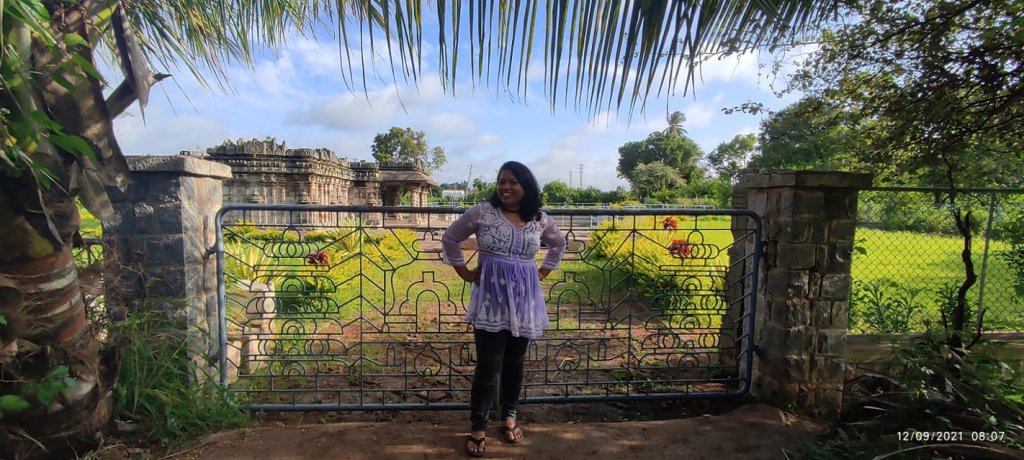
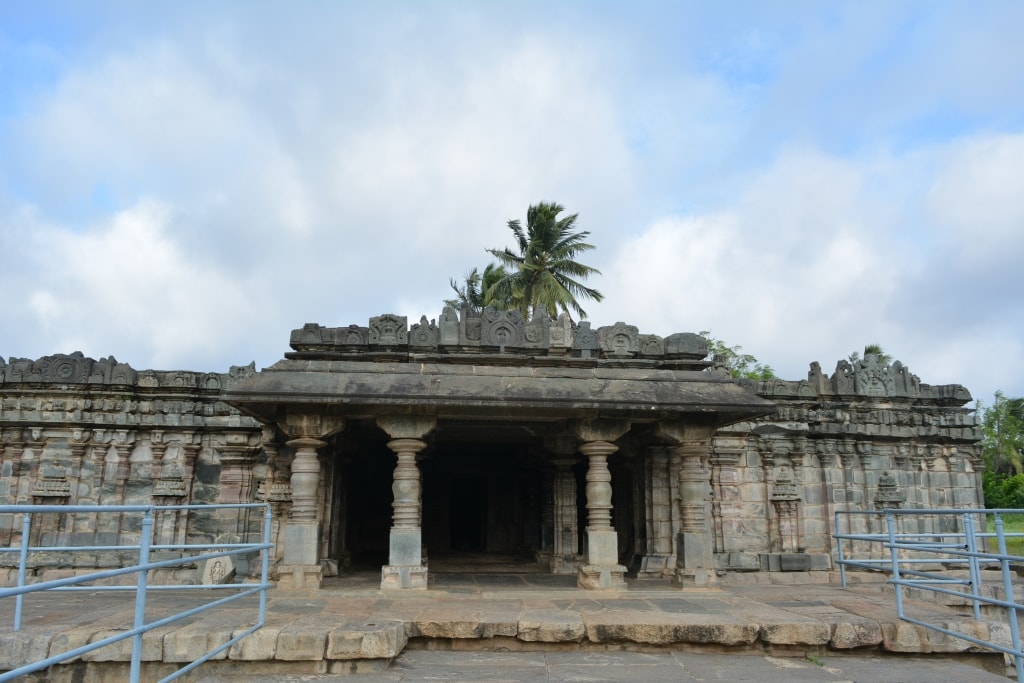
Here, instead of turning back, we decided to climb the Iron gates. Coming so far and going back just like that would have been waste.
There was no one around, we climbed in, the whole complex was empty and the beautiful temple stood still in its splendor with a small pond like structure in front. On closer inspection, I realized that it was Muskina (Veiled) Bavi (Well), which was filled with water due to rain. I was still not sure whether this was the same Stepwell, which made me plan this entire trip. I went around few times, finally realizing this was indeed the same.

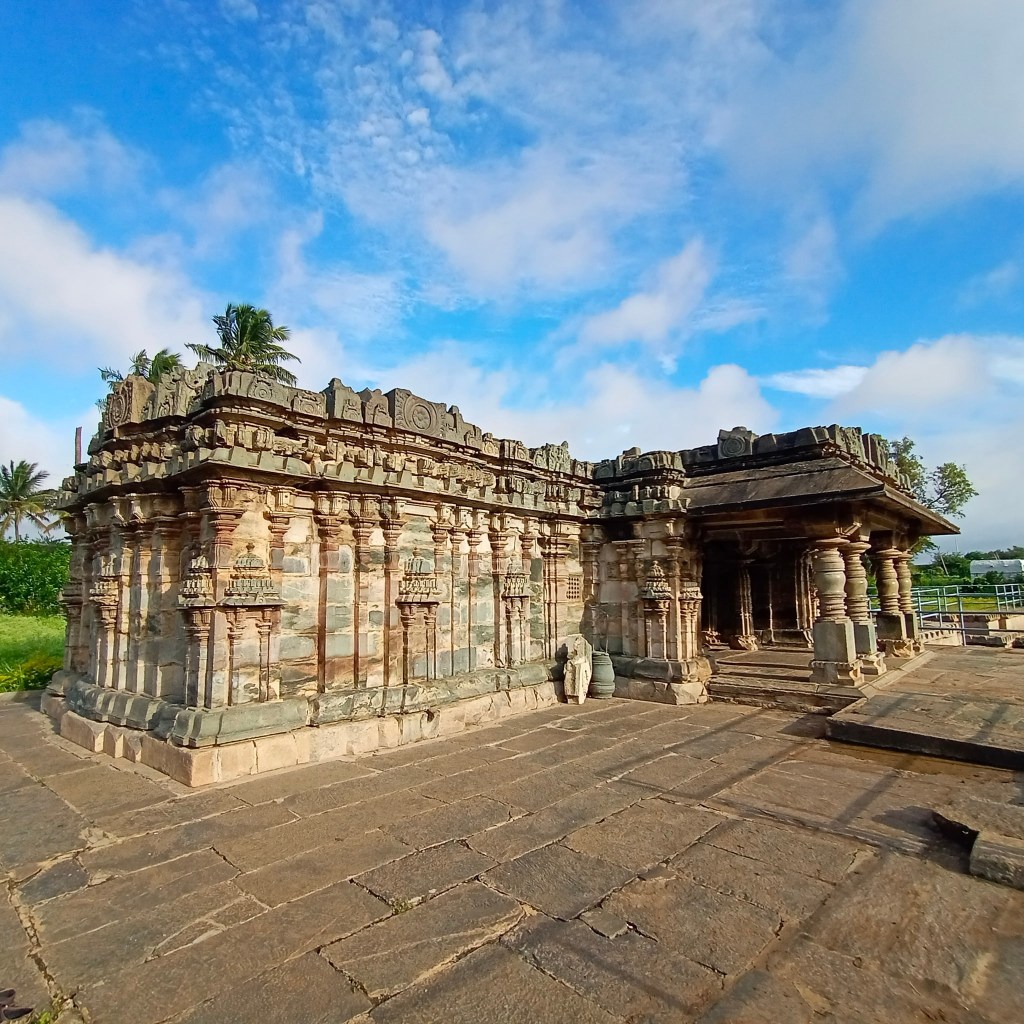
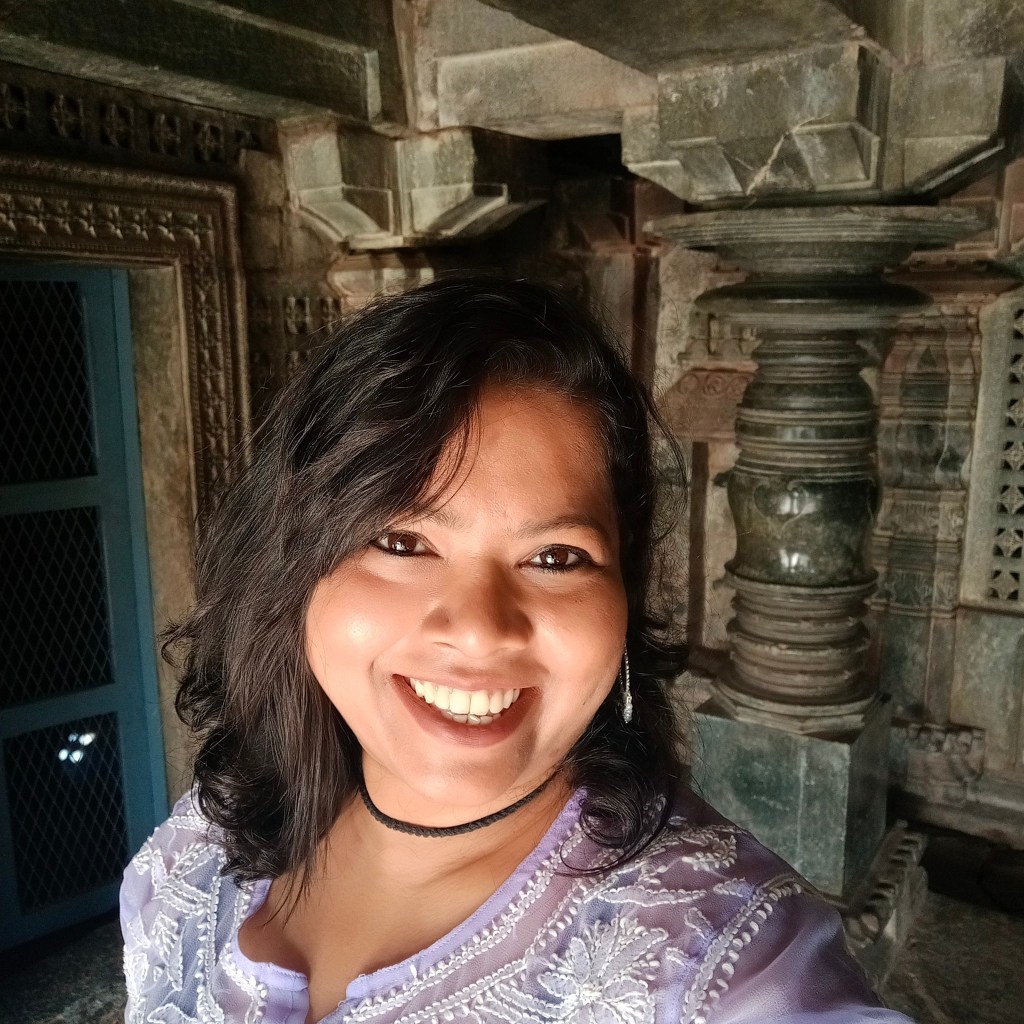
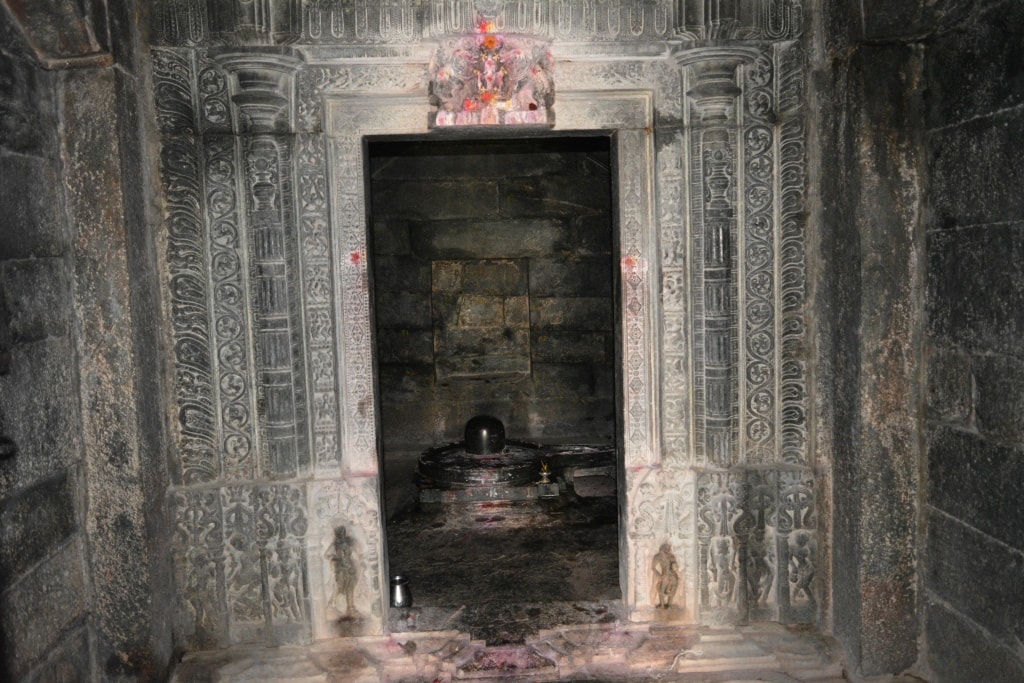
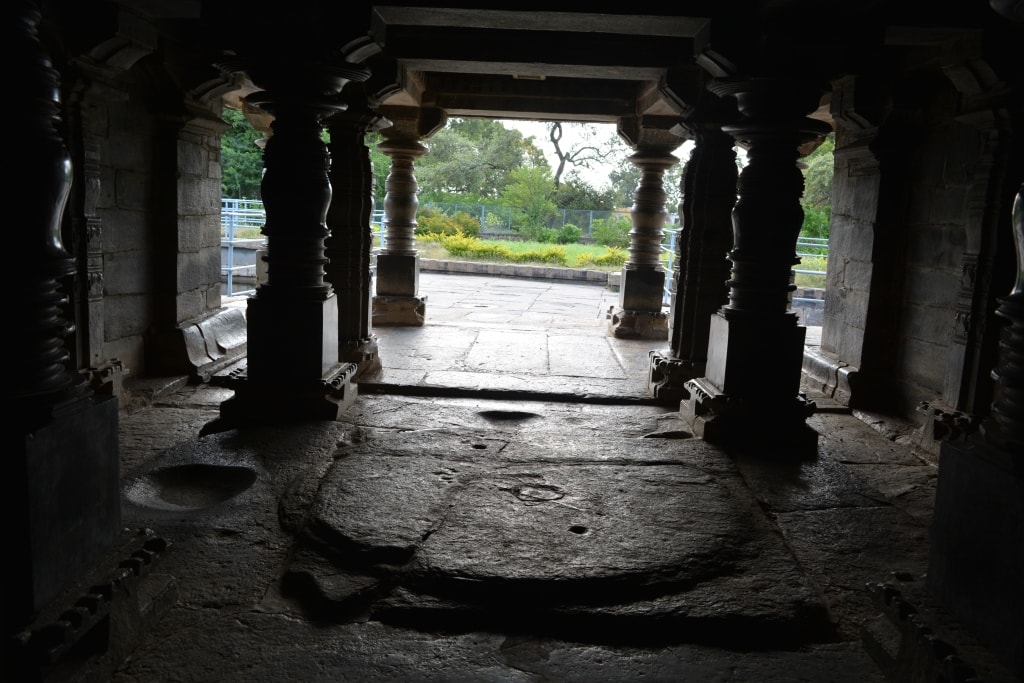
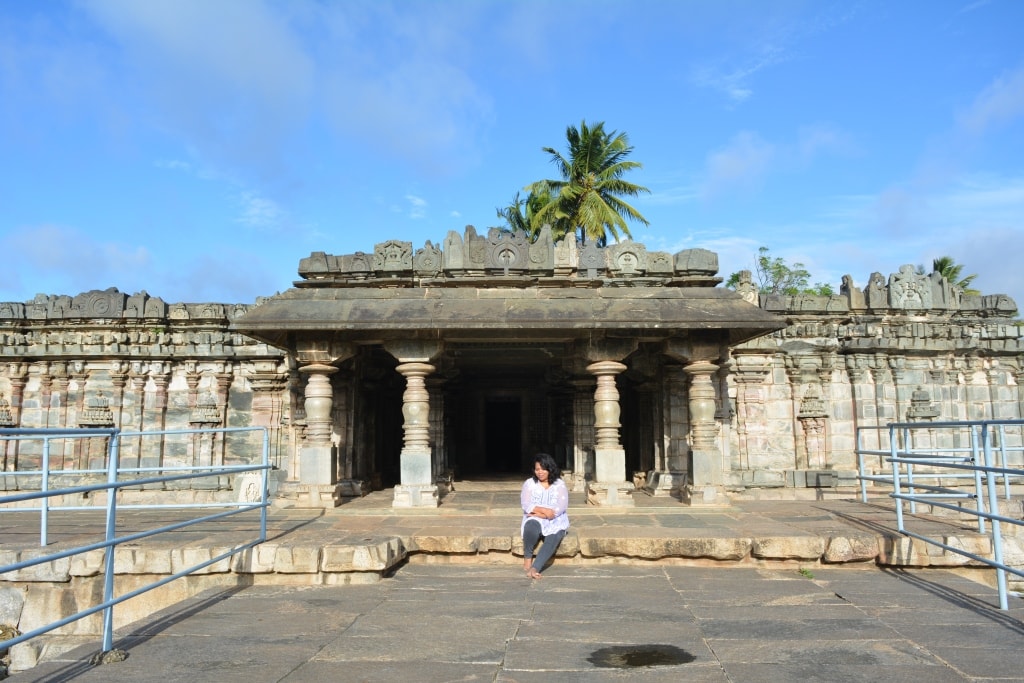
I have to visit this place again, because the filled stepwell was not what I had wished for, I wanted to explore the art on the inner wall. With no other option, we explored the Manikeswara temple.
Manikeshwara is a trikuta (three cells) temple dedicated to the Lord Shiva. The outer walls don’t have any sculptures. The Temple is built of grey-green chloritic schist, because of its malleability when freshly quarried or wet, it becomes hard when dry. This stone was also used to create masterpieces at Belur, Halebid, Somanthpura and other places by Chalukyans.
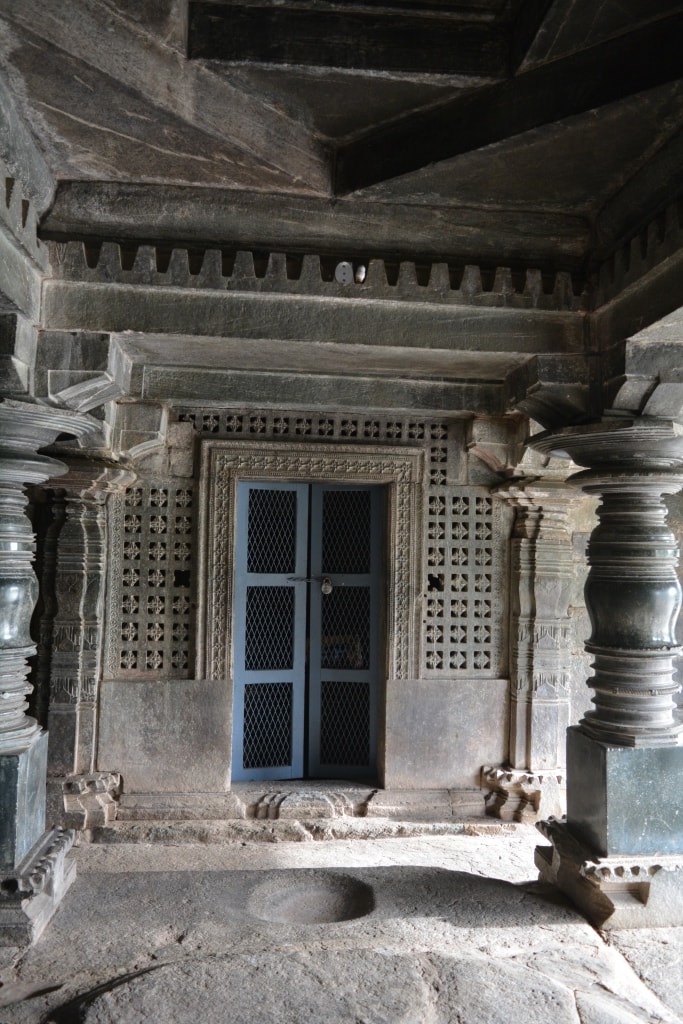


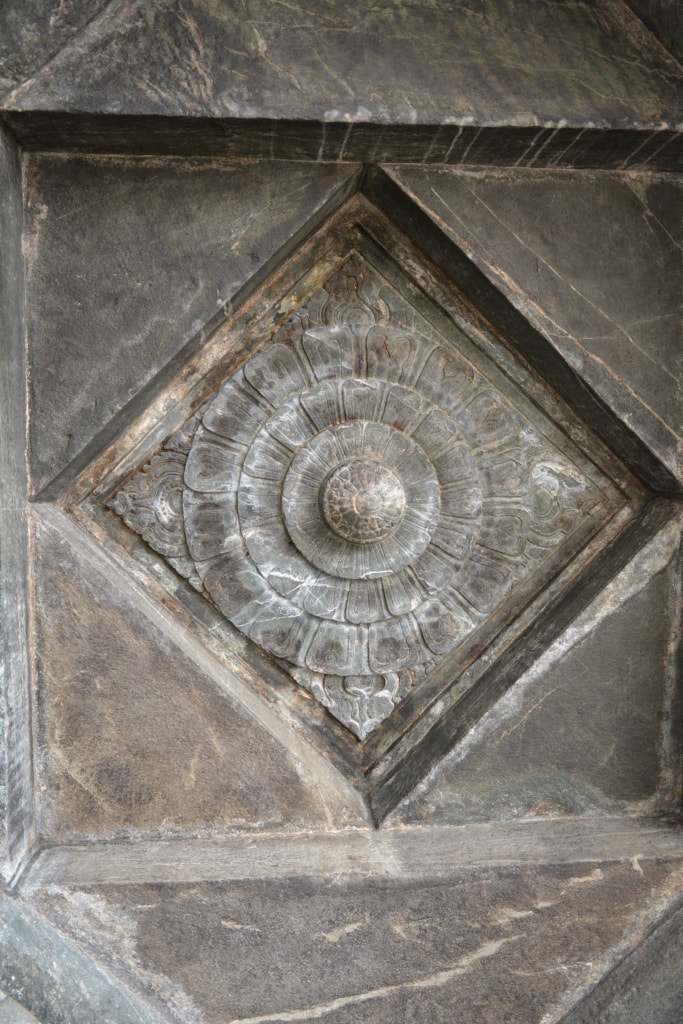

We came back to the Bus Stand, hoping to find some Autos to hire for entire Lakkundi trip. Unfortunately, it was a sleepy town, even at 07:30 am, it was in slumber mode. We decided to walk on foot, keeping the Google Map on. We had Brahma Jinalay as destination while walking.
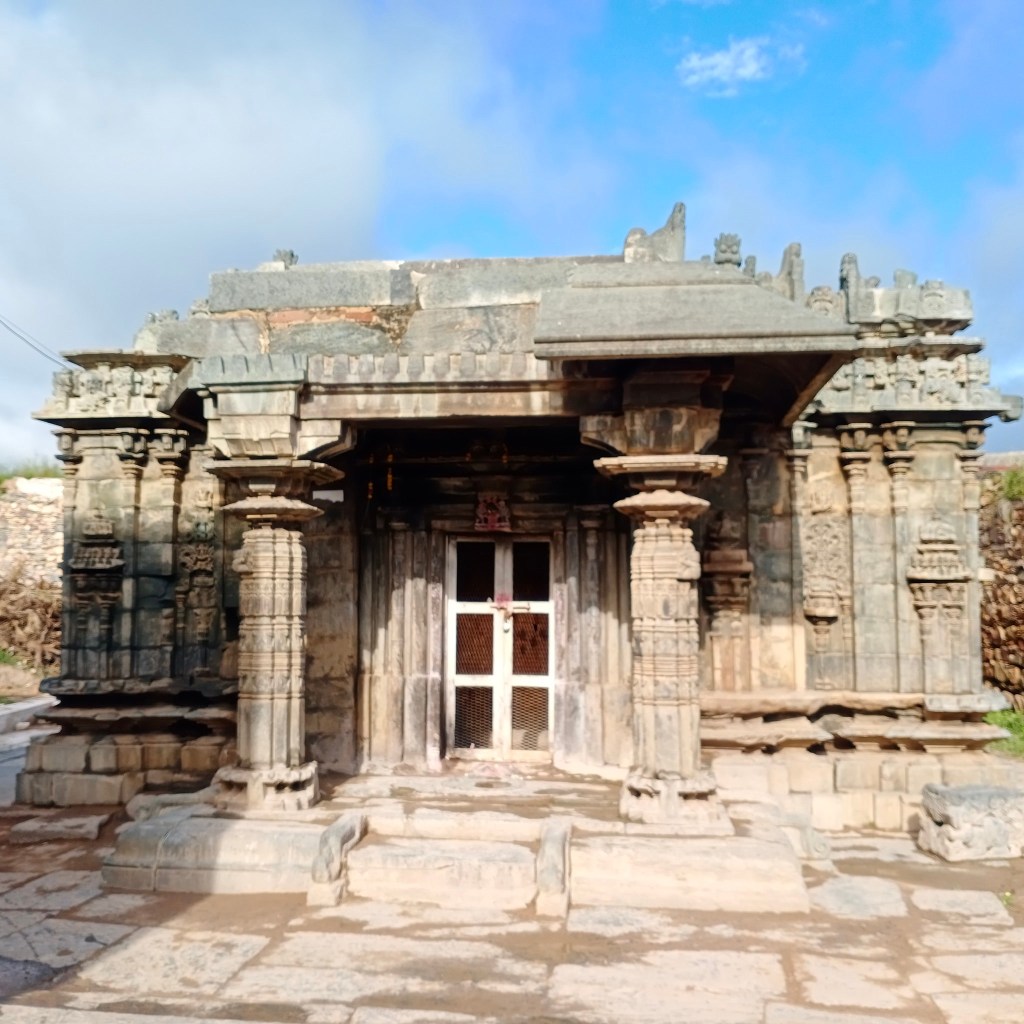
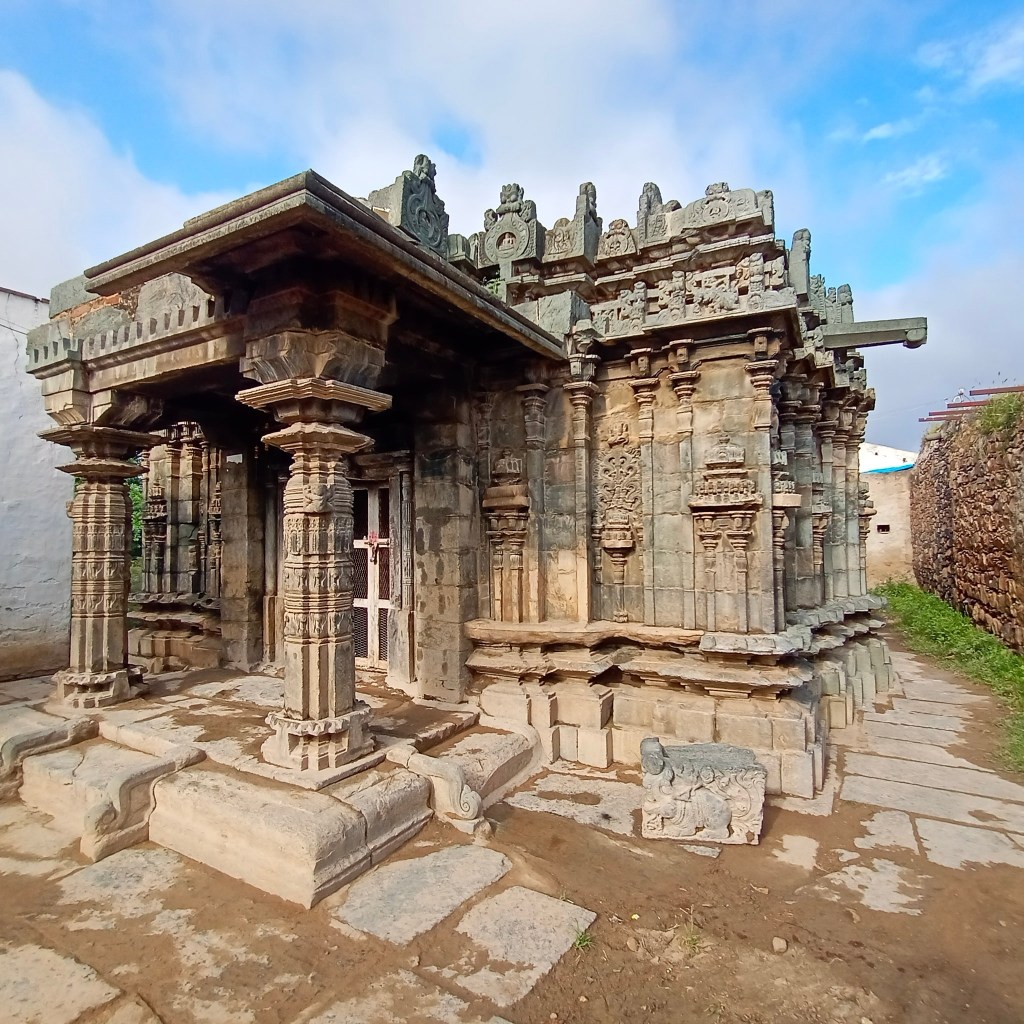
First temple on the way was Naganatha Temple, located in small lanes, difficult to locate, we almost lost it in between lanes. People have built their residences close to the structure.
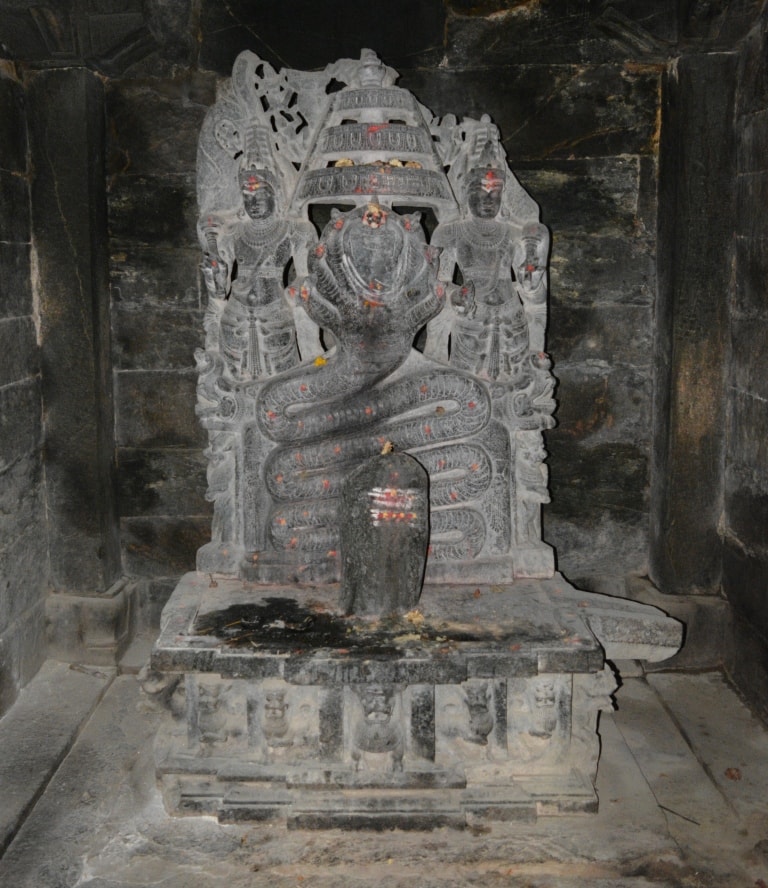

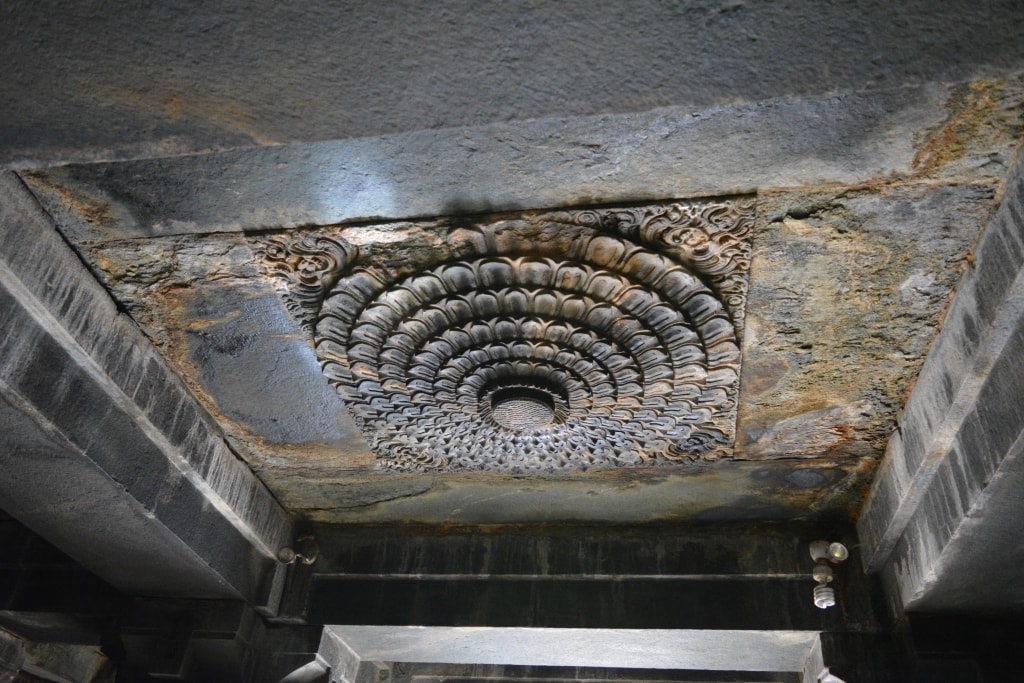
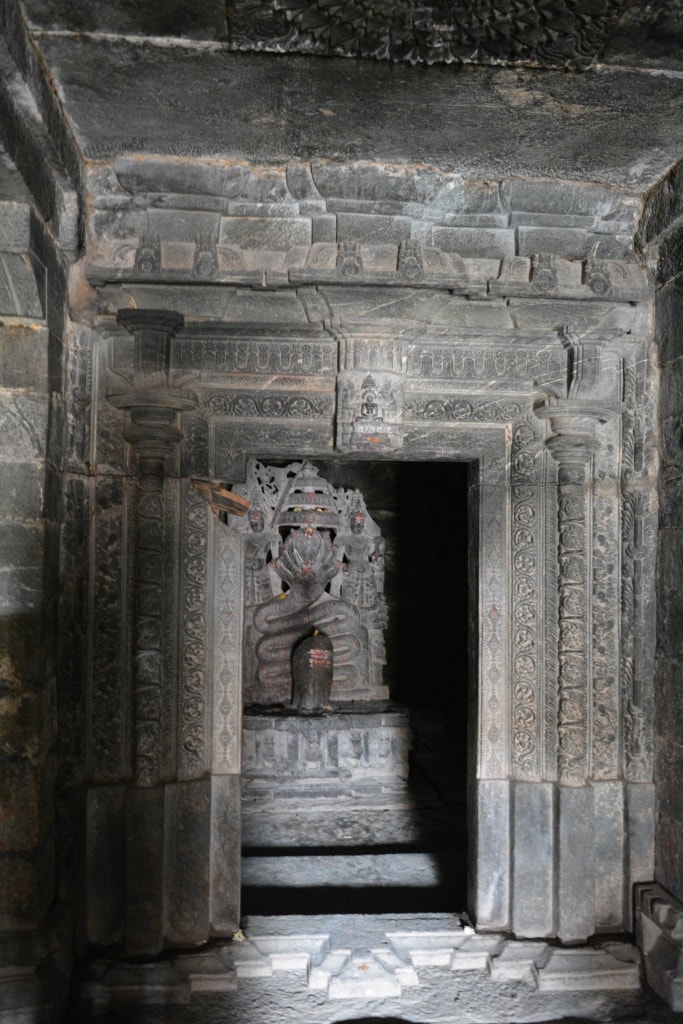

Naganatha Temple was a Jain Temple now converted into Hindu temple. A simple temple with closed mandapa, antarala & garbagriha. There is Gajalaskmi on the doorway lintel. There is a Naga with a pedestal in front. As per the historians, original sculpture on the pedestal is missing, instead shiva linga is placed on the pedestal. In the Garbagriha there is Parshvanatha on its lalatabimba (Door jamb).
We moved ahead in the direction of Brahma Jinalay. There is a Lakkundi Archeological Museum at the entrance maintained by ASI.
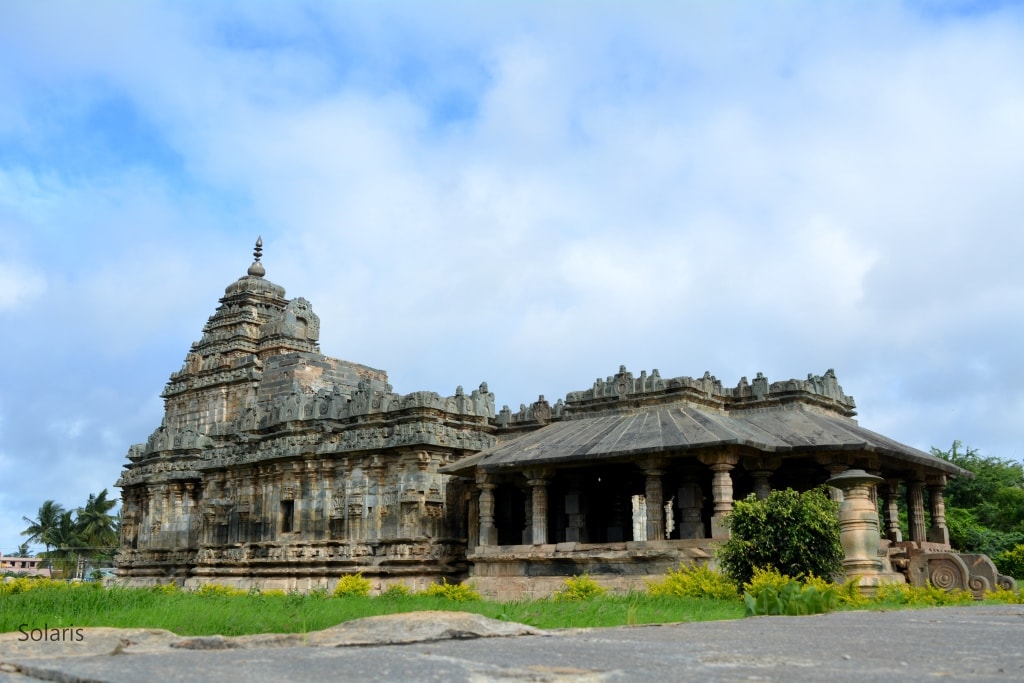
A well maintained structure with garden in front, the landscape looked good.
We took the ticket (Rs. 25/-), saw the displayed sculptures from Chalukya period kept in Musuem and moved straight to the Jinalay.
This is a Jain temple dedicated to Mahavira. It has garbhagriha, Antarala, Navaranga, an open Mandapa supported with 28 Pillars and Mukhamandapa. There is a balustrade entrance which is in line with the Mukhamandapa.
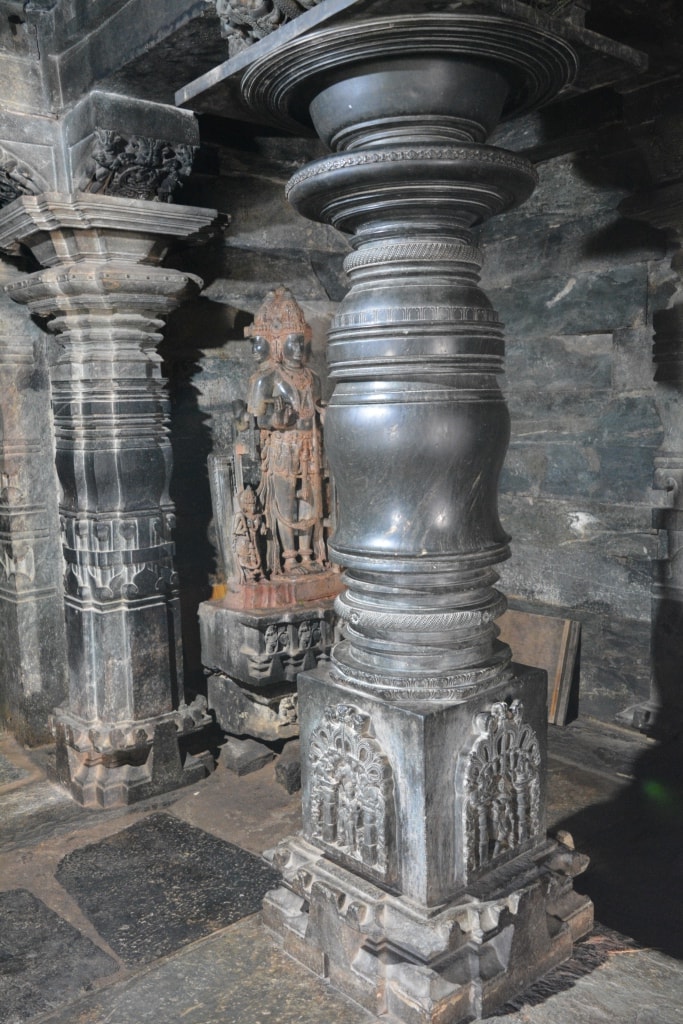

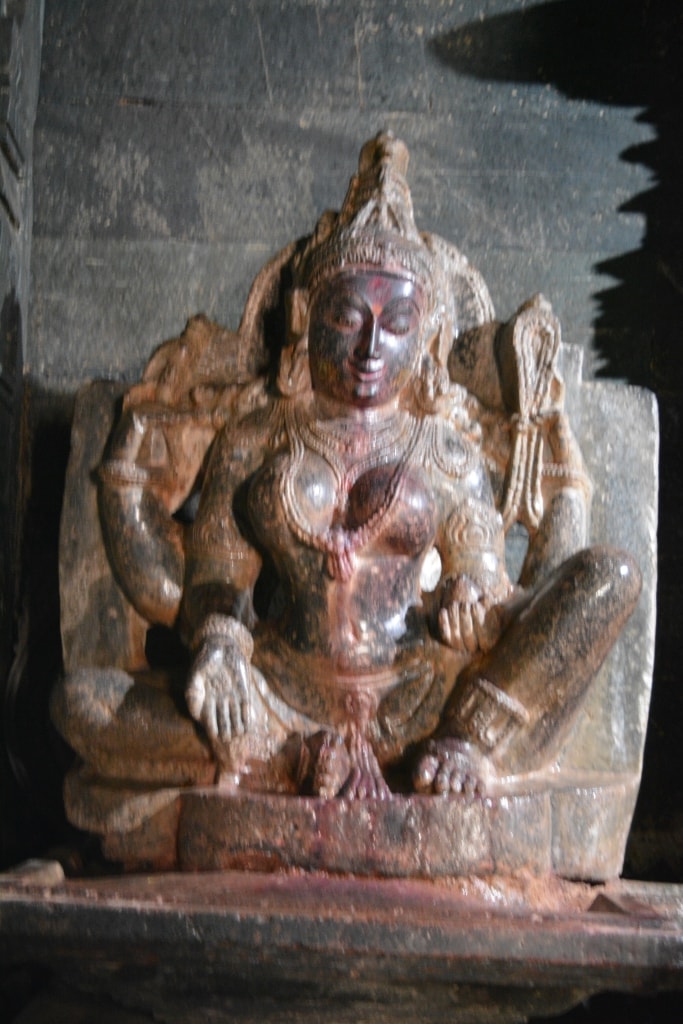

There is Gajalakshmi on it’s door jamb of entrance door of Antarala. Inside the Navranga, on both sides of the Antarala doorway, there are two beautiful sculptures of Padmavati & Brahma. Brahma is standing in sambhaga pose, he is shown with four heads & four hands. Due to dim light, it was bit difficult to capture the photo of sculpture. There is idol of Mahavira on the door jamb of Garbagriha. Inside the Garbagriha, there is a Mahavira image standing on lion pedestal. On both sides, there is Yaksha & Yakshi.
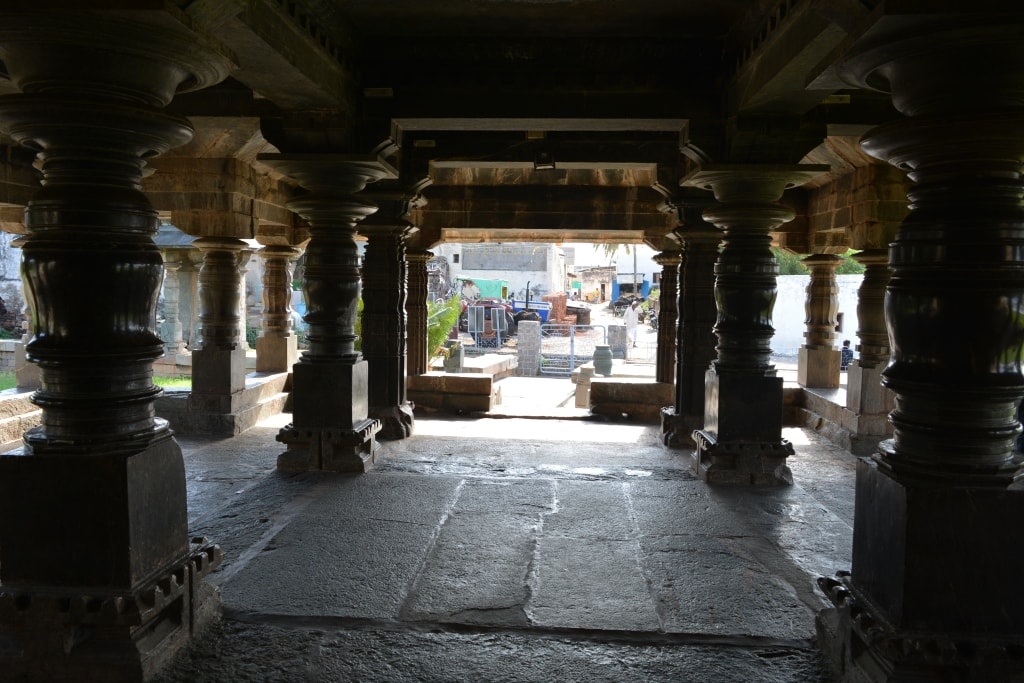
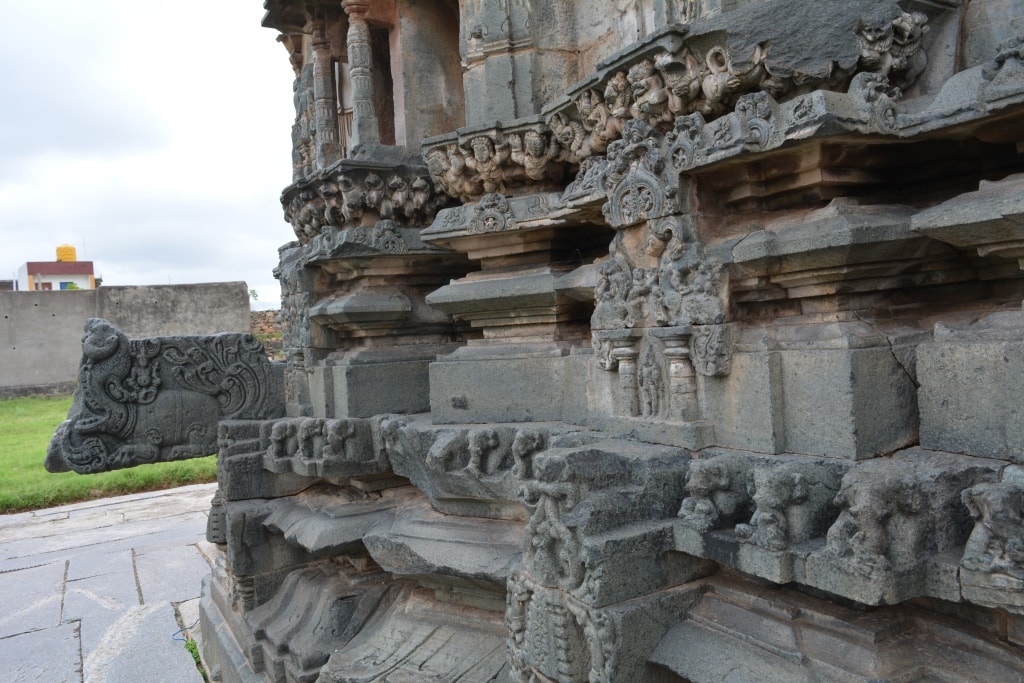
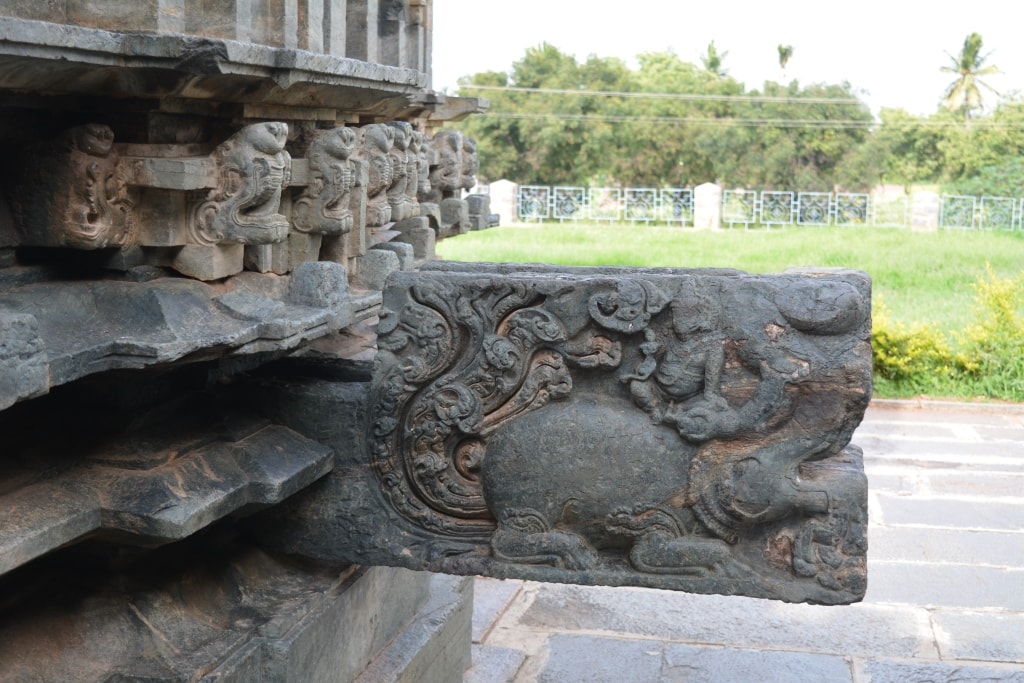
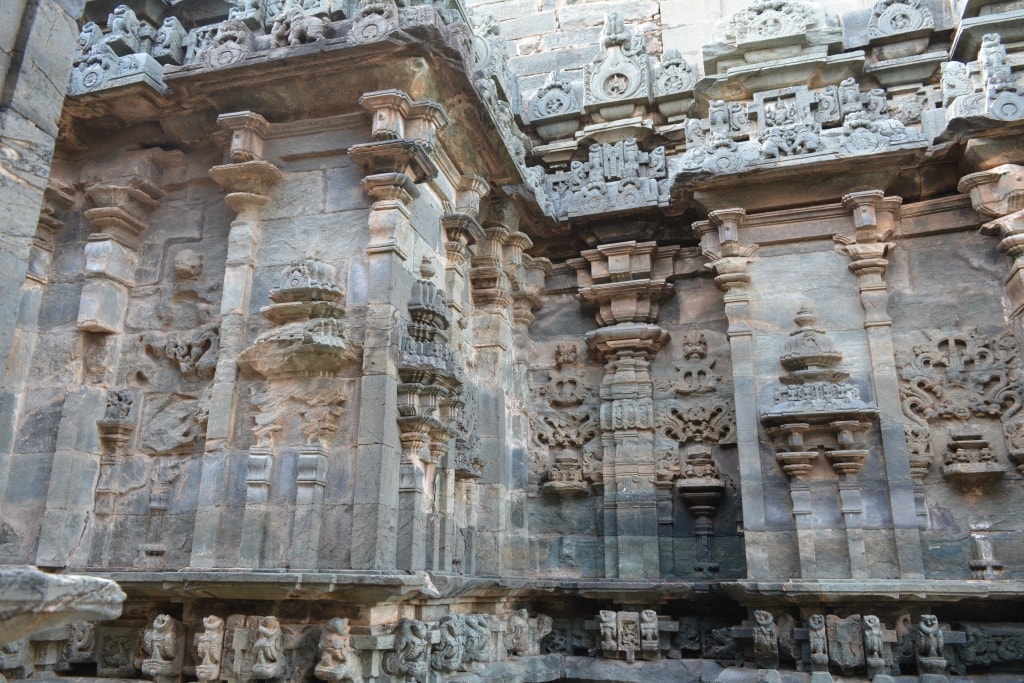
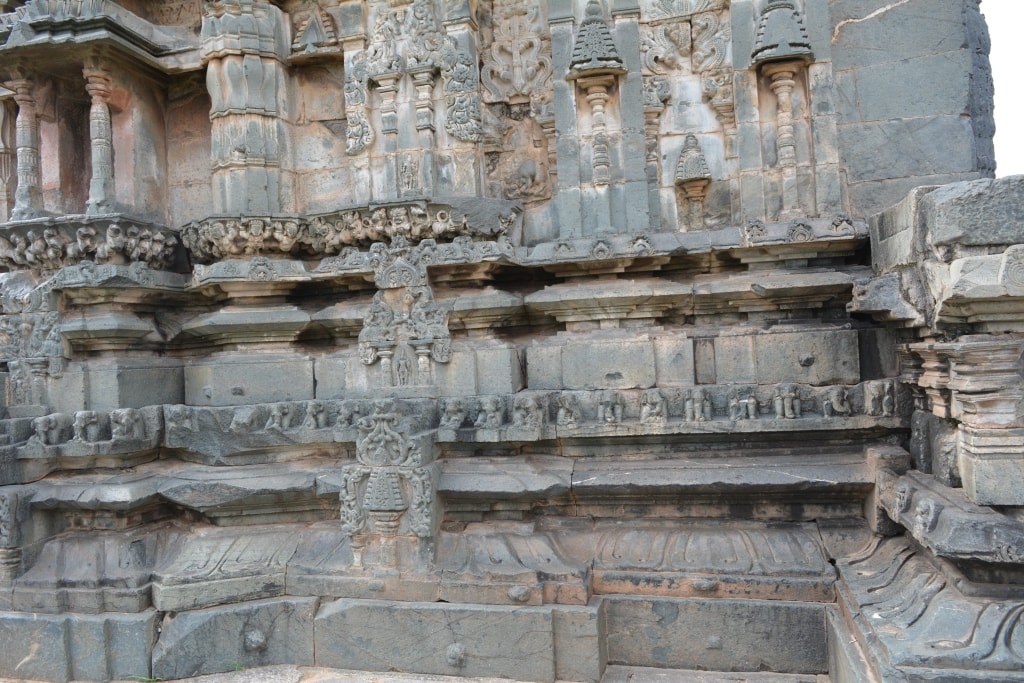
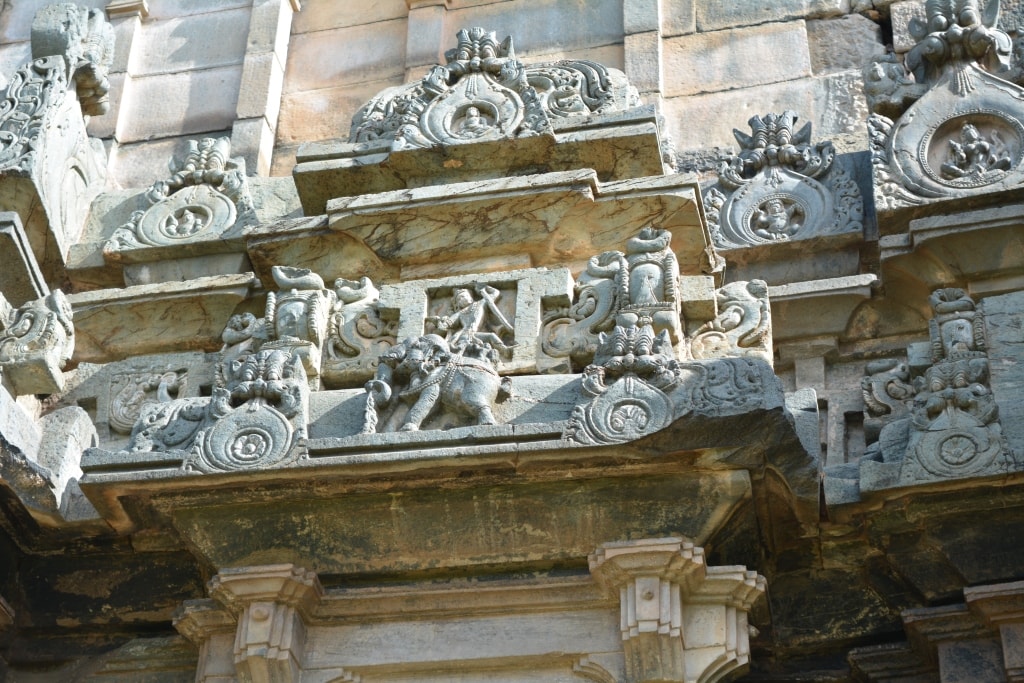
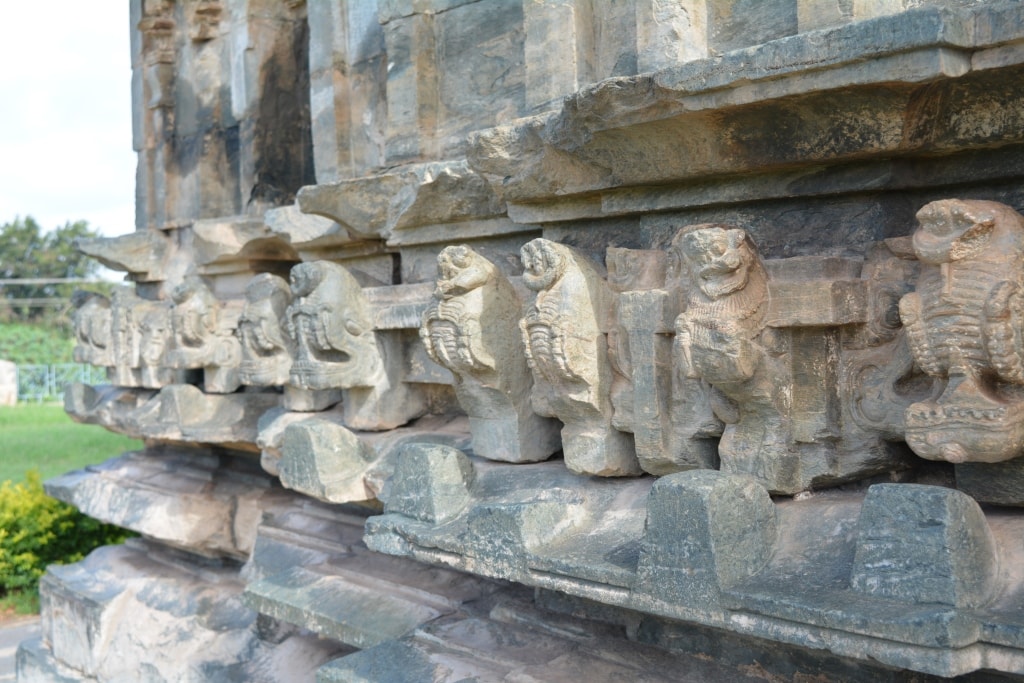

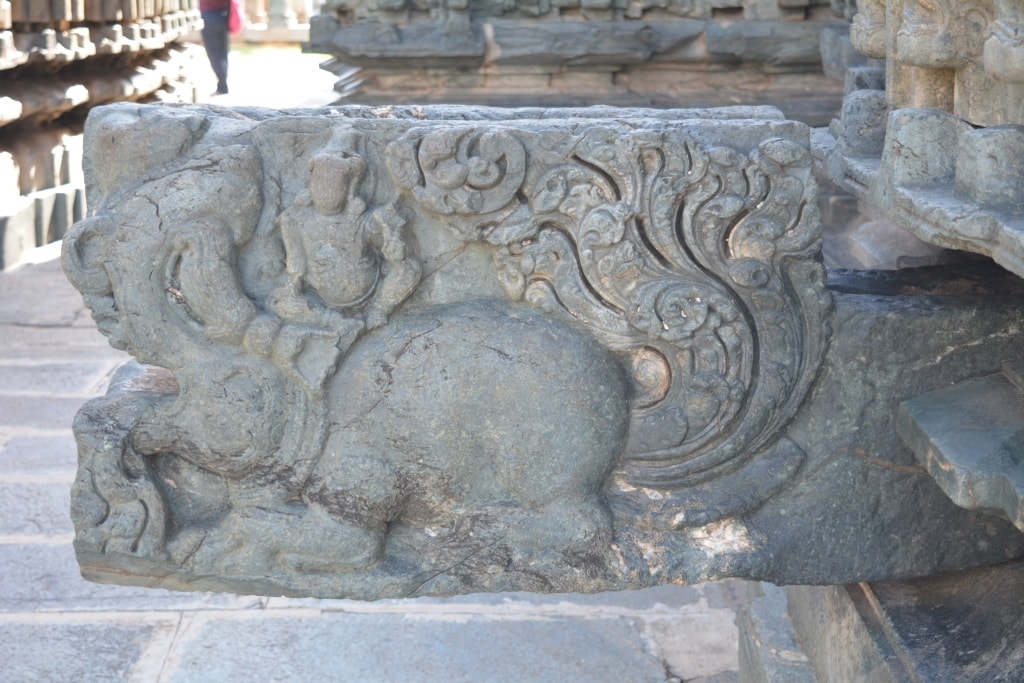
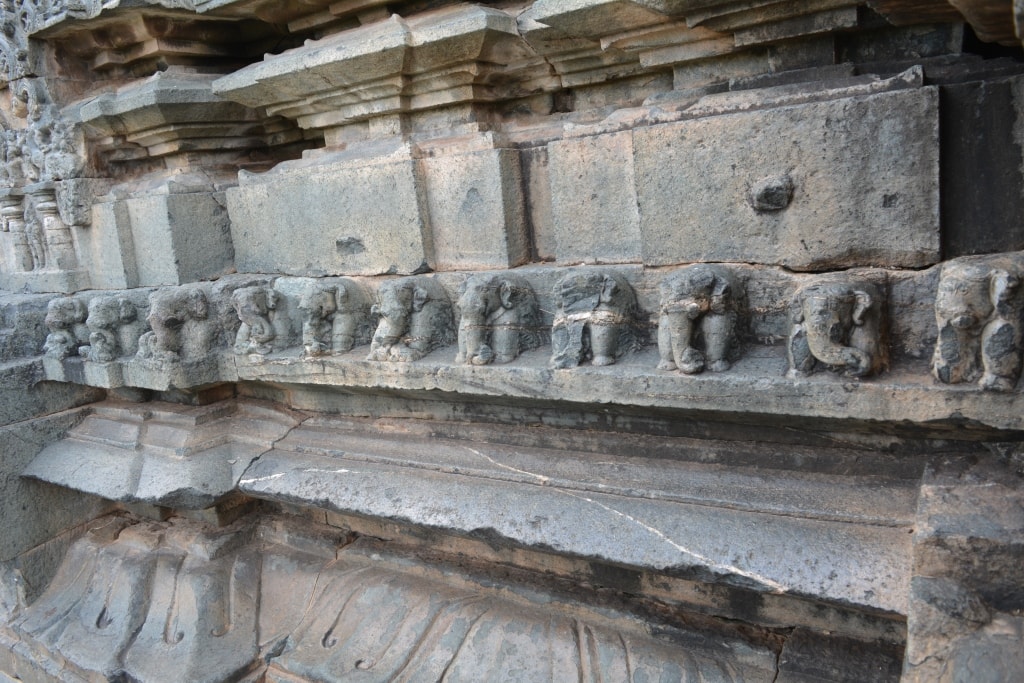
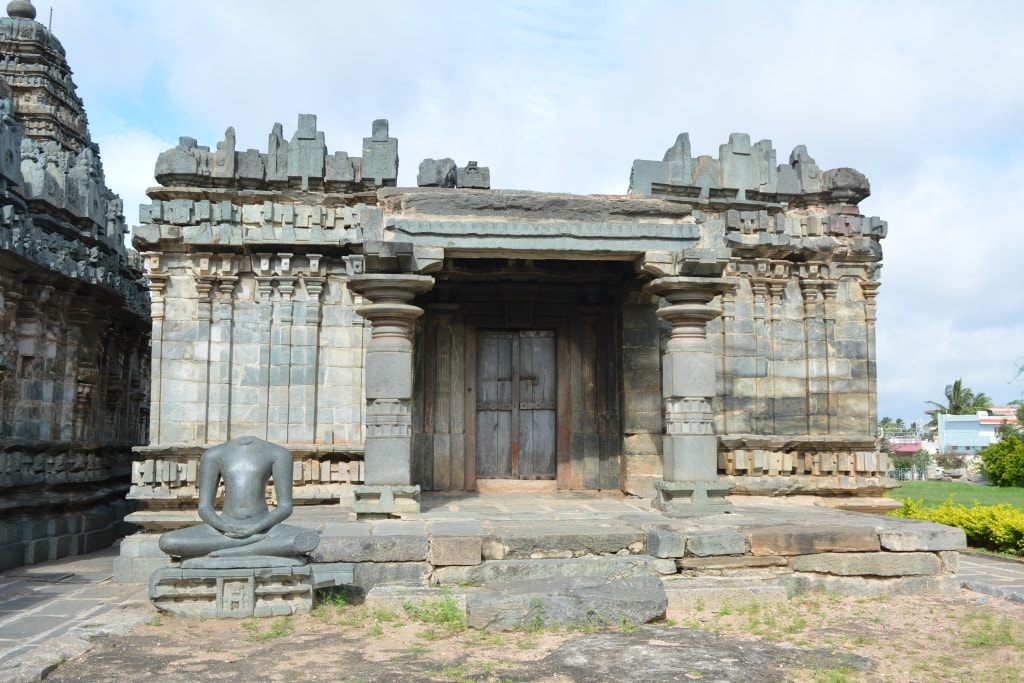

There is a smaller temple without shikhara and mandapa. There is big idol of headless Mahavira, maybe fallen prey to war casualties.
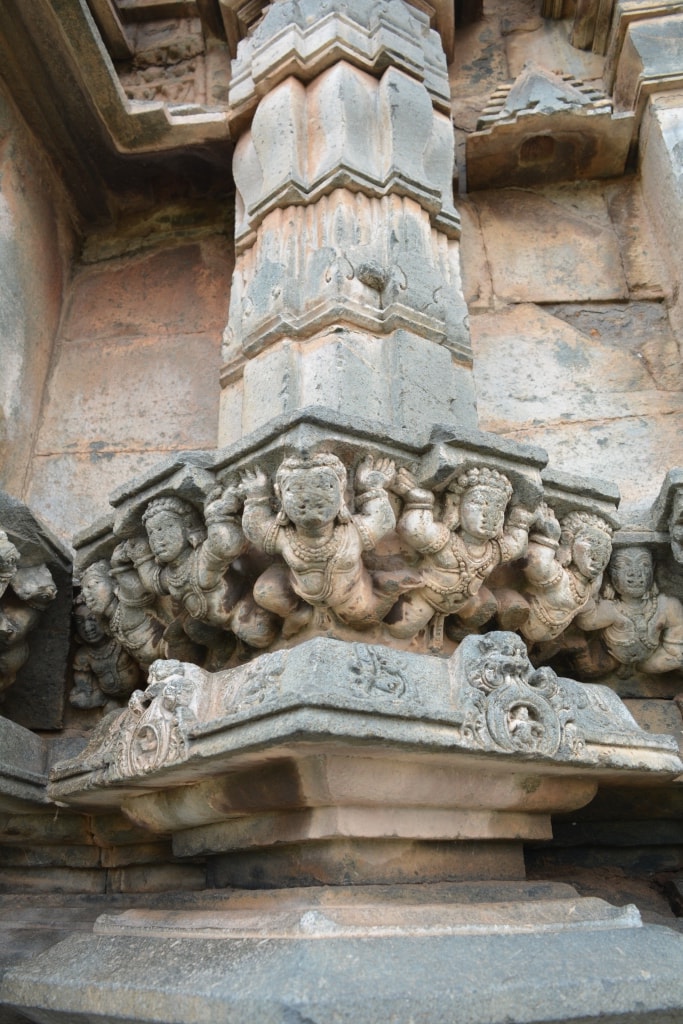

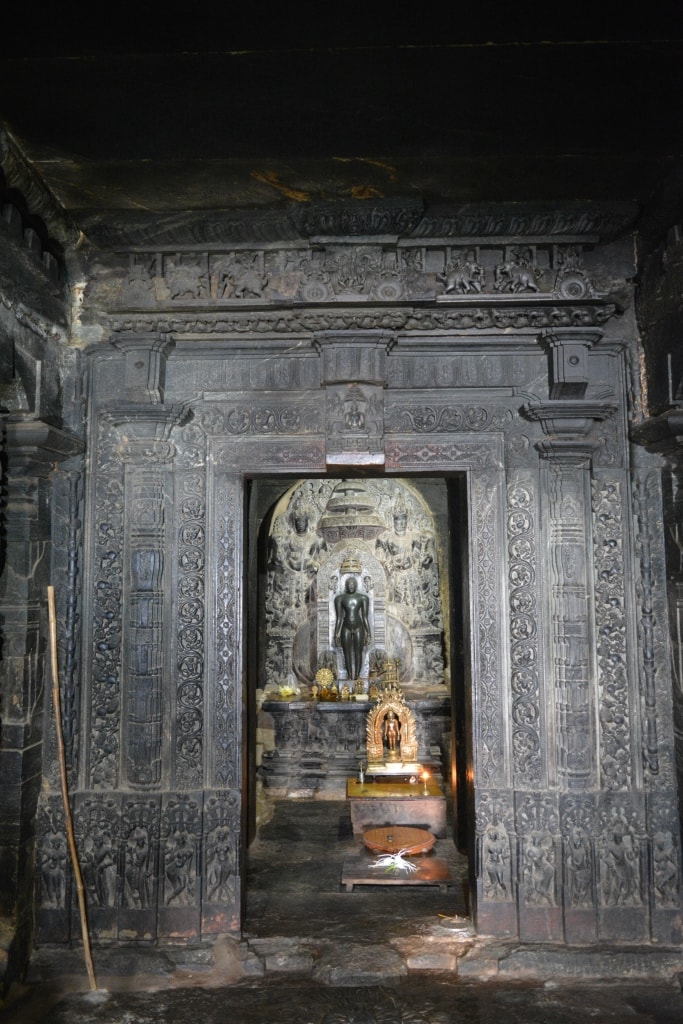
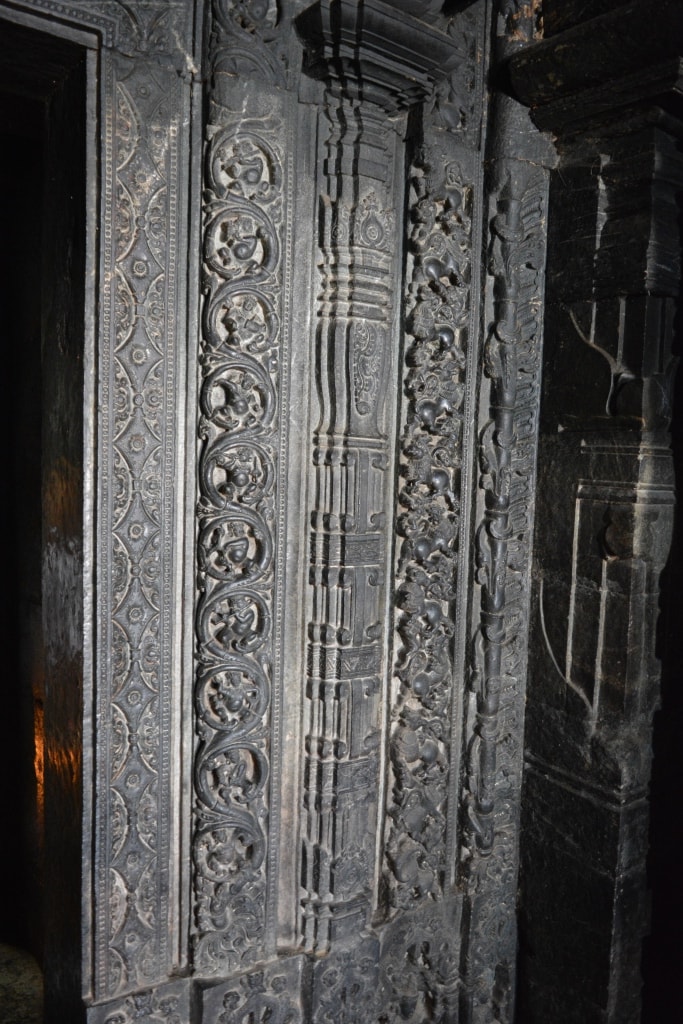
As per an inscription, it was constructed by Atiyabe, the wife of chief Nagadeva, in about 1007 CE.
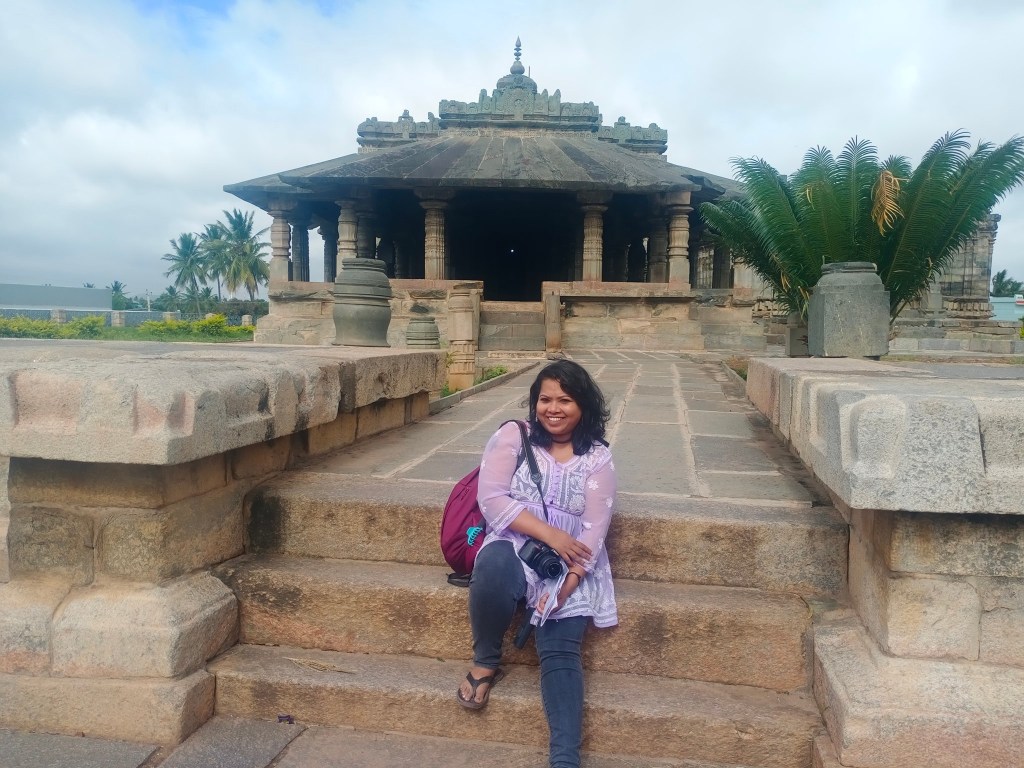
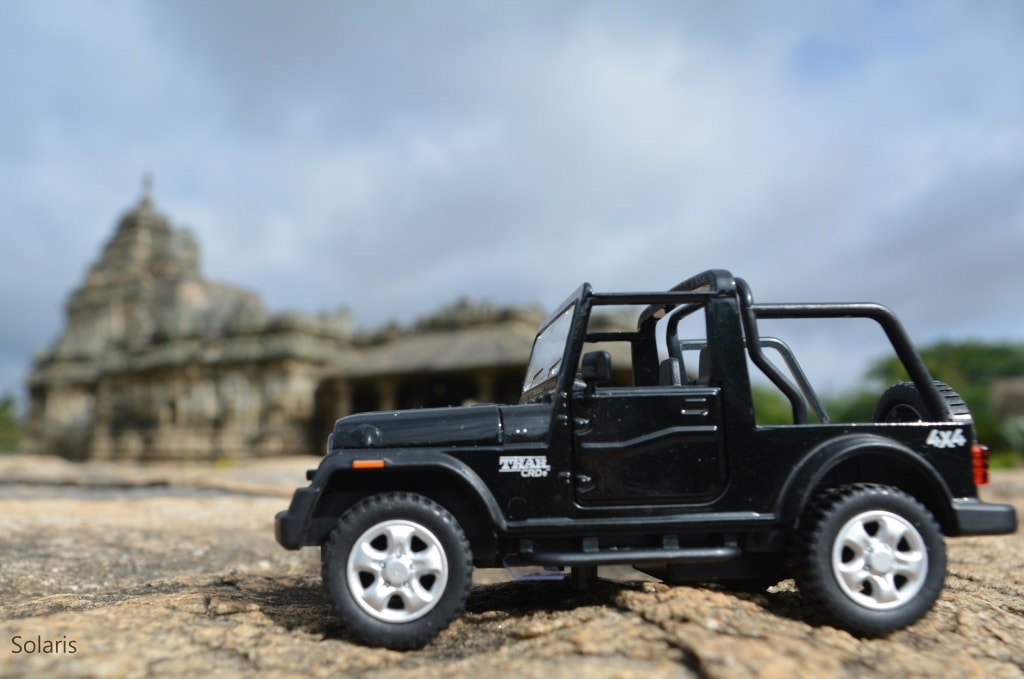
We spent some time here, photographing everything and moving ahead to Kashi Visweswara Temple.
We took an auto from here to Kashi Visweswara temple, since, we were running out of time and Town was almost alive, bustling with various activities. Kashi Visweswara Temple & Nanneswara temple are both located opposite to each other divided by road. They have raised platform (jagati).
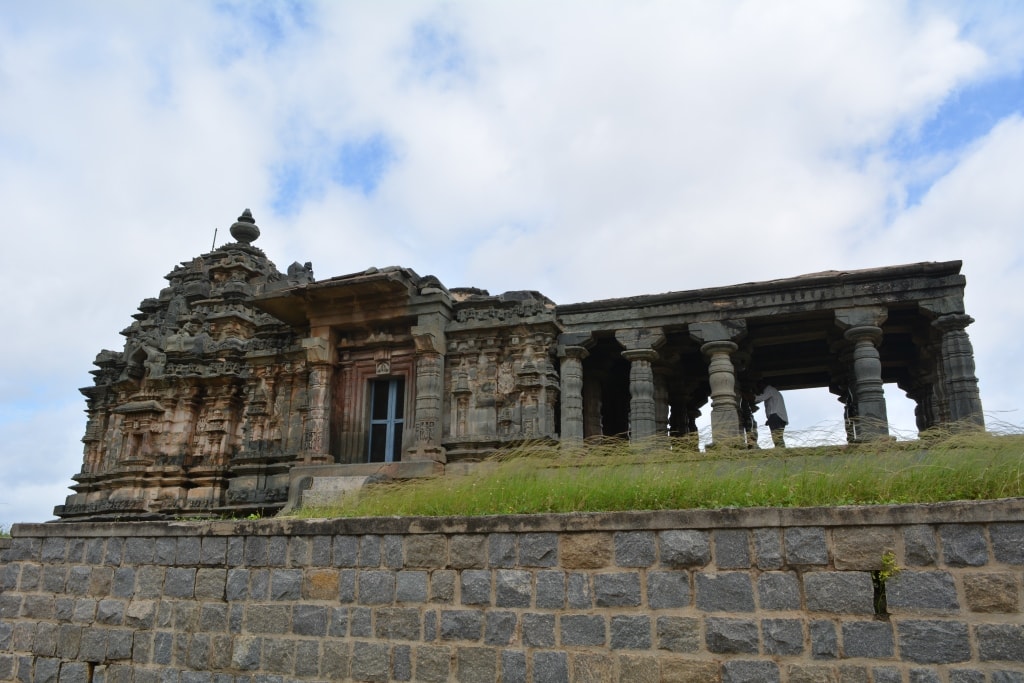
Kashi Vishweswara was built in 11th century. There are two temples of Shiva & Surya on single platform (Dwikuta temples). Both the temples are intricately carved on the outer walls, doors, pillars and lintels. There are many layers of carvings on the doors. The Shiva temple is the main one, it has a garbagriha, antarala and mandapa. Like other temples, even here the lintel has Gajalakshmi.
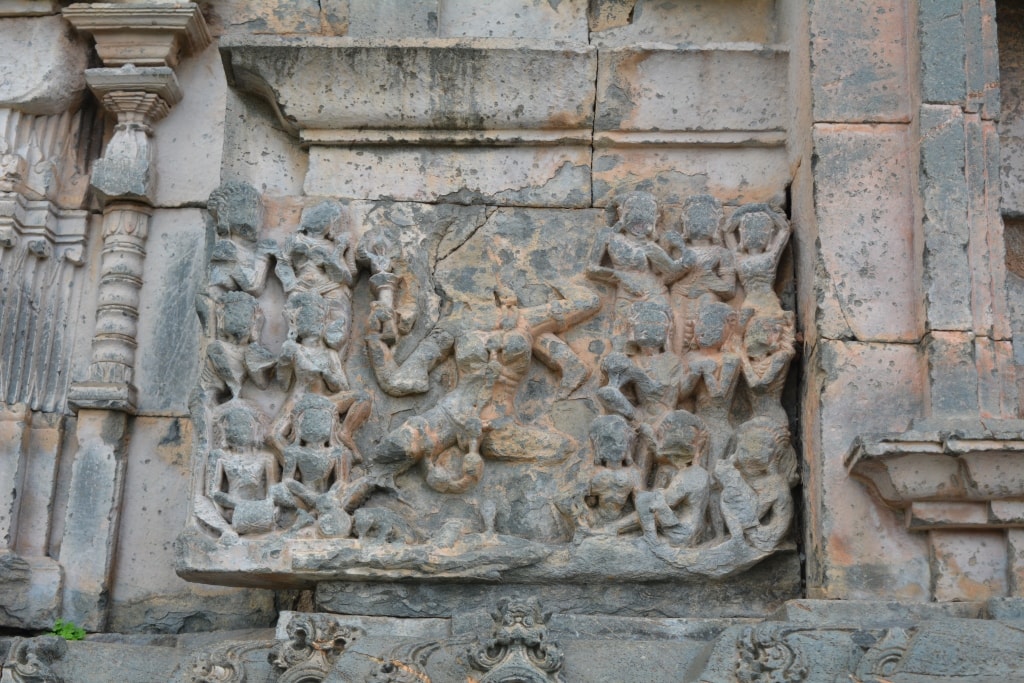
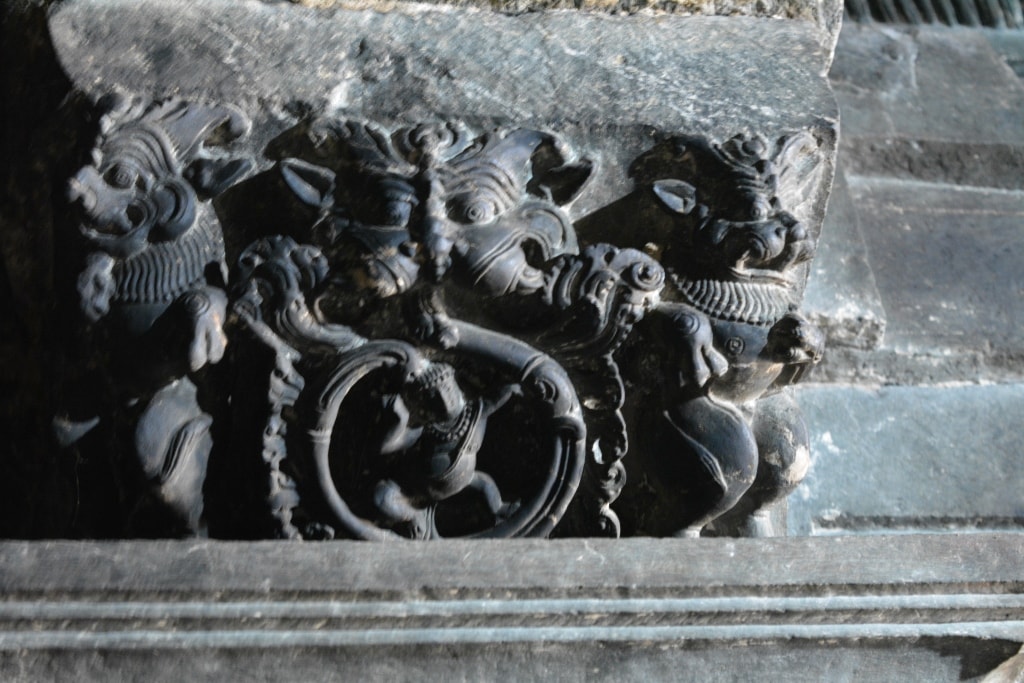
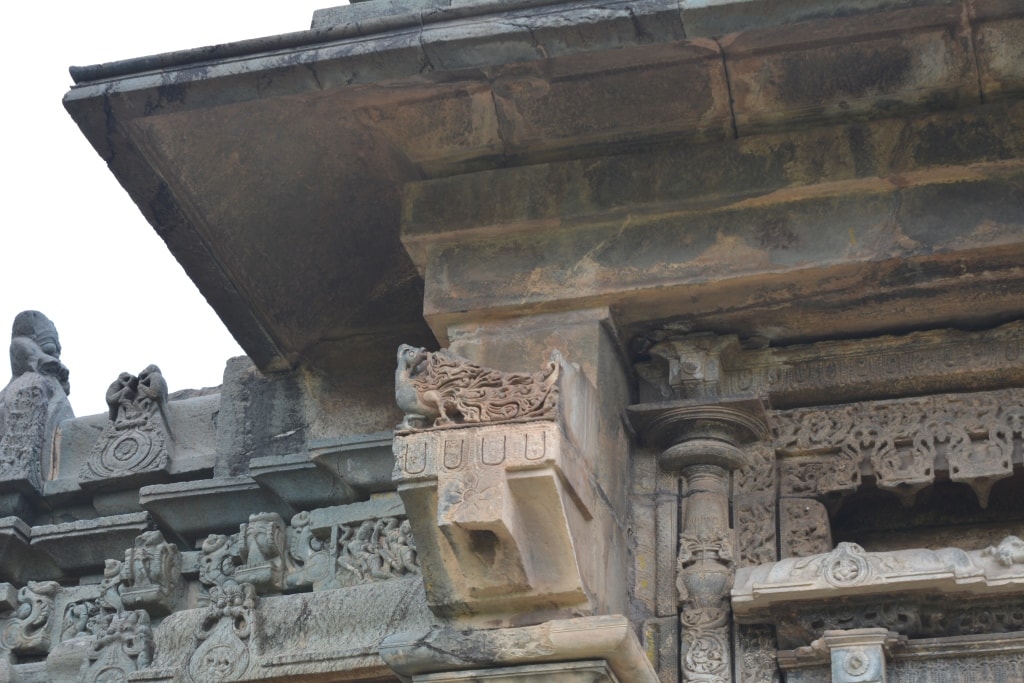


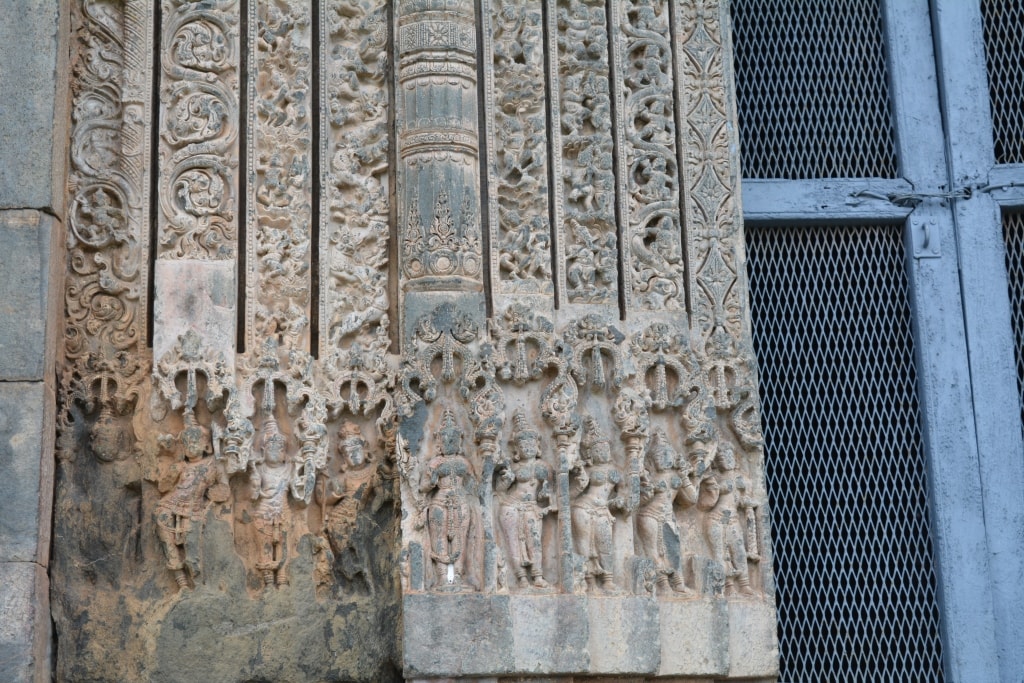


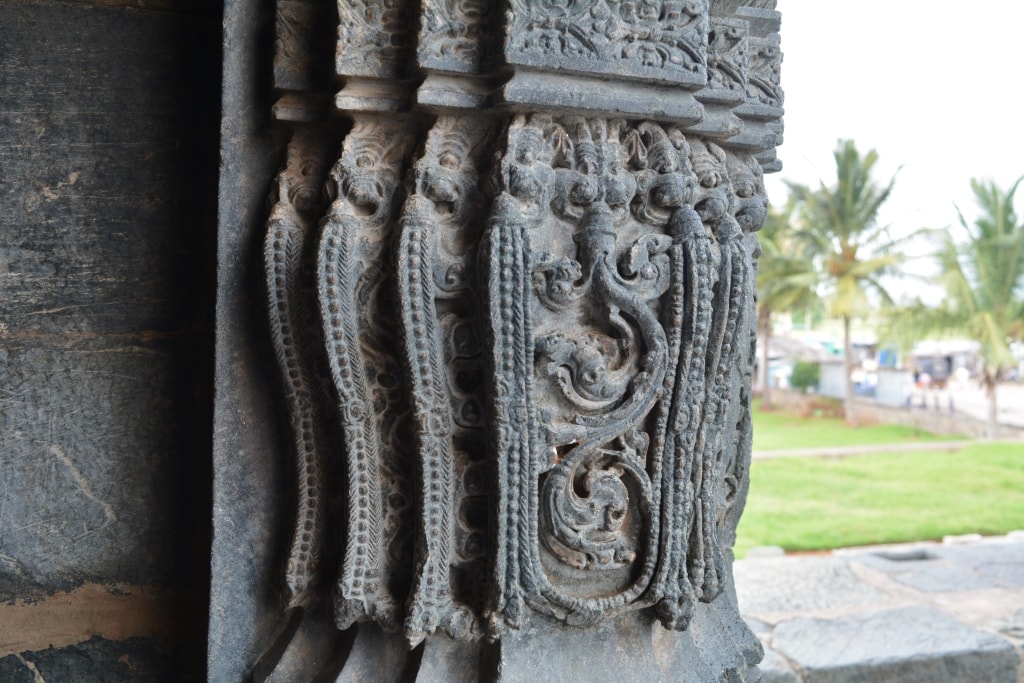
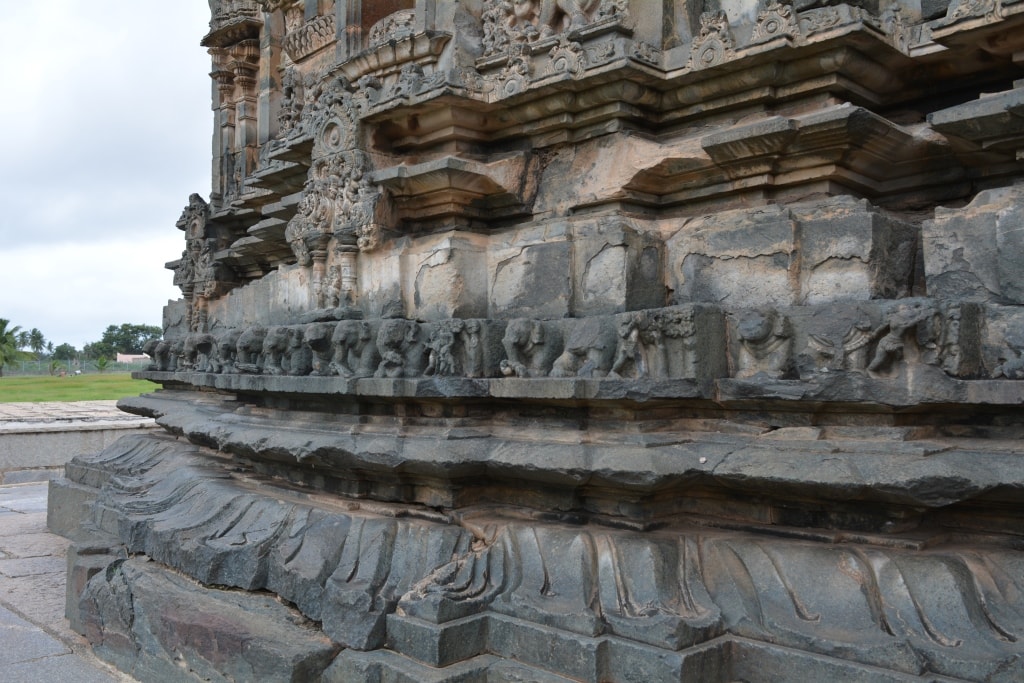
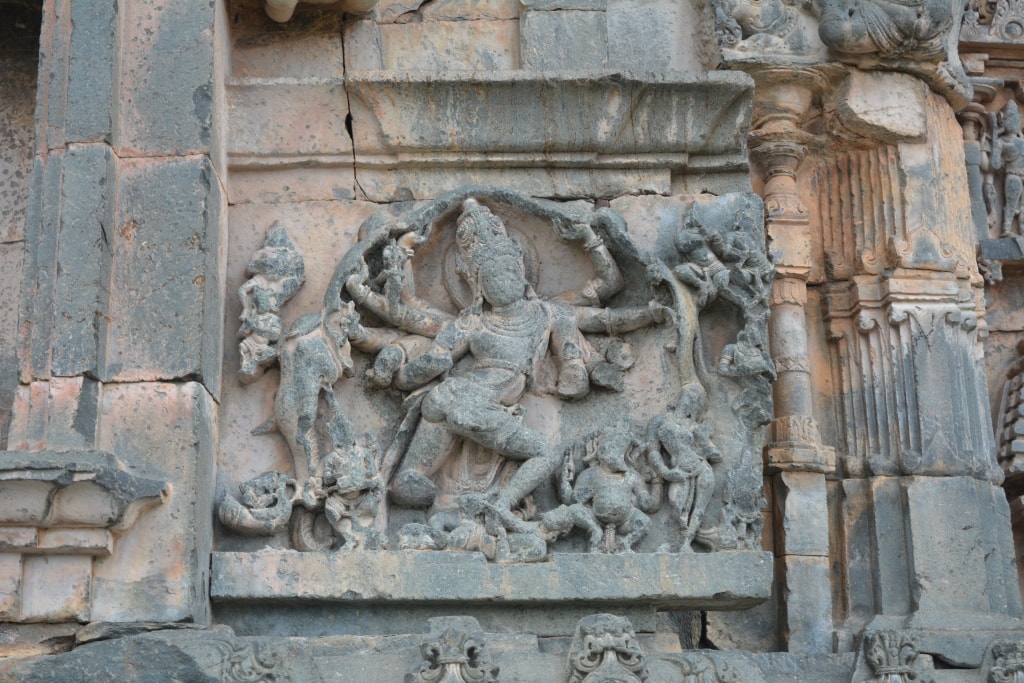
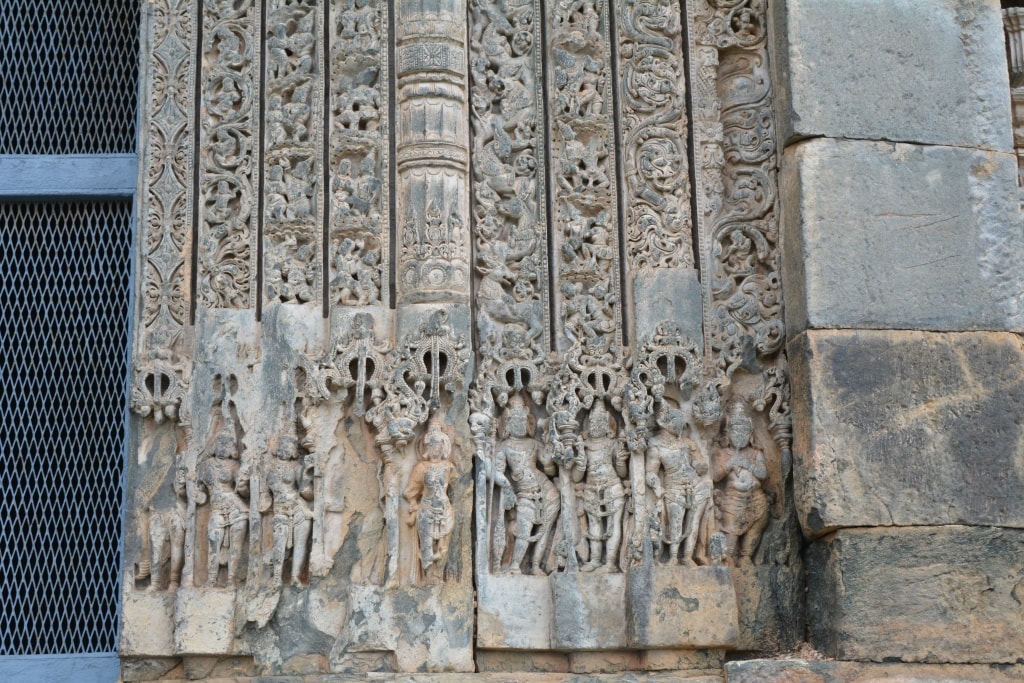
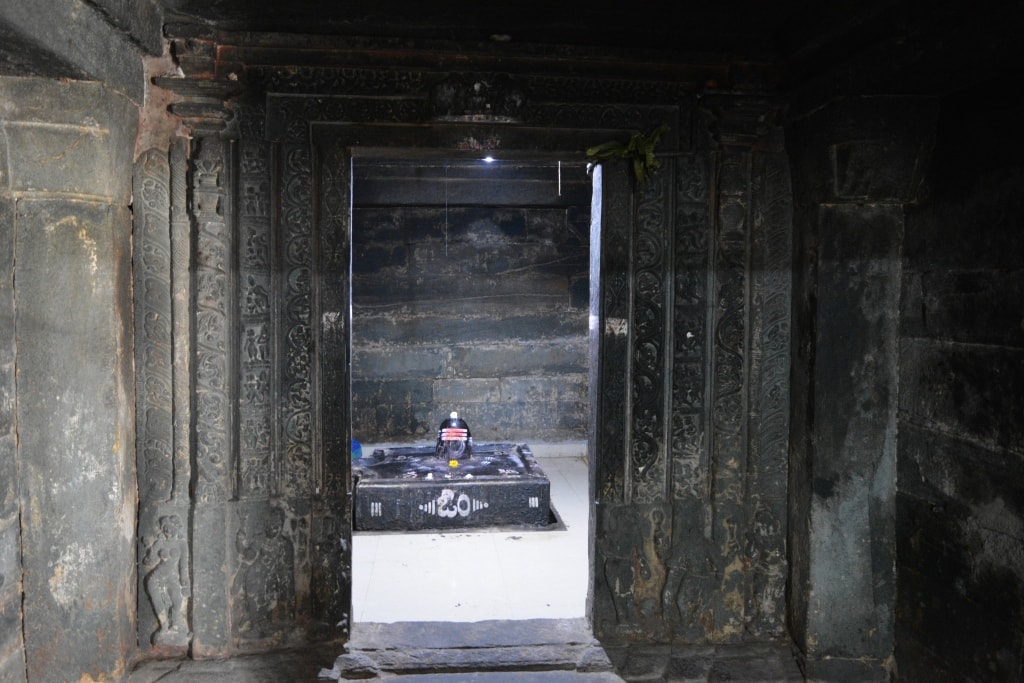


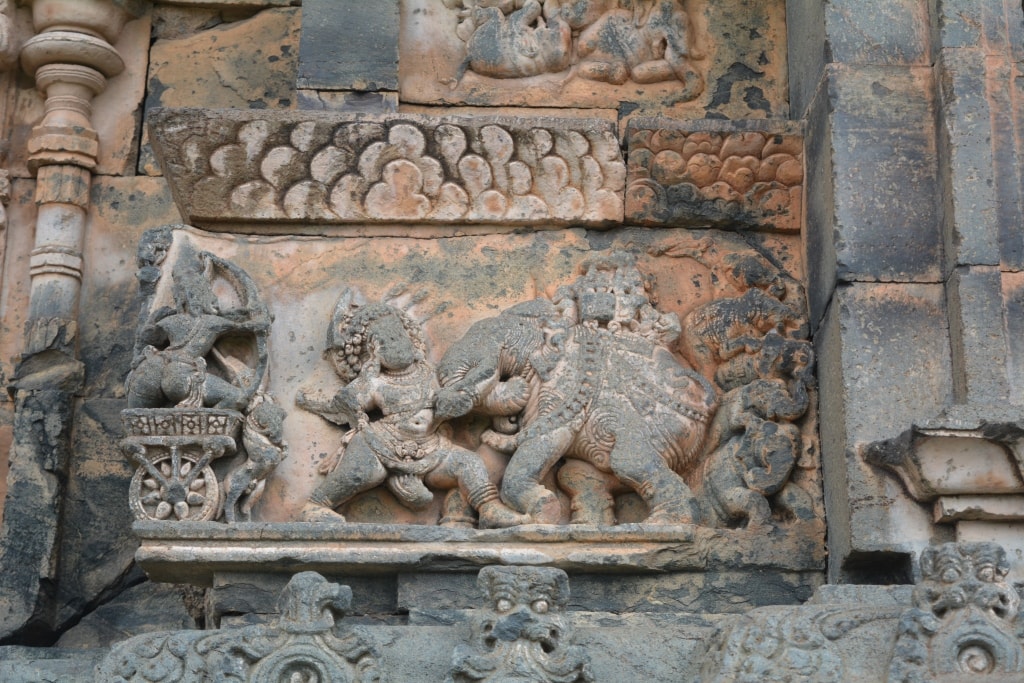
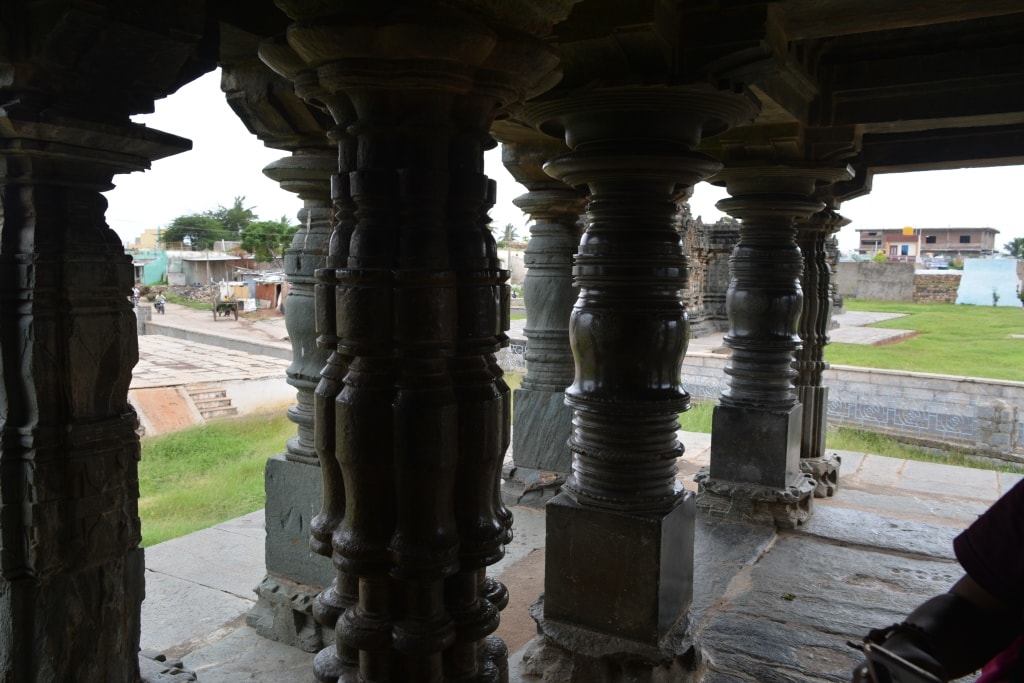
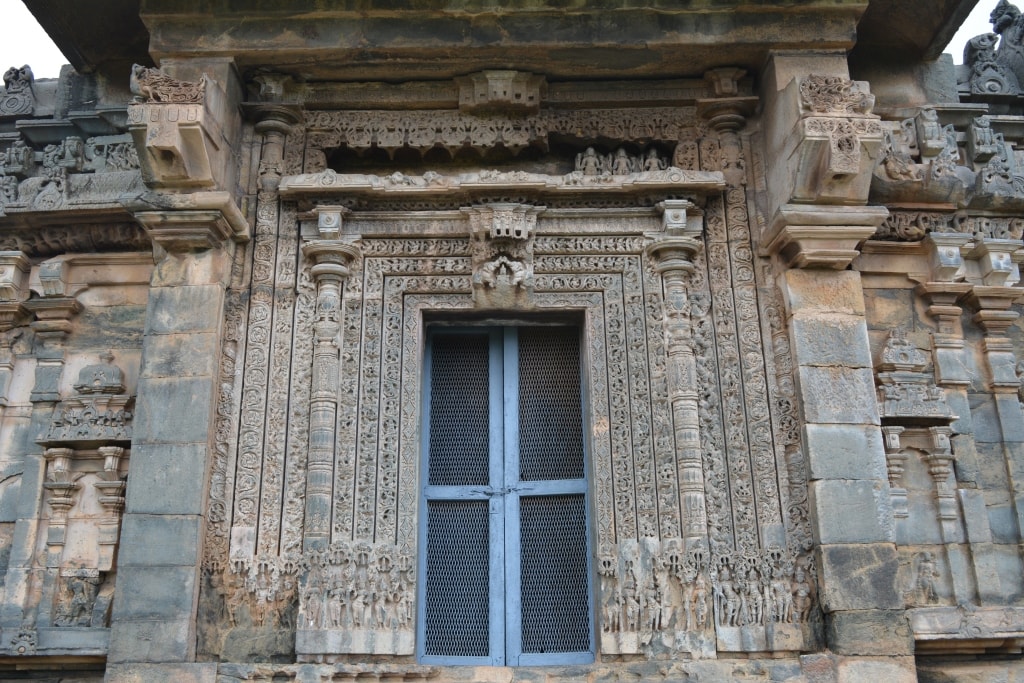

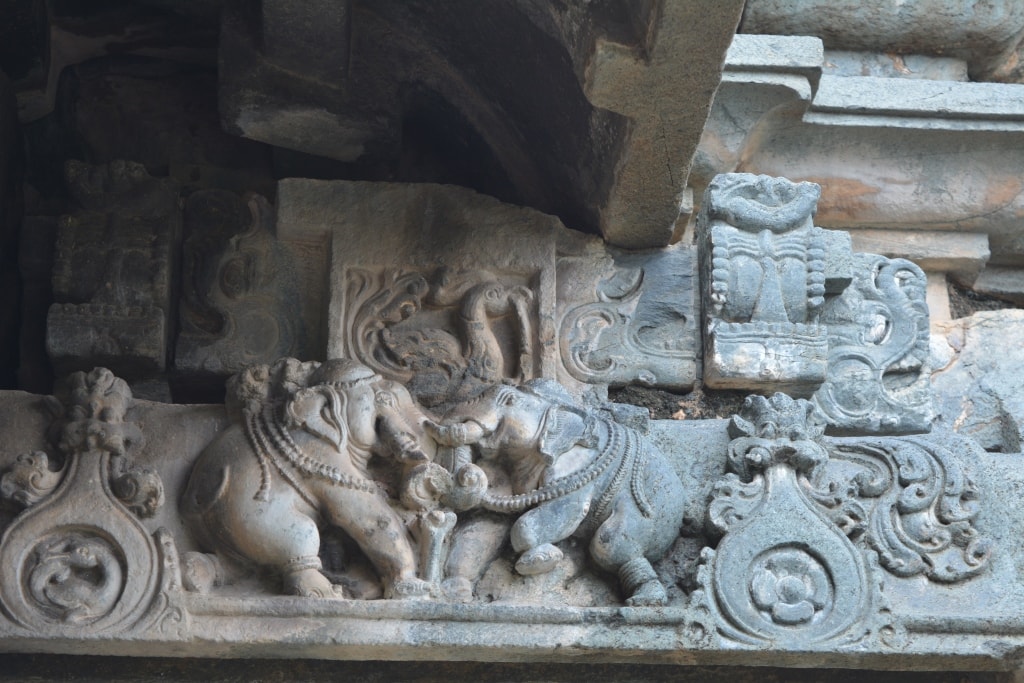
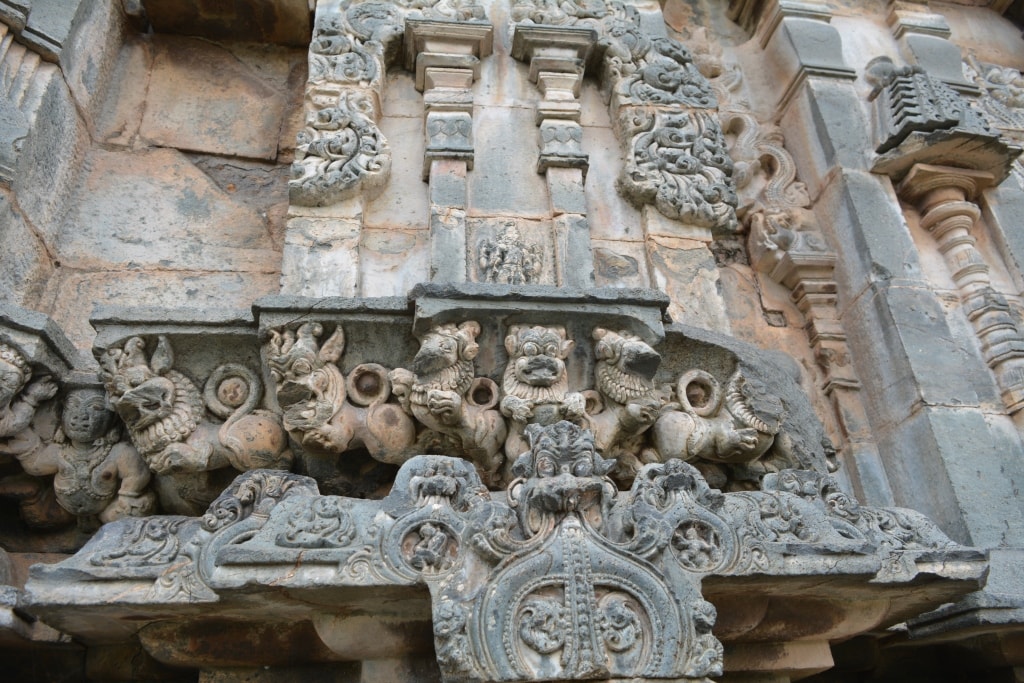
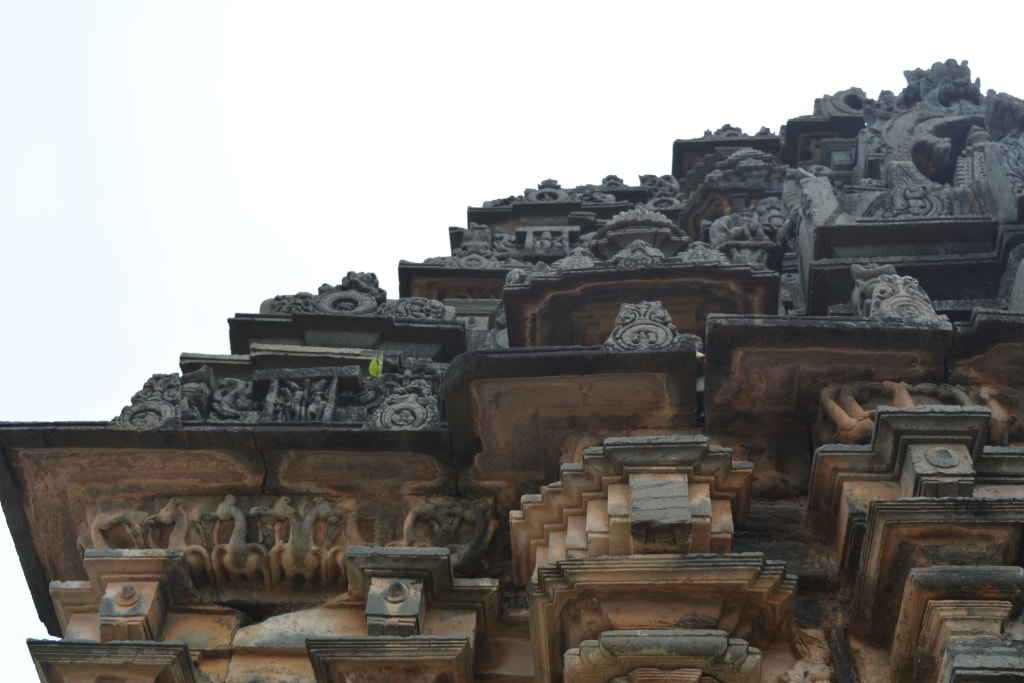
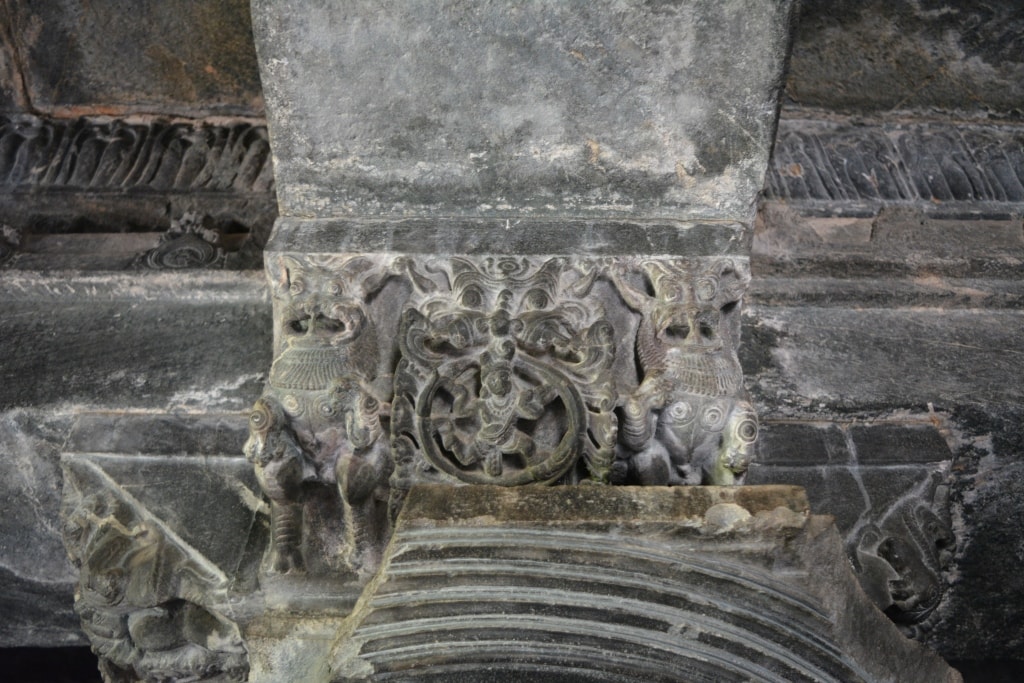

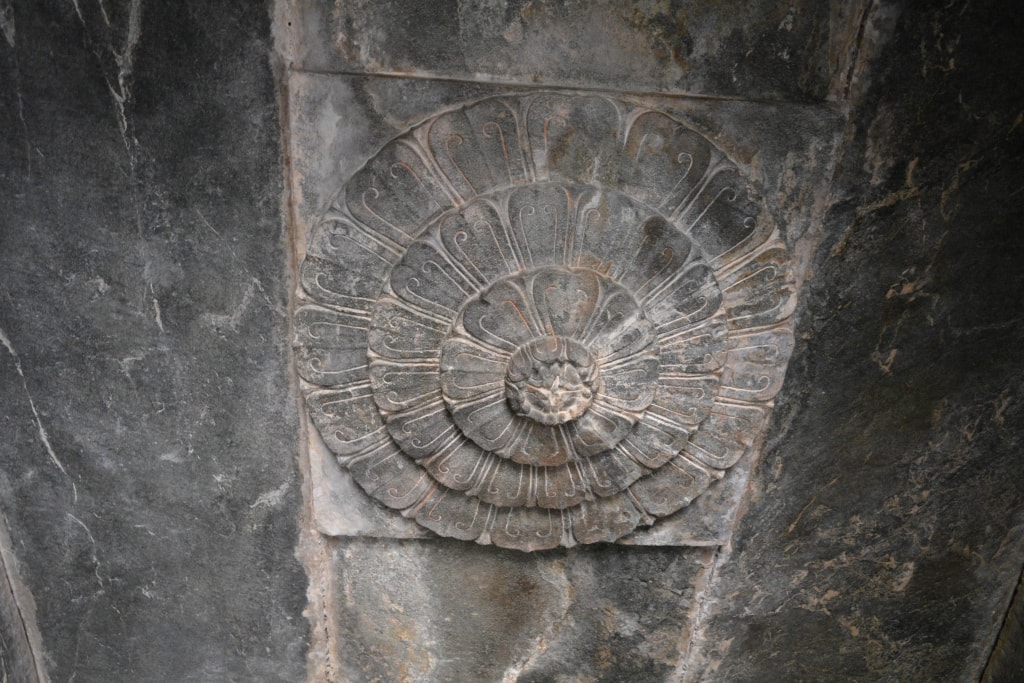
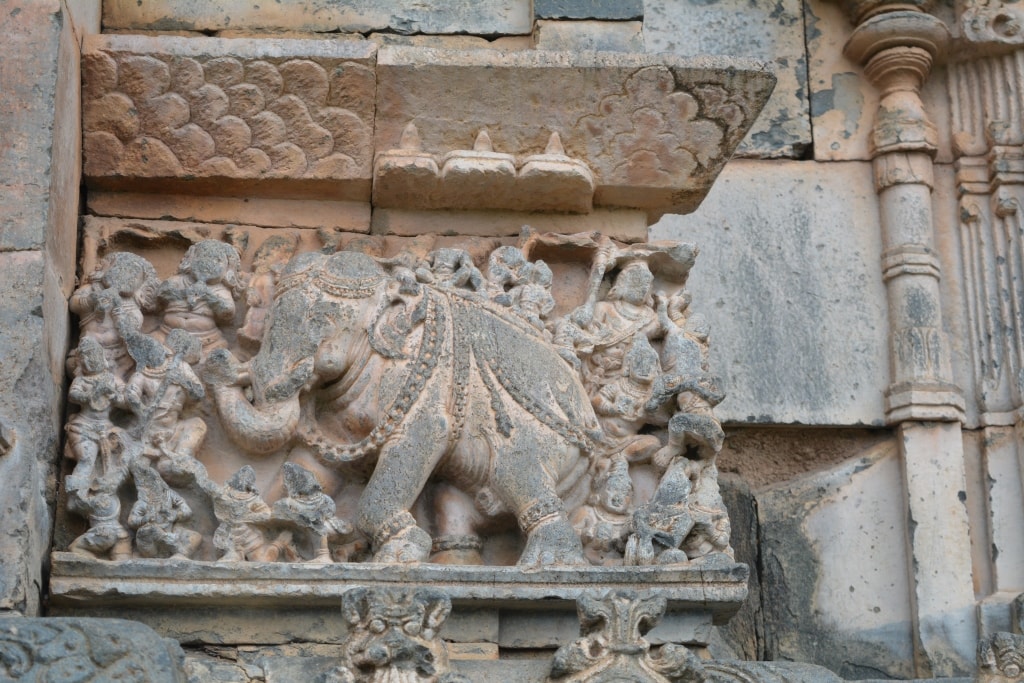
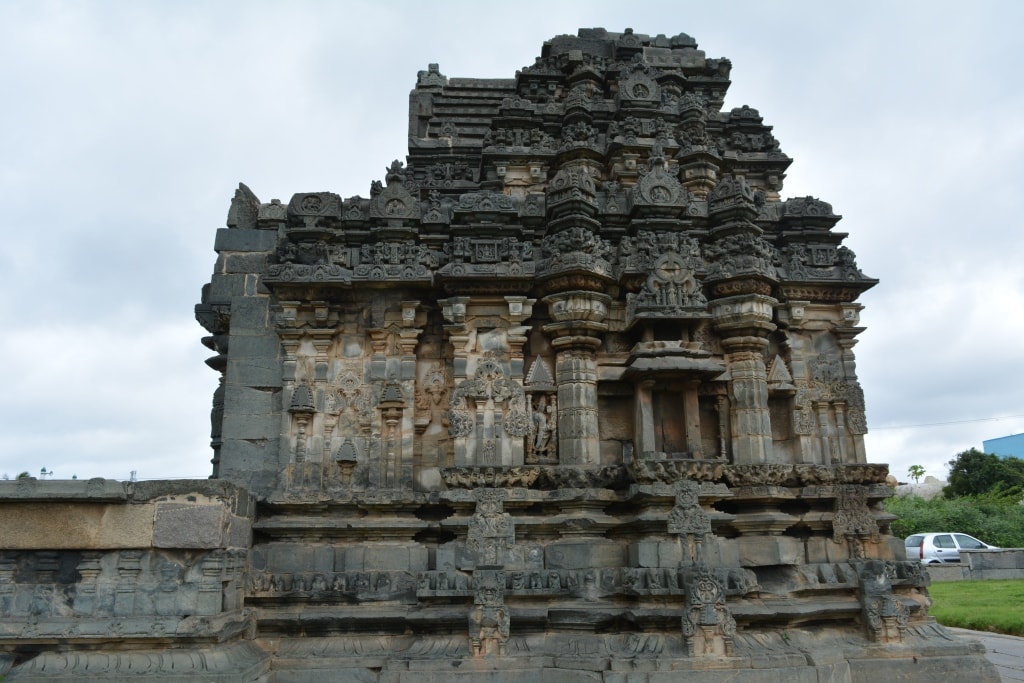
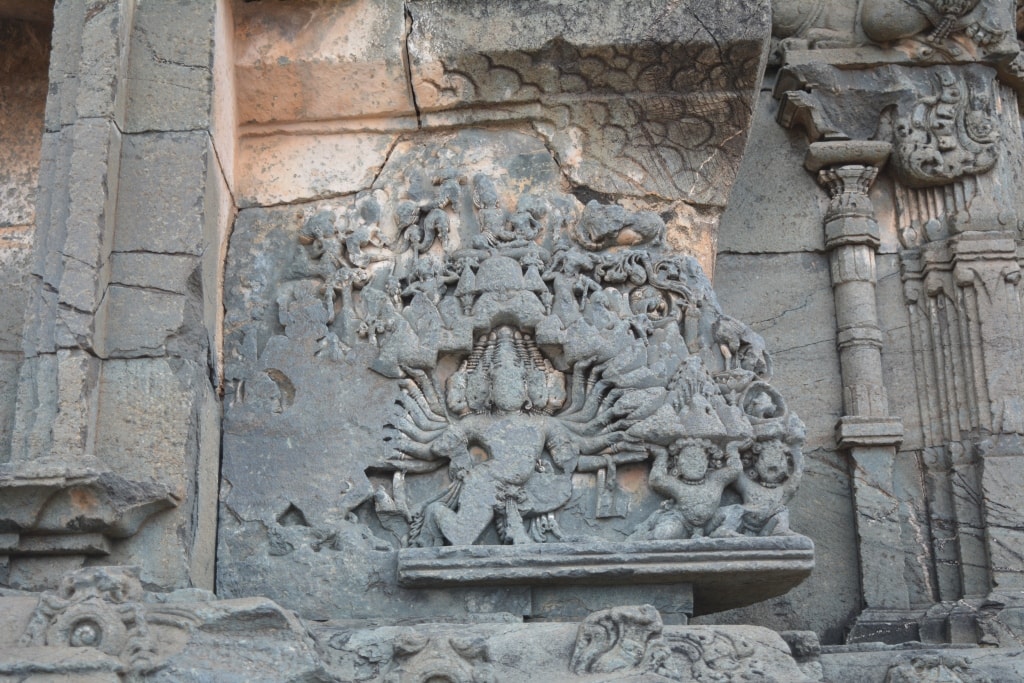
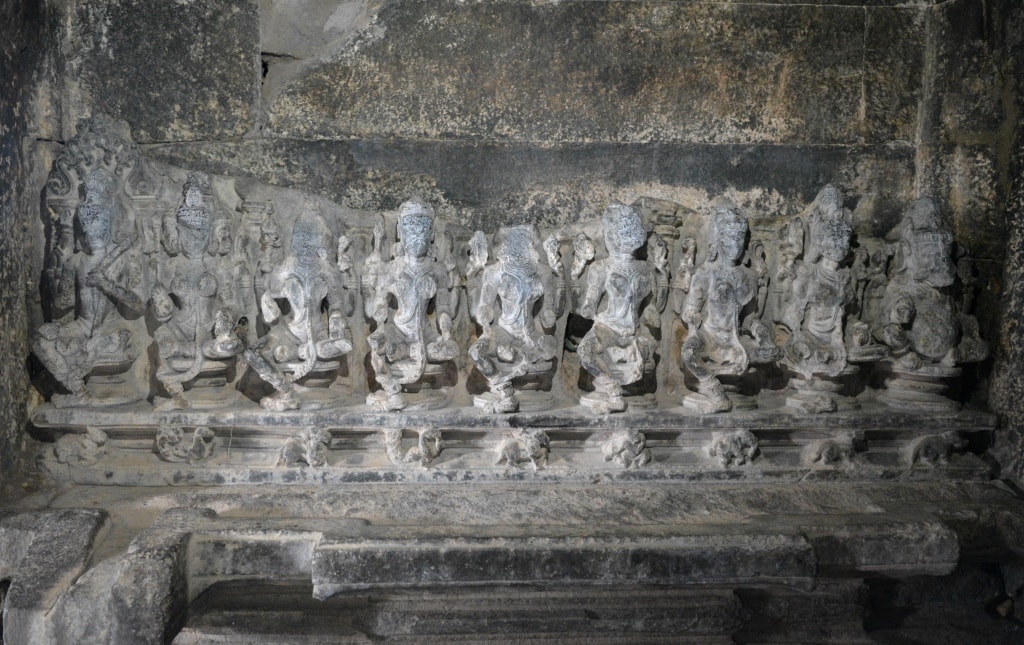
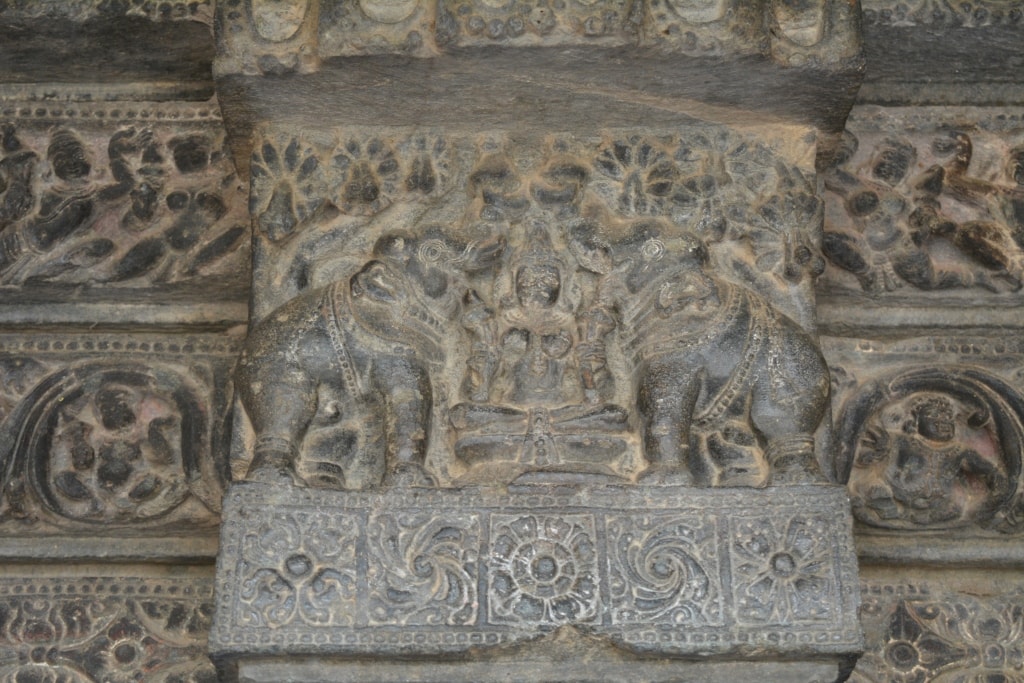
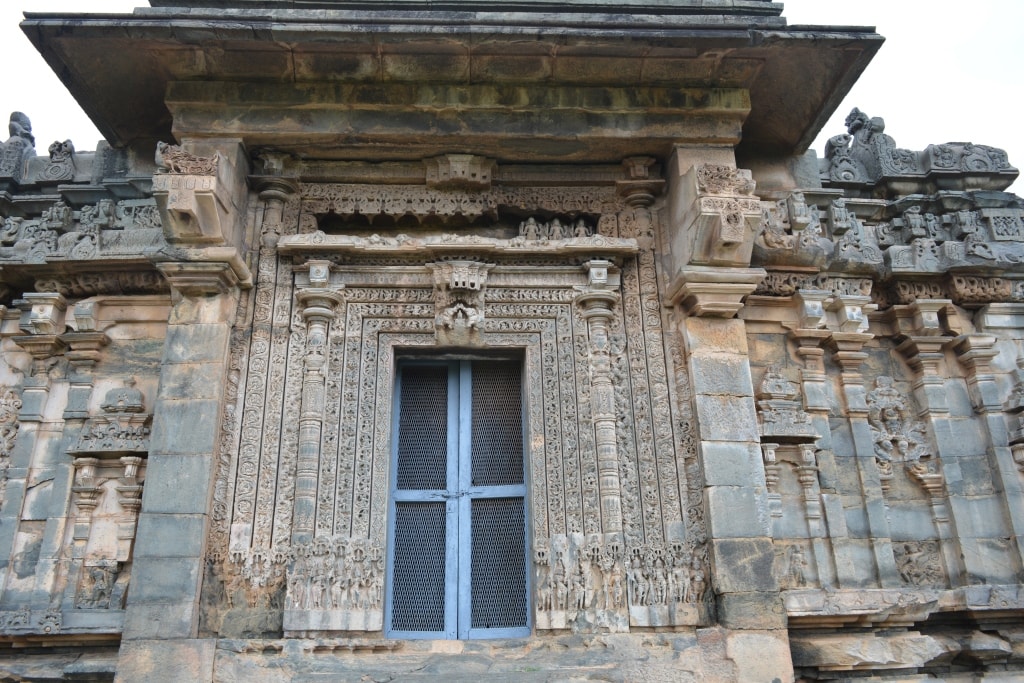

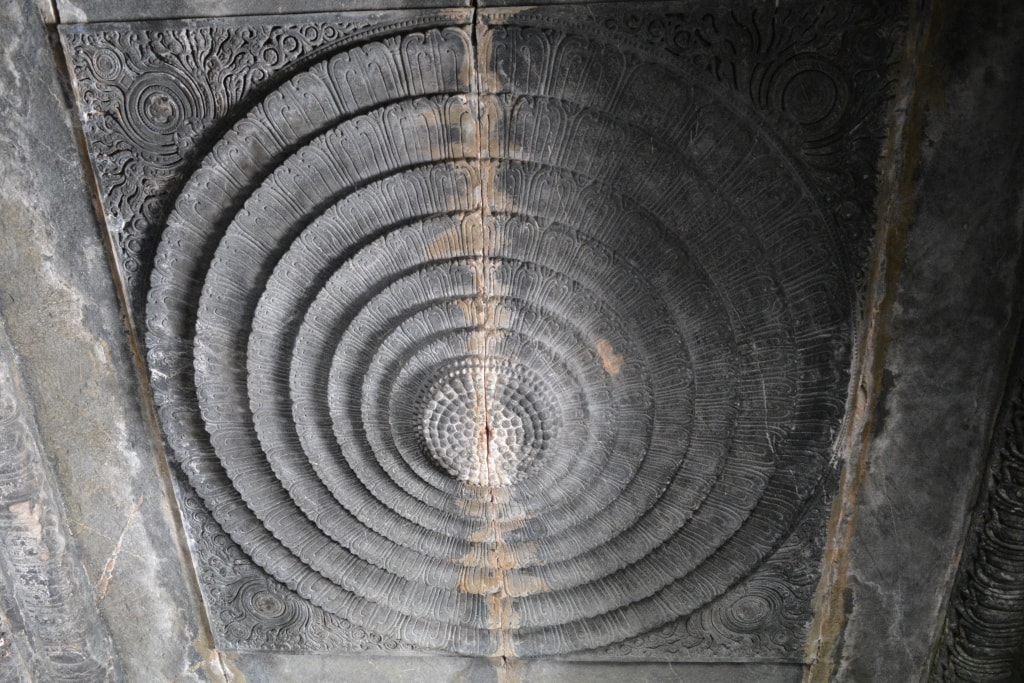
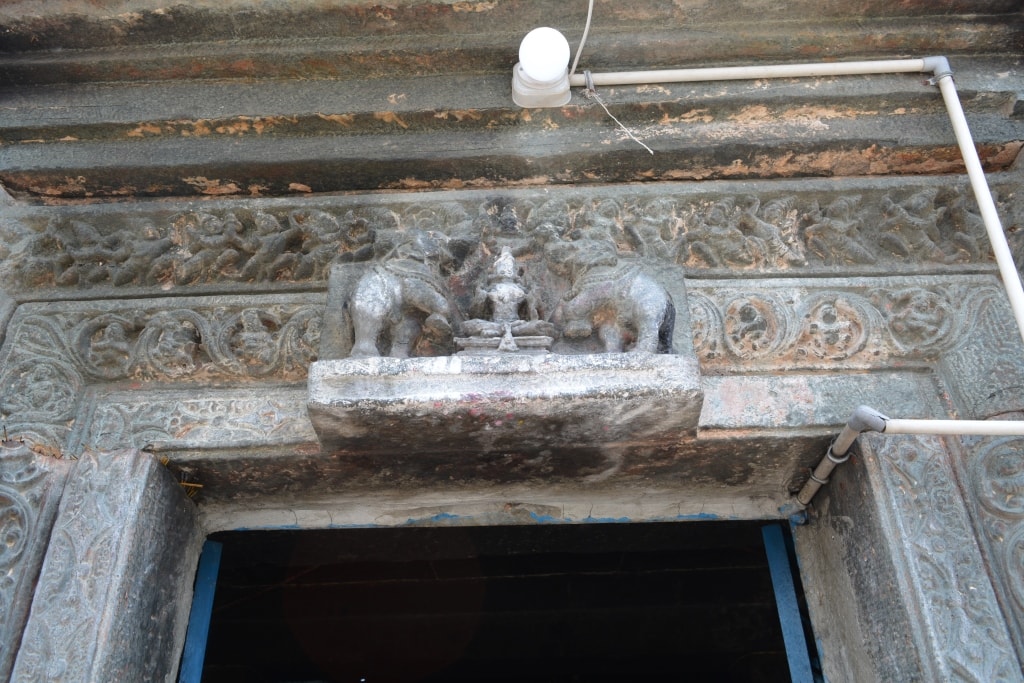
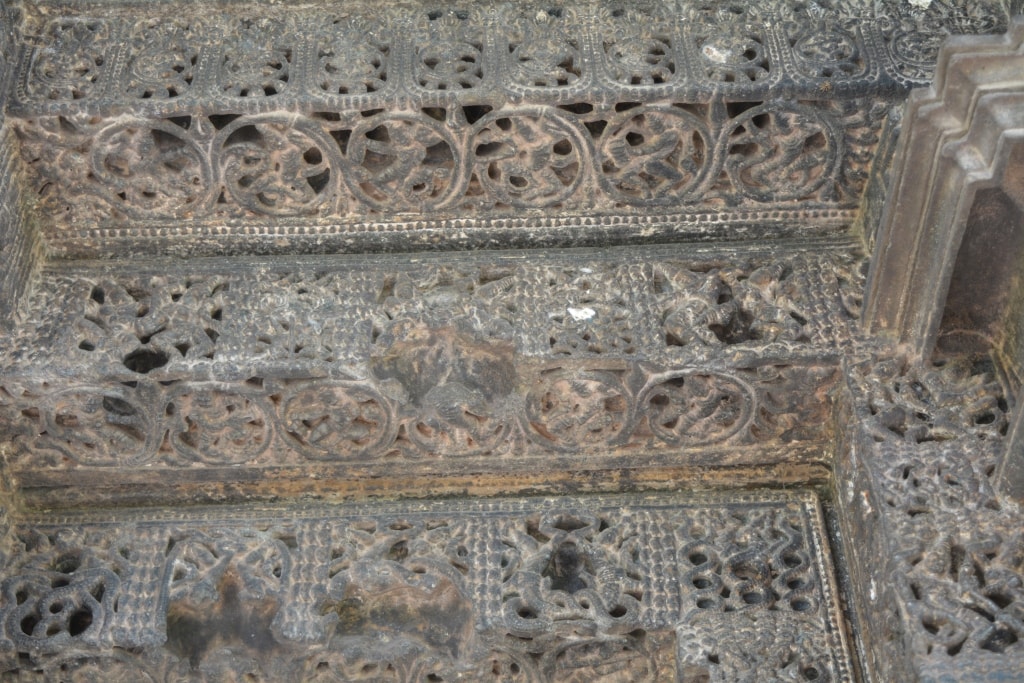

The door carvings has perforations carved so beautifully and still intact all these years, we were amazed at its creativity. There is saptamatrukhas and Ganesha on either side of antarala door. Shiva and Surya temple face each other.
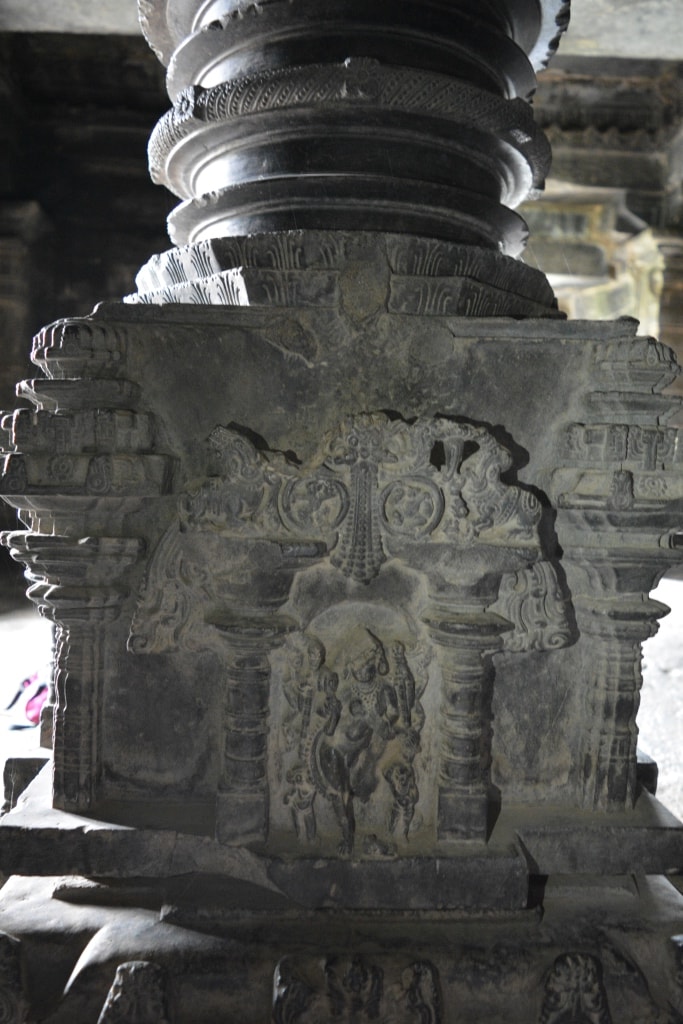
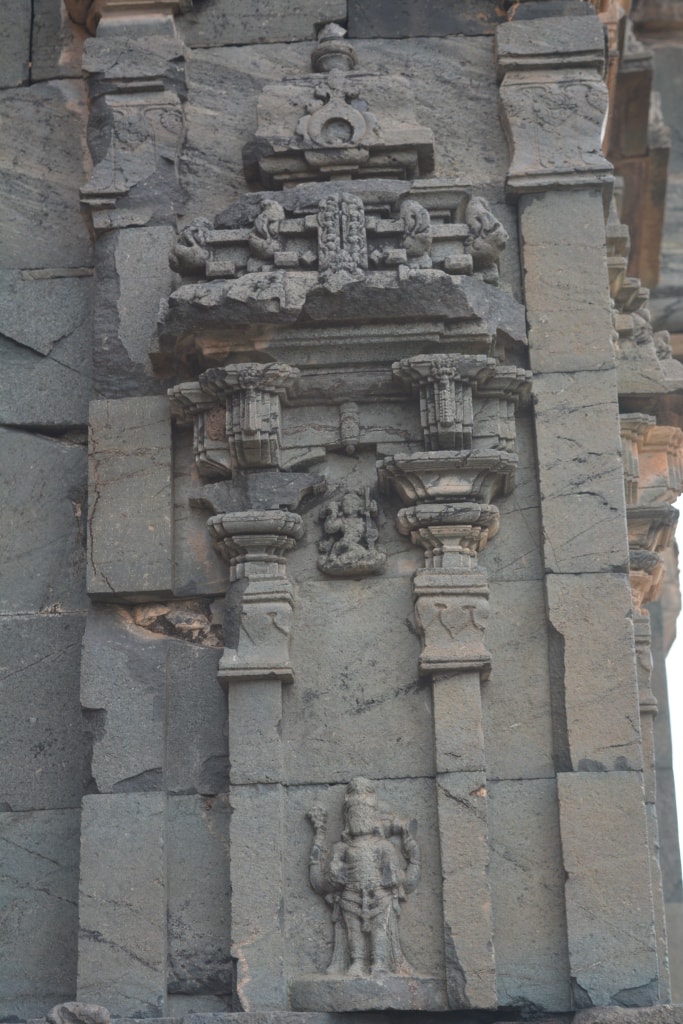
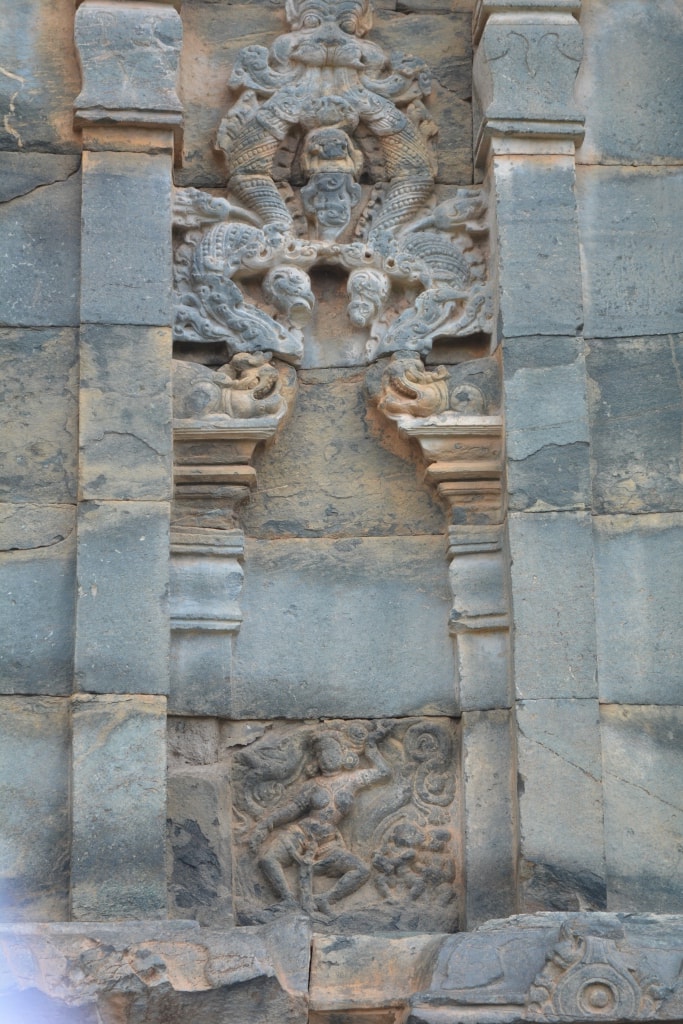
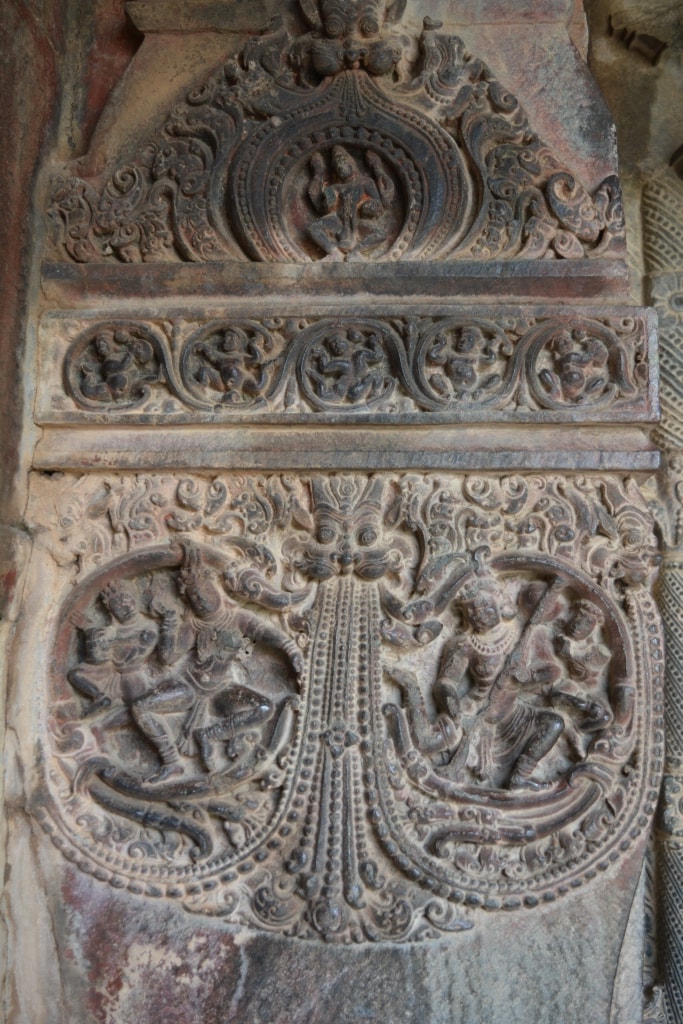

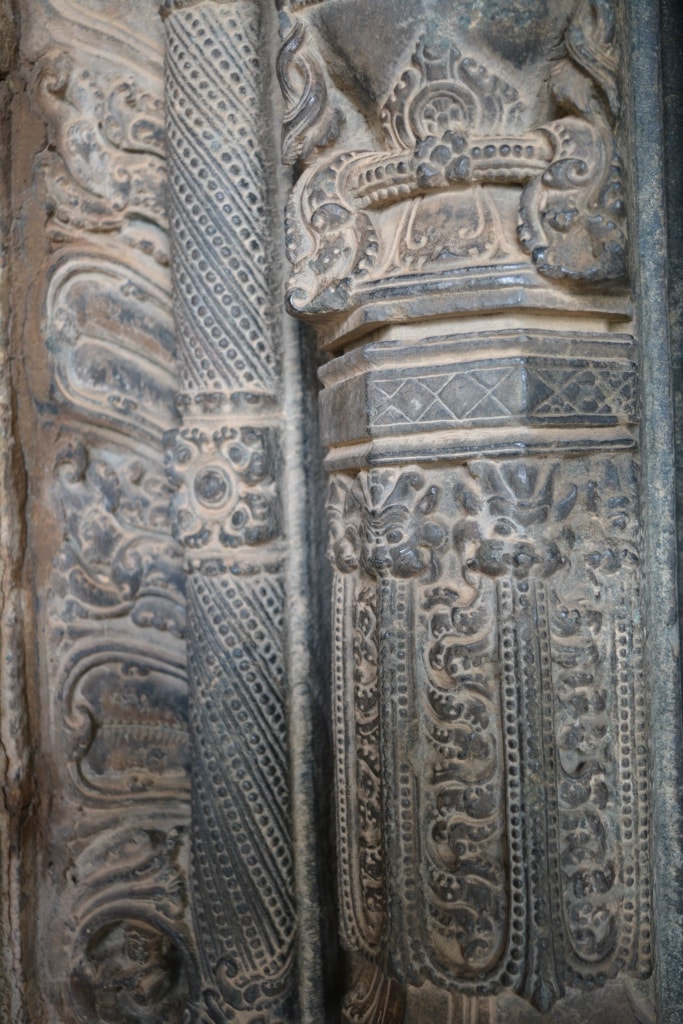
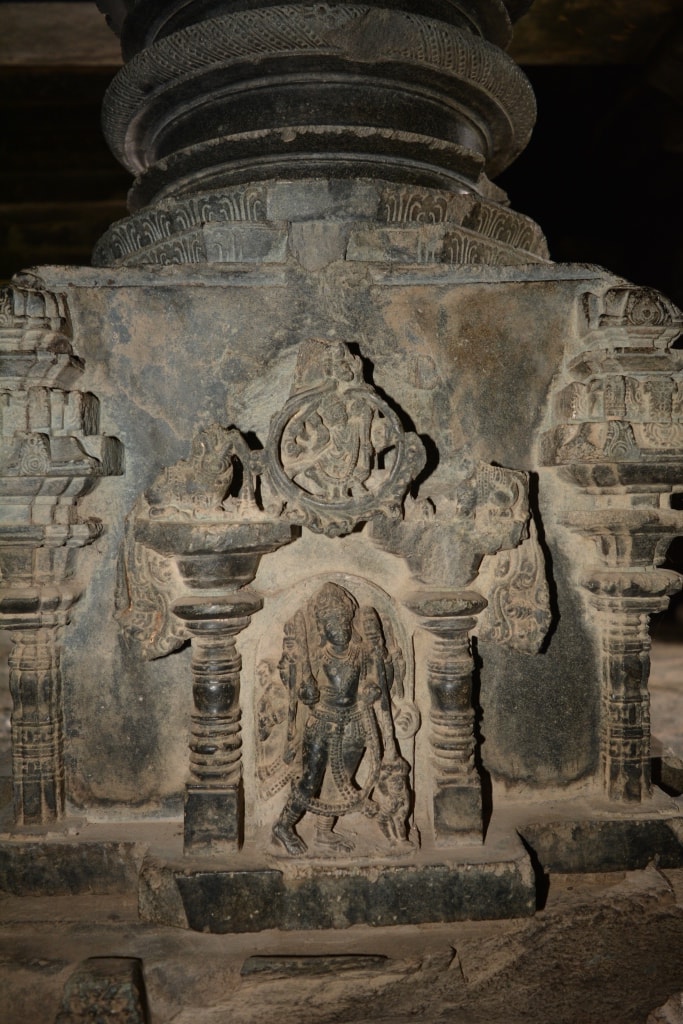
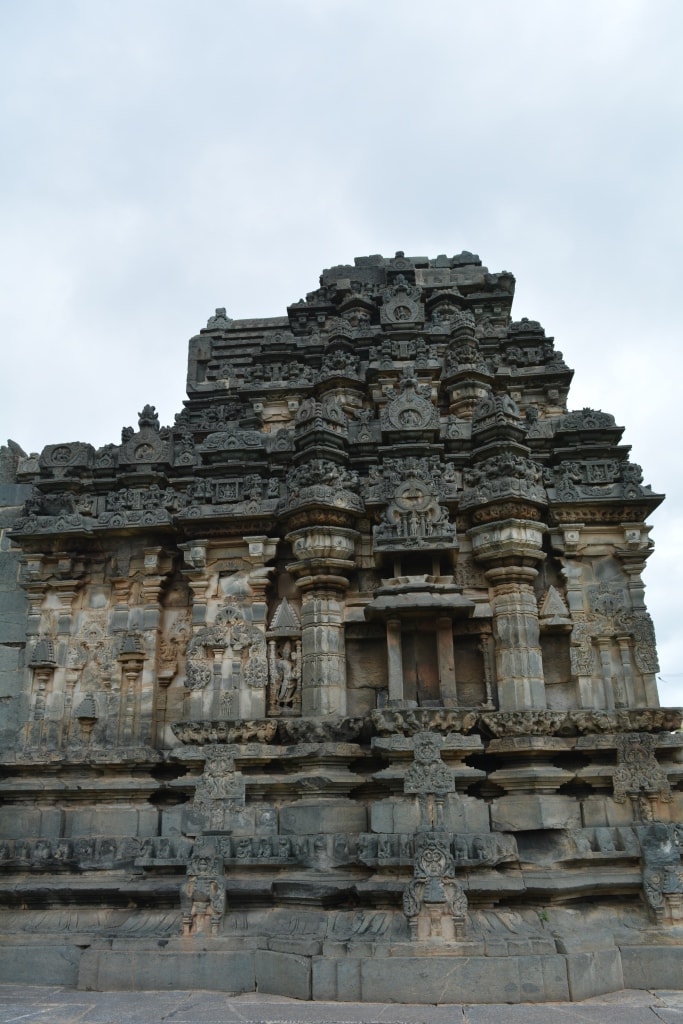
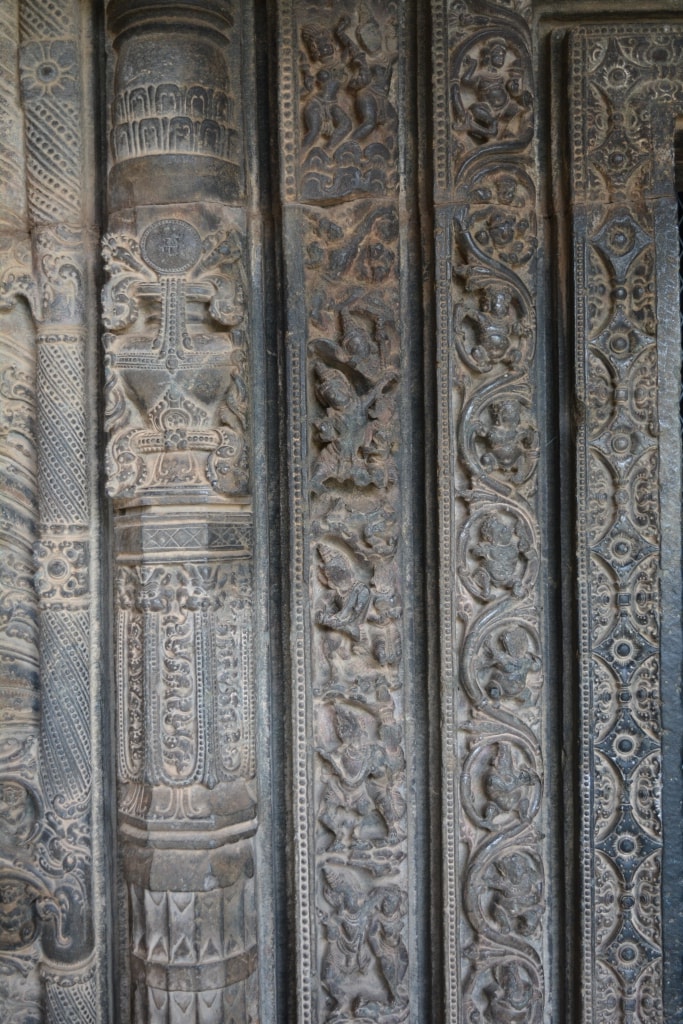
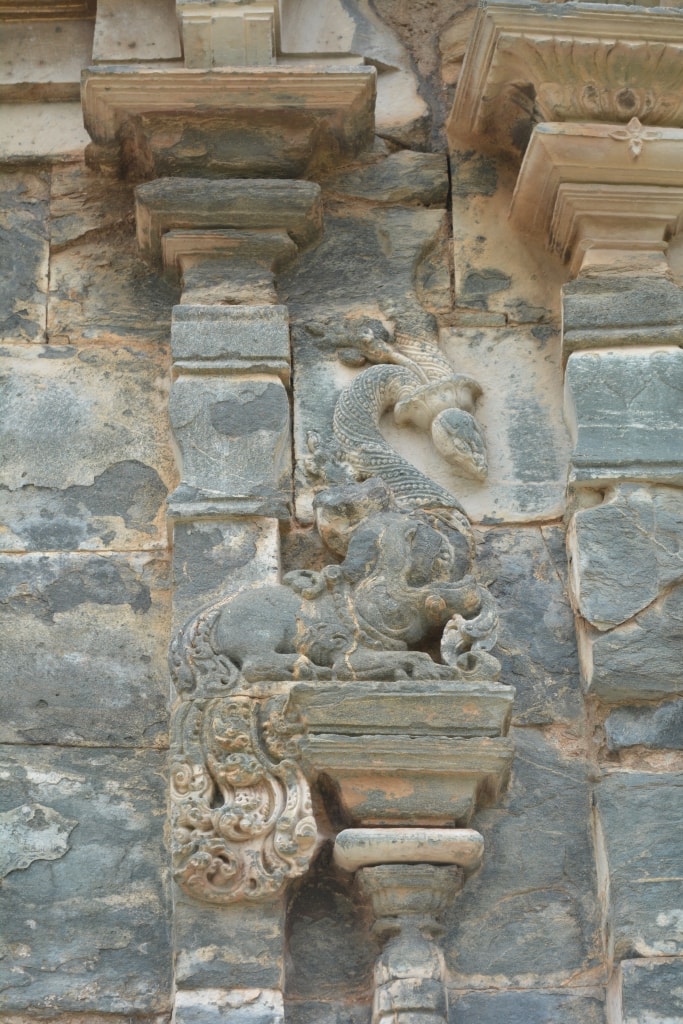
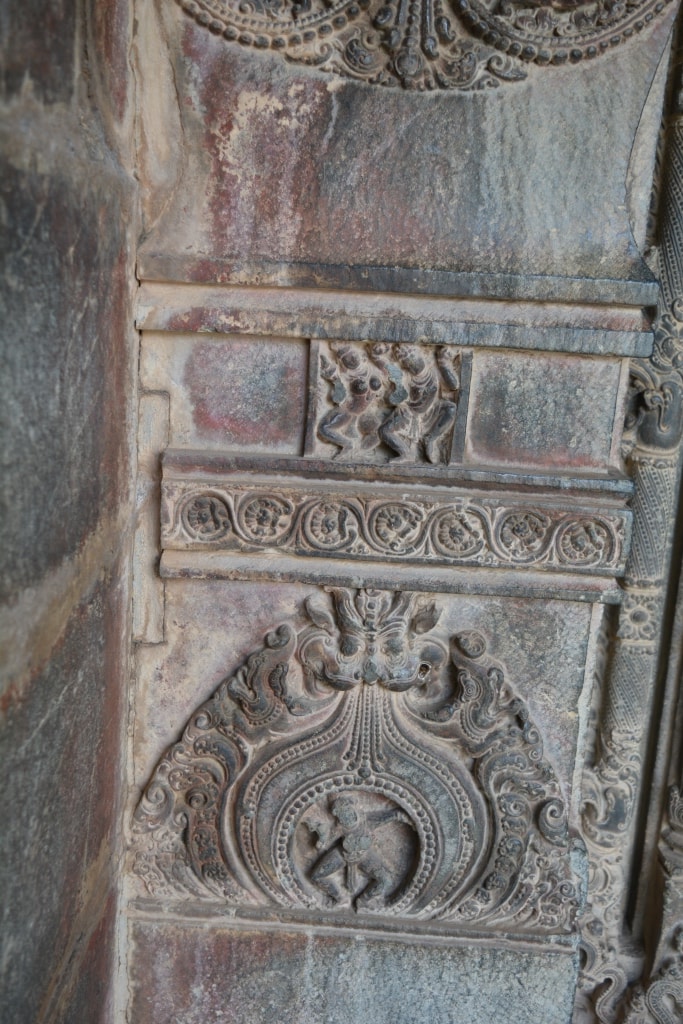

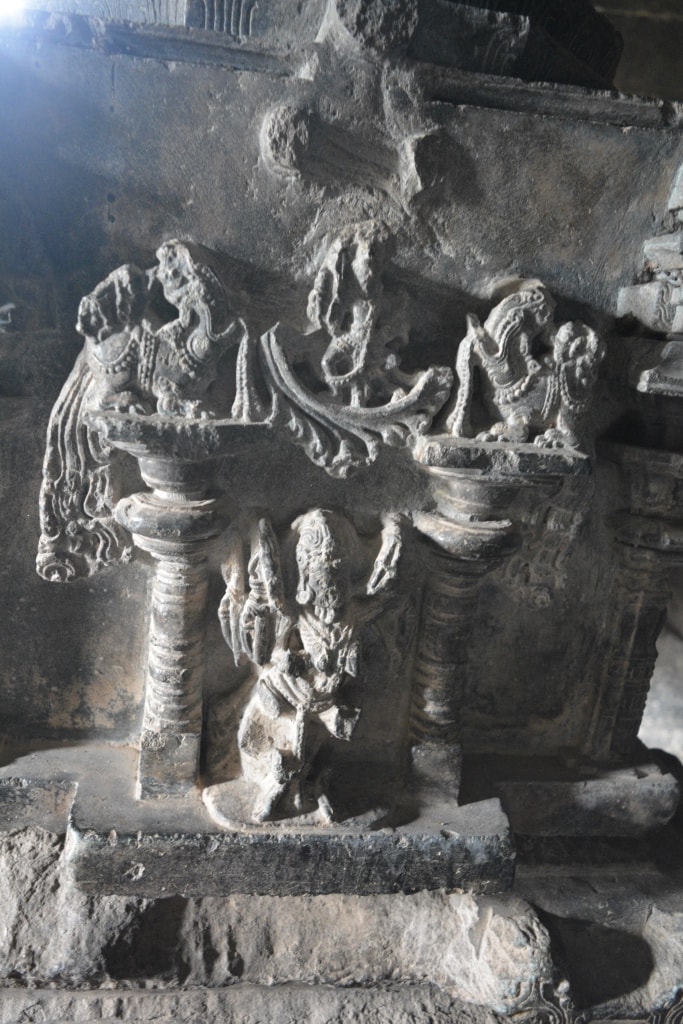
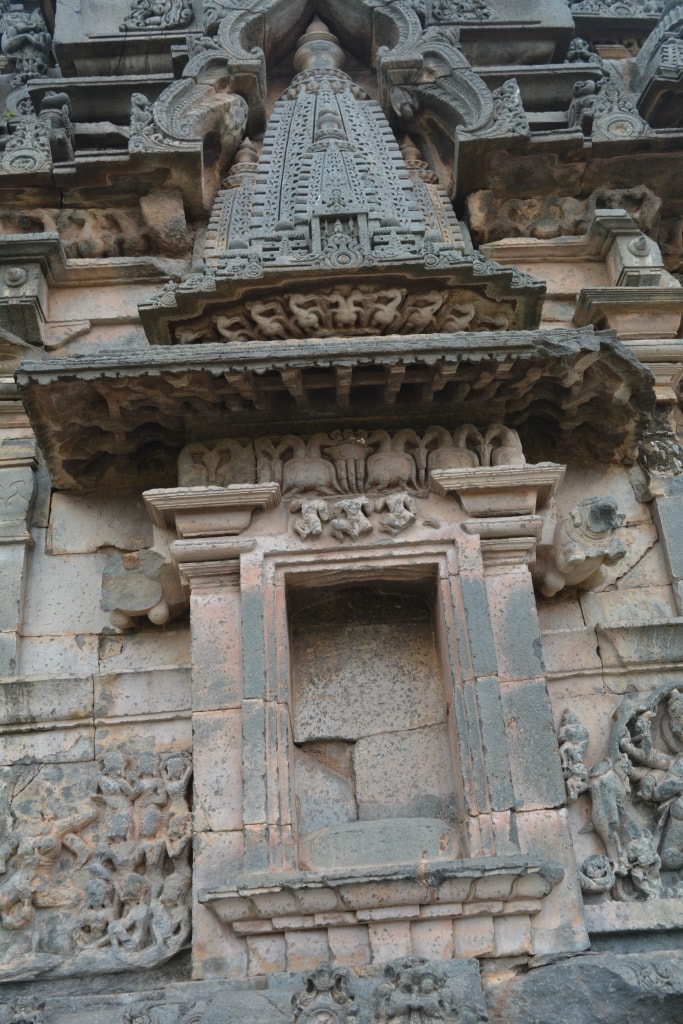
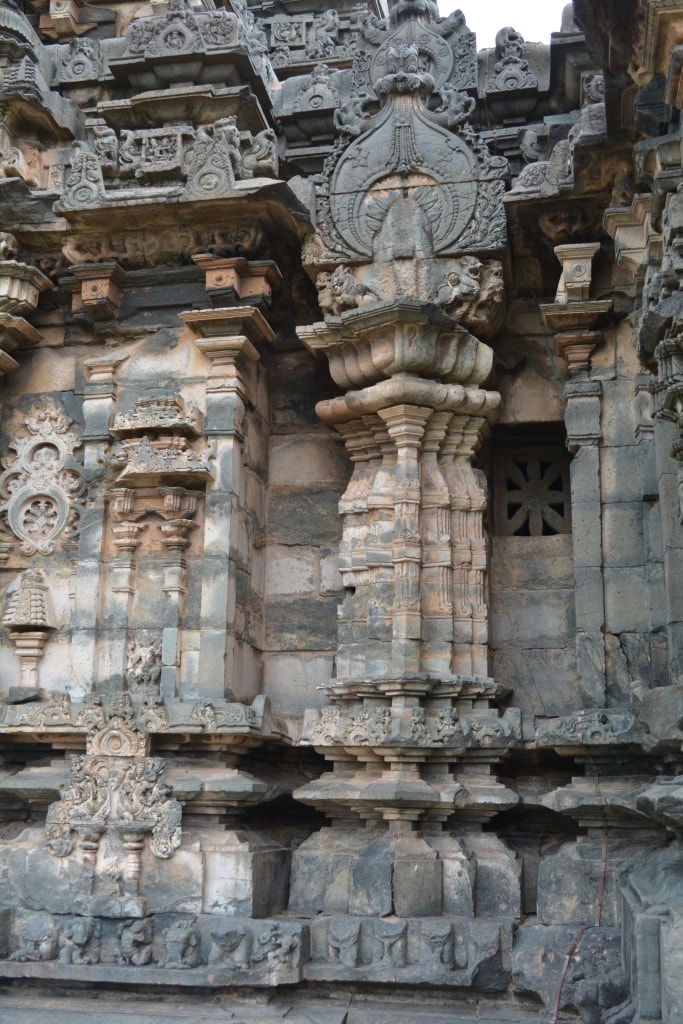
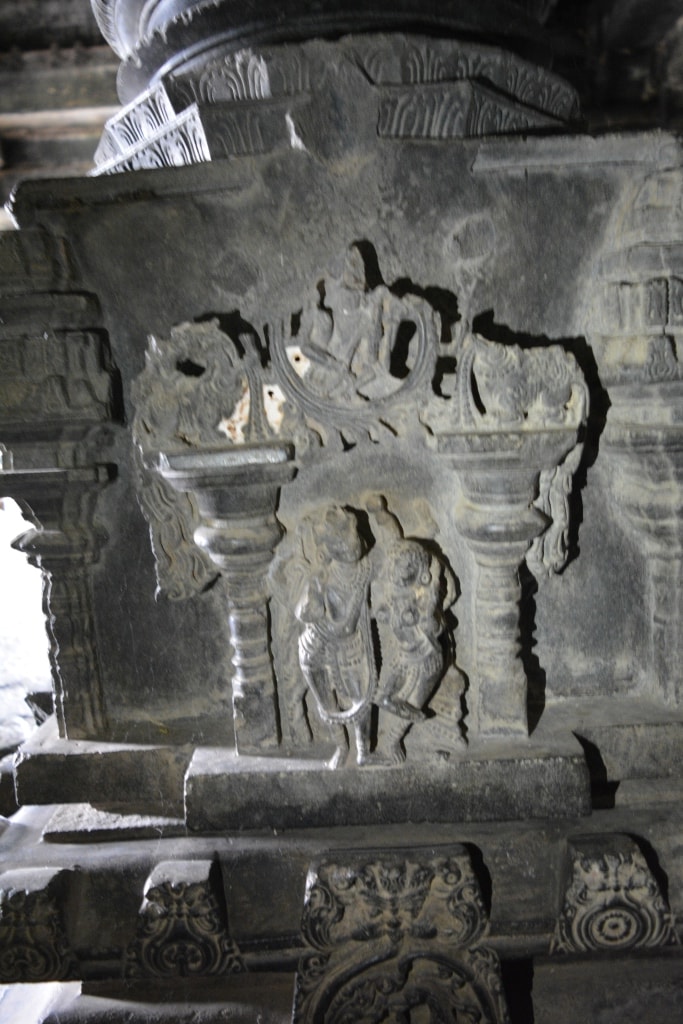
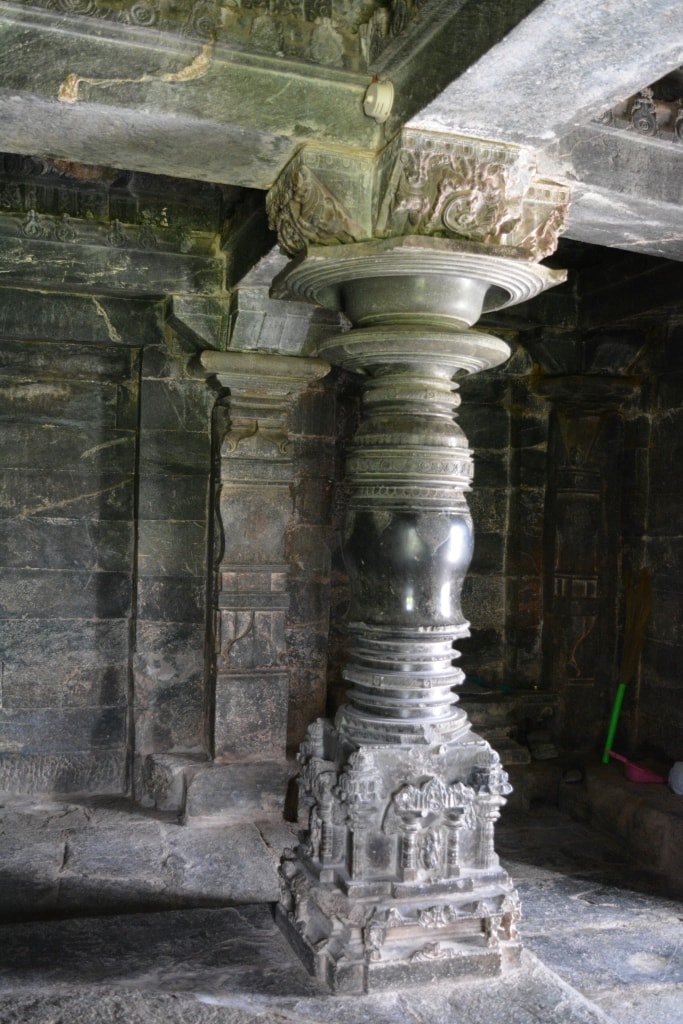

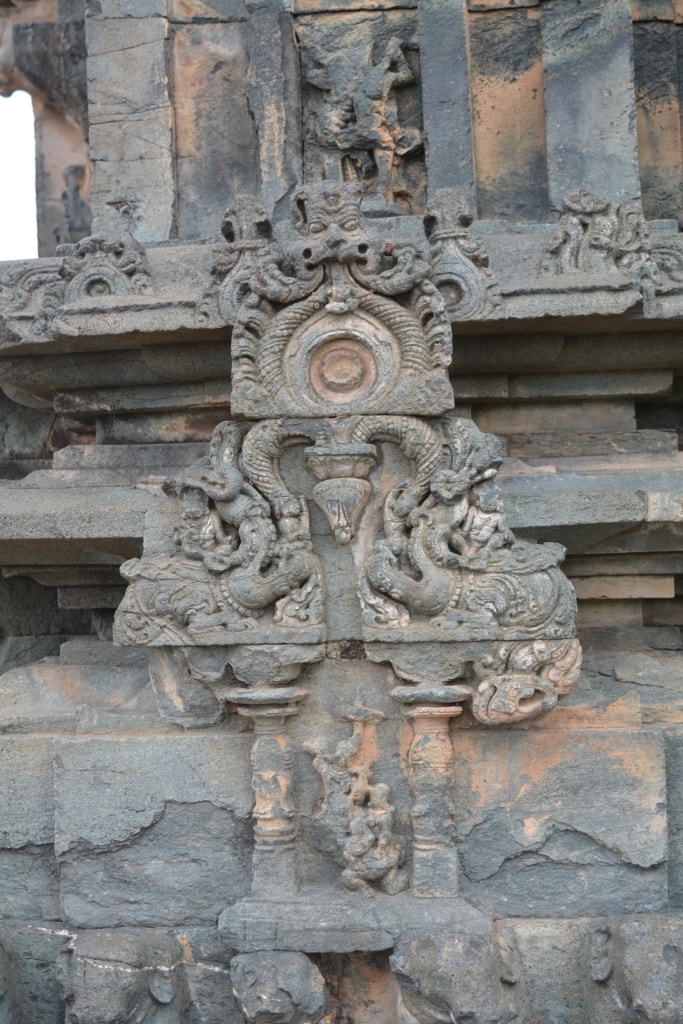
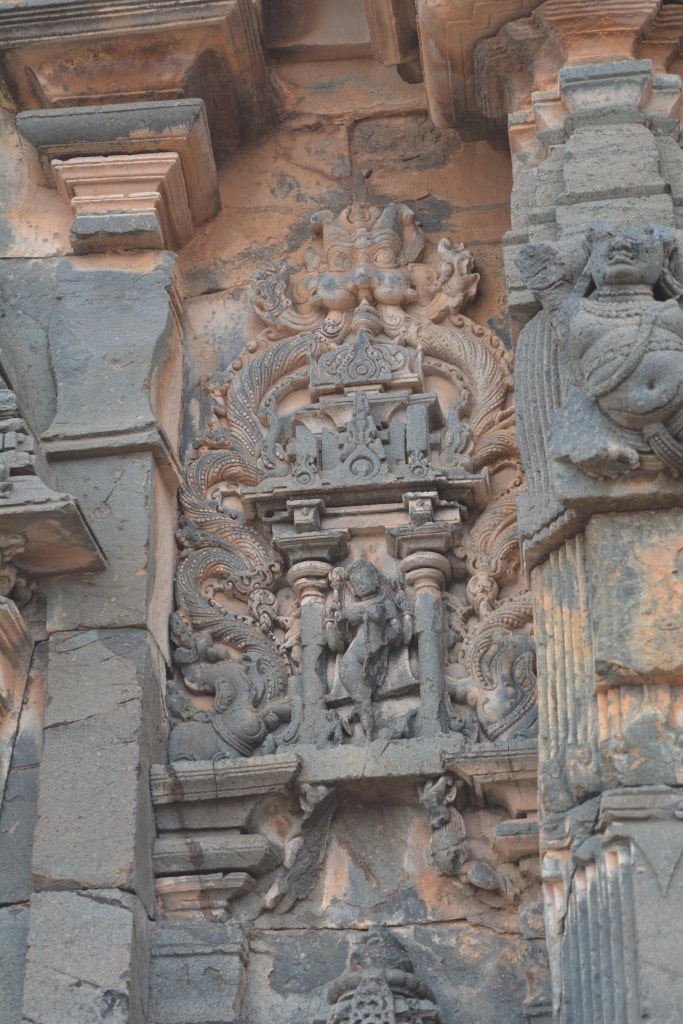
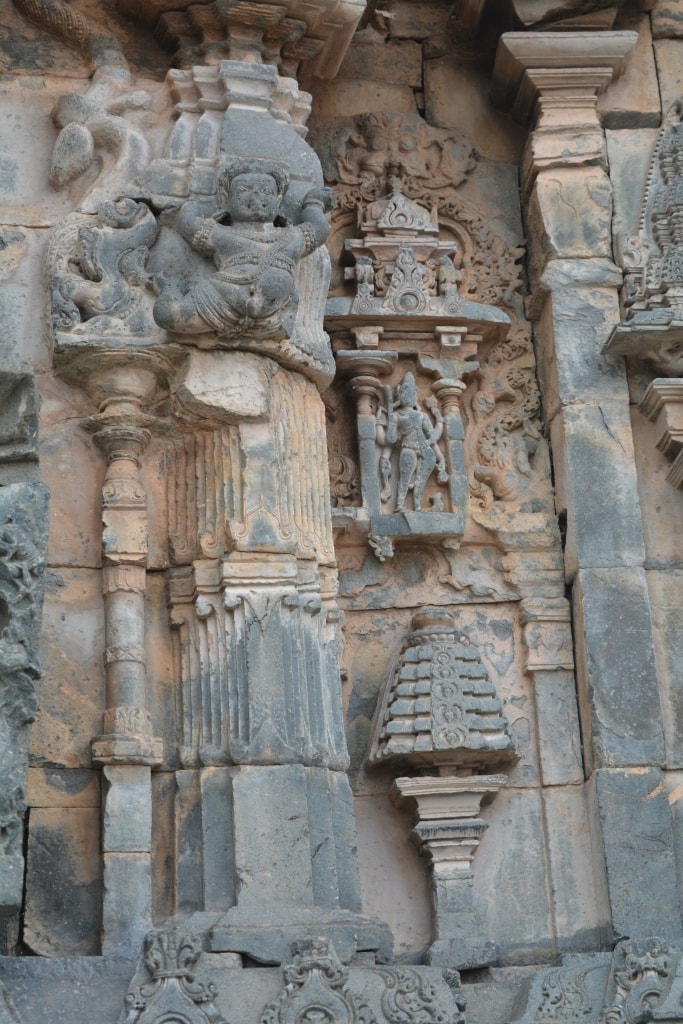
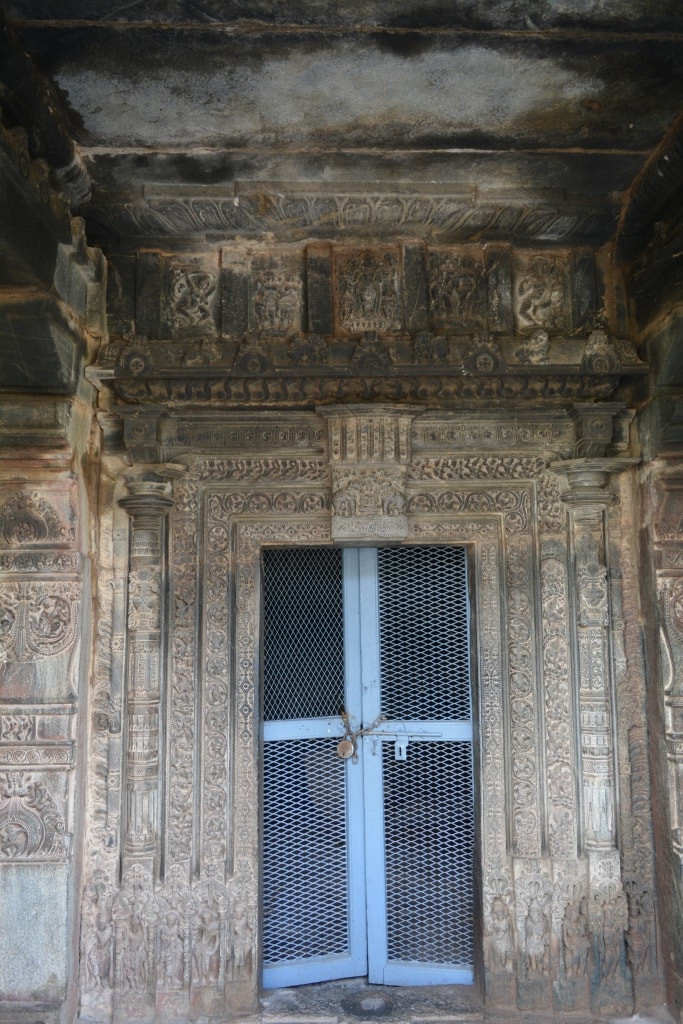
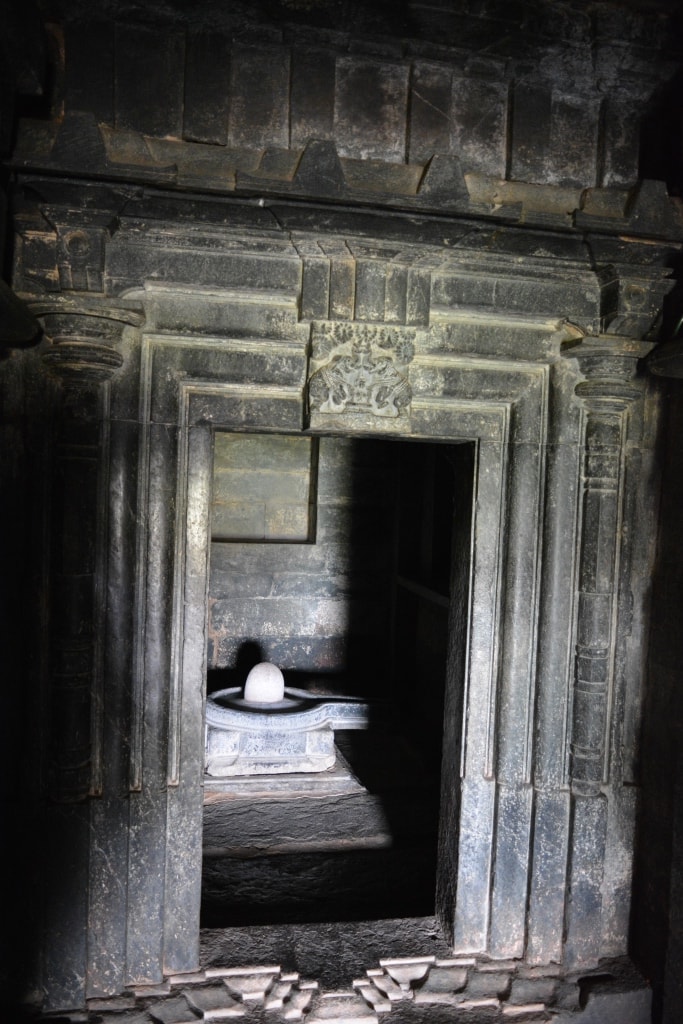
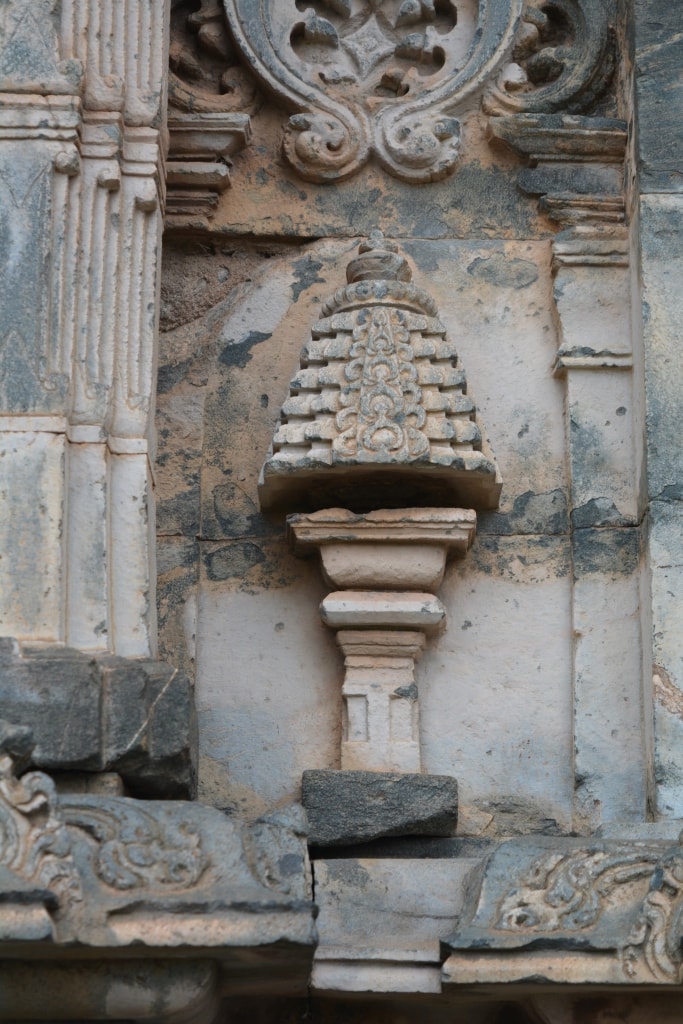
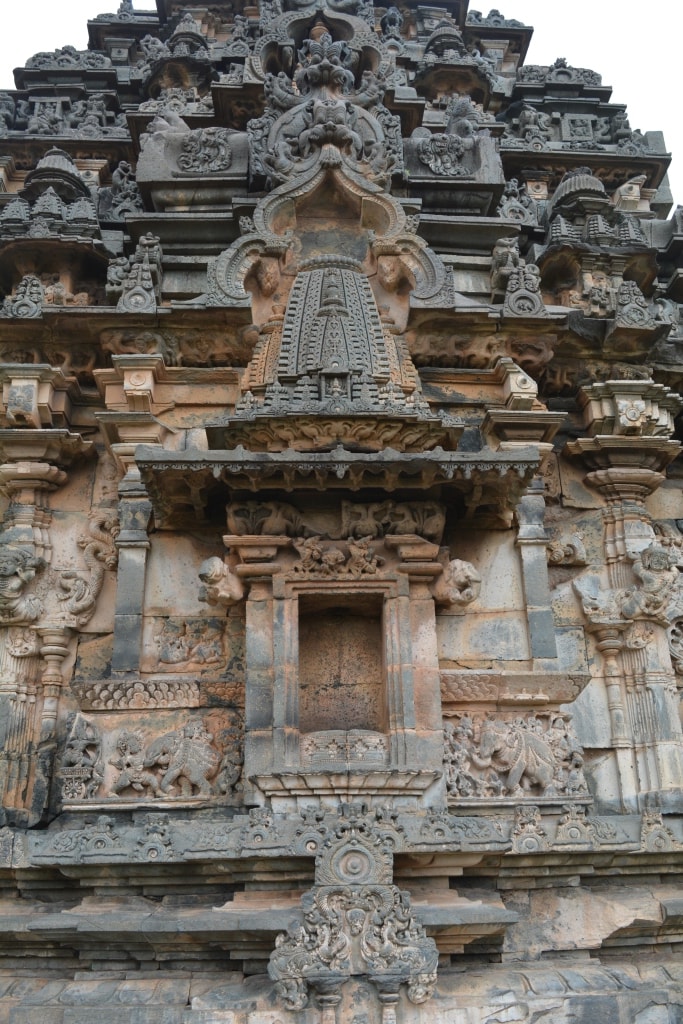
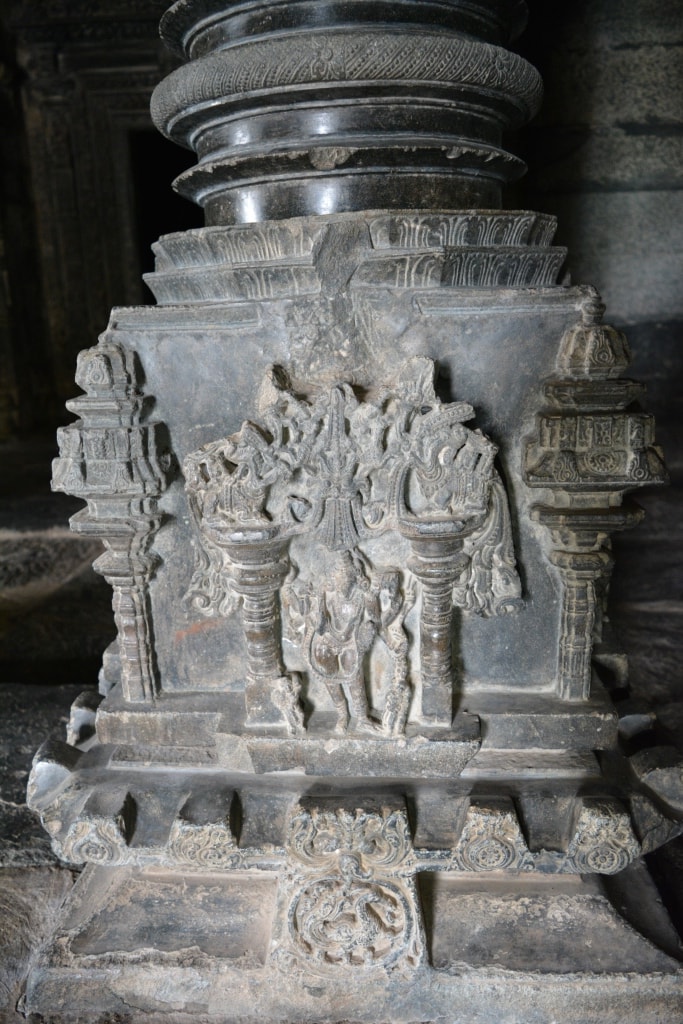
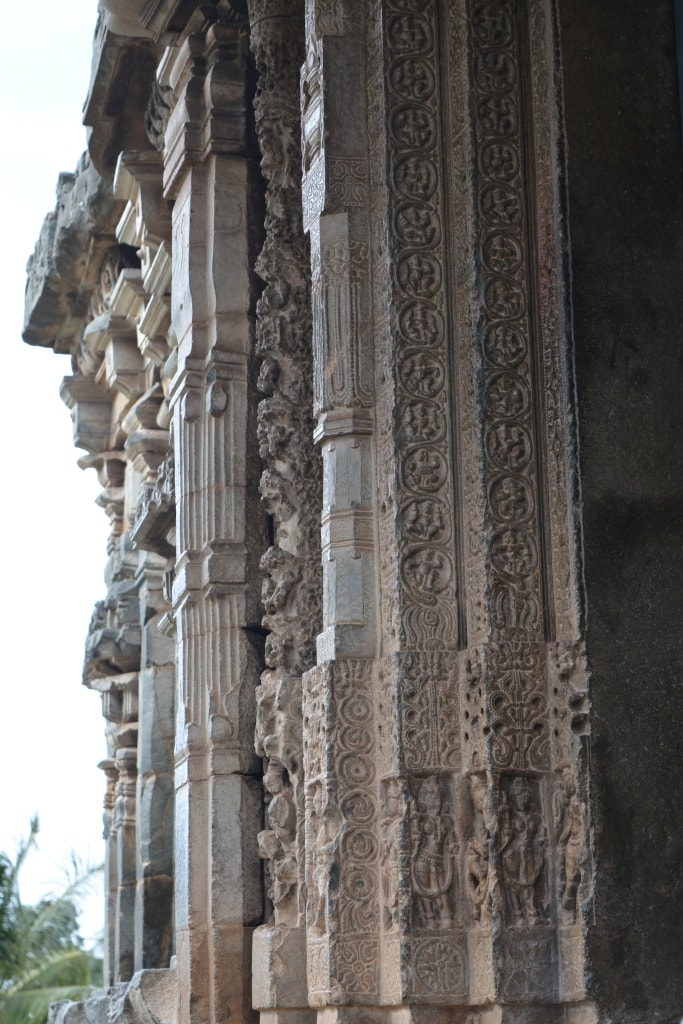
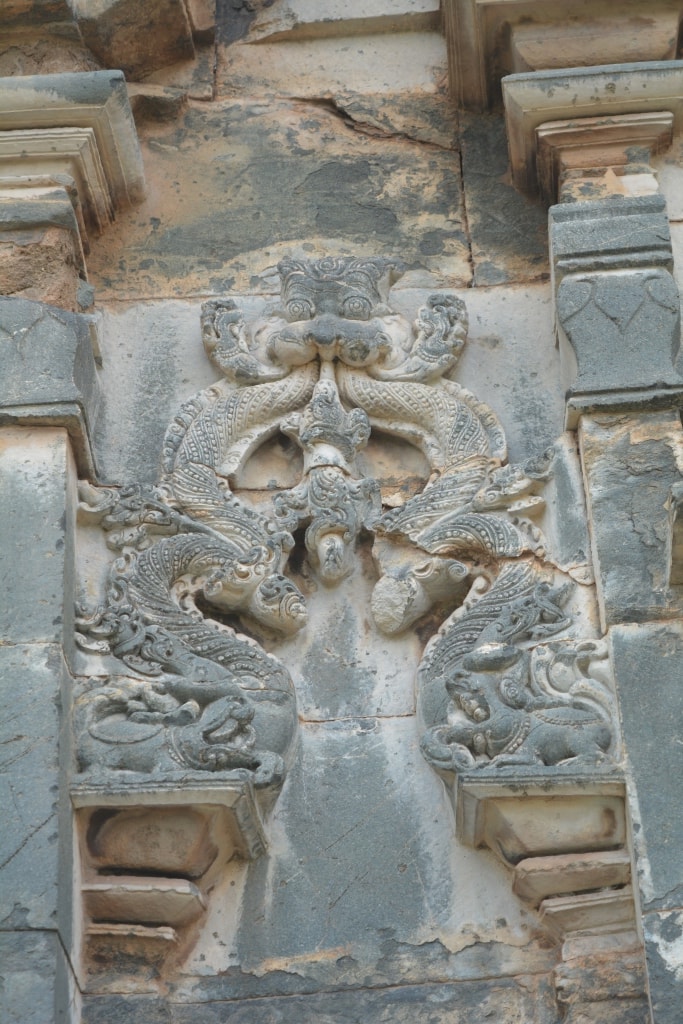


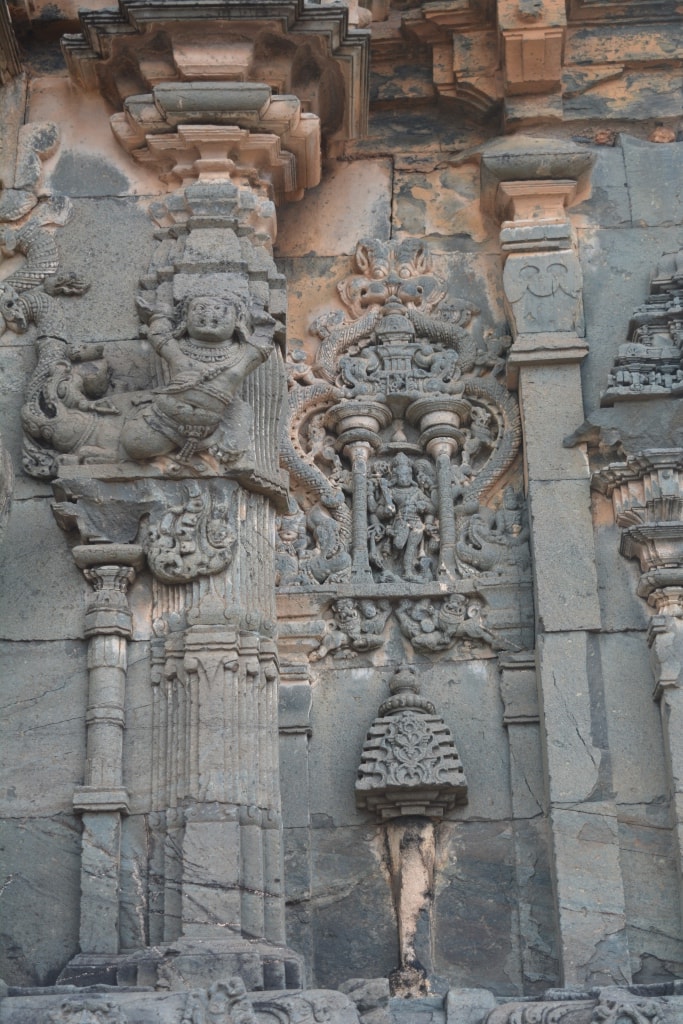
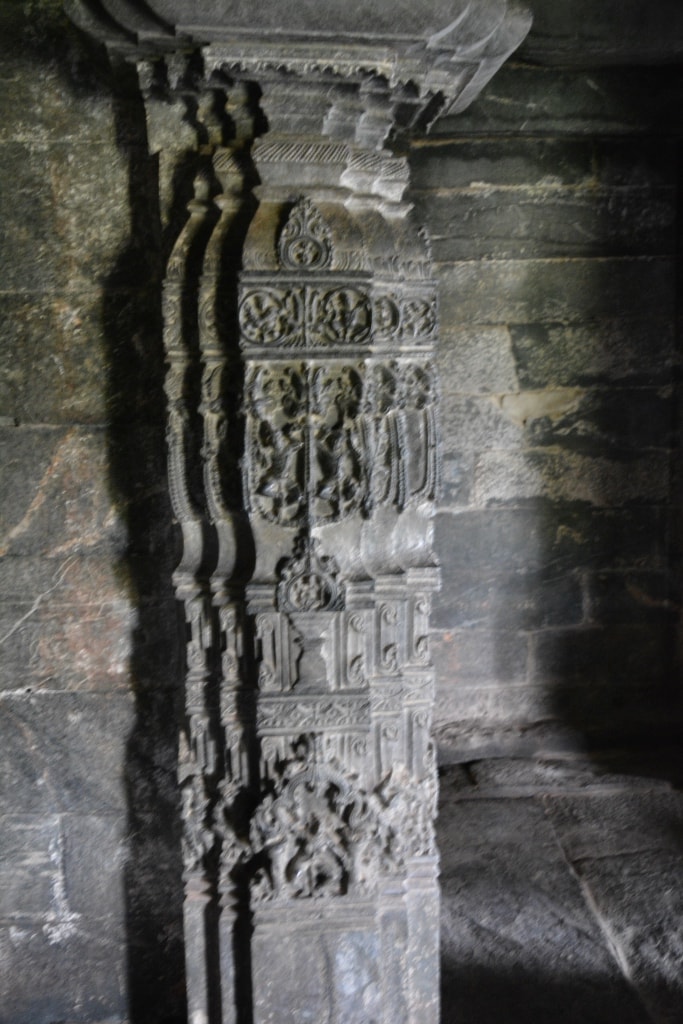
The intel of the surya temple has Surya with Usha & Pratyusha. Inside the garbagriha, there is a pedestal with seven horses and charioteer Aruna, the idol is surya is missing. This is one of the amazing masterpieces of Lakkundi, the whole temple is craved so intricately, be it door, walls or niches. One can spend almost half a day just for this temple to admire its beauty.
We spent some time here, later moving to the opposite side of the road, where the Nanneshwara Temple is located. Both the temple are protected by ASI. It looked like a smaller version of the Kasi Vishweswara temple. There is an open mandapa, closed mandapa, antaral & garbagriha. The open mandapa is supported on sixteen pillars.
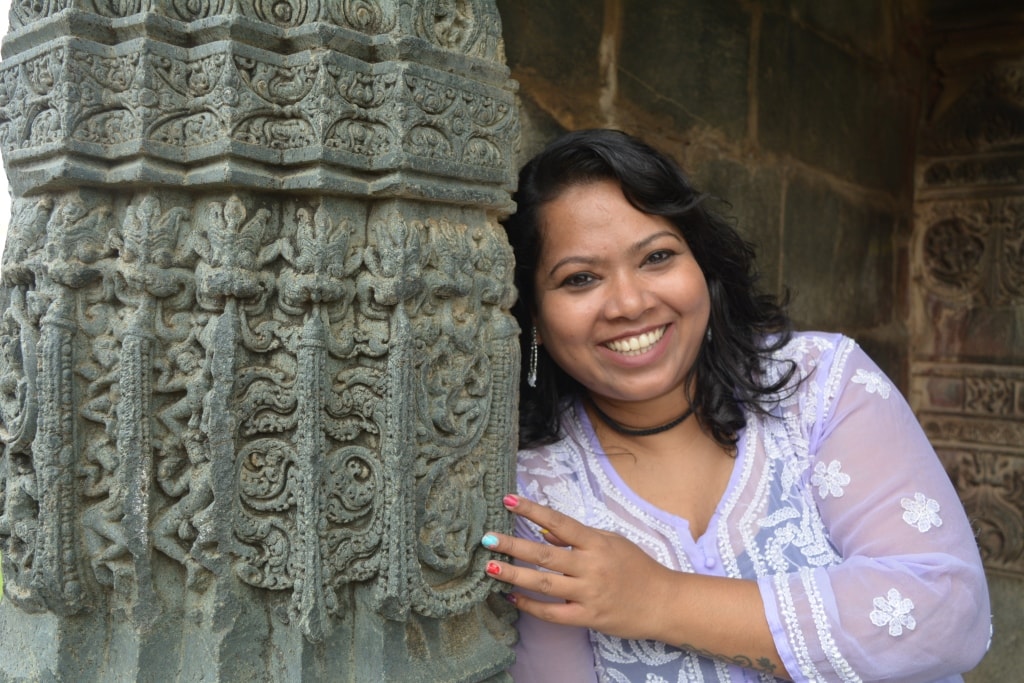
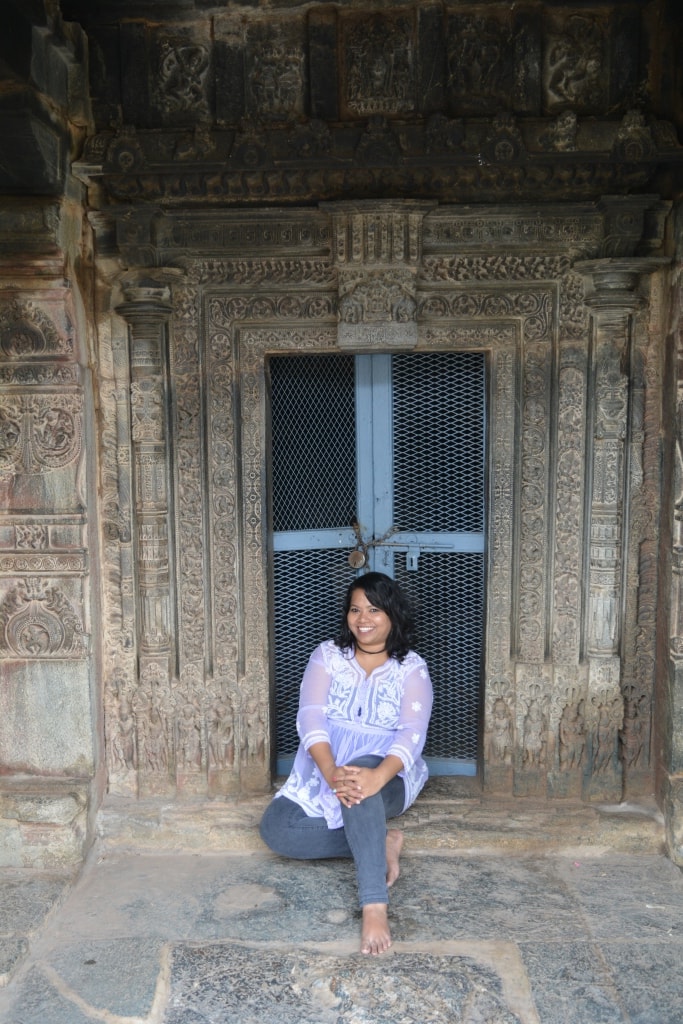

Both these temples have amples of idols carved in niches. We wound up our trip by visiting the Sri Halugonda Basaveshwara temple which was on the way, it was a live temple.
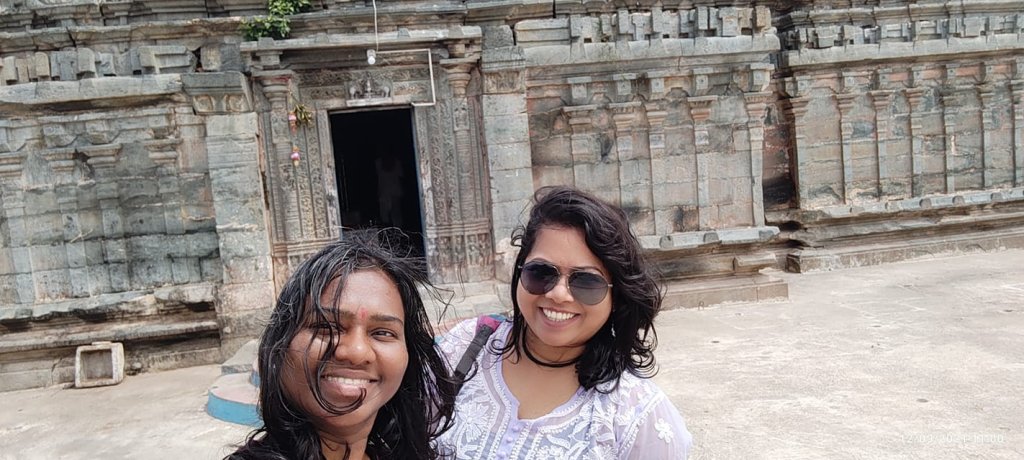
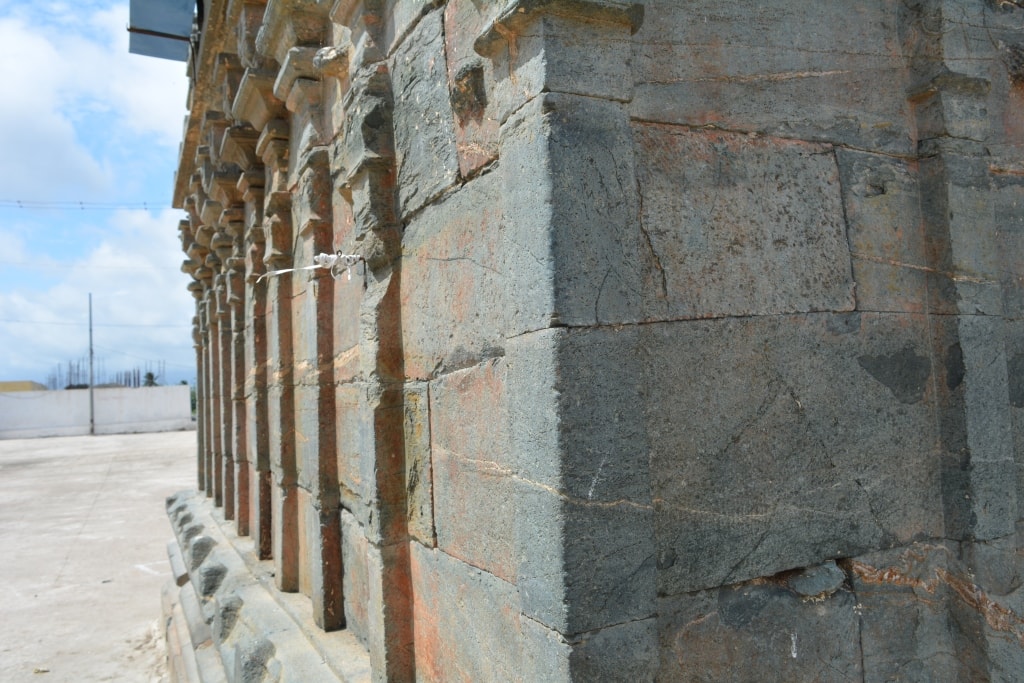
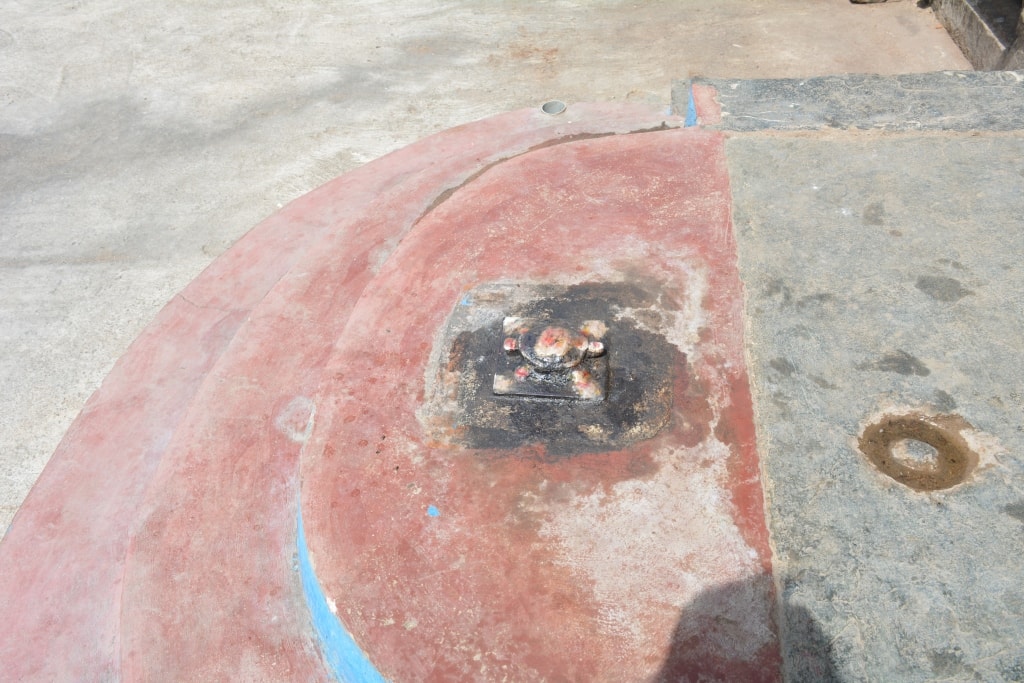
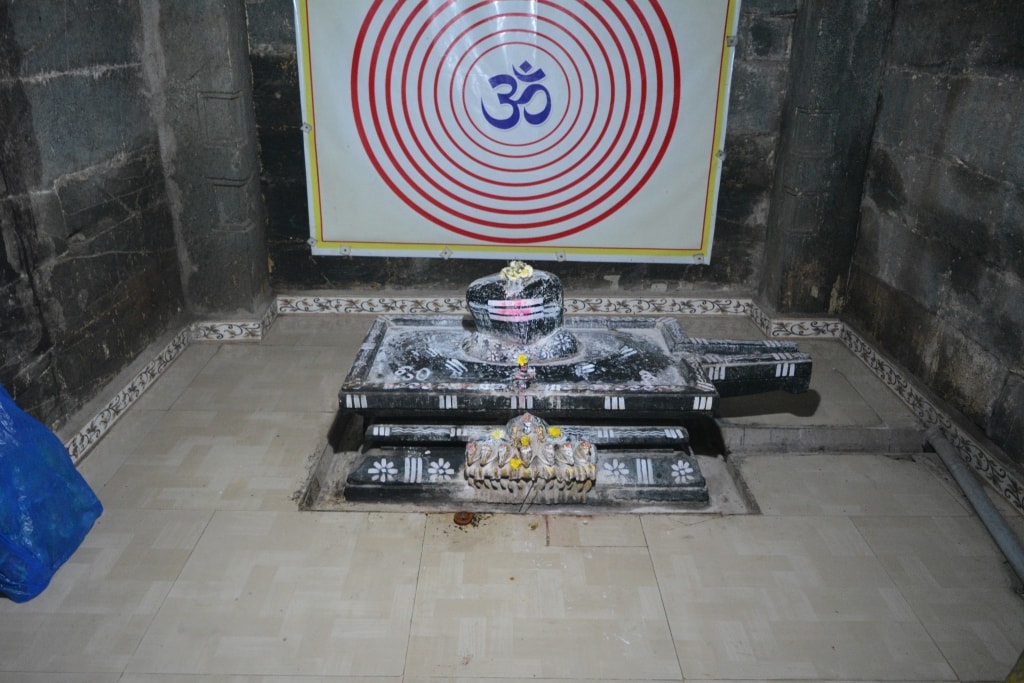
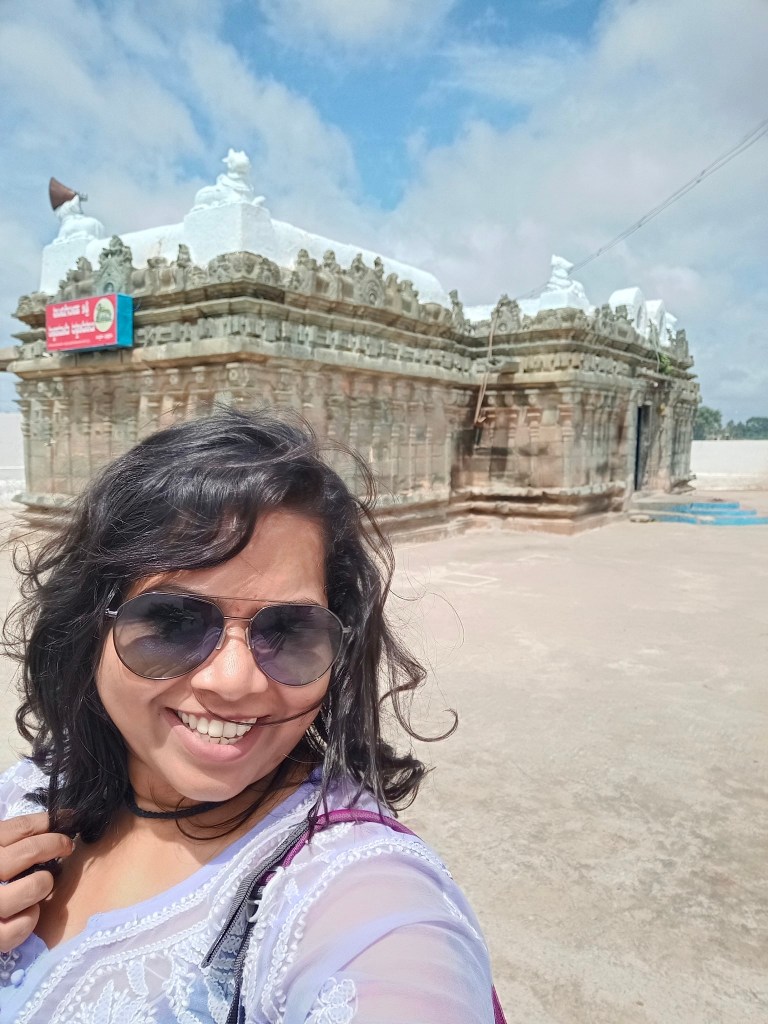


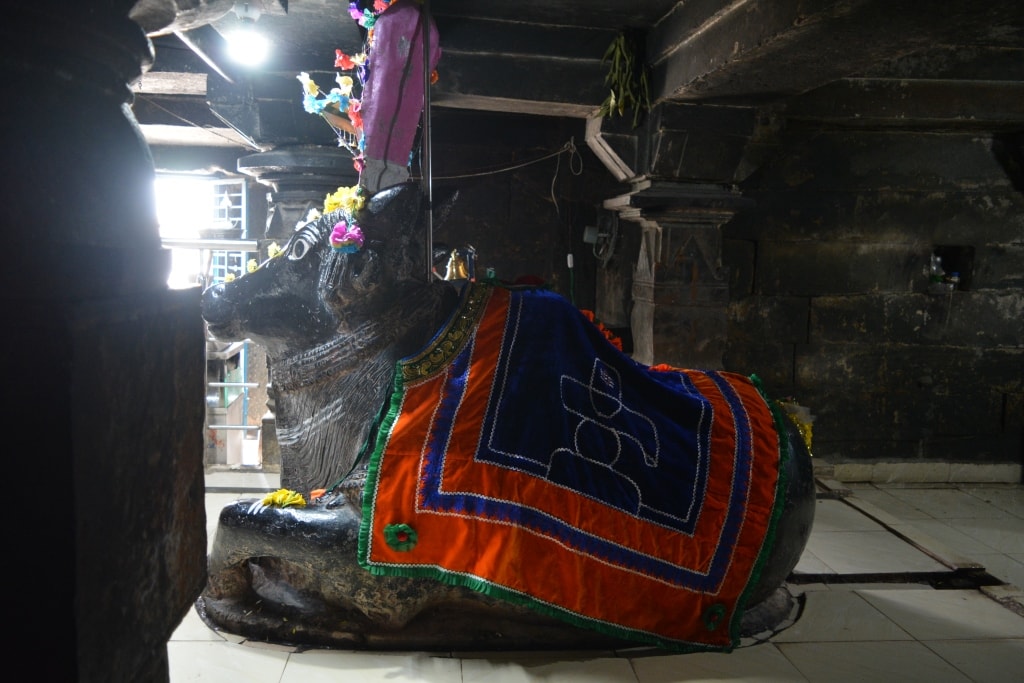
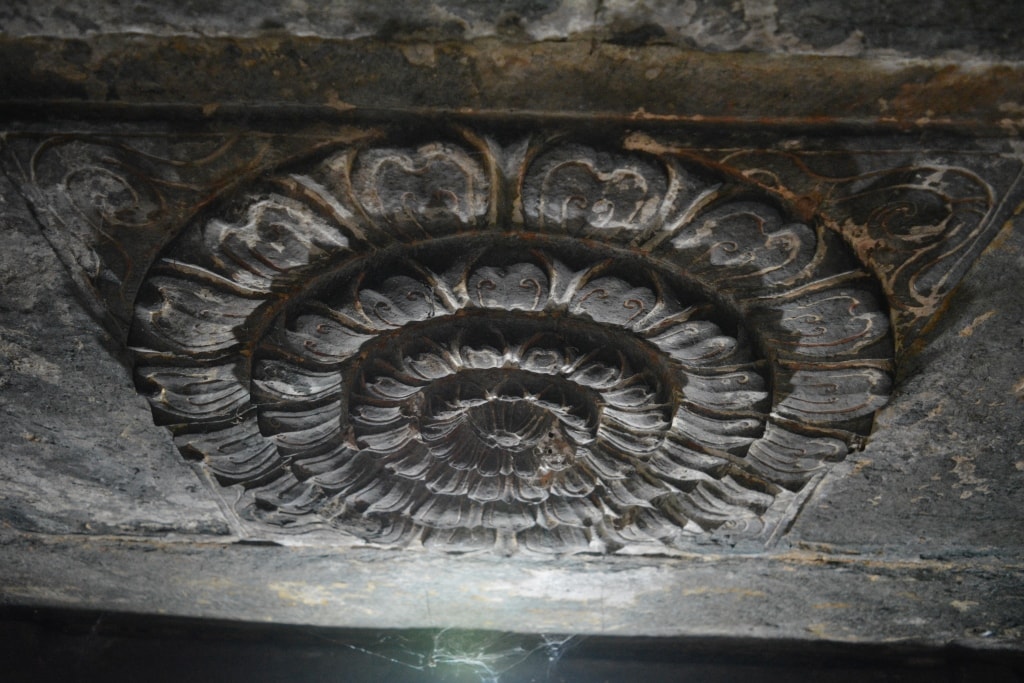
There was a carved turtle on the floor at the entrance. This temple too was built in 11th-12th Century. It is unclear who has built the temple due to many restorations. Still the restoration work is going on, the temple was painted white from outside. There were some children very curious about my camera, got clicked.
We left soon for Gadag, checked out, took train train back to Mumbai. Overall, this was like too many places covered in short time, although, we did miss Annigeri. Next time, again I have to come for Muskina Bavi and Annigeri, will add few more places to cover in that.
Till then……………keep travelling and smiling!!!
 Backpack, Camera & Me
[…] we dropped Lakkundi, spend some time on the way back to Gadag at one of the Sunflower Field, my happiness was unbound […]
LikeLike