Kutch Diaries: From Stone Cities to Salt Deserts
Kutch isn’t a place you just visit — it’s a place you feel.
Raw, vast, surreal — this western edge of India took me from ancient ruins to moonlit salt deserts, and from coastal temples to abandoned forts. What made it even more special was the way we planned it: a compact yet power-packed 3-day, 4-night trip from Mumbai — full of contrasts, color, and calm.
Here’s how it unfolded.
🚉 Getting There – We boarded an overnight train from Mumbai to Ahmedabad, reaching by late morning the next day. We hired a car for round trip from Ahmedabad. Dholavira is located at 7.5 hours from Ahmedabad. Nearest major Railway Station is Bhuj. We had hired Car for the Round trip. Ahmedabad – Dholavira – Bhuj – Mata no madh – Lakhpat – Narayan Sarovar – Mandvi
🏛️ Day 1: Dholavira – Time Travel Begins
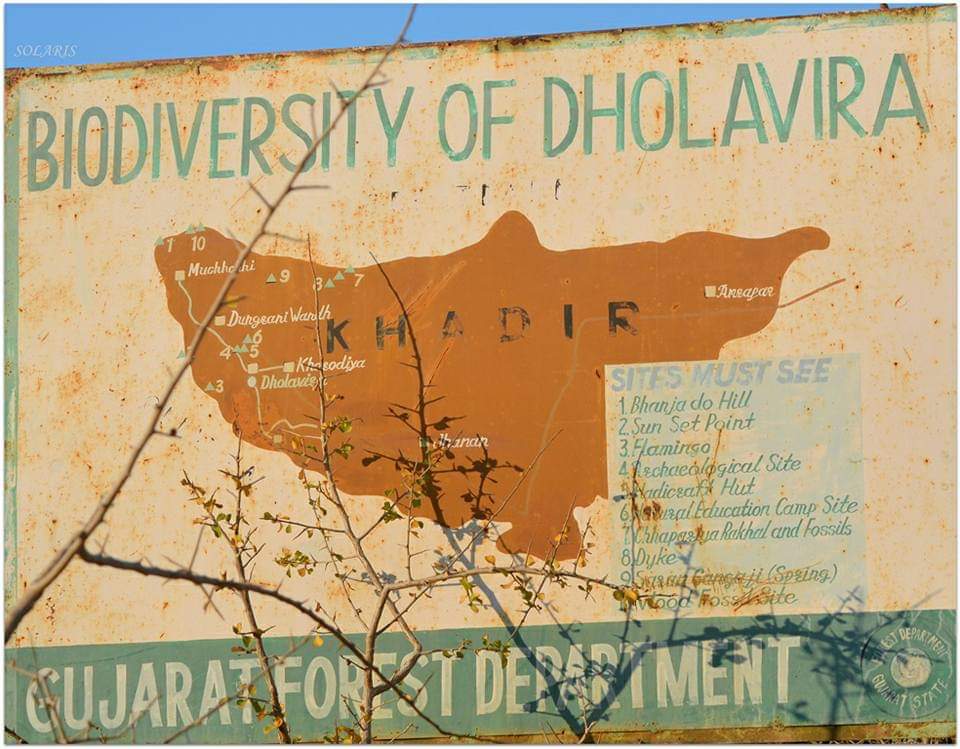
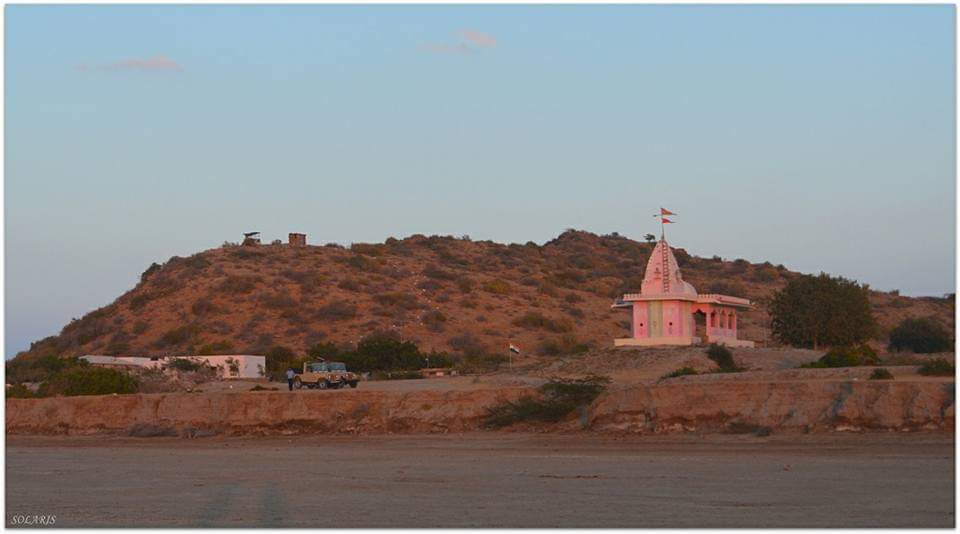
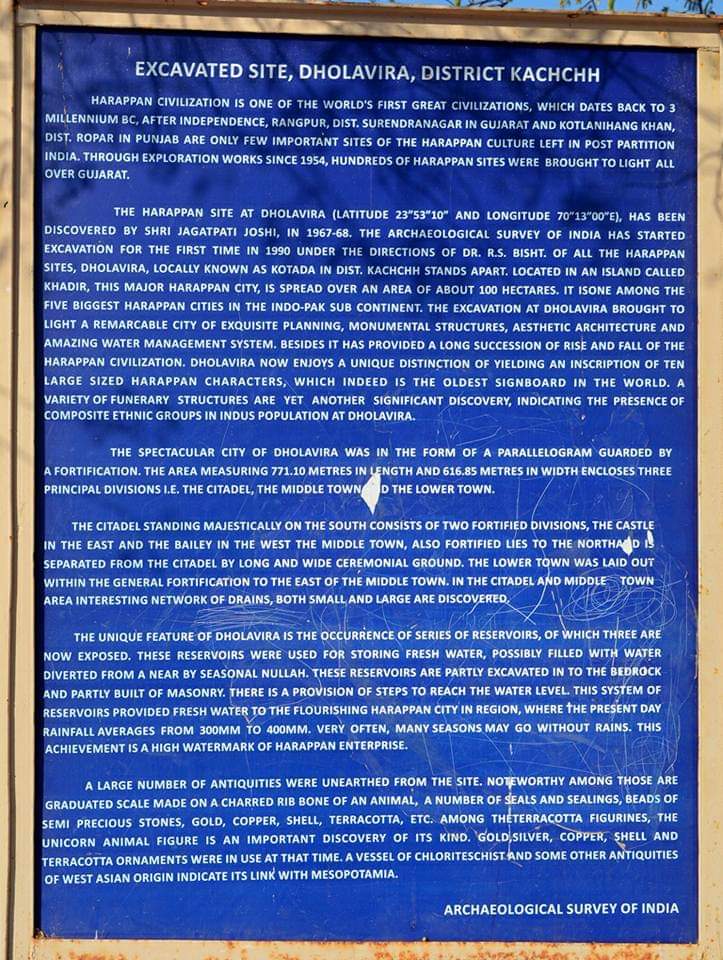
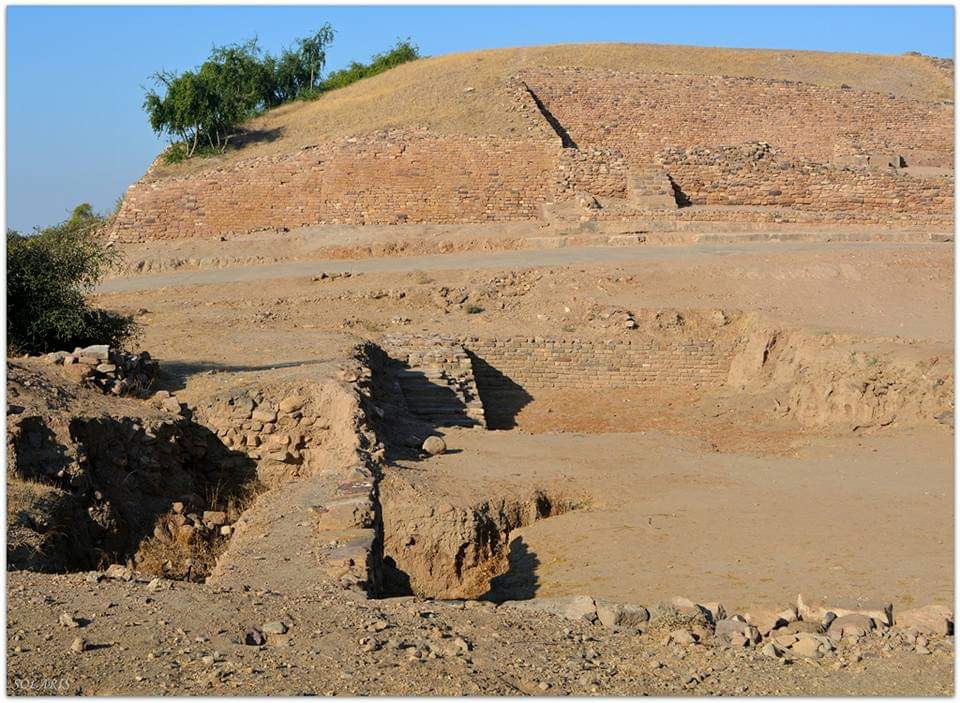
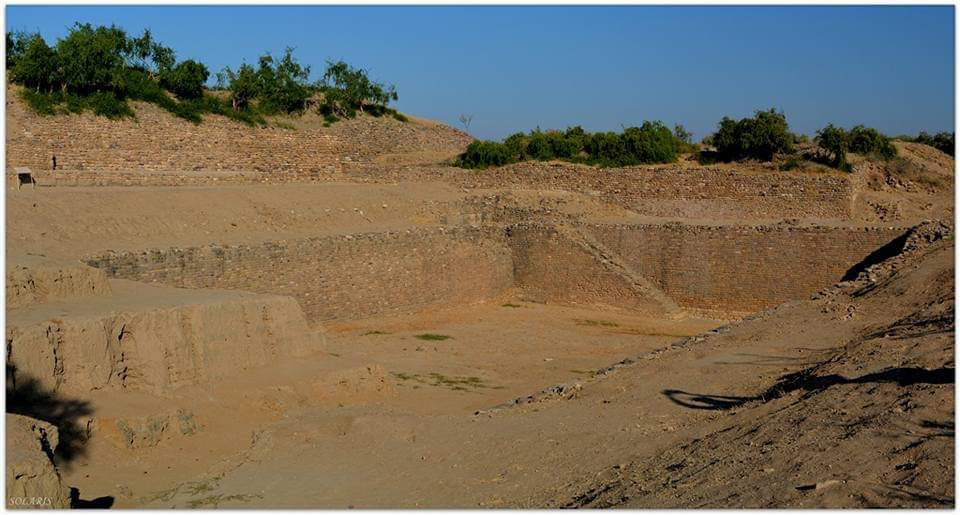
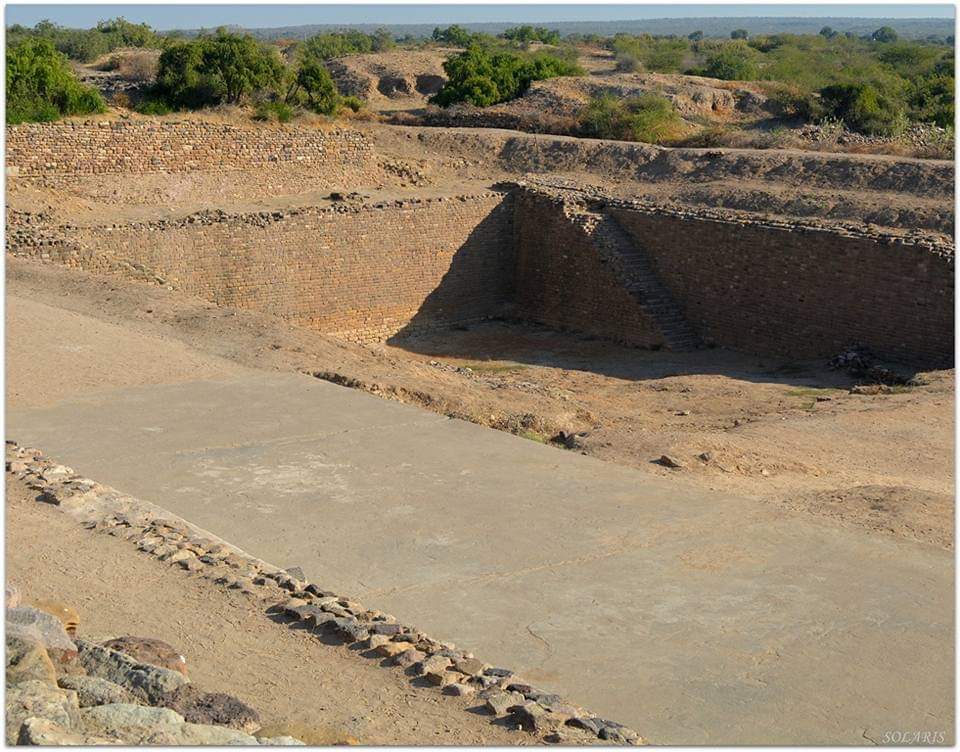
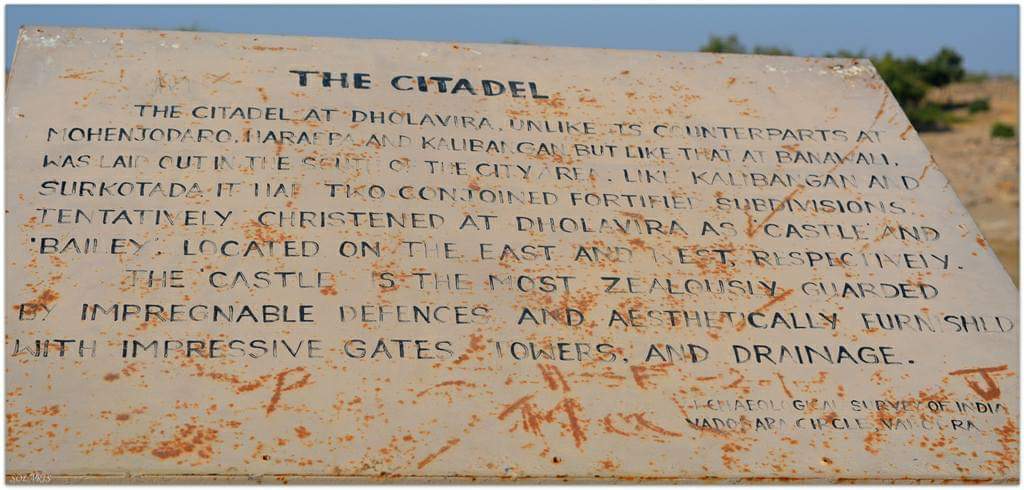
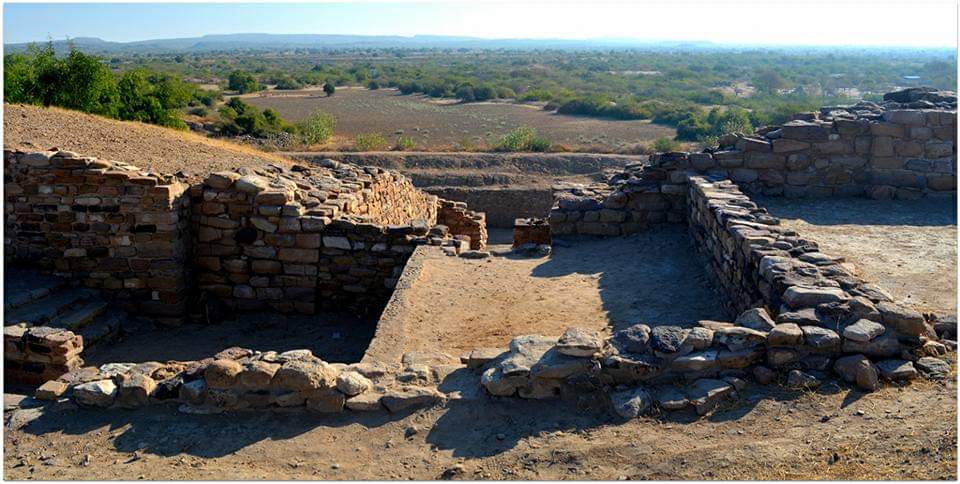
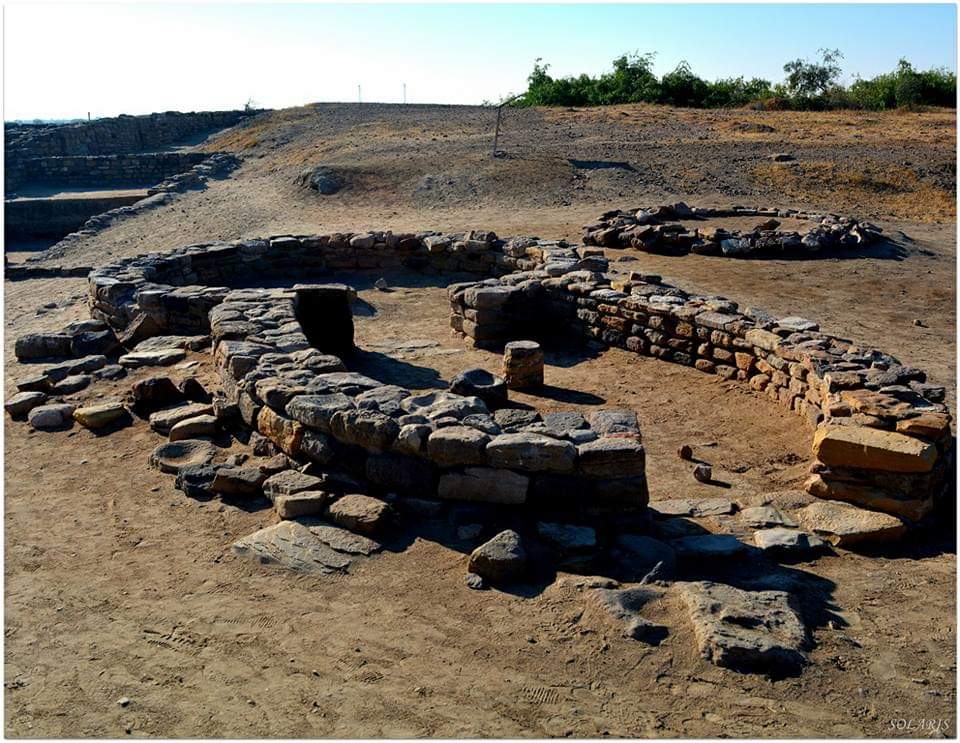
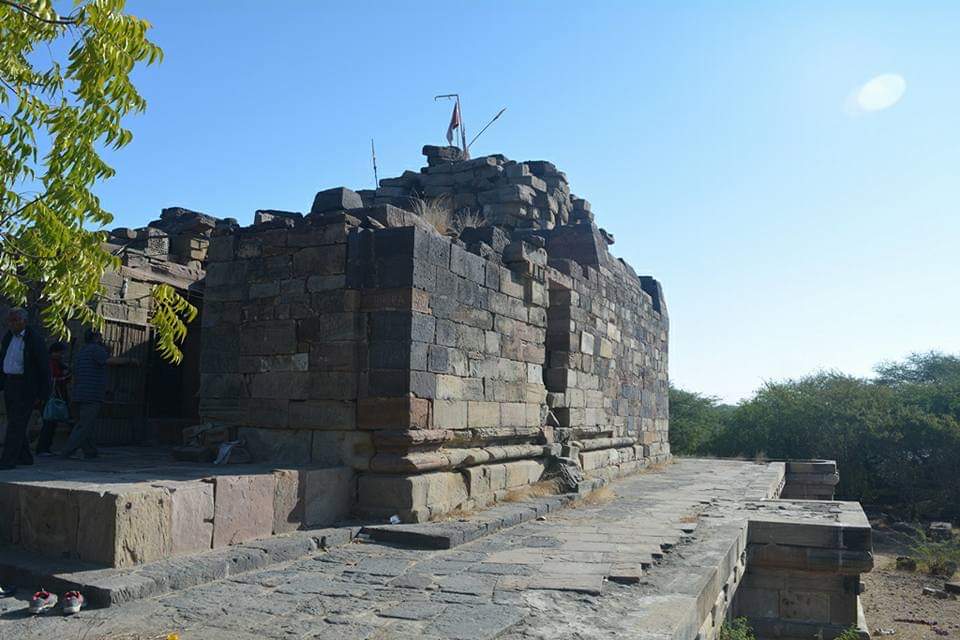
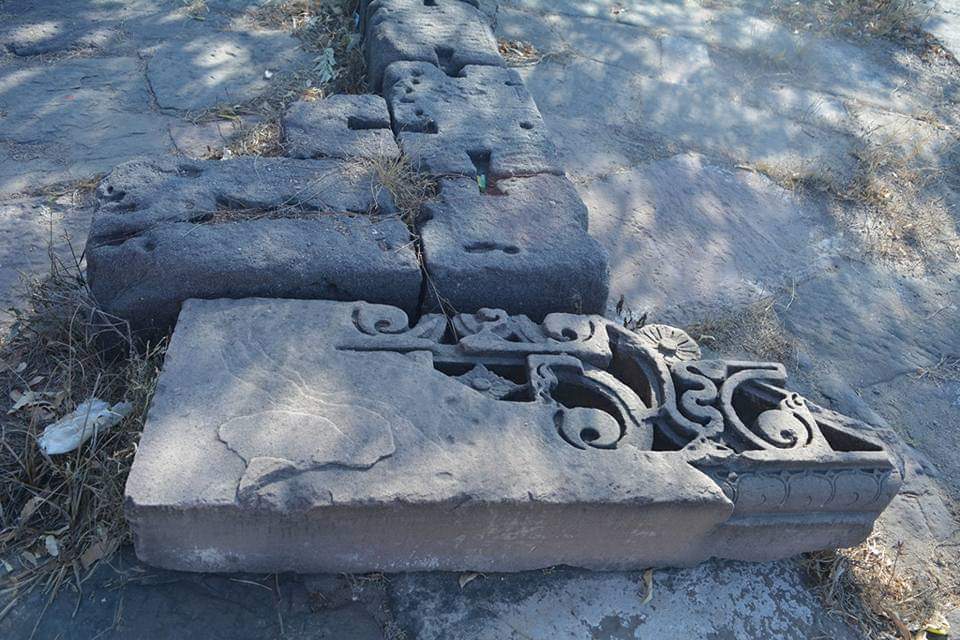
Dholavira 3 BCE City, largest of the two astonishing excavations of the Indus Valley (Other one is Lothal), located in Khadir Island, surrounded by Great Rann of Kutch. It exhibits one of world’s earliest and best planned water conservation system.
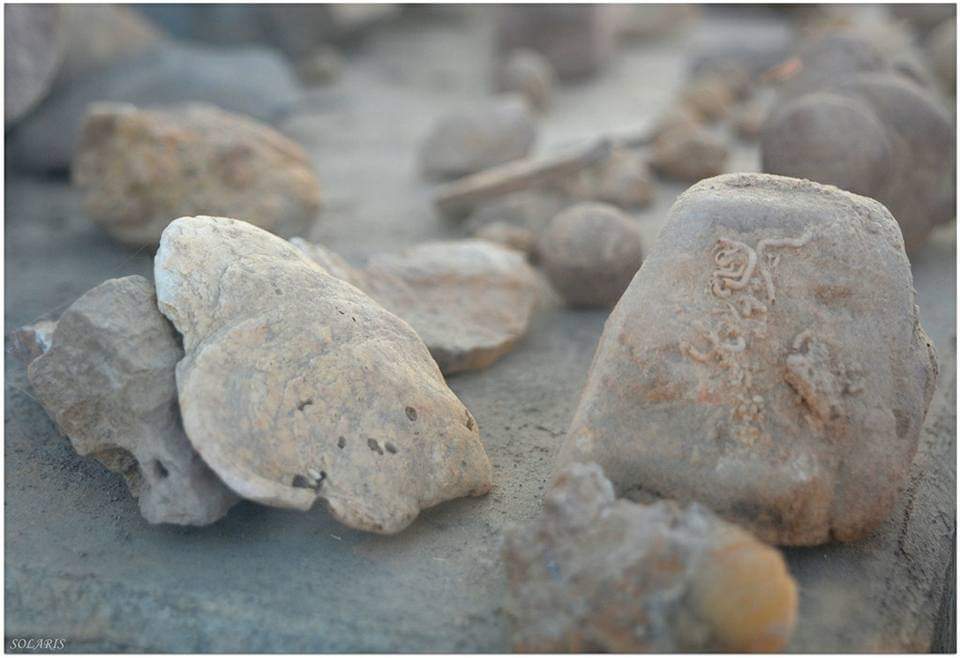
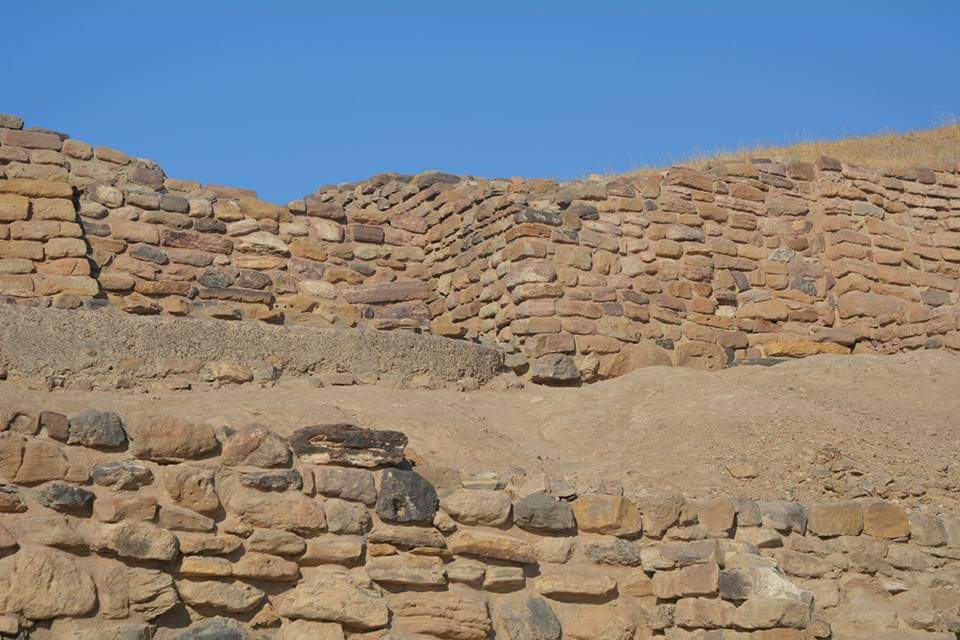
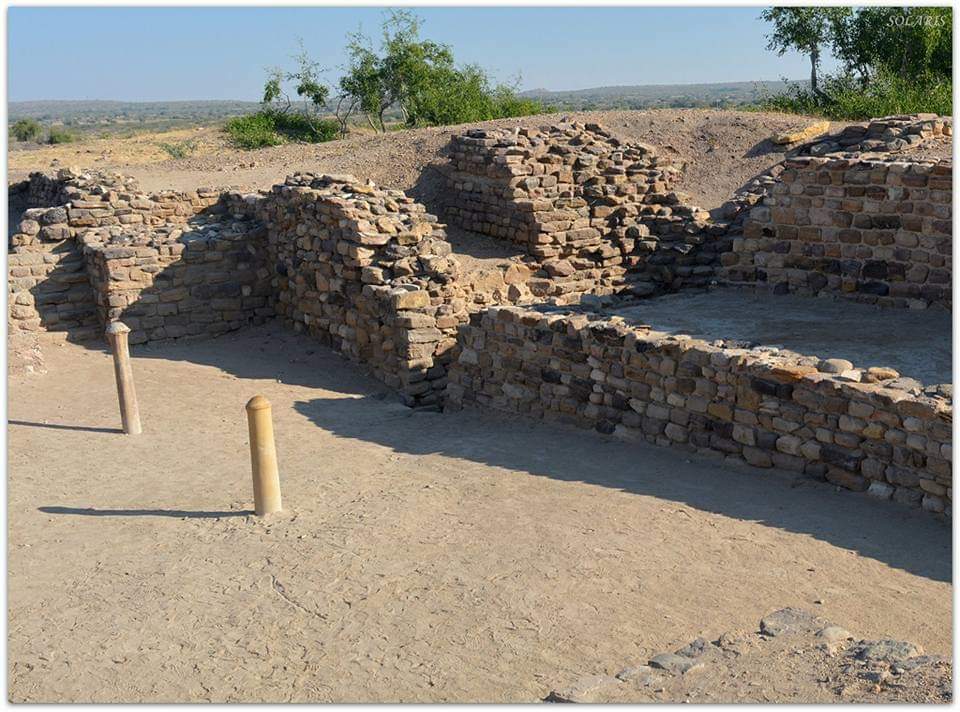
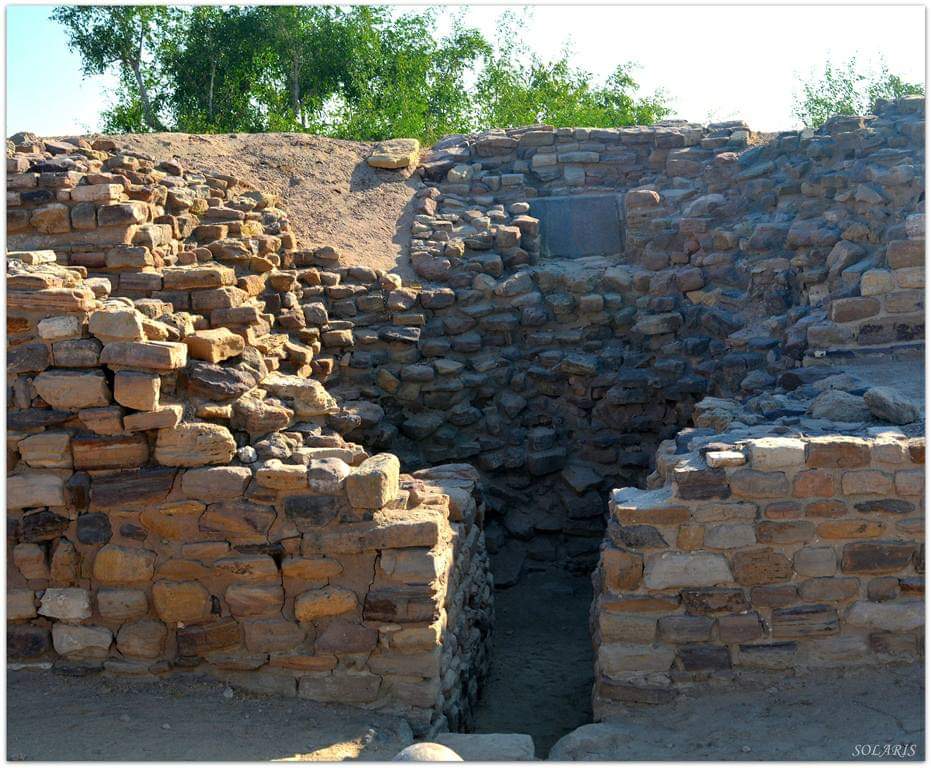
The site blew us away with its scale and planning: massive stone structures, water reservoirs, and evidence of a 4,500-year-old urban system.
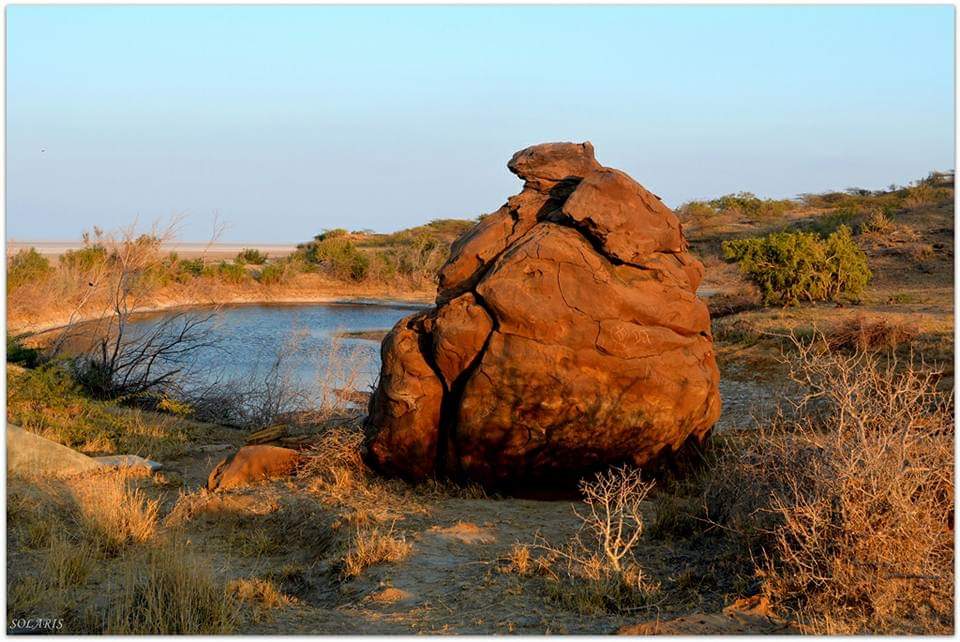
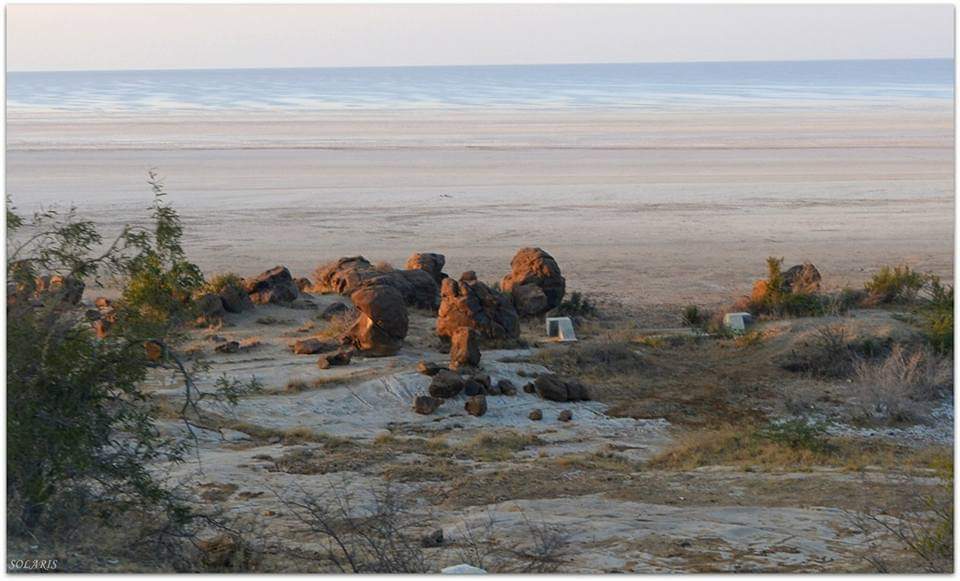
The landscape was as dramatic as the history — salt plains stretching into the horizon under a burning orange sunset. With barely any mobile signal, the quietude was complete. A perfect digital detox, backed by the ghosts of history.

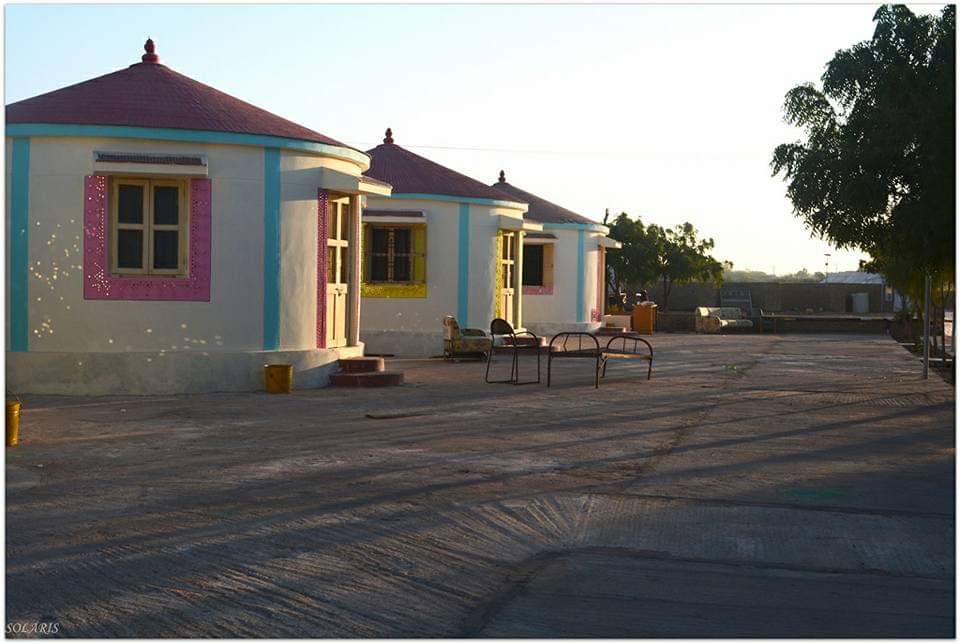
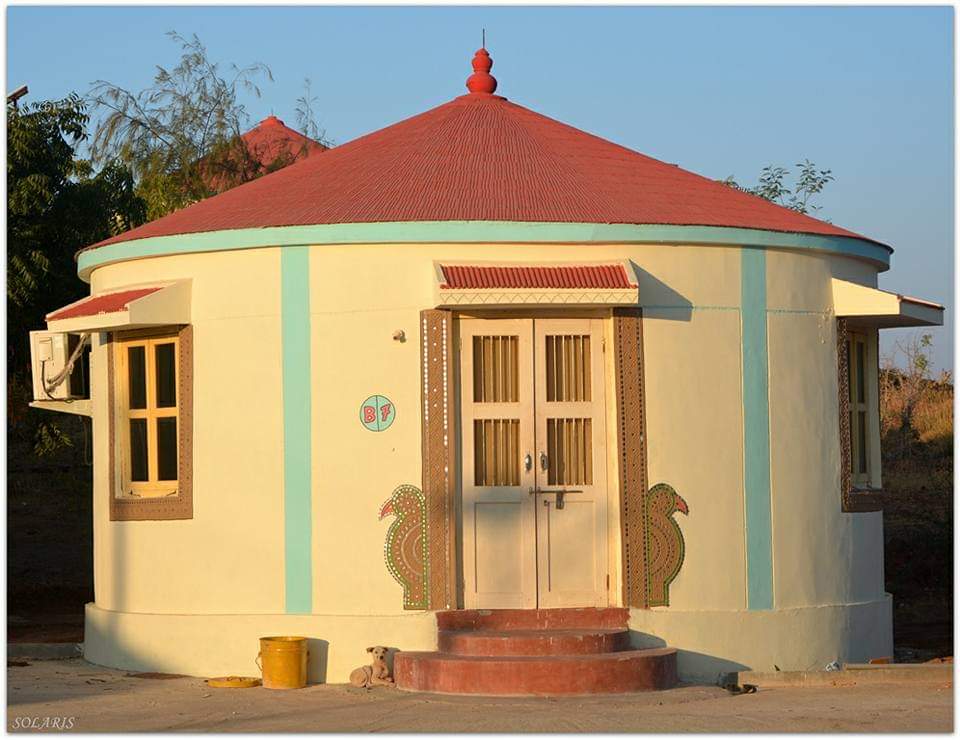







🌕 Day 2: Rann Utsav – Dancing on the White Desert
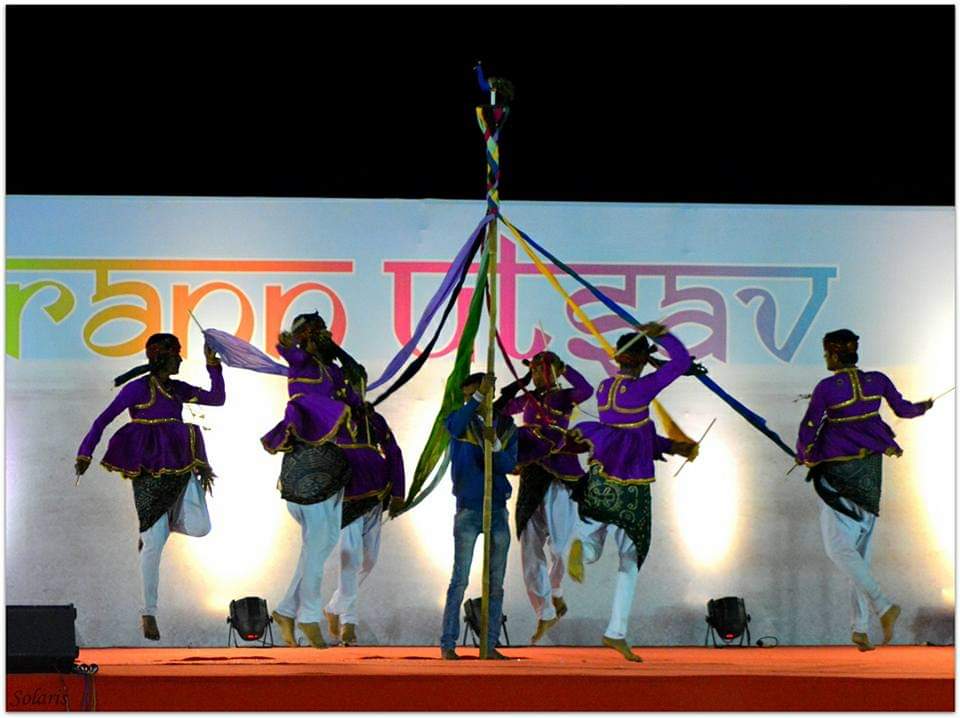
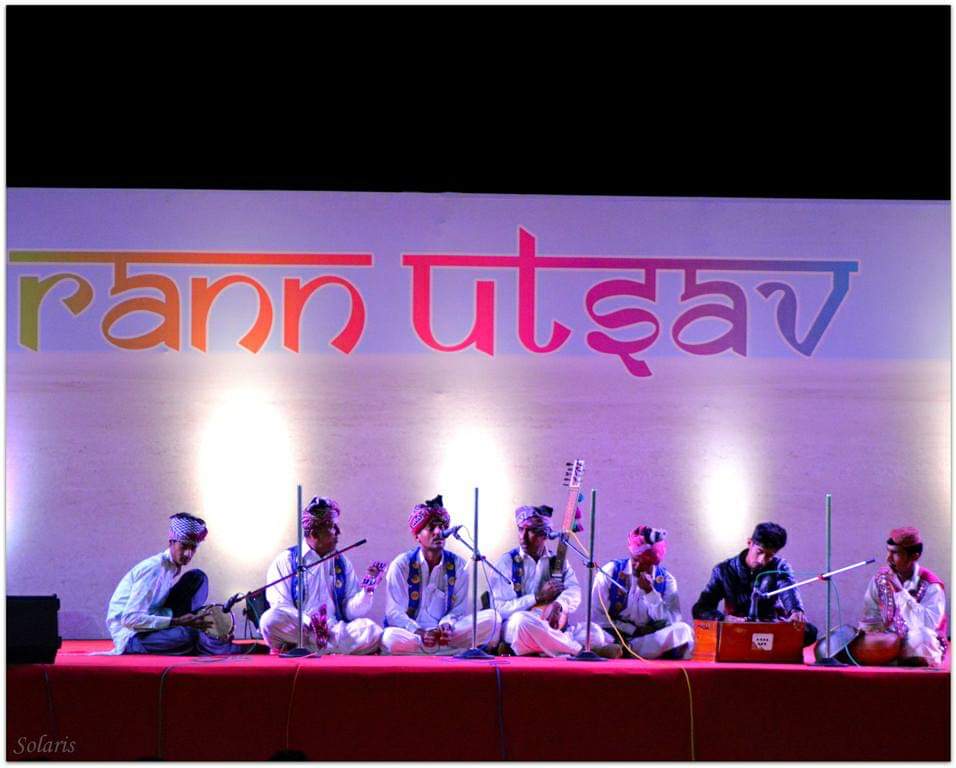
After a morning drive back towards Bhuj, we freshened up at our stay and then traveled all the way to Dhordo — where the Rann Utsav was in full swing.
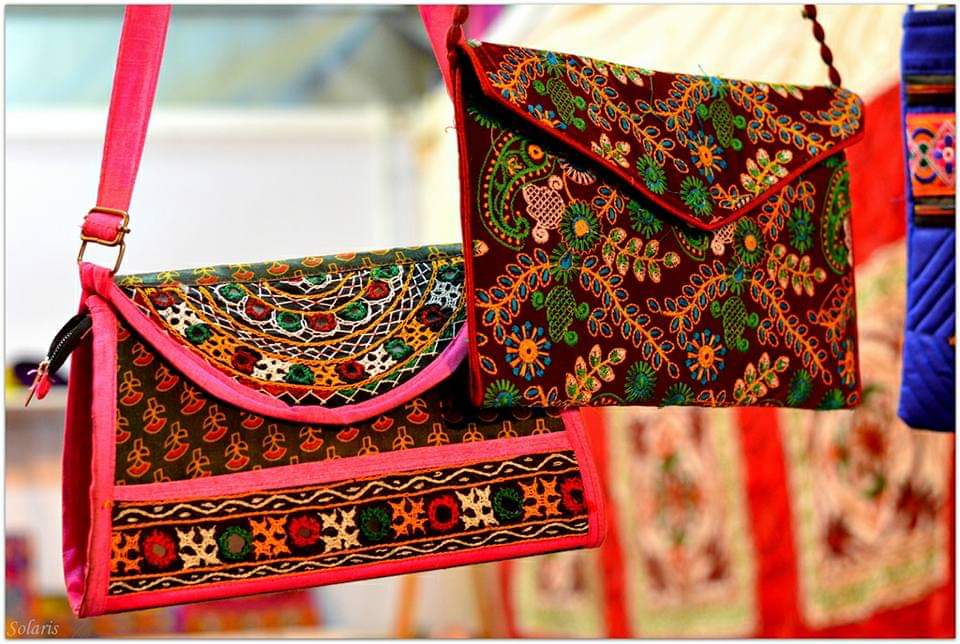
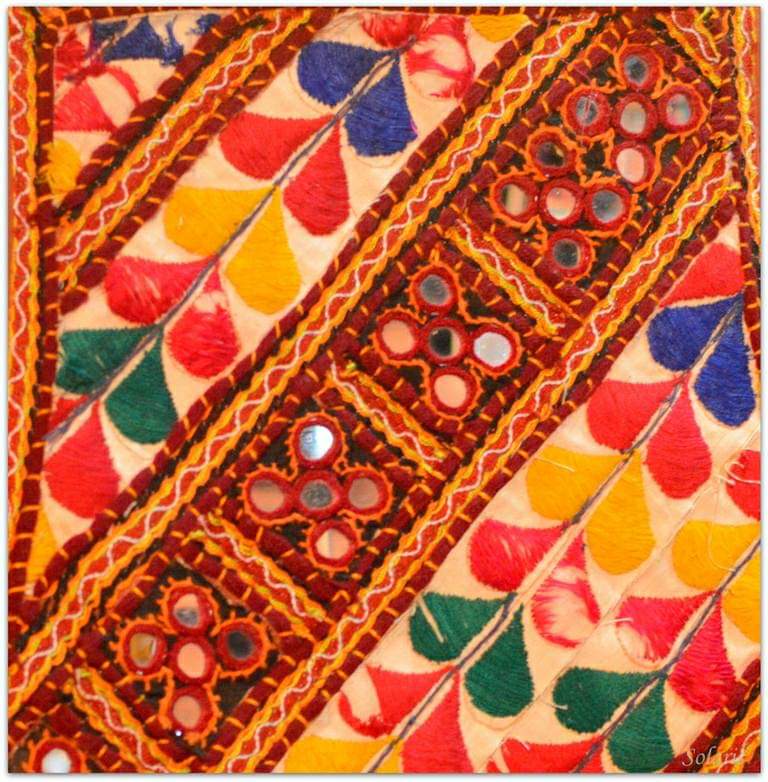
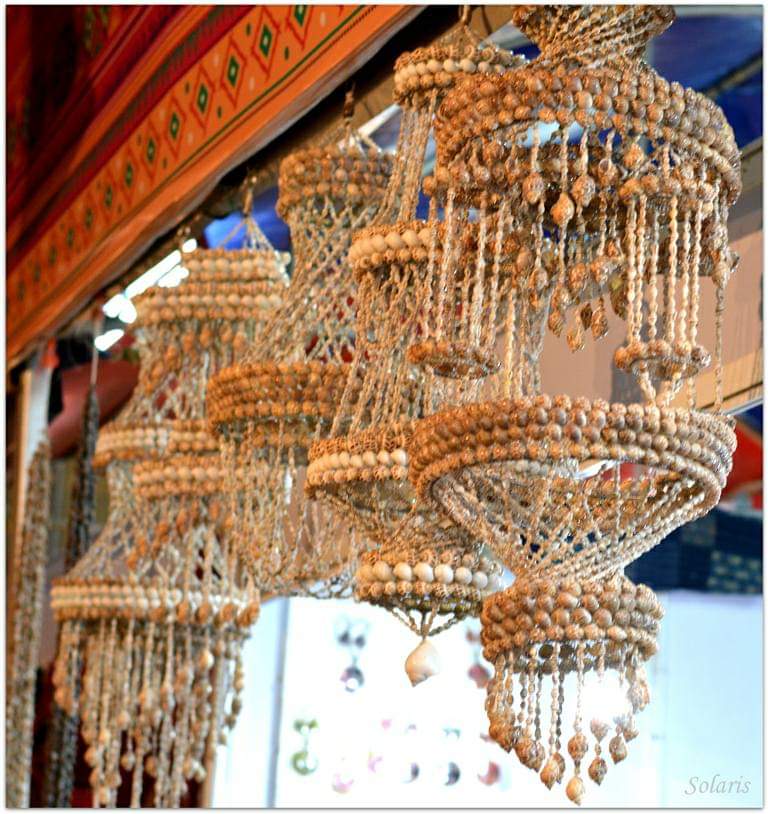
From mirror work stalls to folk musicians, the cultural vibe here was electric. But the true showstopper was the White Rann itself — gleaming under the moonlight like a sea of salt crystals. It’s not just something you see; it’s something you feel in your bones.
We returned late at night to Bhuj, windswept and smiling.



🏯 Day 3: Lakhpat Fort, Koteshwar & Mandvi – Westward Run
Route: Bhuj → Mata no Madh → Lakhpat Fort → Koteshwar → Mandvi
This day was ambitious, but worth every kilometer.
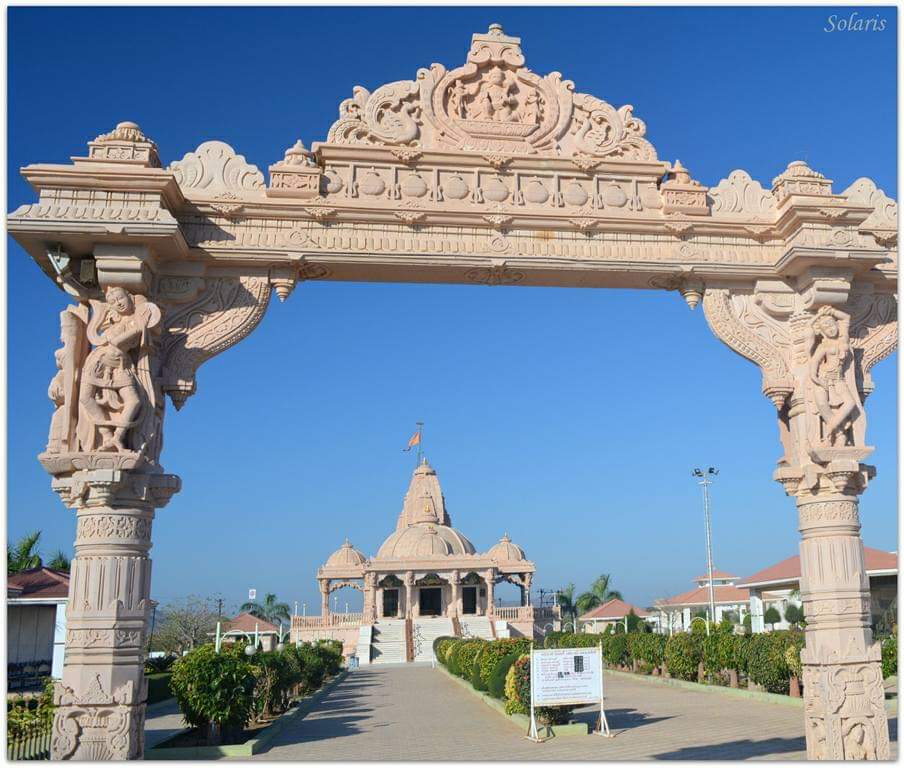
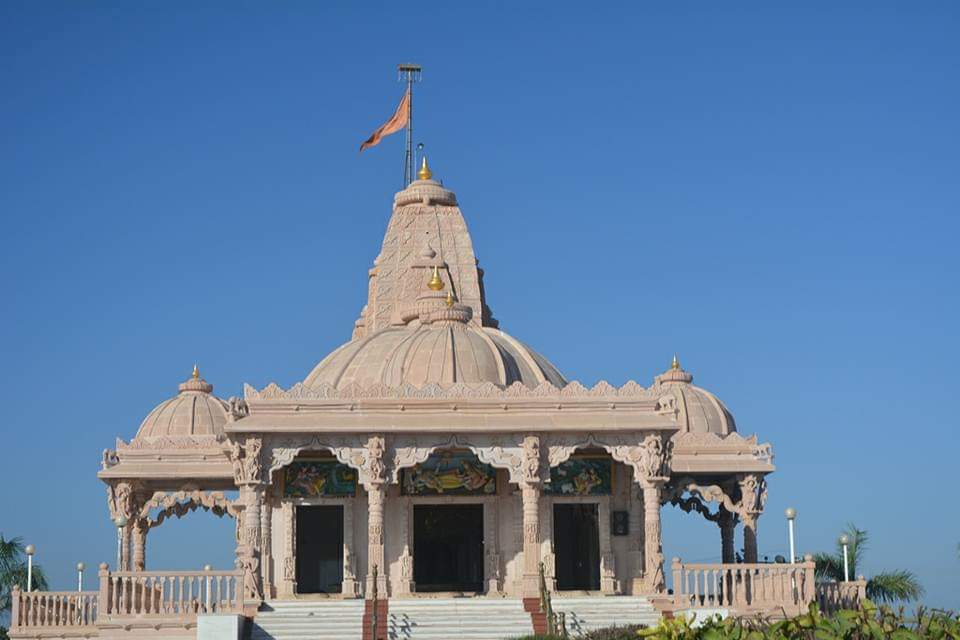
⛩️ Stop 1: Mata no Madh
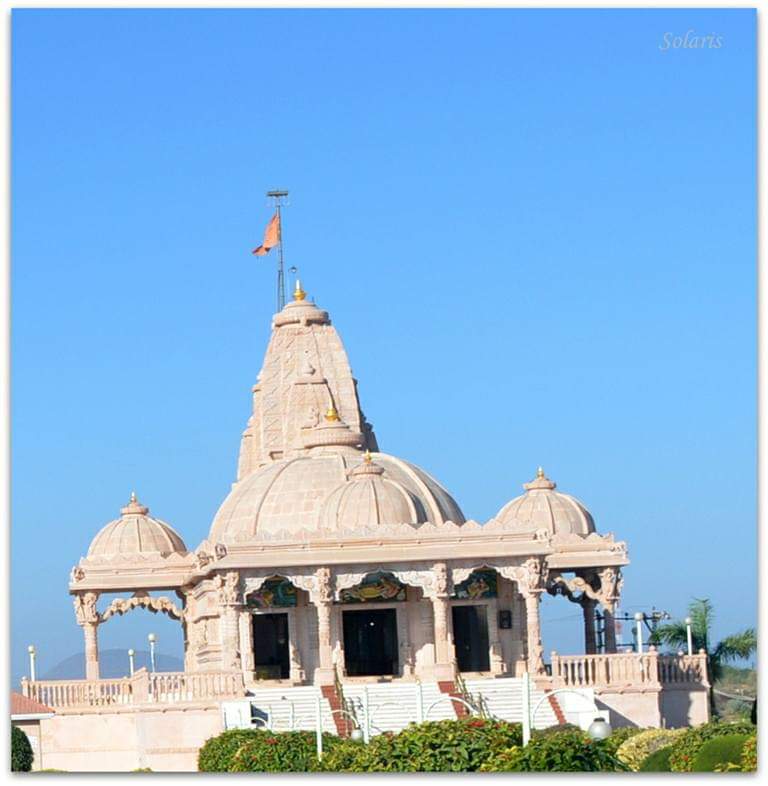
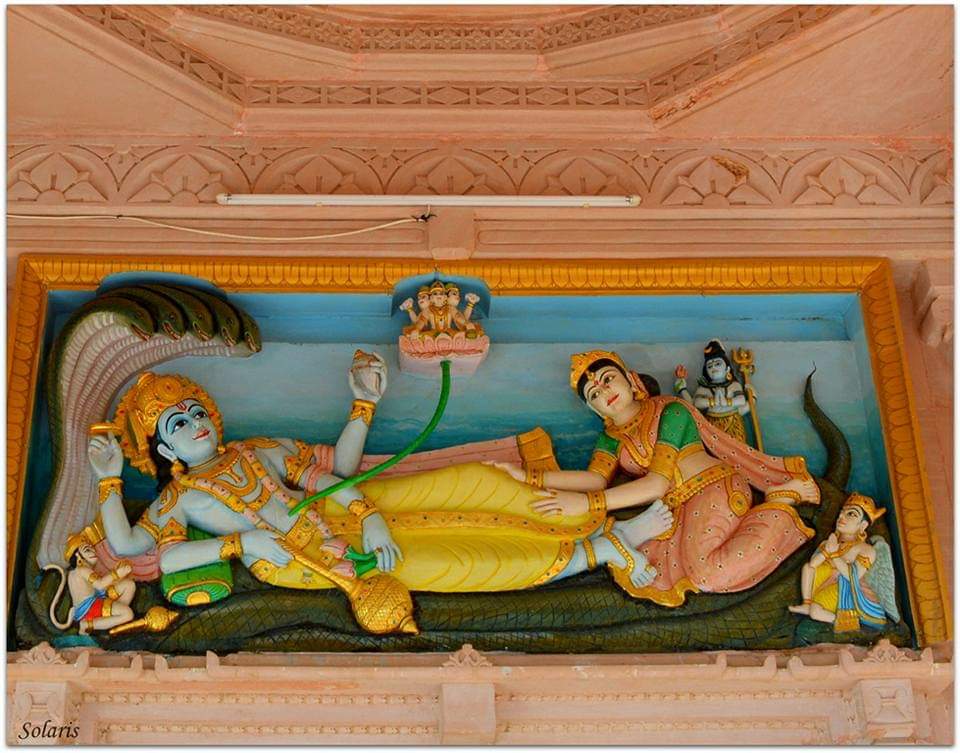
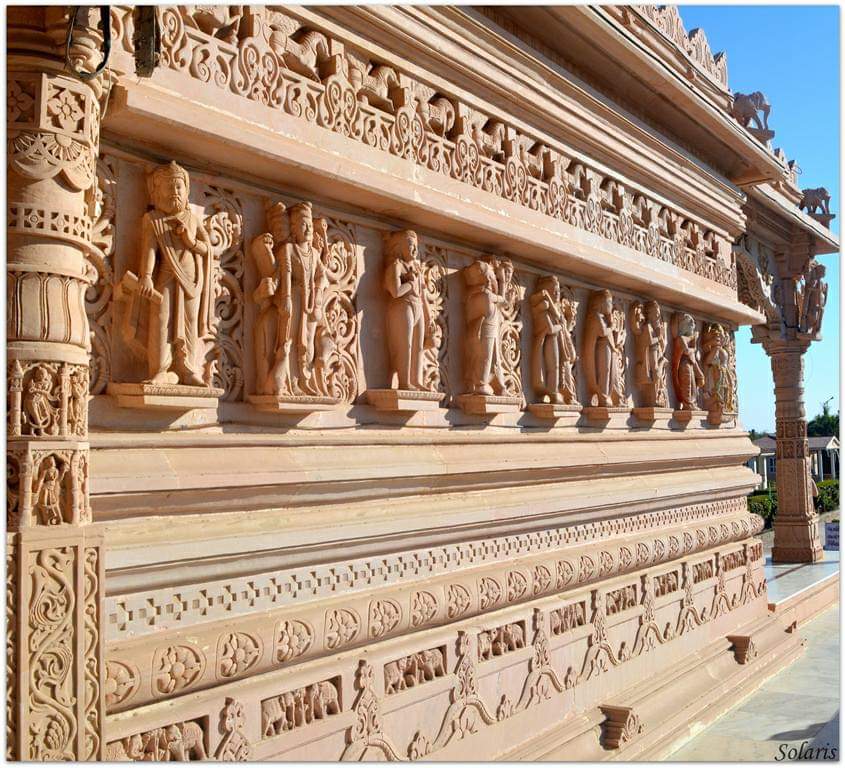
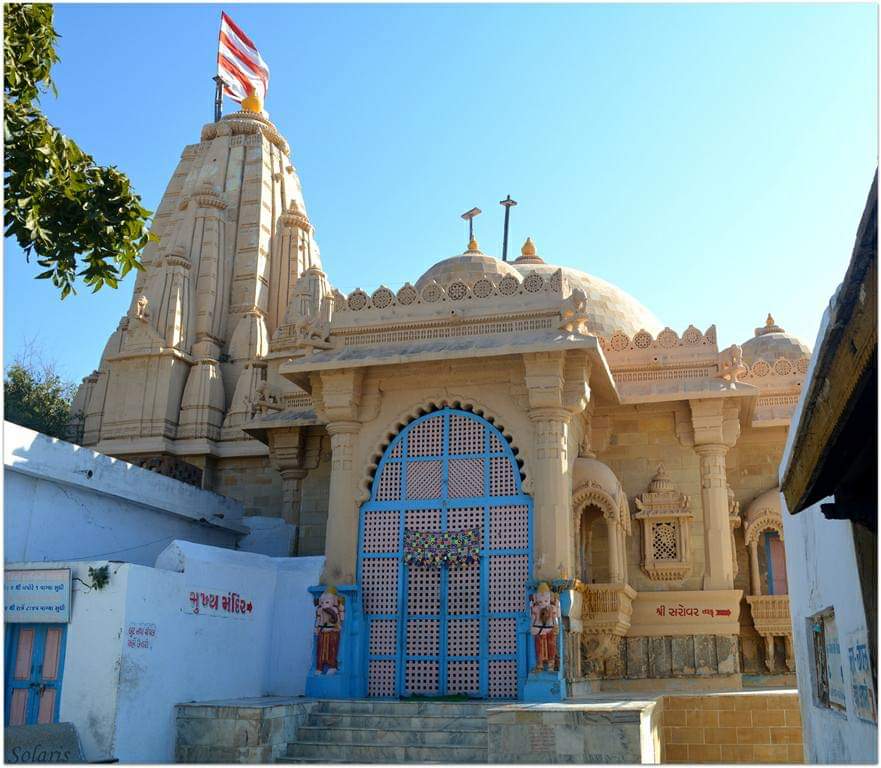
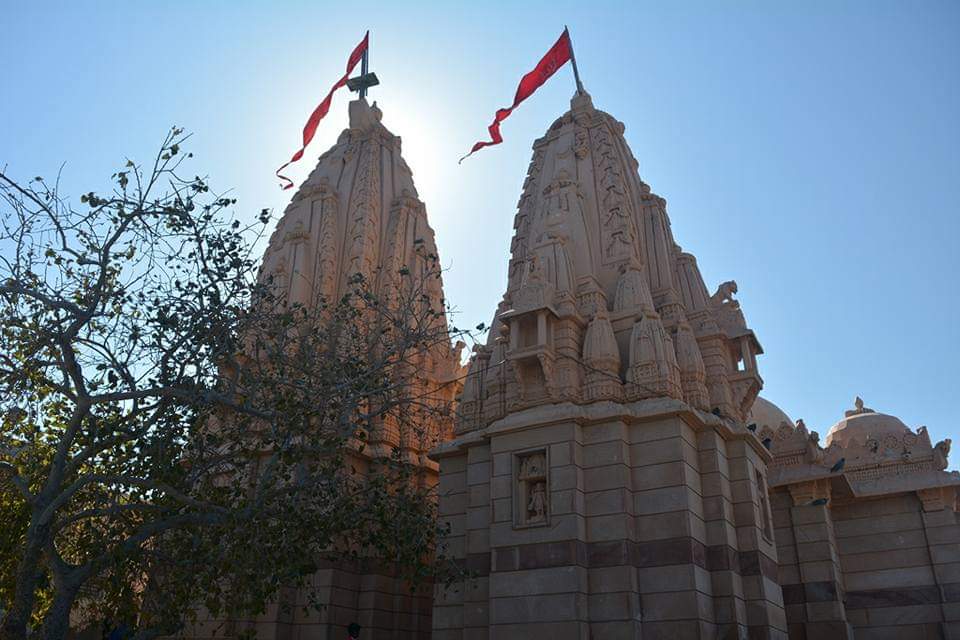
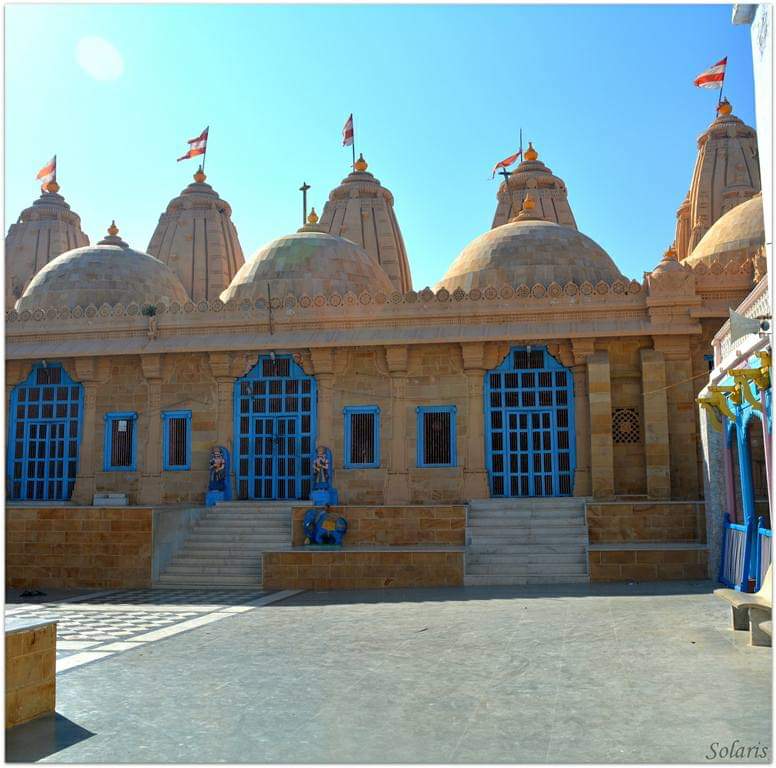
A spiritual hub dedicated to Ashapura Maa, this ancient temple sits quietly in the desert, surrounded by bhakts and history. We felt a strong, grounding energy here.
🏰 Stop 2: Lakhpat Fort
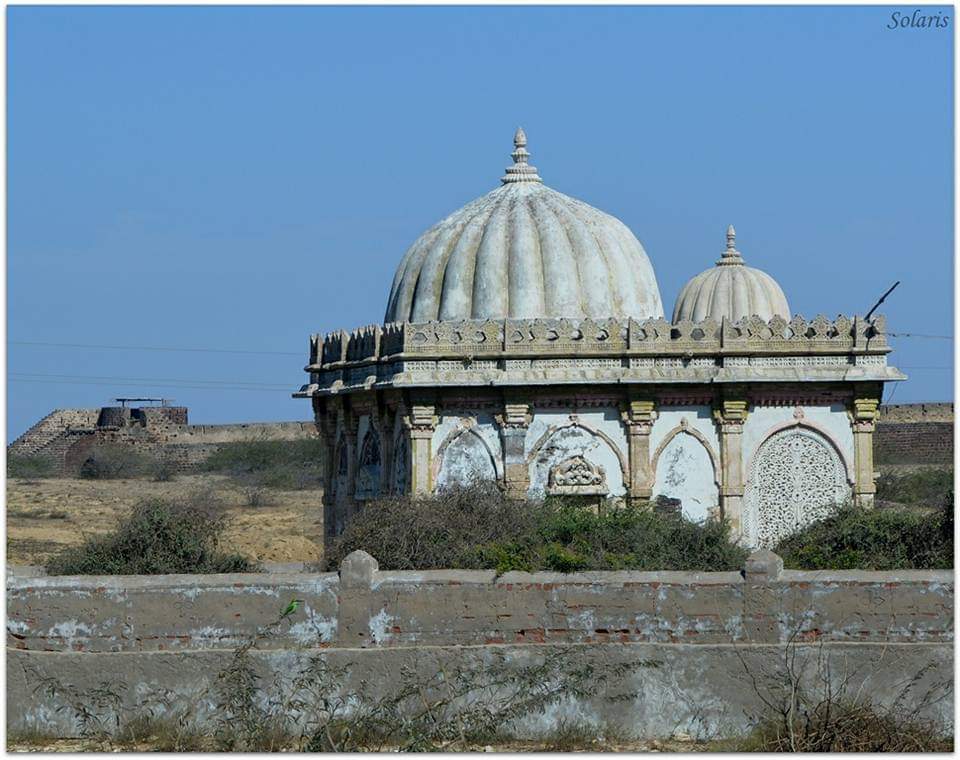
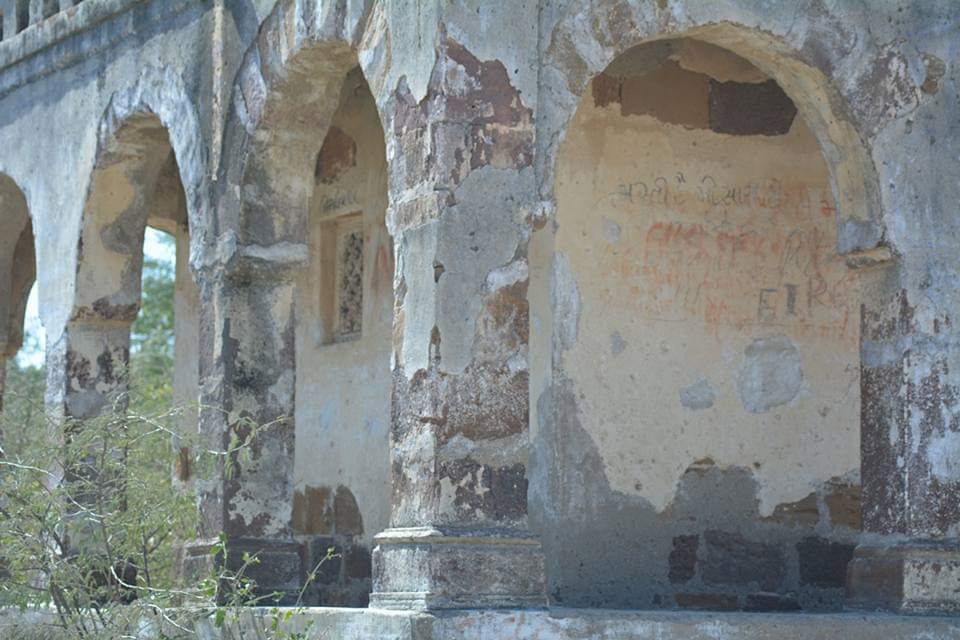
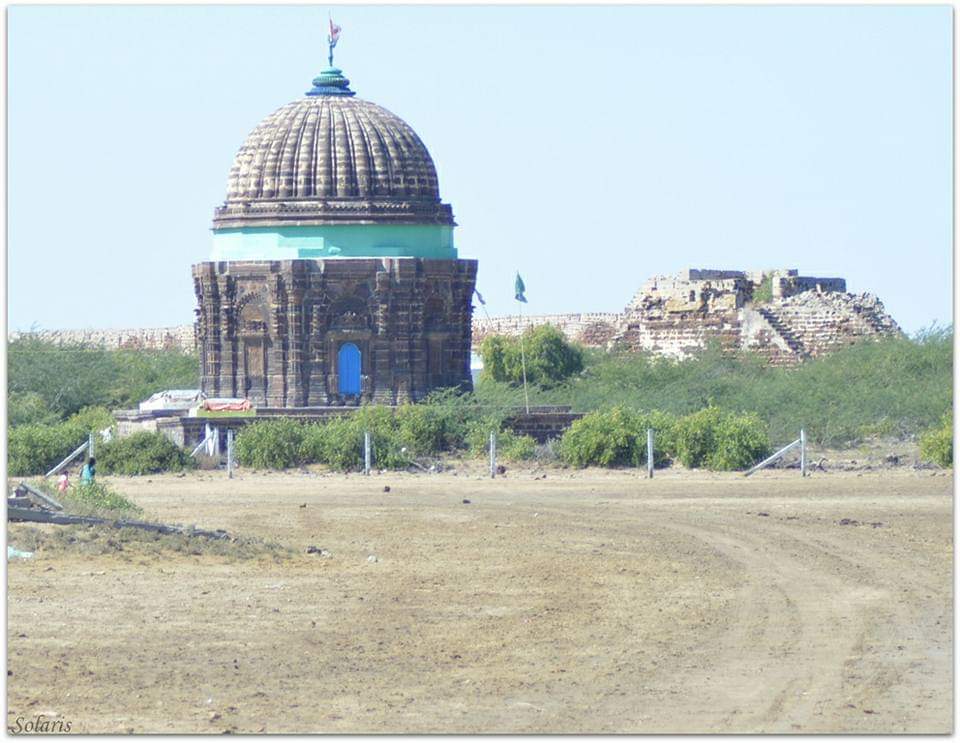
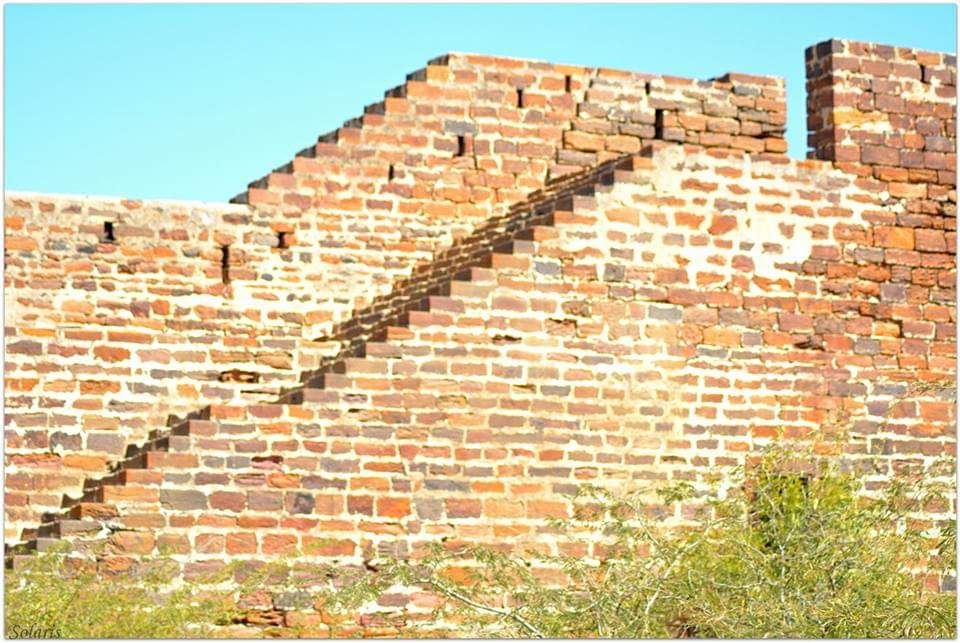
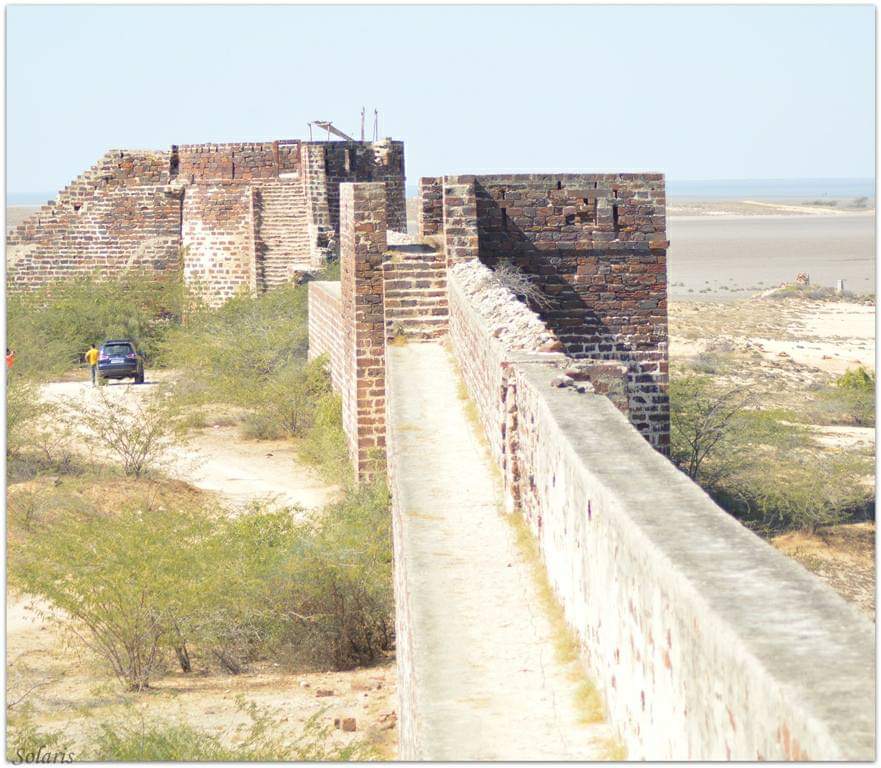
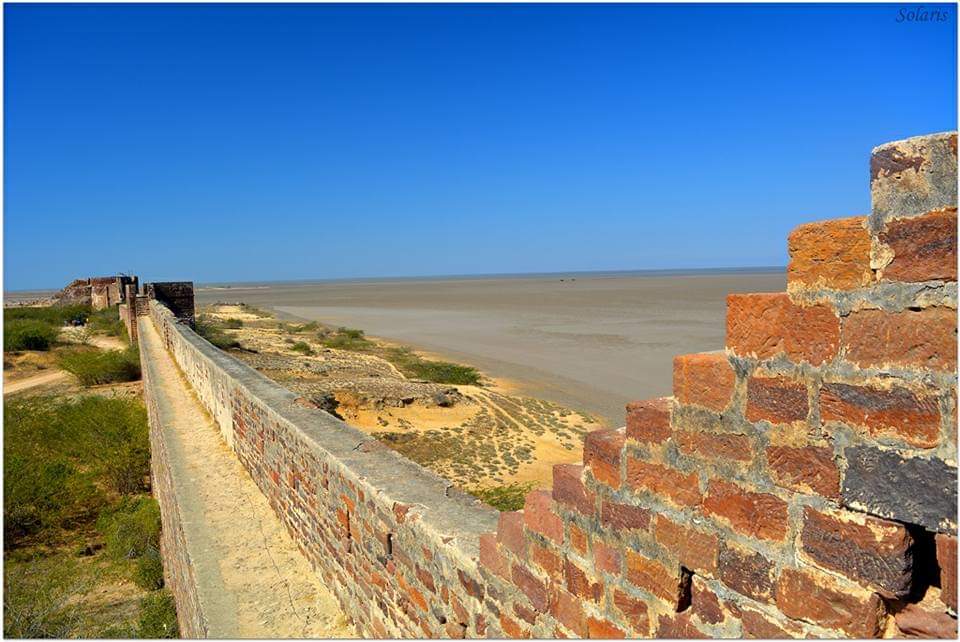
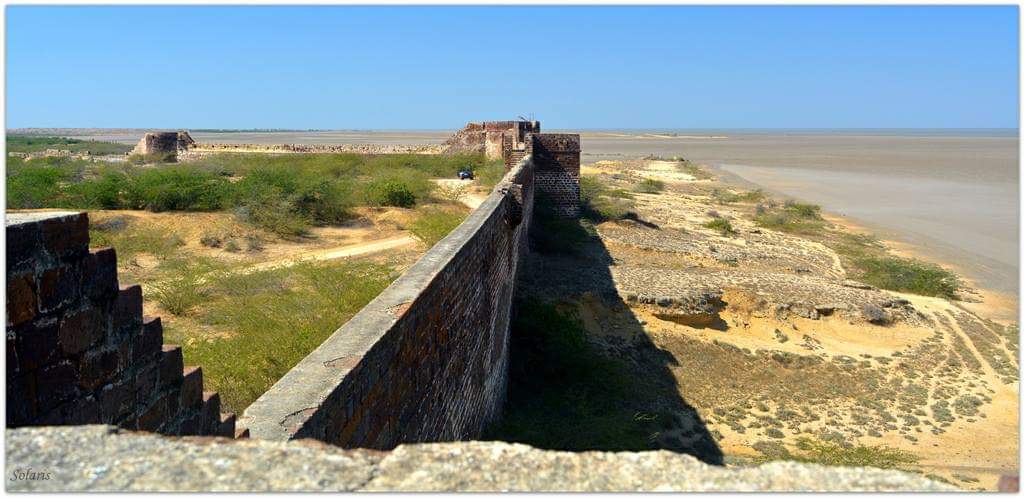
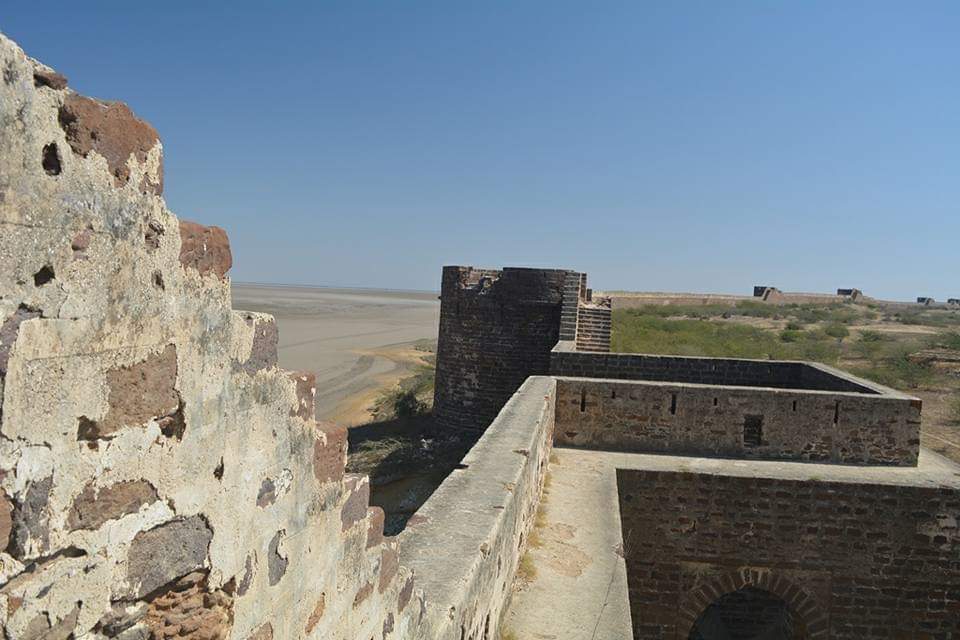
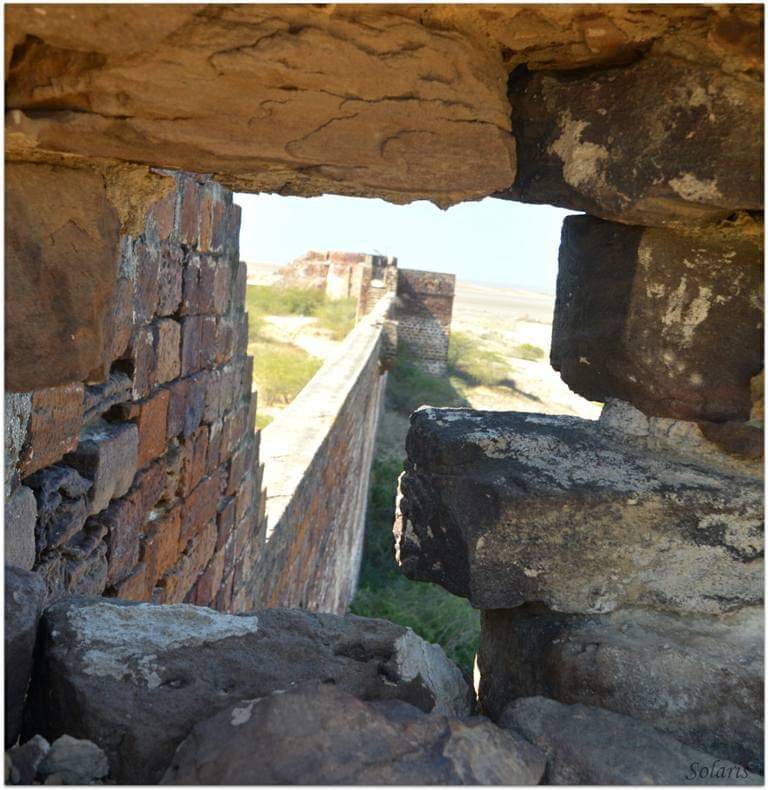
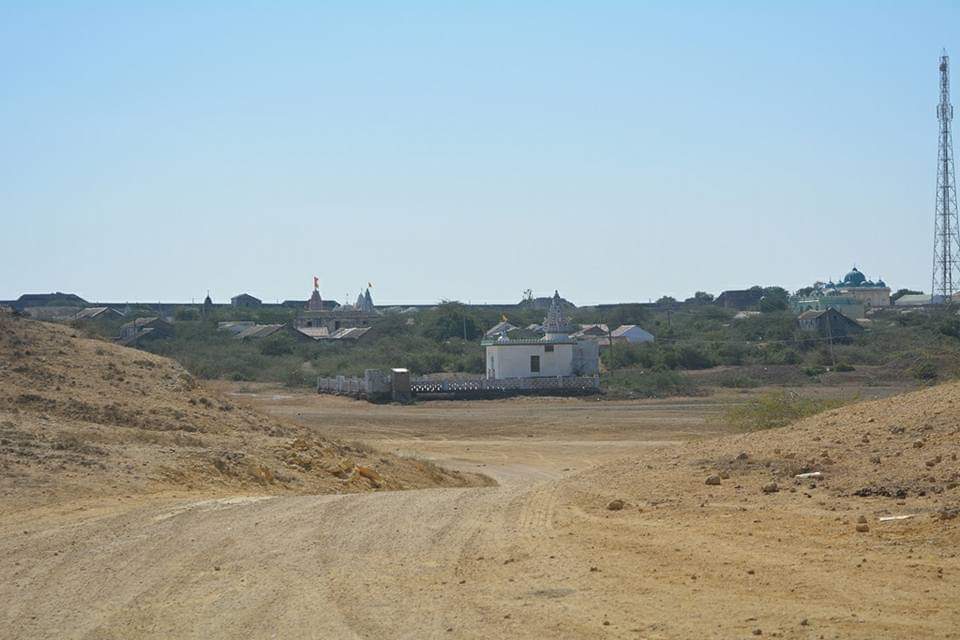
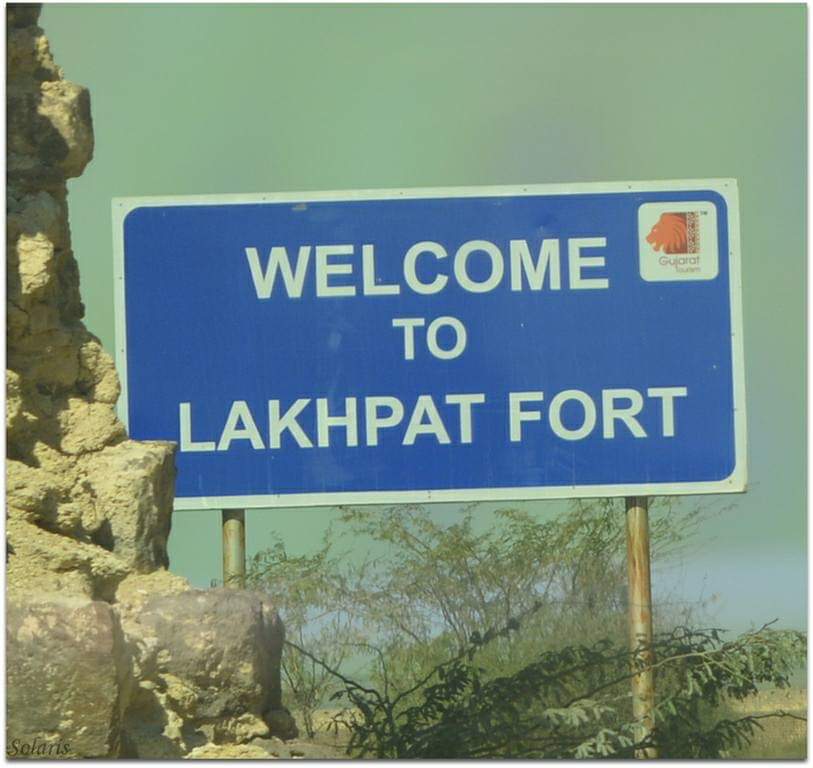
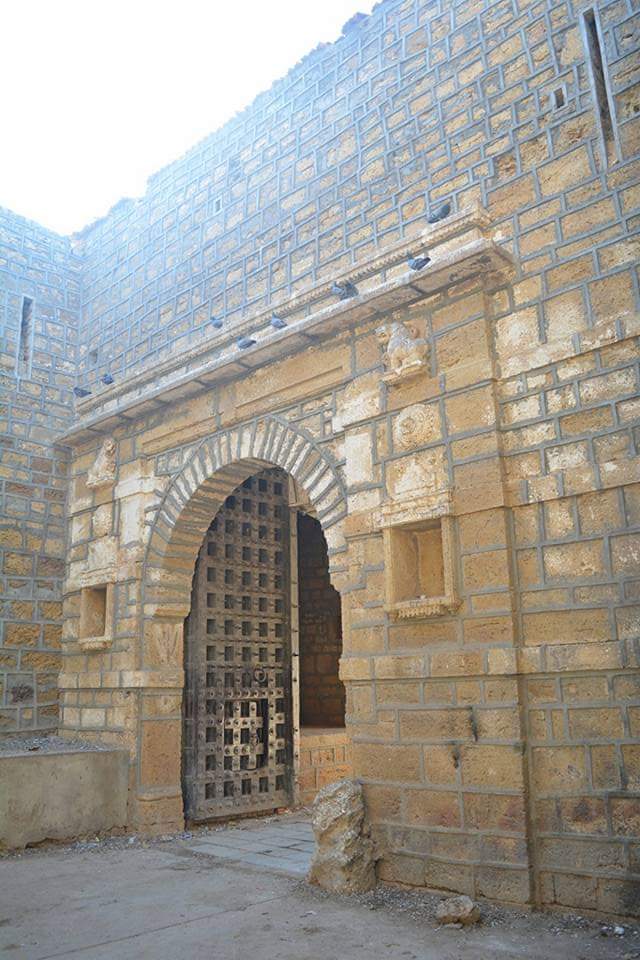
Standing on the edge of India, Lakhpat Fort is both haunting and majestic. Once a wealthy trade port, it’s now a near-abandoned ruin offering panoramic views and a lingering silence. Inside, the Ghosh Muhammad Dargah was beautifully preserved — stark white and serene.
🌊 Stop 3: Koteshwar Temple
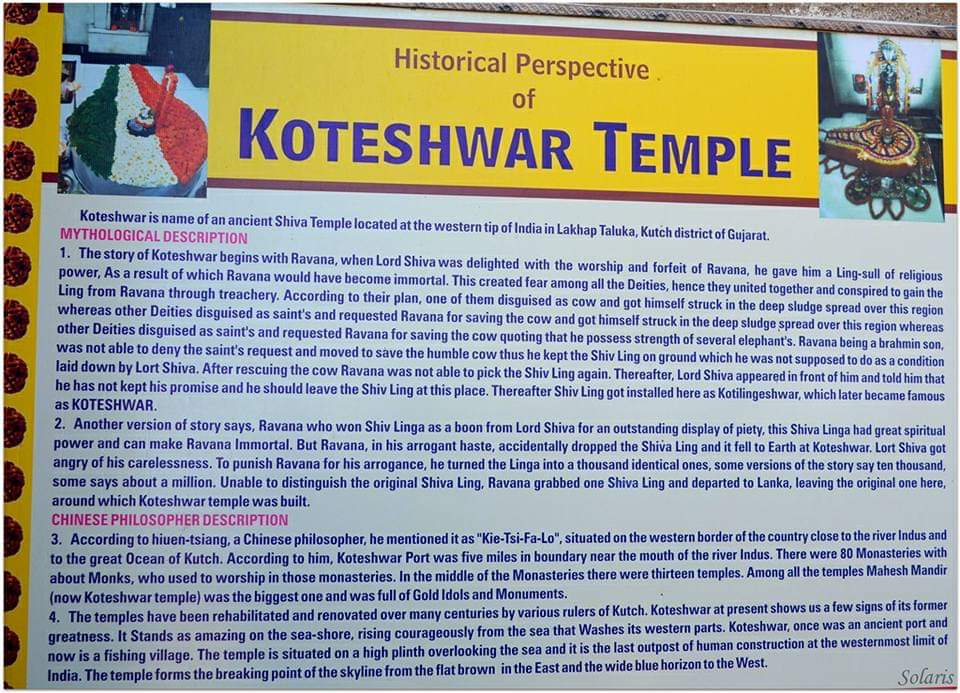
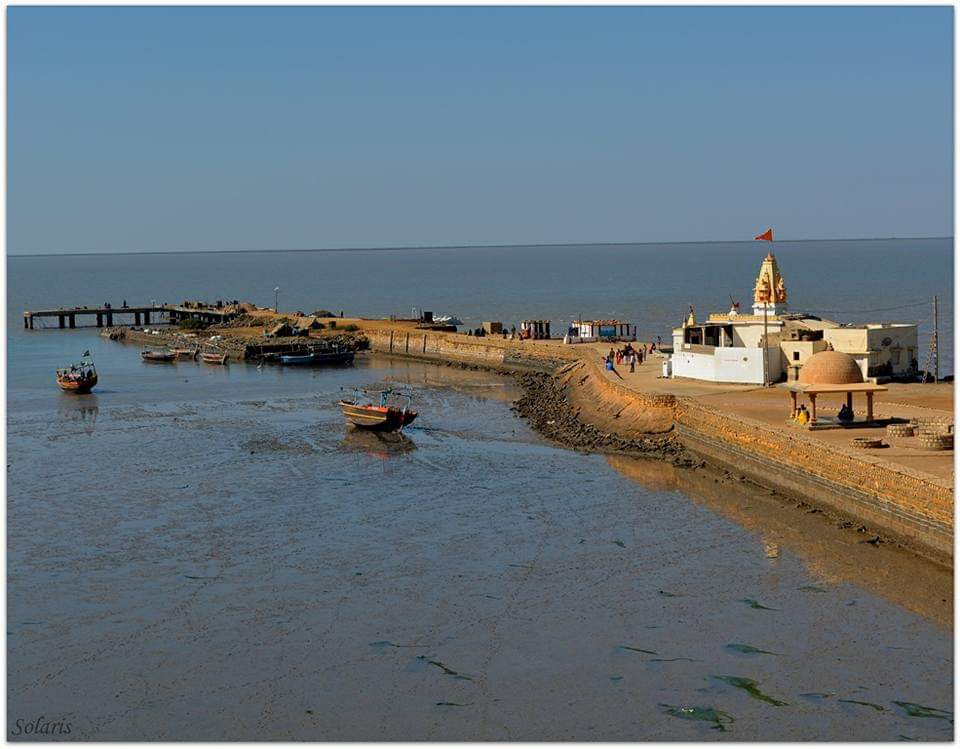
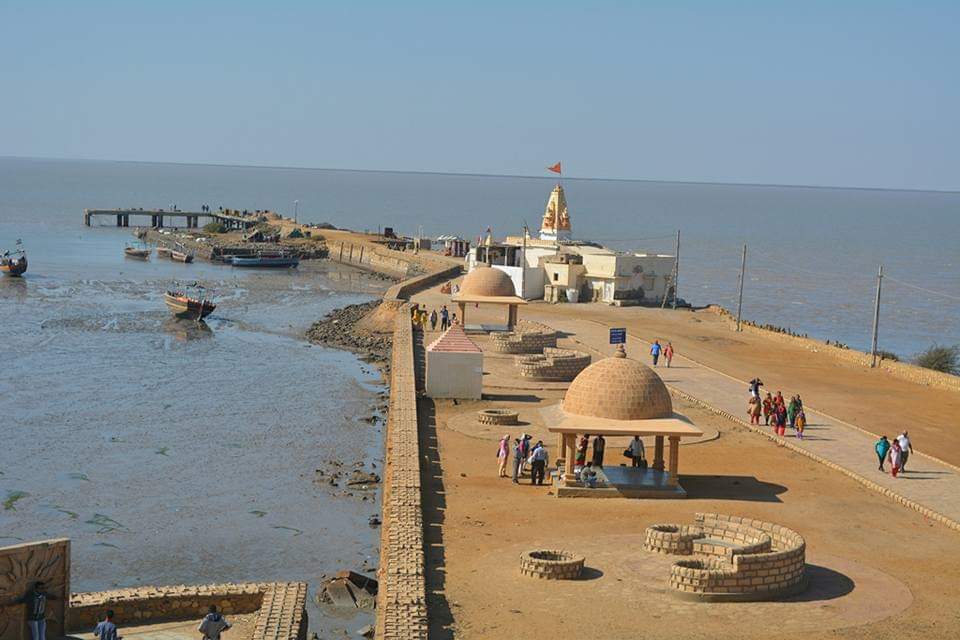
The westernmost Shiva temple in India, Koteshwar overlooks the Arabian Sea — waves crashing below, the sea wind wrapping around you like a hymn. You feel like you’re standing at the end of something ancient and infinite.
🏖️ Final Stop: Mandvi
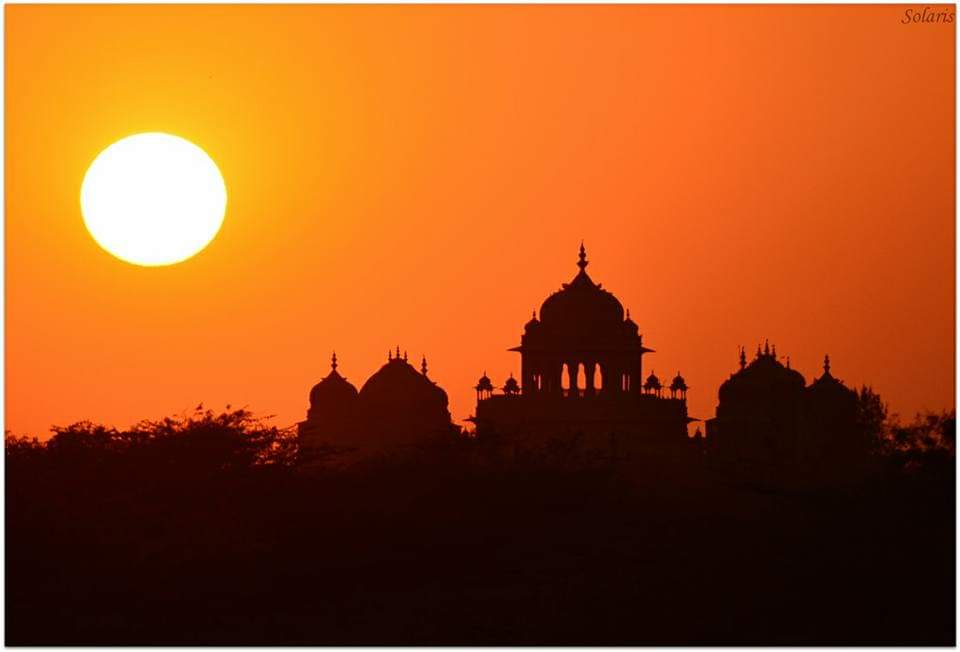
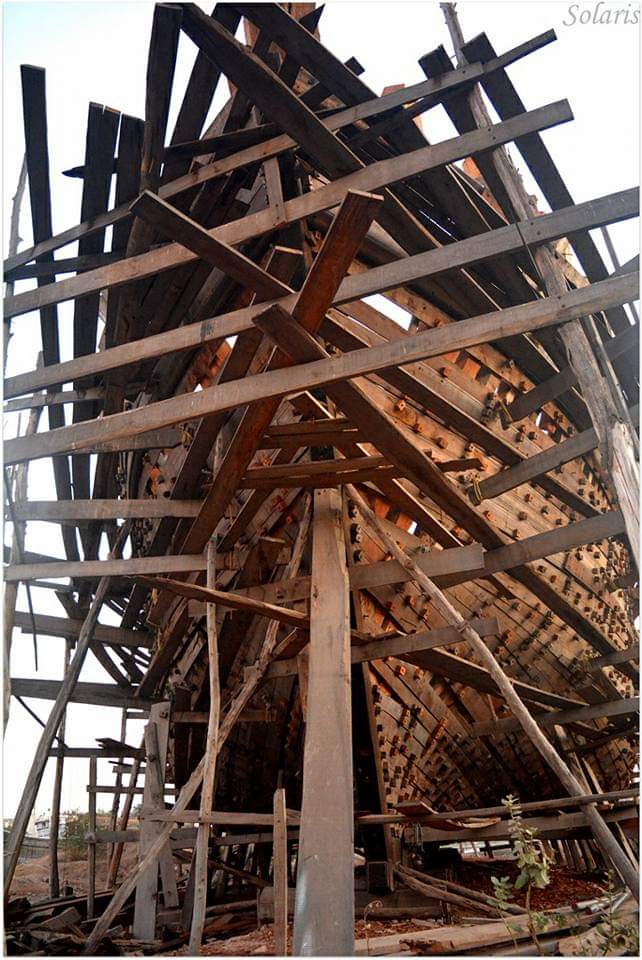
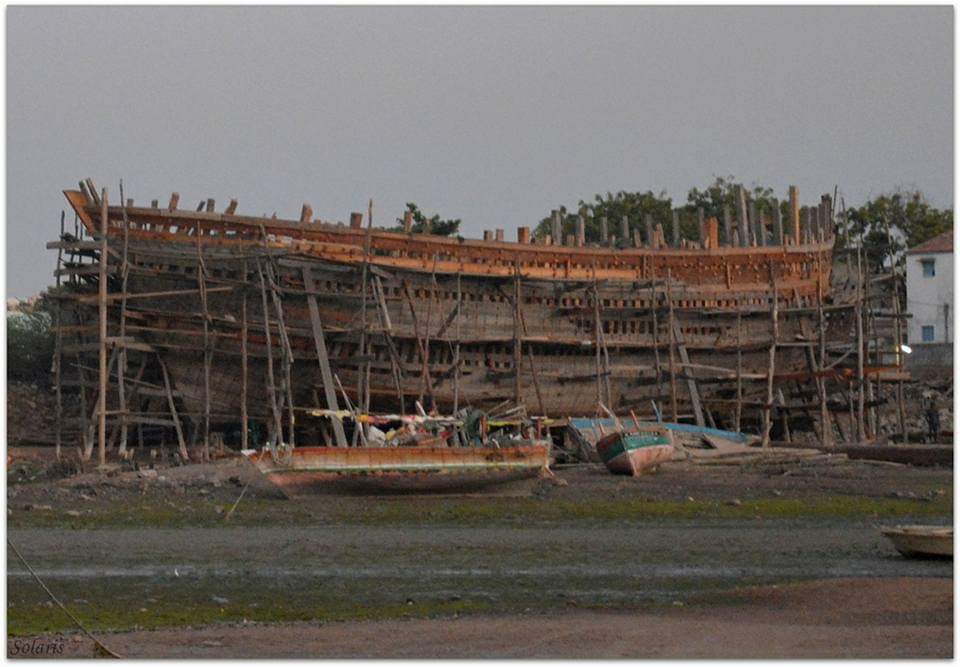
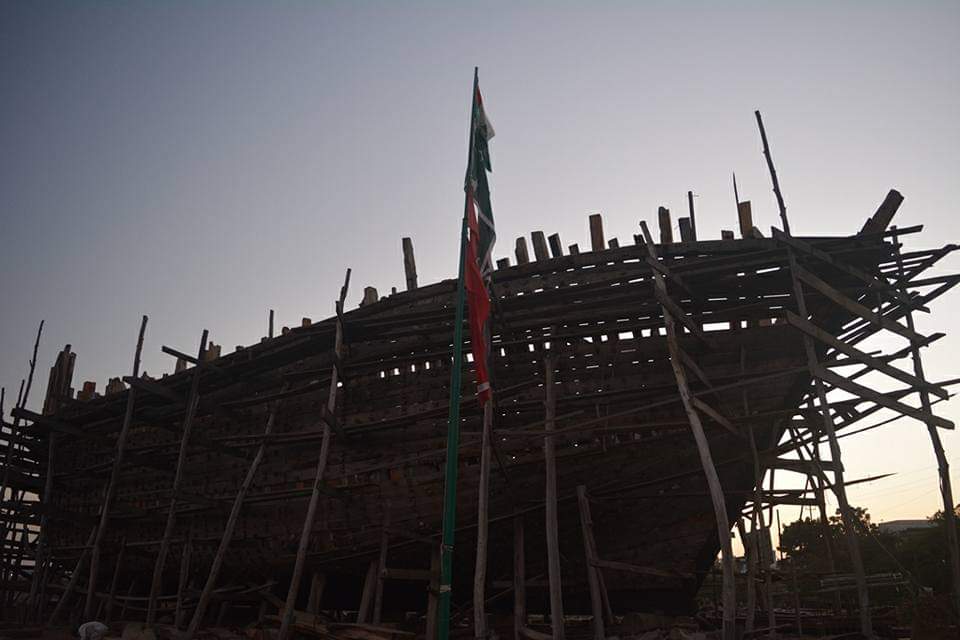
We reached Mandvi just in time for a seaside sunset. Before that, we thought of visiting the Vijay Vilas Palace, once a royal summer home and a Bollywood favourite. Unfortunately, it closed down by 05:00 PM. We went around watching the ships being built. We began our journey back, through an overnight train back to Mumbai, carrying sun, salt, and stories in our backpacks.
✍️ Final Thoughts
In just three days, we travelled across thousands of years of history, walked through salt deserts under the moon, visited temples where faith breathes through stone, and touched the last land before the sea.
Kutch is not just a destination; it’s a feeling of vastness — in land, in time, and in soul.
Best Time to Visit: November to February
- Tips:
- Carry warm layers for Rann nights
- Pre-book stays in Dholavira and Rann of Kutch during season, we stayed in Bhuj because the budget inflates at Rann of Kutch, Bhuj is more budget friendly.
- Watch the moon phase calendar for the perfect Rann experience
 Backpack, Camera & Me